Edmond Dantès

A young sailor, first mate of the Pharaon.
1First appears in Chapter 1A young sailor, first mate of the Pharaon.
1First appears in Chapter 1
The deputy prosecutor in Marseilles.
6First appears in Chapter 6
A sailor aboard the Pharaon.
1First appears in Chapter 1
A Catalan fisherman; rival for Mercédès's affection.
3First appears in Chapter 3

Son of Dantès's former employer, Pierre Morrel.
5First appears in Chapter 5
The son of the Comte and Comtesse de Morcerf.
27First appears in Chapter 27
Dantès's beloved, from the Catalan quarter of Marseilles.
1First appears in Chapter 1
M. de Villefort's daughter.
47First appears in Chapter 47
An imprisoned Italian priest known as the abbé.
8First appears in Chapter 8
Albert de Morcerf's friend.
31First appears in Chapter 31
Danglars's daughter.
40First appears in Chapter 40
A neighbor and acquaintance of Dantès.
2First appears in Chapter 2
The Count's steward.
35First appears in Chapter 35
"M. Morrel, the esteemed shipowner with a furrowed brow, stood silently grappling with the weight of his concerns."
1First appears in Chapter 1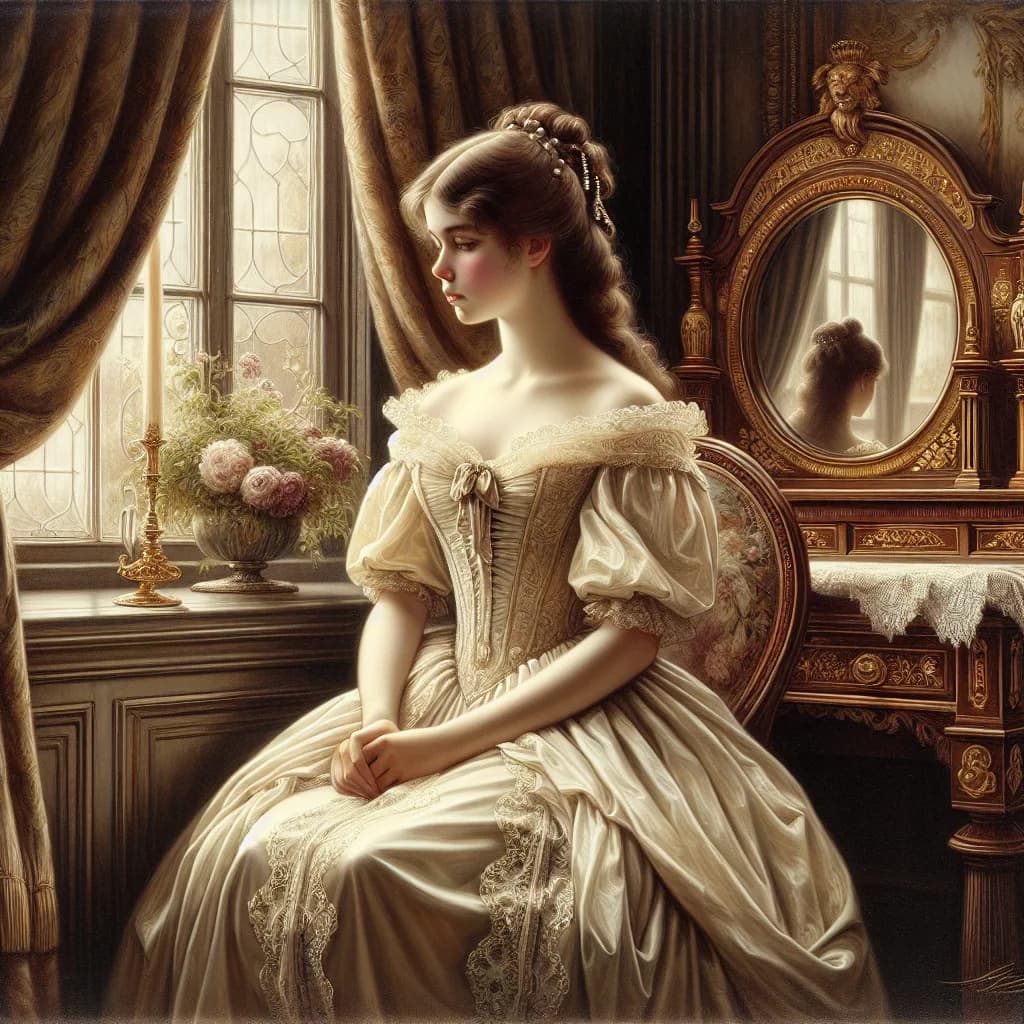

A tall, young man with light hair and clear gray eyes, Lucien Debray is introduced as a well-dressed government official.
39First appears in Chapter 39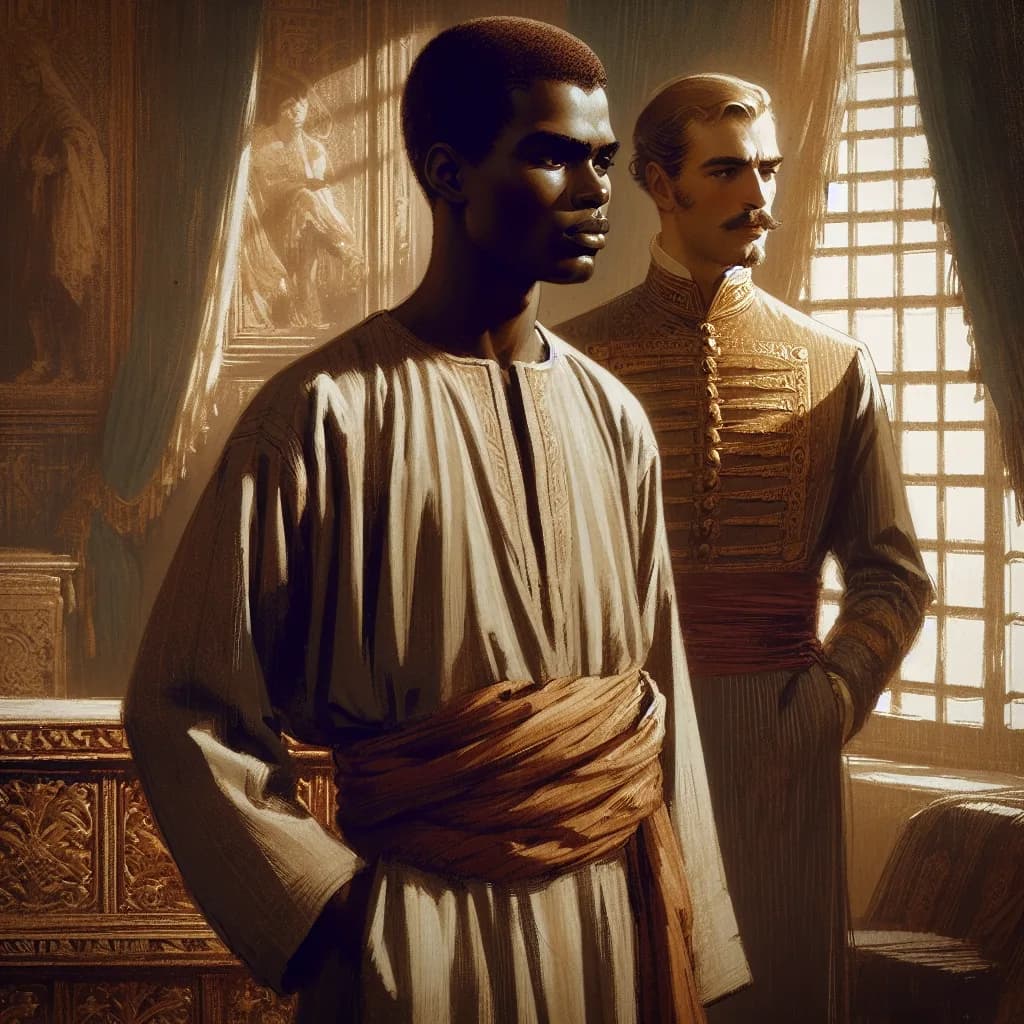
Ali, a devoted Nubian servant, quietly attends to Monte Cristo with unwavering loyalty.
31First appears in Chapter 31

Noirtier, a venerable senator known for his influential past in the Girondin political circle.
10First appears in Chapter 10
A keen and inquisitive journalist, known for his sharp wit and love of debate.
39First appears in Chapter 39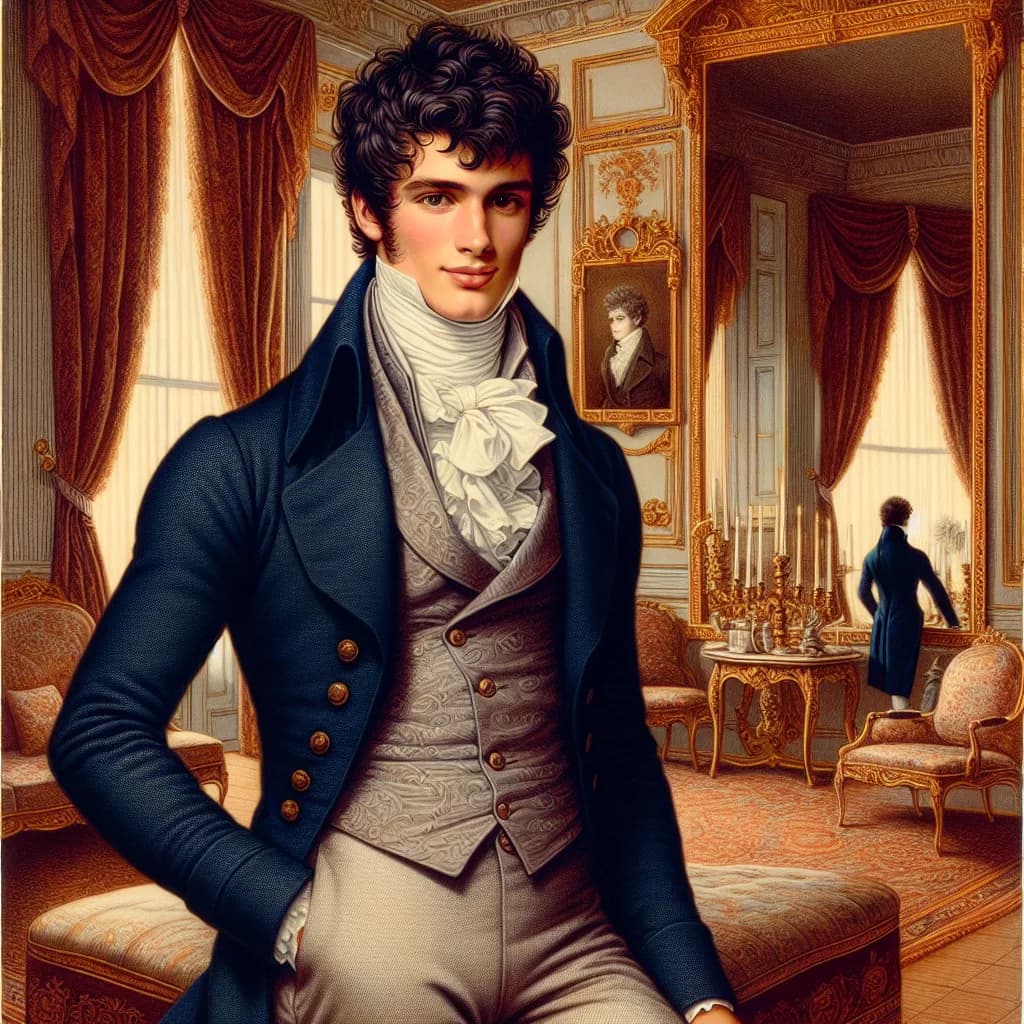
A fashionable young nobleman known for his elegance and good breeding.
39First appears in Chapter 39
A young woman in the Count's household.
34First appears in Chapter 34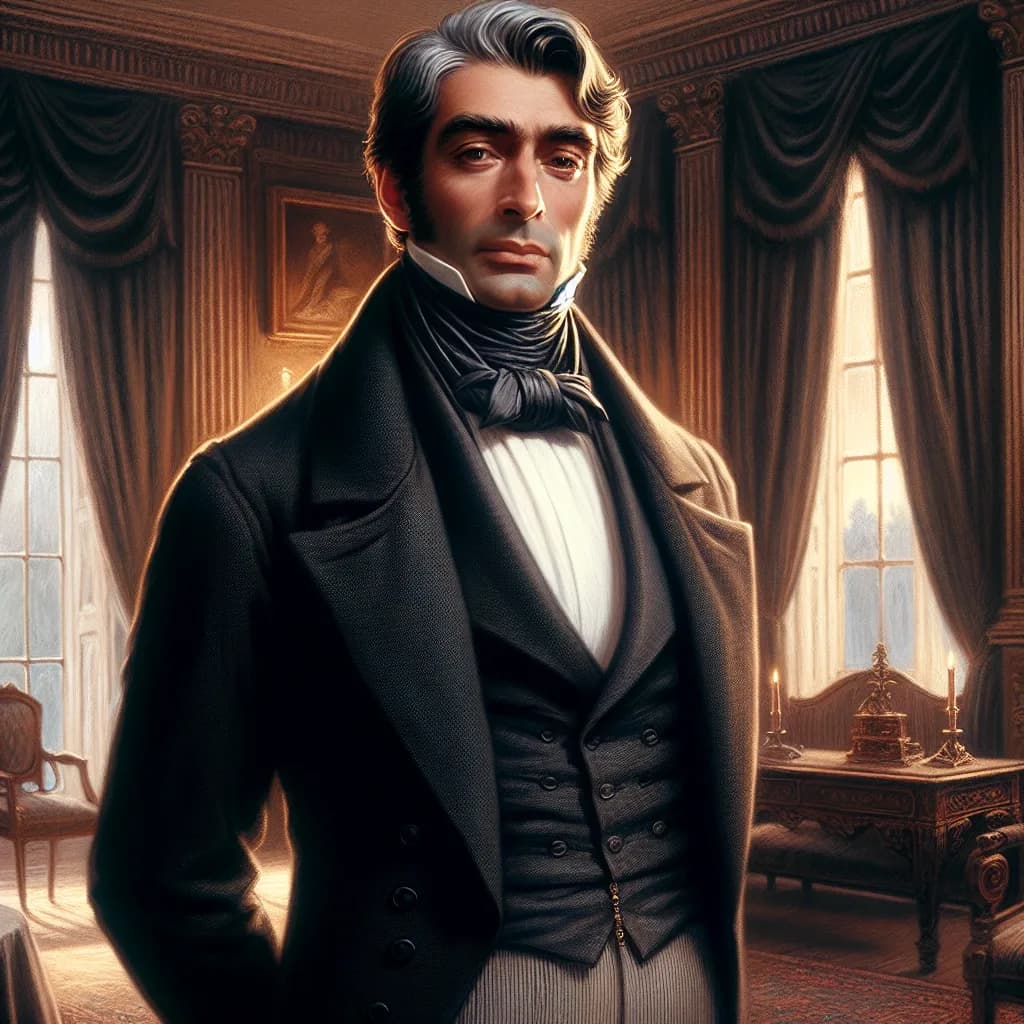
A loyal and attentive valet in the service of the Count.
46First appears in Chapter 46
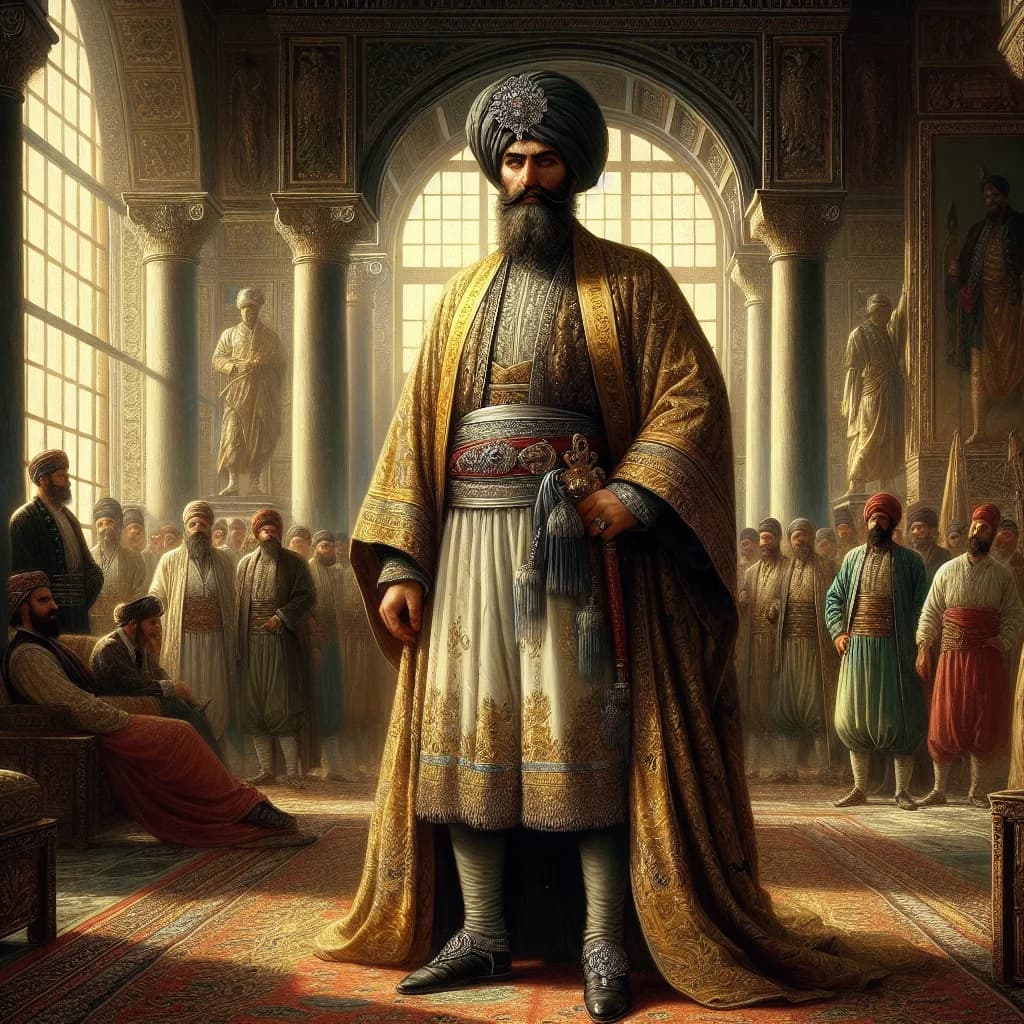
Ali Pasha, a powerful and influential ruler in Greece, is introduced as a significant figure whose service attracts many around him.
27First appears in Chapter 27
Emmanuel, a loyal and anxious young employee of M. Morrel, greets visitors with genuine concern.
29First appears in Chapter 29
A distinguished-looking Italian nobleman, newly arrived in Parisian society.
54First appears in Chapter 54
Barrois, a loyal servant who has faithfully served his master for twenty-five years, is introduced.
58First appears in Chapter 58
A talented young pianist and music teacher, Louise d’Armilly is devoted to her friend Eugénie Danglars.
53First appears in Chapter 53
Madame Danglars is a wealthy and fashionable Parisian lady, known for her influential social connections.
39First appears in Chapter 39
A gentle and attentive young woman, Julie is the daughter of Monsieur Morrel.
29First appears in Chapter 29
A mysterious and troubled young boy, known as Benedetto, is introduced as an orphan taken in by strangers.
44First appears in Chapter 44
A notorious and cunning Roman bandit, feared throughout the countryside.
33First appears in Chapter 33
A poor Italian shepherd, Peppino is caught up in the intrigues of his country.
34First appears in Chapter 34
The Baroness Danglars is a wealthy, elegant woman known for her prominent position in Parisian society.
46First appears in Chapter 46
An enigmatic man residing at Rue Coq-Héron, No. 13.
7First appears in Chapter 7
A frank and manly sailor on the Genoese tartan who saves Dantès from drowning.
21First appears in Chapter 21
The inspector of prisons, M. de Boville, is a meticulous official overseeing matters of incarceration in Paris.
28First appears in Chapter 28
Signor Pastrini is the courteous proprietor of the Hôtel de Londres in Rome.
31First appears in Chapter 31
A well-connected young man working in the Ministry of the Interior.
57First appears in Chapter 57
God, invoked by characters as a source of guidance and mercy in times of deep distress.
110First appears in Chapter 110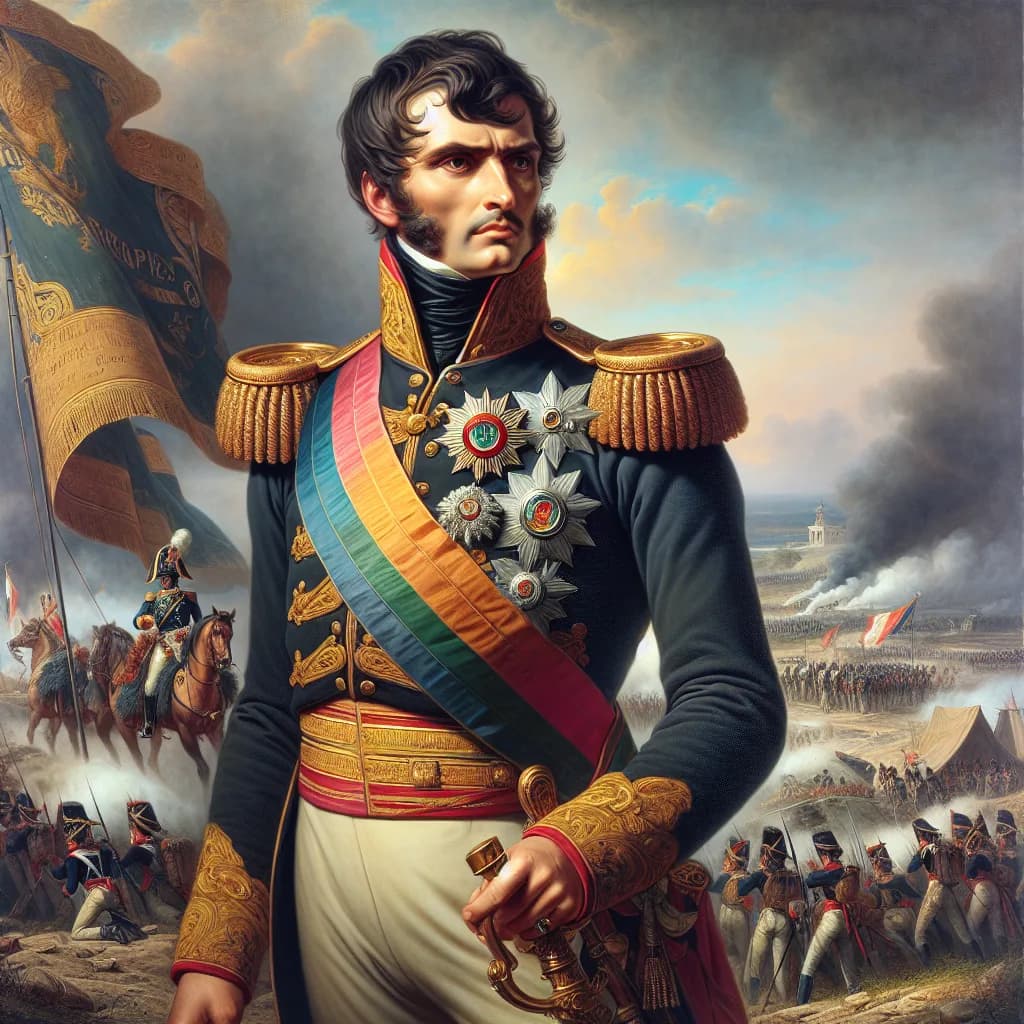
A commanding military leader whose ambitions have shaped an era.
6First appears in Chapter 6
A well-dressed gentleman who introduces himself as the chief clerk of the banking house Thomson & French of Rome.
28First appears in Chapter 28
A respected doctor and trusted friend to many in Parisian society, M. d’Avrigny is known for his wisdom and compassion.
72First appears in Chapter 72
"The emperors grandeur loomed over the court, his presence commanding respect and intrigue."
1First appears in Chapter 1

The Marquise de Saint-Méran, a noblewoman known for her stern and commanding presence.
6First appears in Chapter 6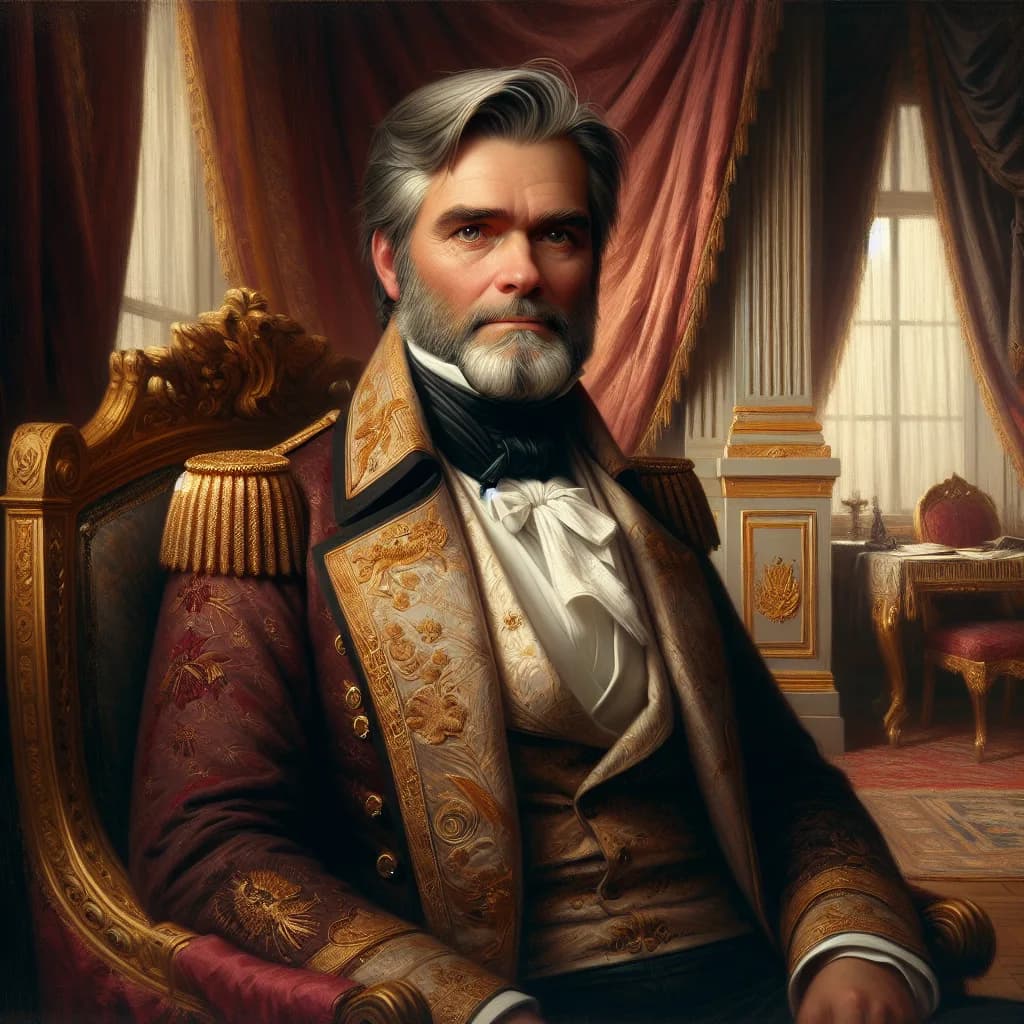
The recently restored King of France, Louis XVIII, holds a throne caught between past and future.
10First appears in Chapter 10
Madeleine Radelle is a pale, slender woman of delicate health, known for her quiet demeanor.
26First appears in Chapter 26
A distinguished Venetian noblewoman, renowned for her beauty and social grace.
34First appears in Chapter 34
"The esteemed Captain Leclere, known for his bravery on the high seas, had just met an untimely fate."
1First appears in Chapter 1
An influential former Girondin and current senator, Count Noirtier carries a weighty political legacy.
6First appears in Chapter 6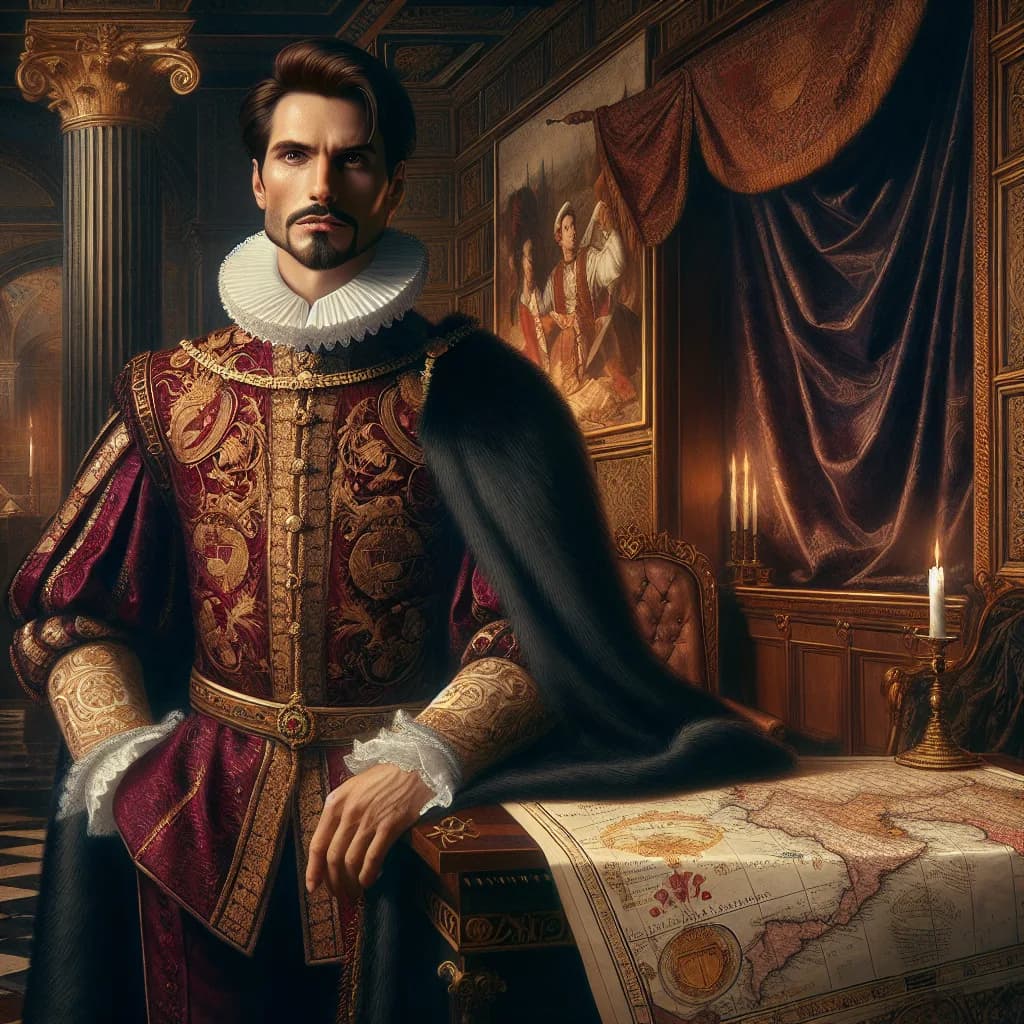
A powerful Italian nobleman and military leader renowned for his ambitious conquests.
16First appears in Chapter 16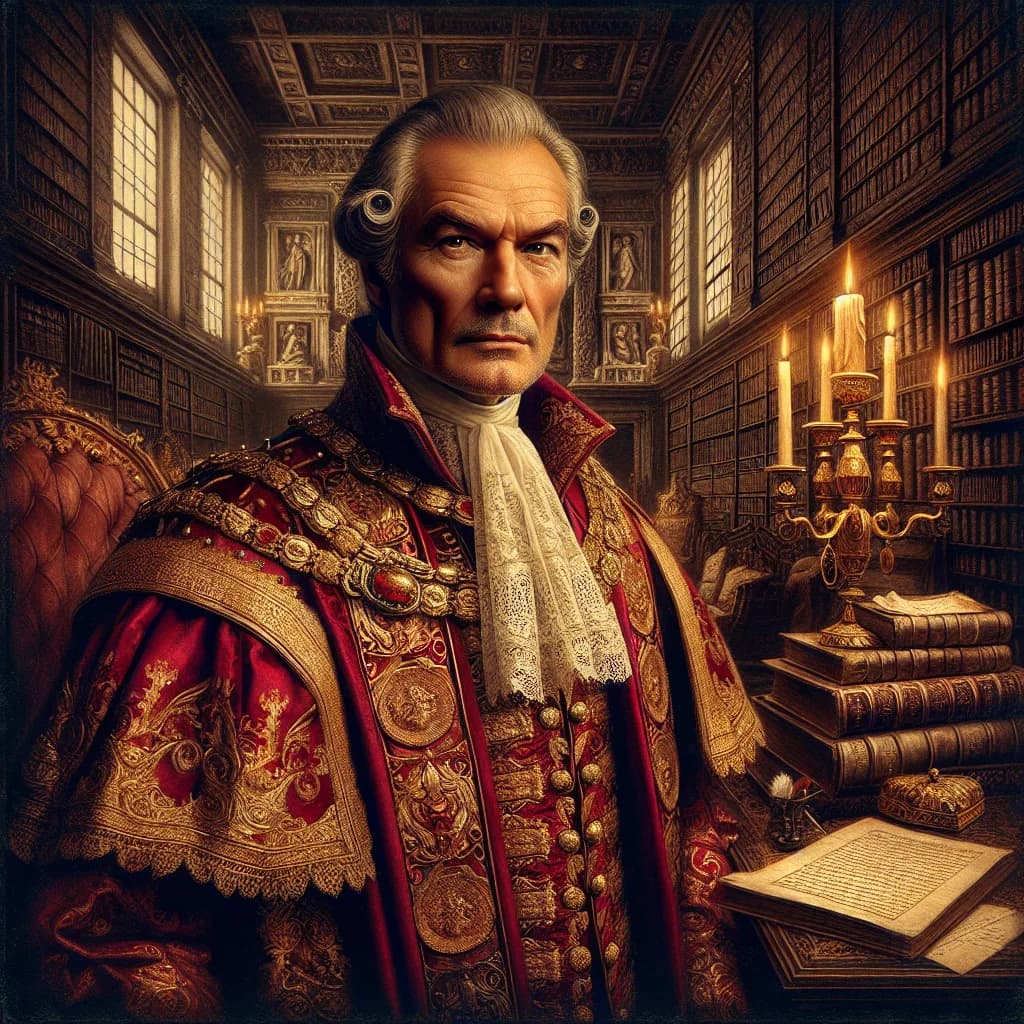
A high-ranking church official known for his fiery temper and influential letters.
18First appears in Chapter 18
Providence is mentioned as a guiding and protective force, suggesting a higher power watching over events.
19First appears in Chapter 19
An old, weather-beaten seaman loyal to the Morrel family.
29First appears in Chapter 29
Andrea Rondolo is one of two prisoners mentioned in a courtroom scene, known for his unfortunate fate.
34First appears in Chapter 34
Murat, an influential figure involved in delicate communications between rival factions.
6First appears in Chapter 6
M. de Blacas, a loyal and courteous courtier offering counsel to the king.
10First appears in Chapter 10
A brilliant and ambitious military leader whose name stirs both fear and loyalty across France.
12First appears in Chapter 12
Germain, the timid servant, is quick to retreat at the slightest sign of trouble.
12First appears in Chapter 12
A physician and philosopher, respected as a close friend of the renowned chemist Fourcroy.
16First appears in Chapter 16
An old, one-eyed cashier known as Cocles, whose nickname comes from his distinctive appearance.
29First appears in Chapter 29
The wife of the shipowner Morrel, a gentle and devoted woman burdened by her family's troubles.
29First appears in Chapter 29
A banker, whose name carries great wealth and influence in Parisian society.
36First appears in Chapter 36
A Spanish nobleman whose political fate is discussed among the Parisian elite.
39First appears in Chapter 39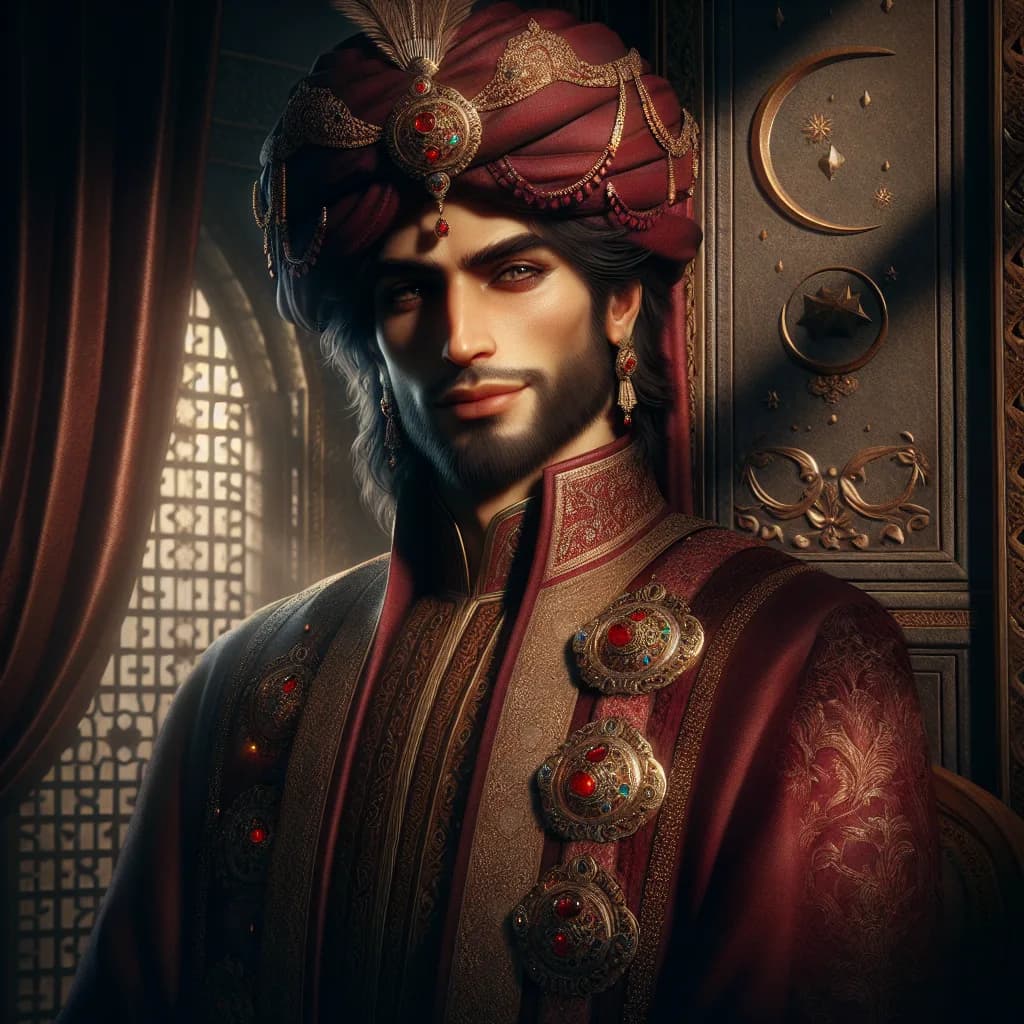
A mysterious and powerful ruler, once a prominent figure in the East, is evoked through stories of his grandeur.
53First appears in Chapter 53
M. Deschamps, the family's trusted notary, is responsible for handling important legal matters.
59First appears in Chapter 59
A high-ranking government official responsible for internal affairs in France.
61First appears in Chapter 61
A respected physician, known for his discretion and insight.
73First appears in Chapter 73
A beautiful woman of Greek origin, Vasiliki was once closely associated with Ali Pasha.
77First appears in Chapter 77
Dantès’ frail and devoted father, quietly awaiting news of his son.
2First appears in Chapter 2
The authoritative Mayor of Marseilles, overseeing the city's affairs from its historic city hall.
5First appears in Chapter 5
An under-jailer, poorly dressed and sullen, leads the way through the prison.
8First appears in Chapter 8
A trusted confidant skilled in delicate correspondence.
9First appears in Chapter 9
A seasoned military officer whose recent demise has drawn significant attention.
11First appears in Chapter 11
A powerful ruler, commanding respect with his every word.
12First appears in Chapter 12
An influential nobleman, M. de Saint-Méran is the father of Mercédès’s intended rival for marriage and a figure respected in high society.
13First appears in Chapter 13
The honest and compassionate owner of Morrel & Son, Pierre Morrel is a respected shipowner and friend to Edmond Dantès.
13First appears in Chapter 13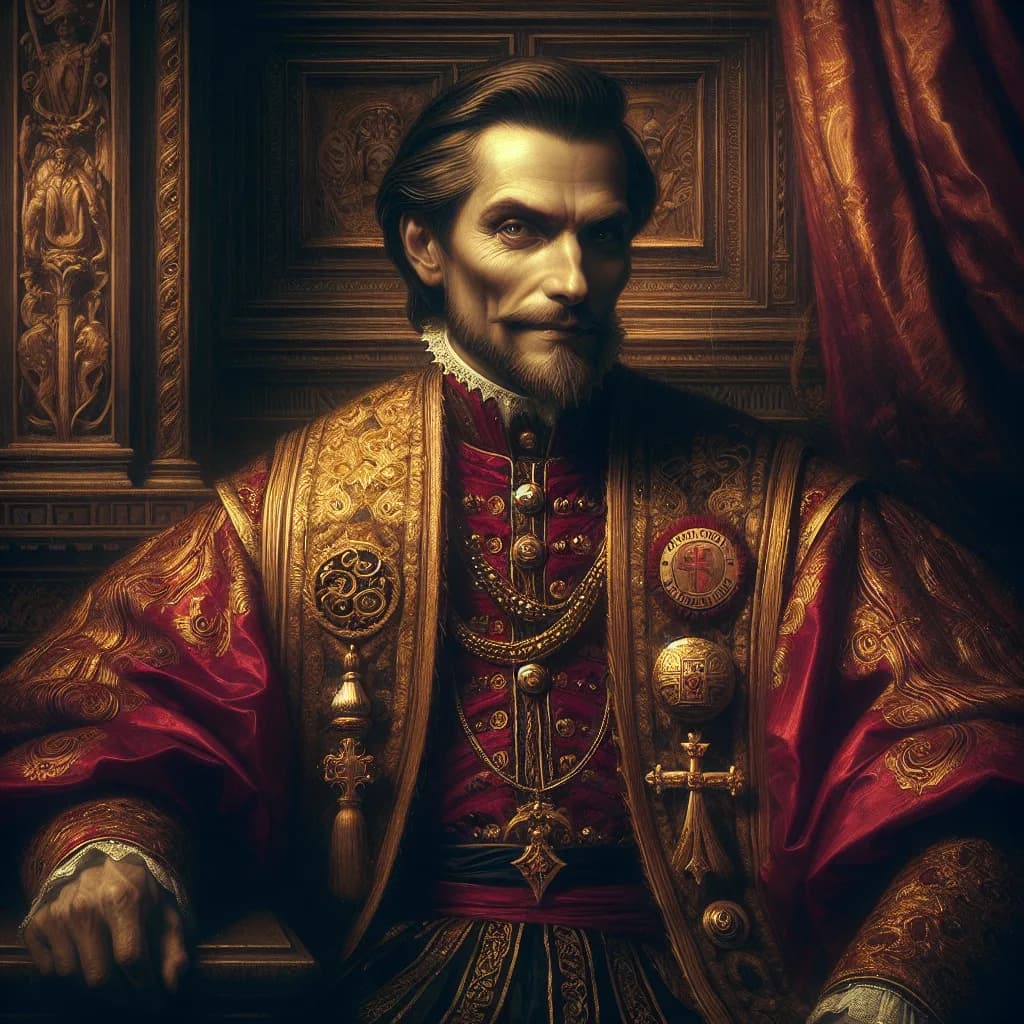
A cunning and ambitious pope, known for his political intrigue.
16First appears in Chapter 16
An illustrious Italian poet, renowned for his epic work and profound influence on literature.
16First appears in Chapter 16
Plutarch is mentioned as a renowned ancient Greek historian and biographer, esteemed for his influential works.
16First appears in Chapter 16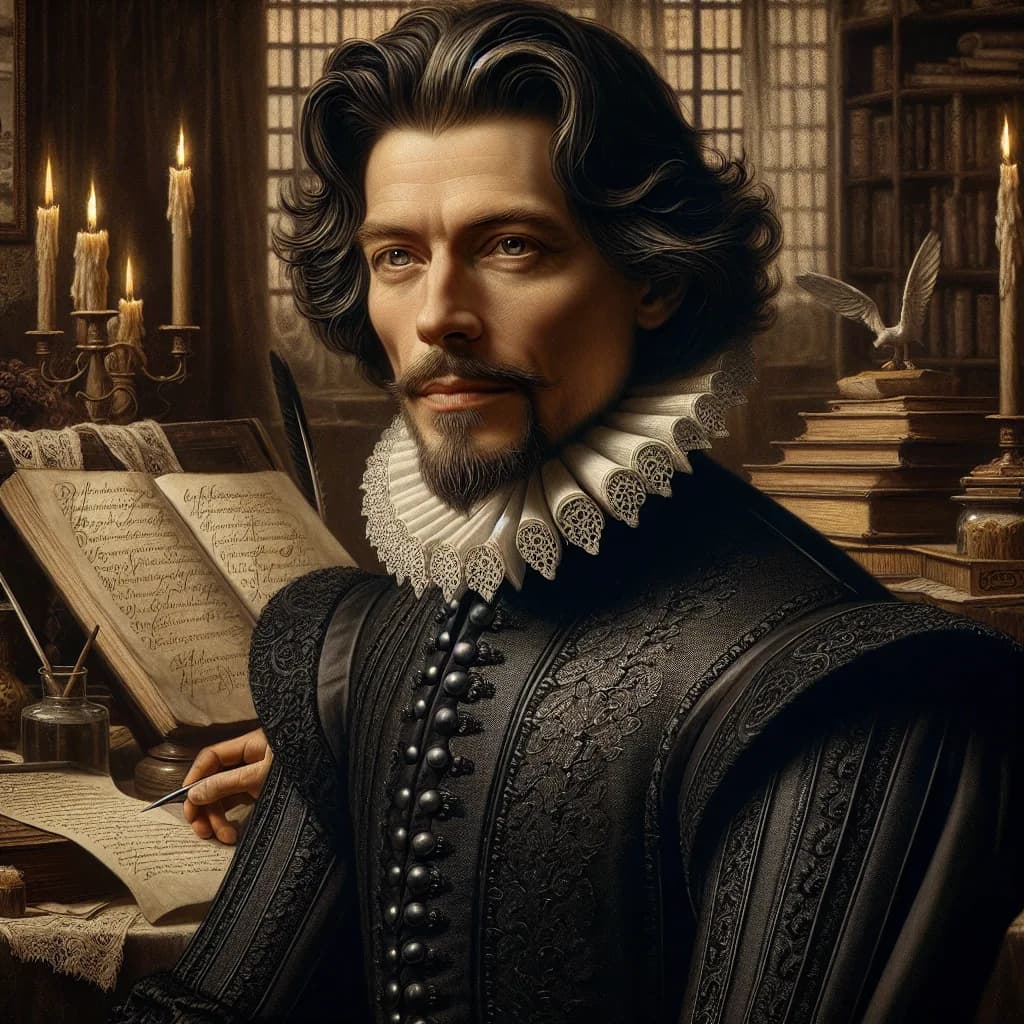
A celebrated English playwright and poet, renowned for his profound influence on literature and drama.
16First appears in Chapter 16
An elderly, devoted man, deeply attached to his only son, Edmond Dantès.
17First appears in Chapter 17
A high-ranking church official known as Cardinal Rospigliosi.
18First appears in Chapter 18
A thoughtful physician, summoned to tend to the ill prisoners of the Château d'If.
19First appears in Chapter 19
A meticulous notary, responsible for managing legal documents and property transactions.
25First appears in Chapter 25
Gaumard is the captain of the Pharaon.
29First appears in Chapter 29
A wealthy and influential Spanish banker who plays a key role in shaping Danglars’ fortunes.
30First appears in Chapter 30
Gaetano, the loyal and attentive steward aboard the yacht, assisted the captain and guests with their needs.
31First appears in Chapter 31
Nestor is referenced as a figure renowned for his wisdom in ancient Greek mythology.
31First appears in Chapter 31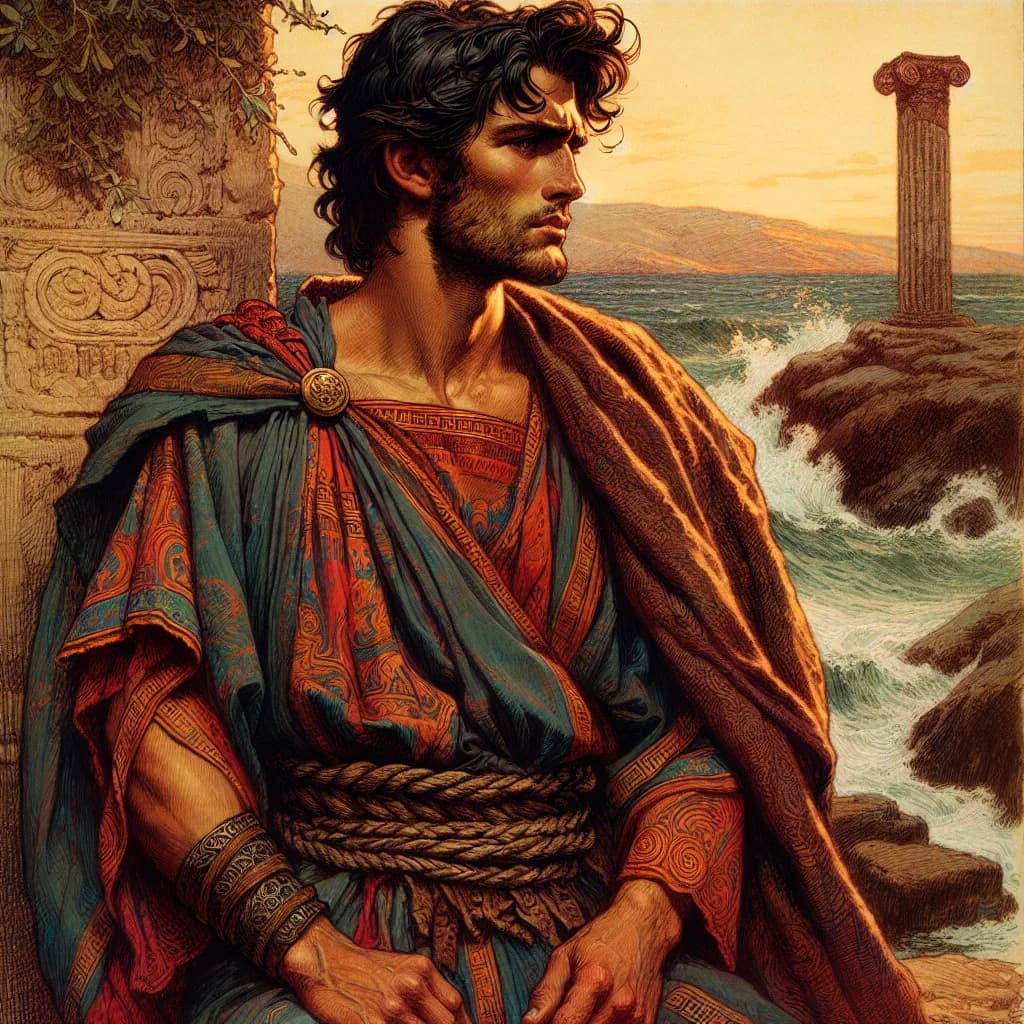
A legendary Greek hero, famed for his cleverness and prudence.
31First appears in Chapter 31
A young orphan girl from Valmontone, gentle and watchful as she tends her flock.
33First appears in Chapter 33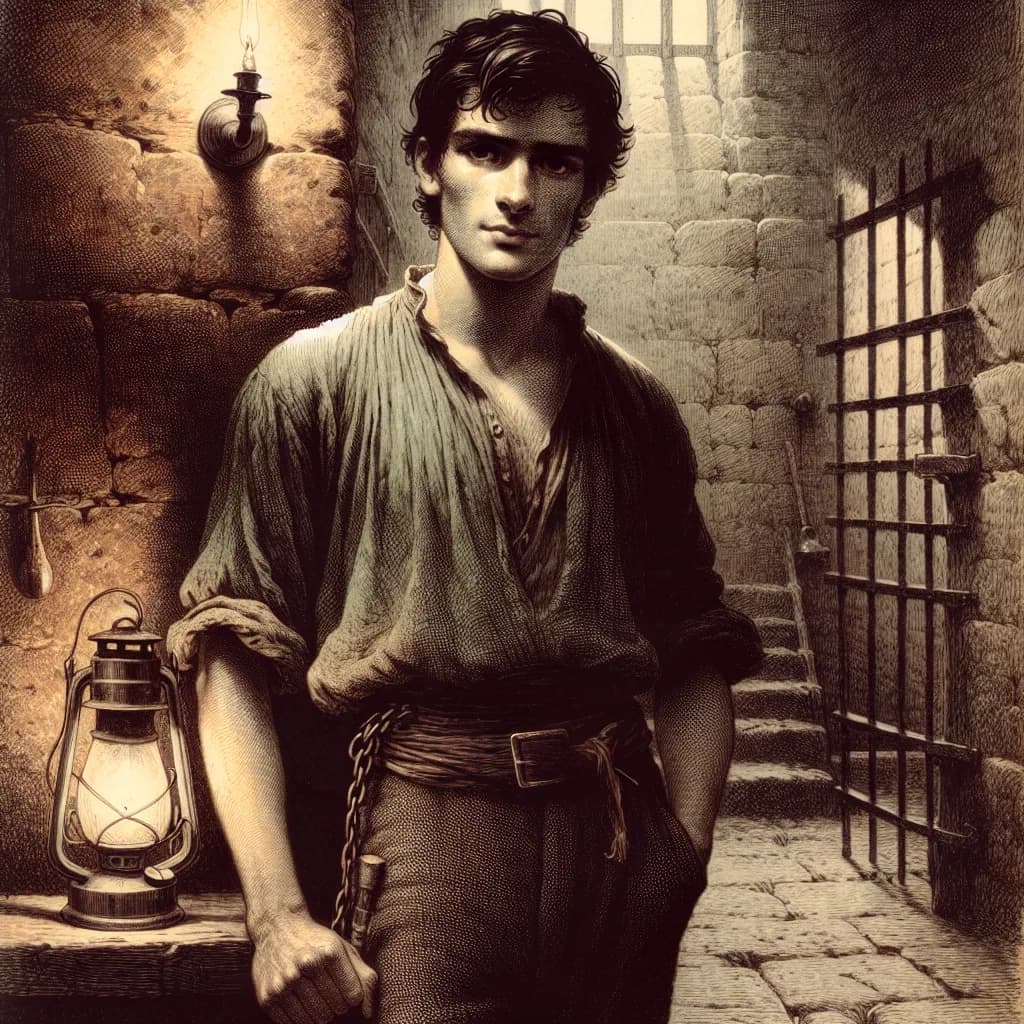
Beppo is a servant who works in the prison and assists the staff.
34First appears in Chapter 34
Don César Torlini, a respected and elderly canon of the church of St. John Lateran, is introduced as a venerable and exemplary priest.
34First appears in Chapter 34
A powerful and influential cardinal, Richelieu is a commanding presence in the politics of France.
35First appears in Chapter 35
A distinguished Italian nobleman known for his elegance and lavish gatherings.
36First appears in Chapter 36
A dignified, intelligent-looking bandit, known among his companions as Cæsar.
37First appears in Chapter 37
Grisier, a skilled fencing master, is welcomed among the company in the house.
39First appears in Chapter 39
Arstein & Eskeles are a prominent banking firm based in Vienna.
40First appears in Chapter 40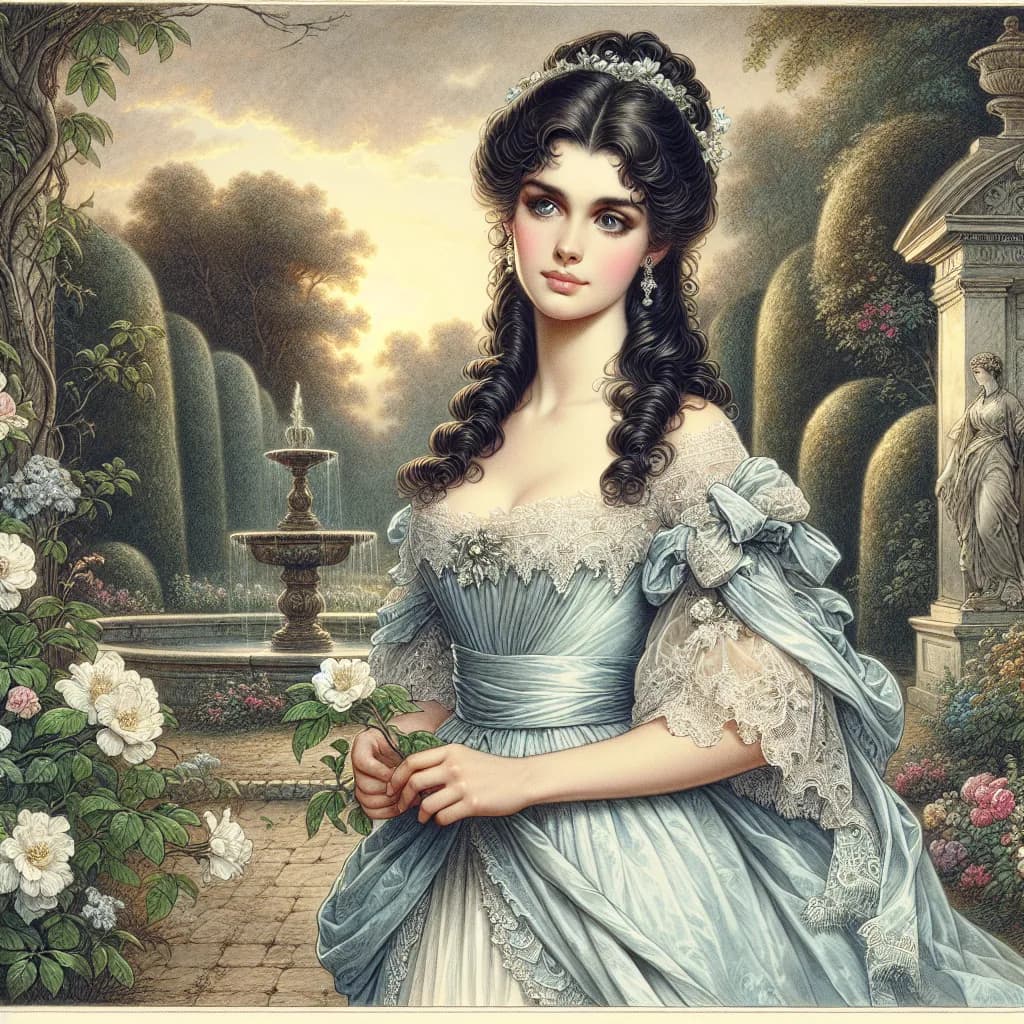

An elderly nobleman, the Marquis of Saint-Méran is a respected figure connected to the Morrel family.
43First appears in Chapter 43
Assunta is Caderousse's sister-in-law, mentioned as the person with whom he leaves part of his money.
44First appears in Chapter 44
Political supporters of Napoleon Bonaparte, often in opposition to the Bourbon monarchy.
44First appears in Chapter 44
A cautious and observant jeweller, Joannes quietly appraises his surroundings upon entering the inn.
44First appears in Chapter 44
A neighbor known for his trusting nature and habit of never locking up his purse.
44First appears in Chapter 44
A young boy, recently rescued from danger, introduced among the Saint-Méran family.
48First appears in Chapter 48
An elderly, paralyzed man, M. Noirtier de Villefort is the respected and sharp-minded father of Gérard de Villefort.
48First appears in Chapter 48
Myrtho, a loyal servant in the Count’s household, stands ready to assist whenever needed.
49First appears in Chapter 49
Madame Emmanuel Herbault, a respectable Parisian woman, is startled by an unexpected visitor.
50First appears in Chapter 50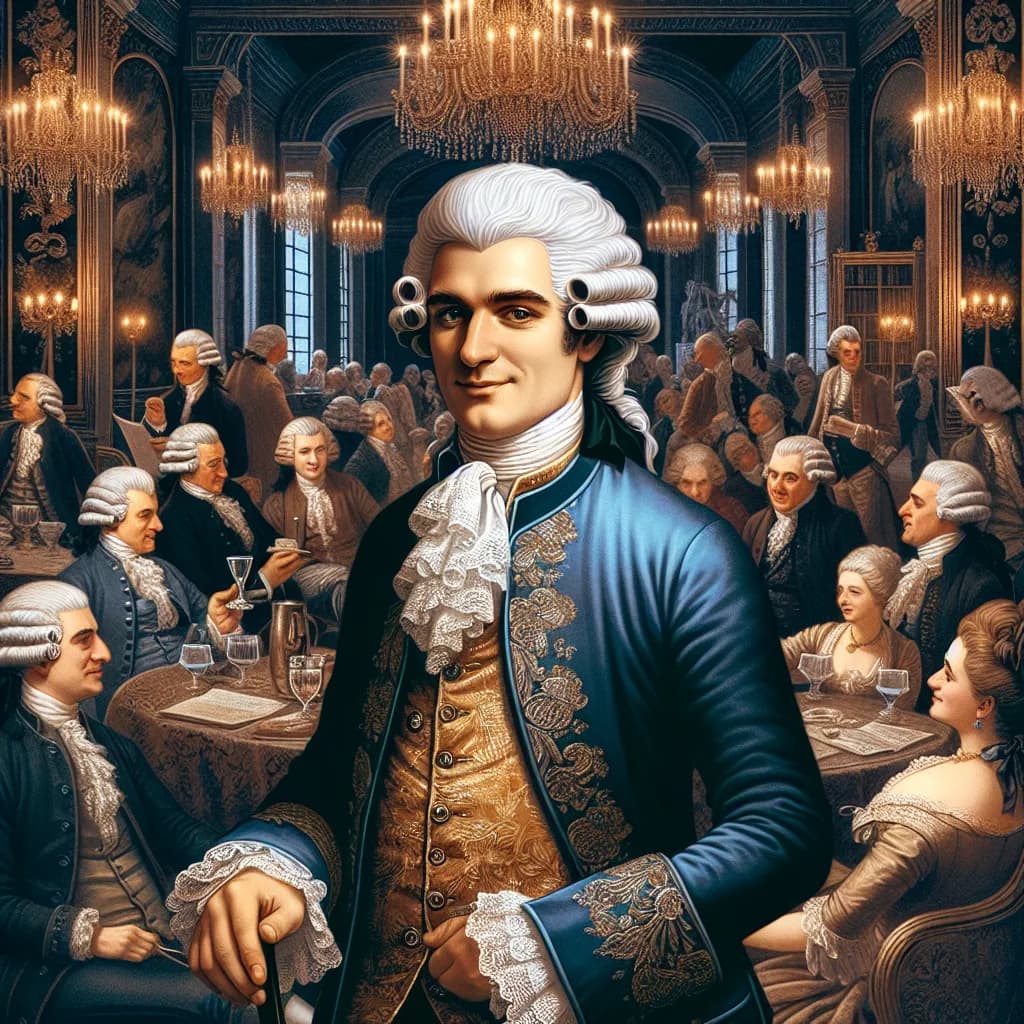
A famous French playwright and wit, known for his sharp humor and keen observations of society.
52First appears in Chapter 52

A monarch of Greece, King Otho is referenced as a sovereign authority involved in granting mining rights.
69First appears in Chapter 69
Madeleine is M. d’Avrigny’s daughter, known for her gentle and caring nature.
72First appears in Chapter 72
A young nobleman, known for his grace and courtesy among Parisian society.
72First appears in Chapter 72
A young man of striking appearance, introduced as the foundling Benedetto.
82First appears in Chapter 82
Florentin, Eugénie Danglars’s earnest and devoted brother, appears suddenly, filled with concern for his family.
85First appears in Chapter 85
Wealthy and aristocratic, M. and Madame de Saint-Méran are the dignified parents of Valentine.
101First appears in Chapter 101
Several household servants, responding quickly to a commotion on their floor.
102First appears in Chapter 102
A respected and thoughtful physician, Dr. d’Avrigny is known for his careful attention to his patients.
103First appears in Chapter 103
A distinguished and perceptive doctor, often called upon by Paris’s elite in times of crisis.
104First appears in Chapter 104
The Governor of the Bank, an influential and discerning official, oversees the institution’s financial transactions.
104First appears in Chapter 104
The president of the court, a stern and imposing figure, presides over the courtroom with an air of authority.
109First appears in Chapter 109
An attentive official entrusted with maintaining order in the courtroom.
109First appears in Chapter 109
A trusted officer of Napoleon, Marshal Bertrand is mentioned as a recipient of an important packet.
1First appears in Chapter 1
Policar Morrel is Edmond’s uncle, once a sailor and later a captain.
1First appears in Chapter 1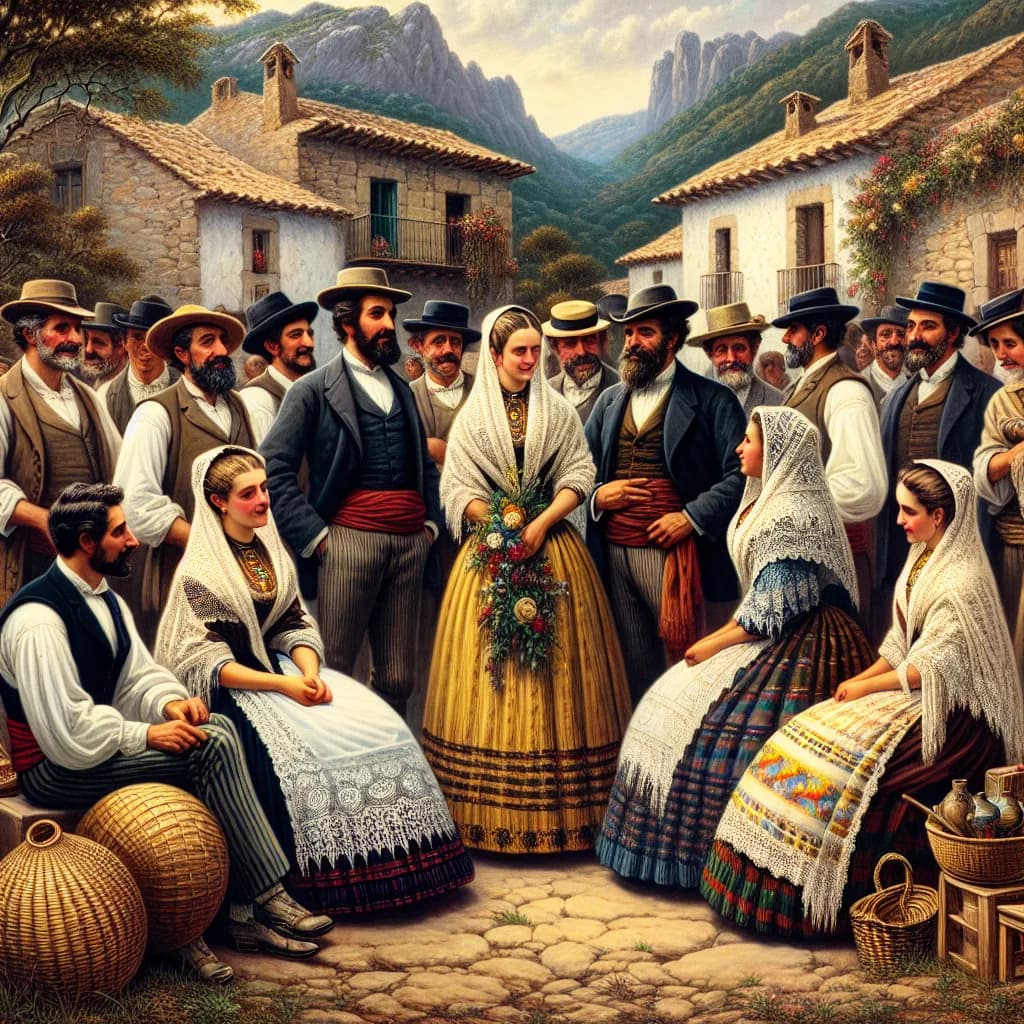
A group of Catalan people whom the characters plan to visit during their journey.
2First appears in Chapter 2
An elderly monk known for his quiet watchfulness at the local tavern.
2First appears in Chapter 2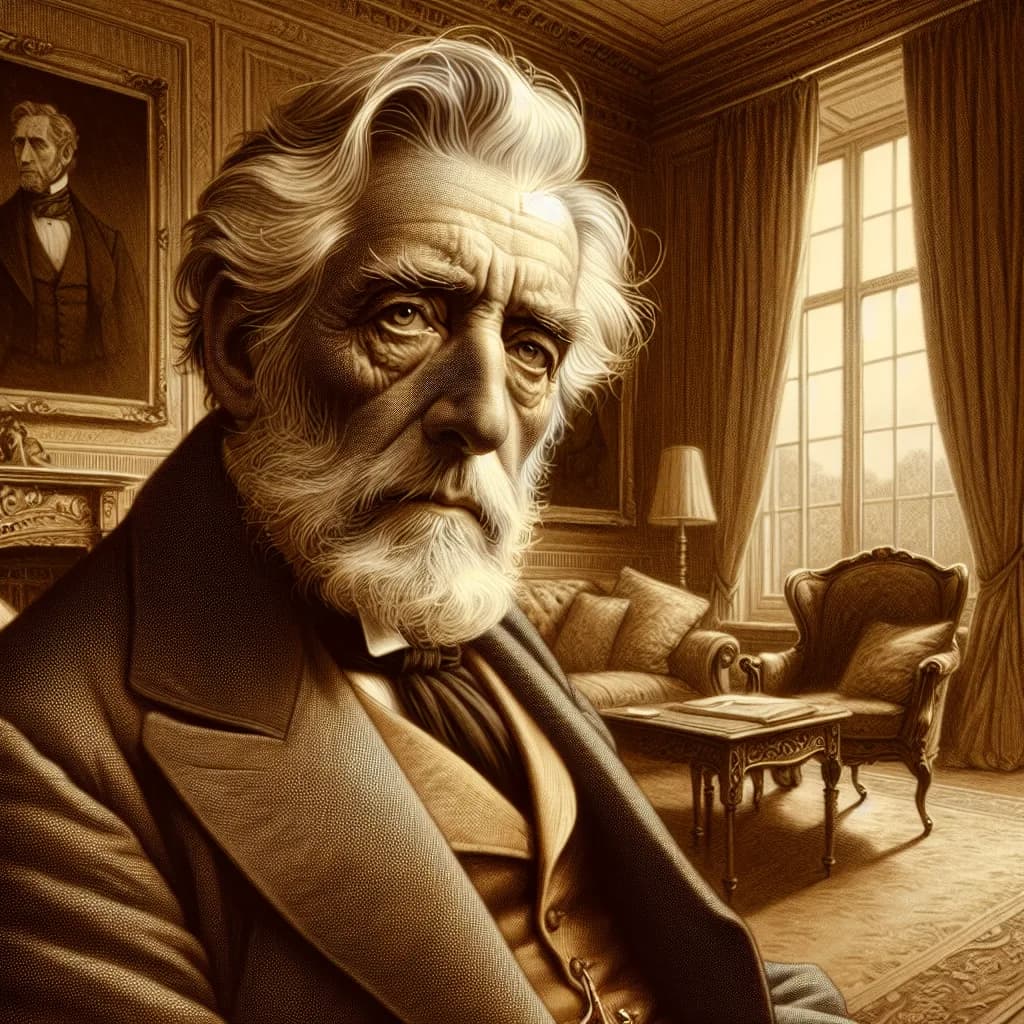
An elderly man whose presence commands the attention of everyone around him.
5First appears in Chapter 5
A respected Girondin known as Citizen Noirtier.
6First appears in Chapter 6
The Comte d’Artois, a distinguished nobleman closely tied to the royal court.
6First appears in Chapter 6
The Comte de Salvieux, an esteemed nobleman and longtime confidant of M. de Saint-Méran.
6First appears in Chapter 6
The restored monarch of France, King Louis XVIII, whose reign marks a new chapter in the nation’s history.
6First appears in Chapter 6
The imposing grand-marshal, commander of the imperial armies, entered the room with a commanding presence.
7First appears in Chapter 7
Renée, a compassionate figure whose earnest words reveal her gentle nature.
7First appears in Chapter 7
A former priest and prisoner, known as the abbé, who previously occupied the neighboring cell.
8First appears in Chapter 8
The governor is the chief official in charge of the Château d’If, overseeing the prison and its staff.
8First appears in Chapter 8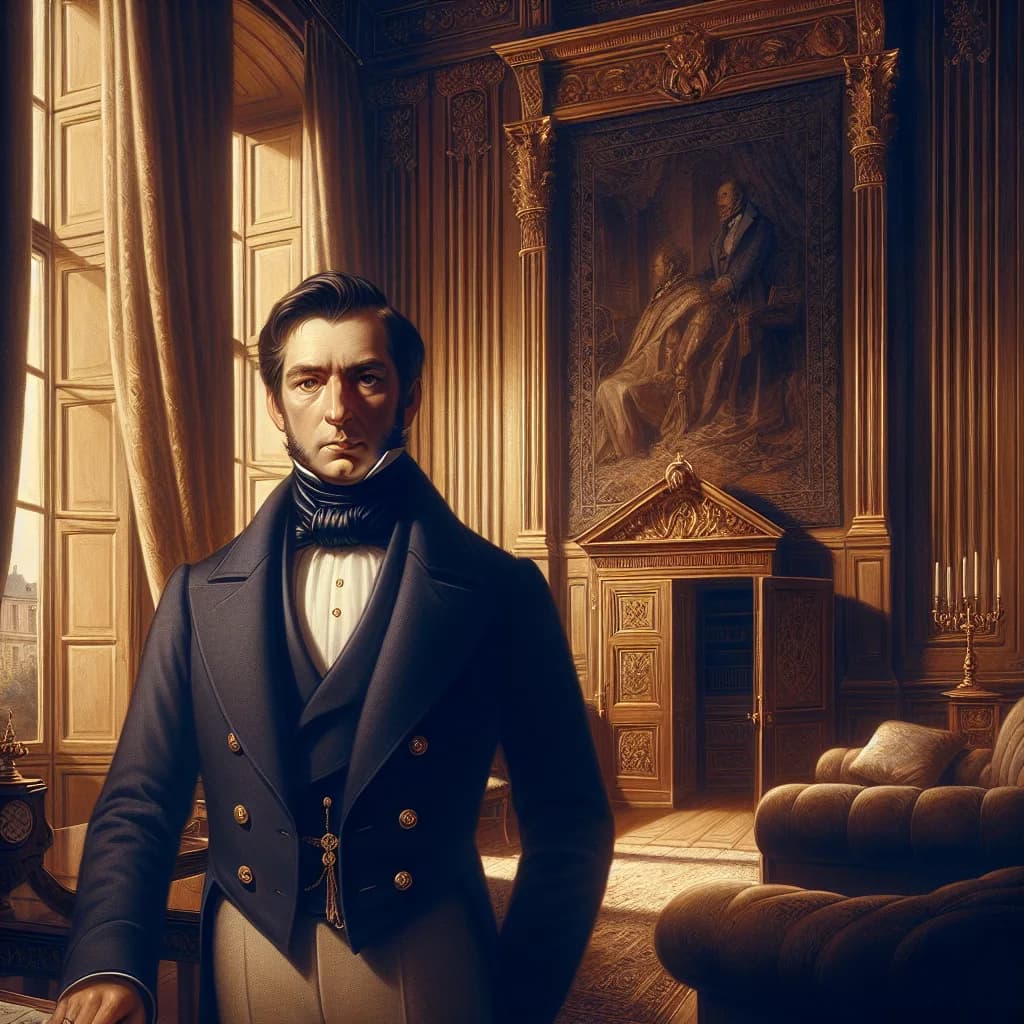
M. Dandré, a high-ranking official in the minister of police’s office, entered with quiet authority.
10First appears in Chapter 10
A distinguished young noblewoman, daughter of a loyal royal servant.
10First appears in Chapter 10
The exiled king of France, grappling with the turbulence around him.
11First appears in Chapter 11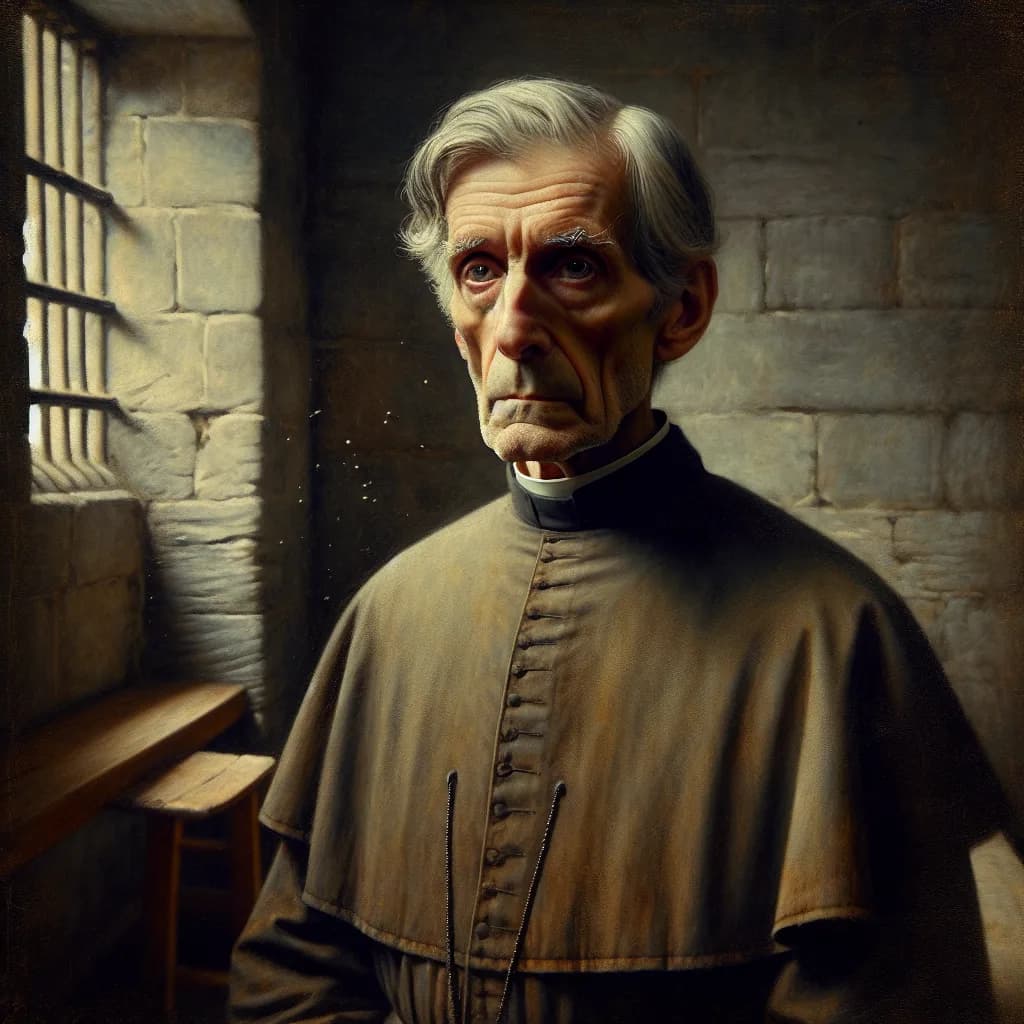
An abbé known for his imprisonment at Fort l’Evêque.
16First appears in Chapter 16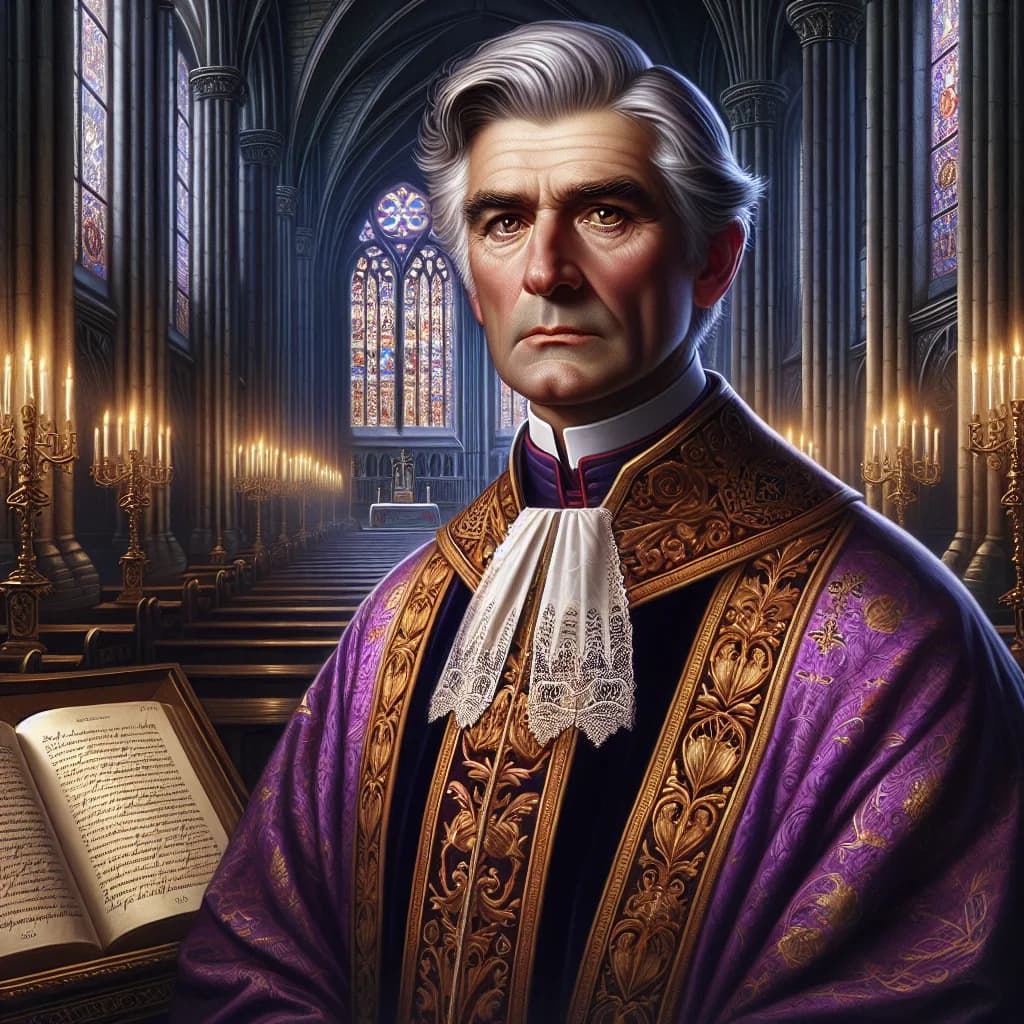
A renowned French bishop and eloquent theologian, noted for his powerful sermons and writings.
16First appears in Chapter 16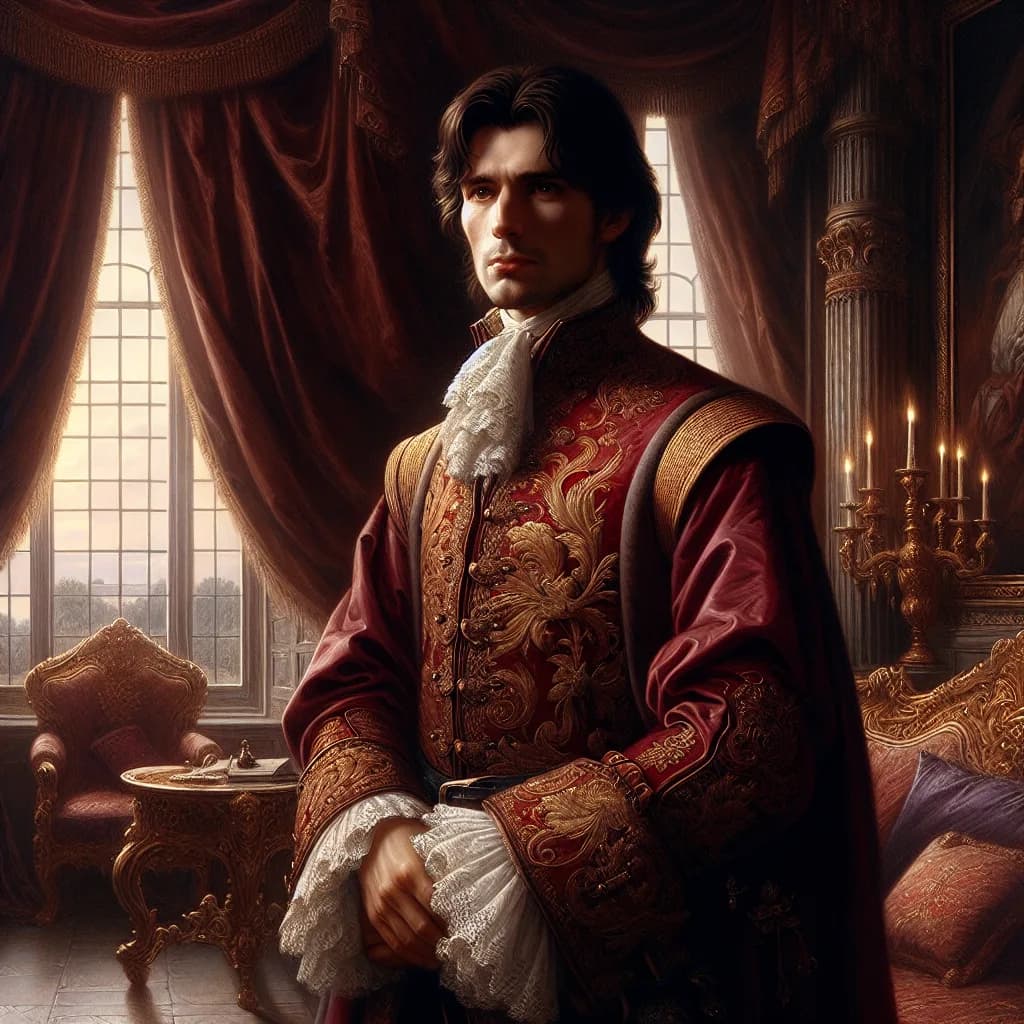
Charles I, the ill-fated King of England, whose reign marked a turning point in British history.
16First appears in Chapter 16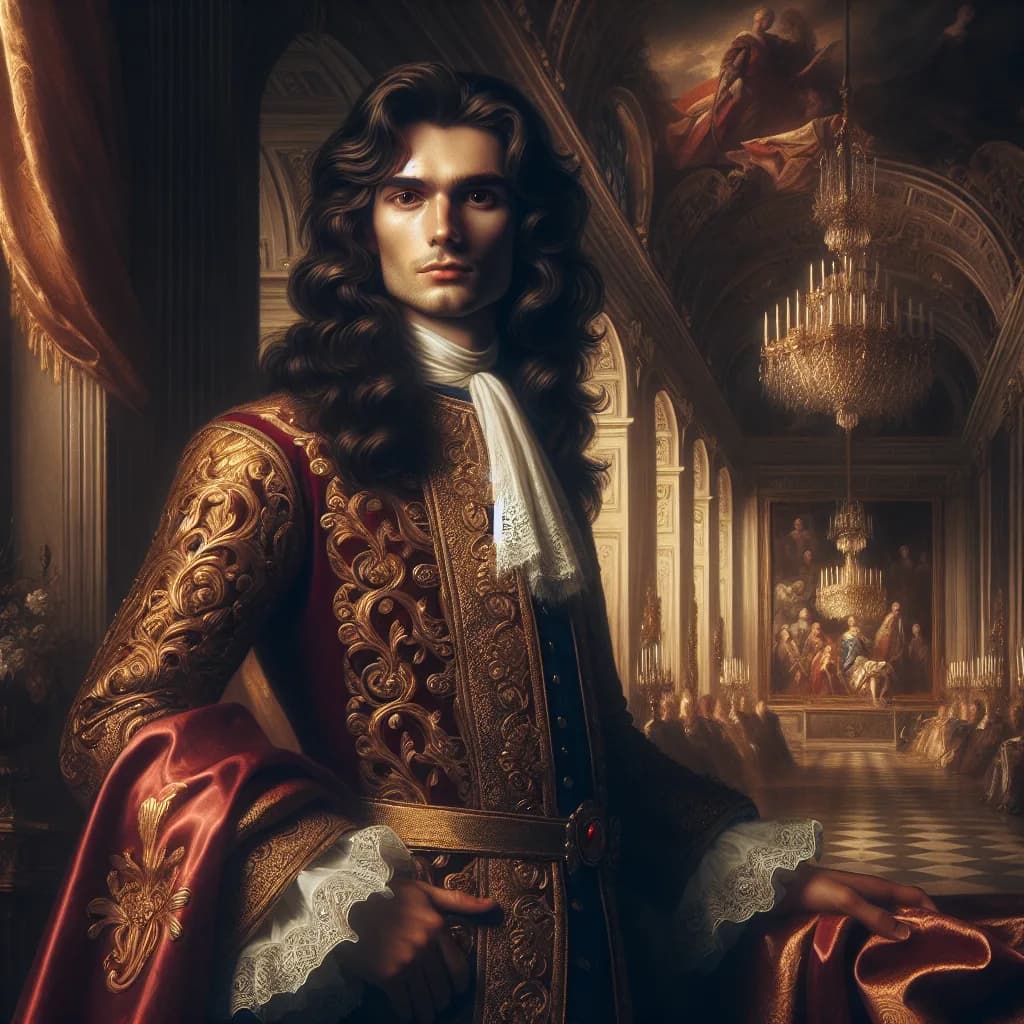
A former king of England known for his return to the throne after years of exile.
16First appears in Chapter 16
Clement VII., a former pope known for his political maneuvers, is mentioned as a historical figure involved in ambitious but unsuccessful schemes.
16First appears in Chapter 16
A stern English statesman, Cromwell is mentioned as a notable figure in the political history of England.
16First appears in Chapter 16
A prominent nobleman, recently escaped from captivity at the Château de Vincennes.
16First appears in Chapter 16

A historian whose works are among the many books in the count’s extensive library.
16First appears in Chapter 16
A notorious former prisoner, remembered for his escapes from the Bastille.
16First appears in Chapter 16
A renowned chemist, known for his groundbreaking work in the sciences.
16First appears in Chapter 16
Louis XVI, the former king of France, whose reign ended during the French Revolution.
16First appears in Chapter 16
A famed Italian philosopher and statesman, renowned for his writings on politics and power.
16First appears in Chapter 16
A renowned French philosopher and essayist, celebrated for his reflections on human nature.
16First appears in Chapter 16
Napoleon II, the young son of the famous emperor, is mentioned as a potential ruler of France.
16First appears in Chapter 16
A descendant of the Dutch royal family, noted for his noble status and historical significance.
16First appears in Chapter 16
A renowned philosopher, mentioned among the most important thinkers alongside figures like Dante and Shakespeare.
16First appears in Chapter 16
A learned historian, whose works are numbered among the classics in the study of history and eloquence.
16First appears in Chapter 16
Tacitus, a renowned Roman historian, is mentioned among the classic authors whose works fill the library.
16First appears in Chapter 16
Thucydides is mentioned as one of several classical authors whose works the speaker boasts of knowing by heart.
16First appears in Chapter 16
A distinguished ancient Greek historian and soldier, renowned for his writings on history and philosophy.
16First appears in Chapter 16
The grand marshal, a high-ranking and respected official at the royal court, oversees important affairs of state.
17First appears in Chapter 17
The Queen of Etruria is a royal figure residing at her court, known for her regal presence and influence.
17First appears in Chapter 17
Guido Spada, a determined young man connected to his influential family.
18First appears in Chapter 18
The controversial and cunning pontiff whose papacy would deeply shape the Renaissance era.
18First appears in Chapter 18
The chaplain of the Château d’If, a priest responsible for the spiritual needs of the prison’s inmates and staff.
19First appears in Chapter 19
The governor of the Château d'If, a stern official responsible for overseeing the island prison.
19First appears in Chapter 19
A prison official responsible for overseeing the cells in the Château d’If.
19First appears in Chapter 19

A prison guard responsible for the cells and inmates at the forbidding Château d'If.
19First appears in Chapter 19
A philosopher and mentor, known for his unfailing optimism and belief that all is for the best in this world.
22First appears in Chapter 22
The master of La Jeune Amélie, a cautious and practical captain, oversees his crew with a watchful eye.
22First appears in Chapter 22
Captain Baldi, a seasoned and resolute leader commanding respect among his crew.
23First appears in Chapter 23
Lucius Brutus, a figure of resolute courage and ancient Roman legend.
23First appears in Chapter 23
An English gentleman and yacht owner, known for his appreciation of Genoese craftsmanship.
25First appears in Chapter 25
A skilled Genoese builder, entrusted with crafting the new dwelling.
25First appears in Chapter 25
A shrewd dealer in precious stones, known for his discretion and expertise.
25First appears in Chapter 25
An elderly man, father of Edmond Dantès.
25First appears in Chapter 25
M. de Servieux, the king’s chamberlain and a man held in high favor at court.
27First appears in Chapter 27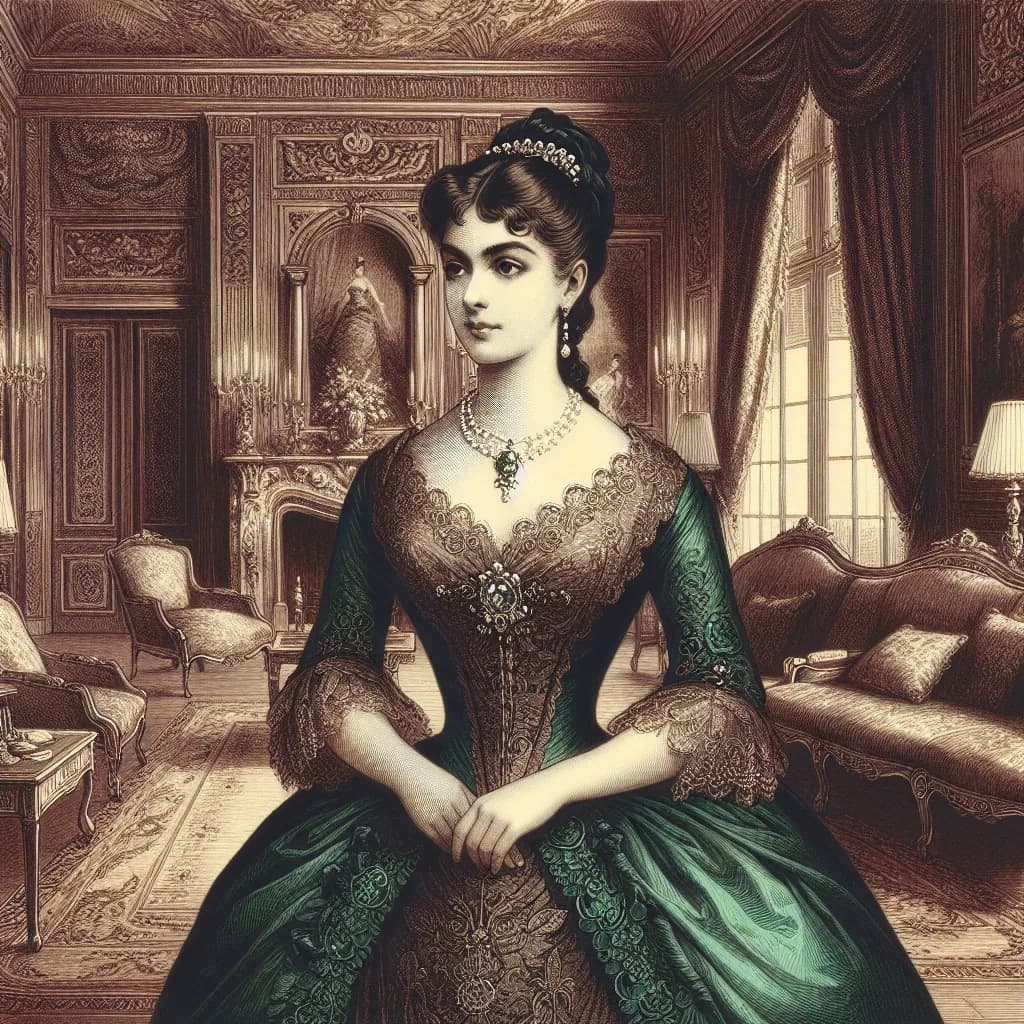
Madame de Nargonne is a distinguished widow, daughter of M. de Servieux, the king’s chamberlain.
27First appears in Chapter 27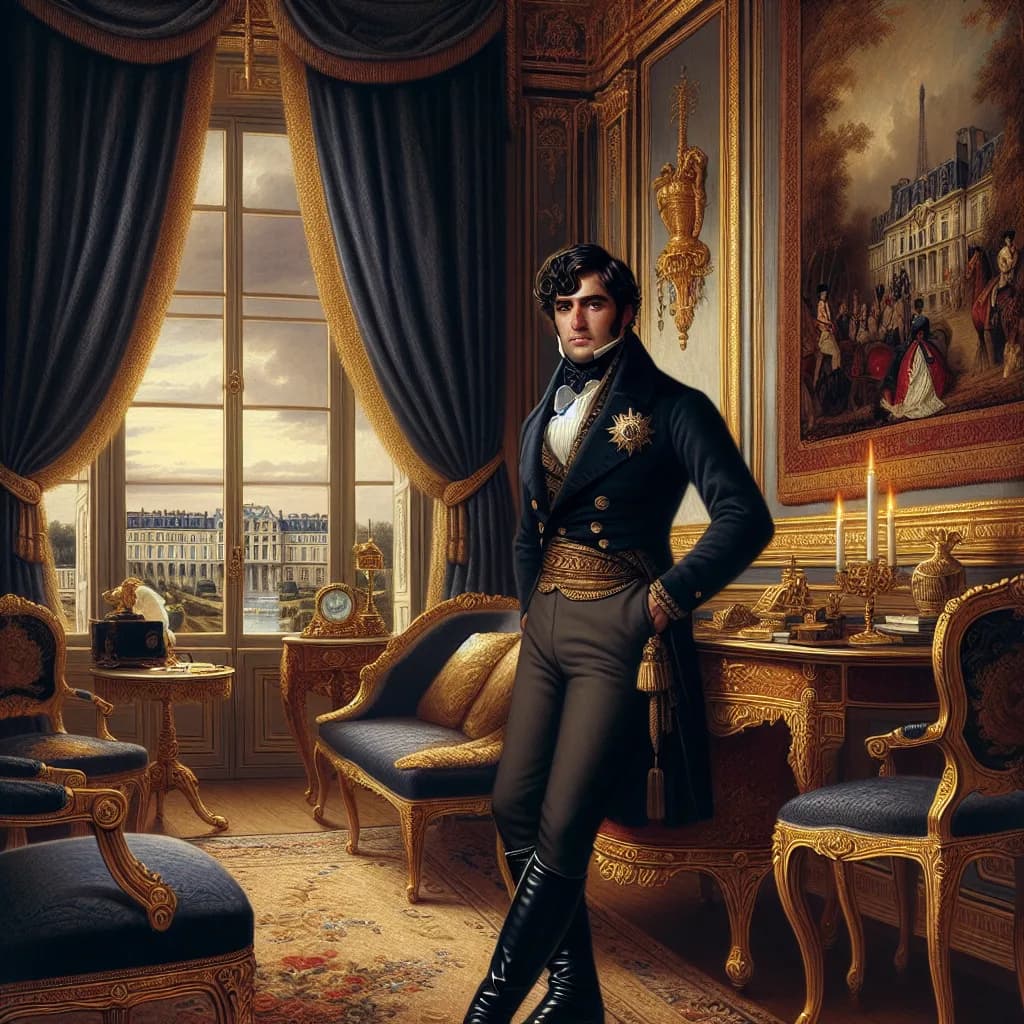
The Bourbons, the royal family restored to the French throne, are mentioned as rulers during this period of political change.
27First appears in Chapter 27
Morrel & Son is a respected shipping firm in Marseilles, known for its longstanding reputation and reliability.
28First appears in Chapter 28
Pascal is the head of a reputable financial house in Marseilles.
29First appears in Chapter 29
Wild & Turner are a business firm based in Marseilles, mentioned as one of the commercial contacts in the narrative.
29First appears in Chapter 29
The agent of Thomson & French, a discreet representative of the esteemed banking house, conducts business with quiet efficiency.
30First appears in Chapter 30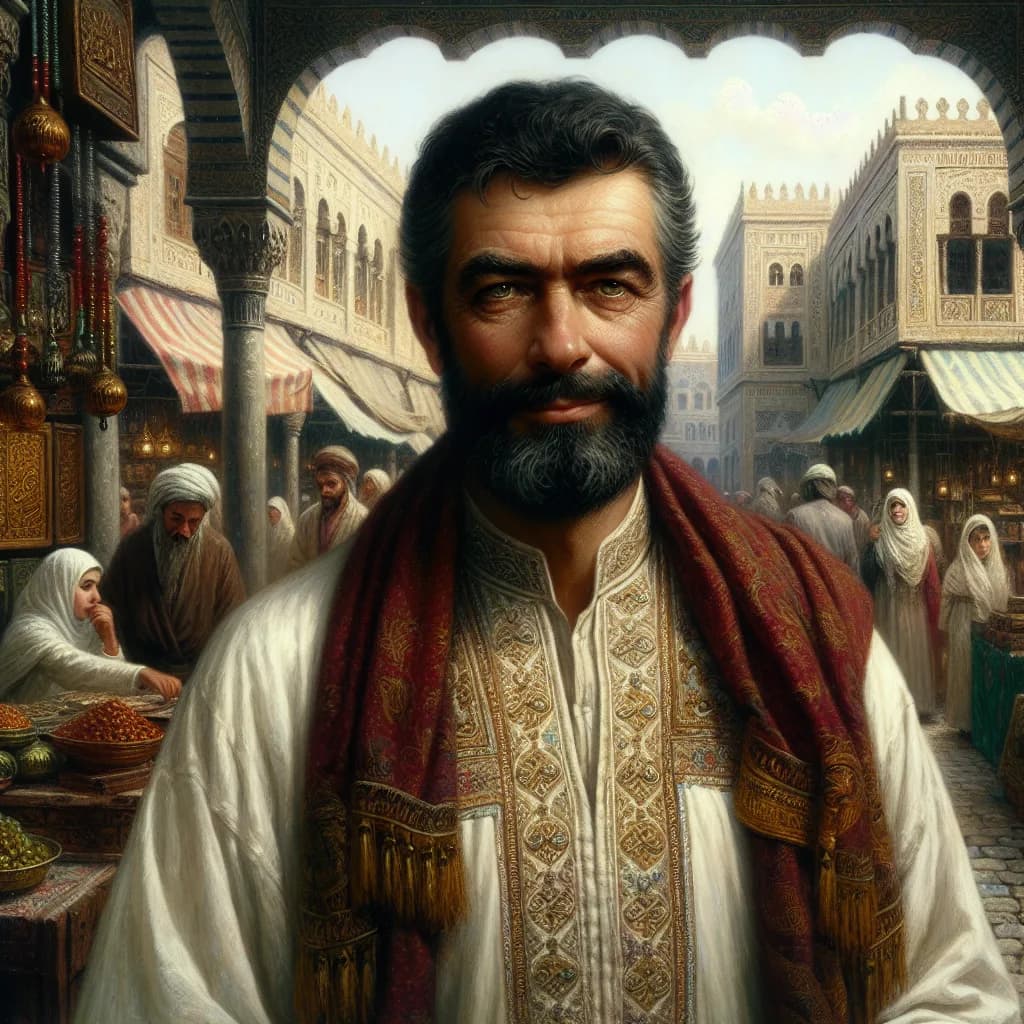
Abou-Gor, a renowned maker of hashish in Alexandria, is famed for his exceptional craftsmanship.
31First appears in Chapter 31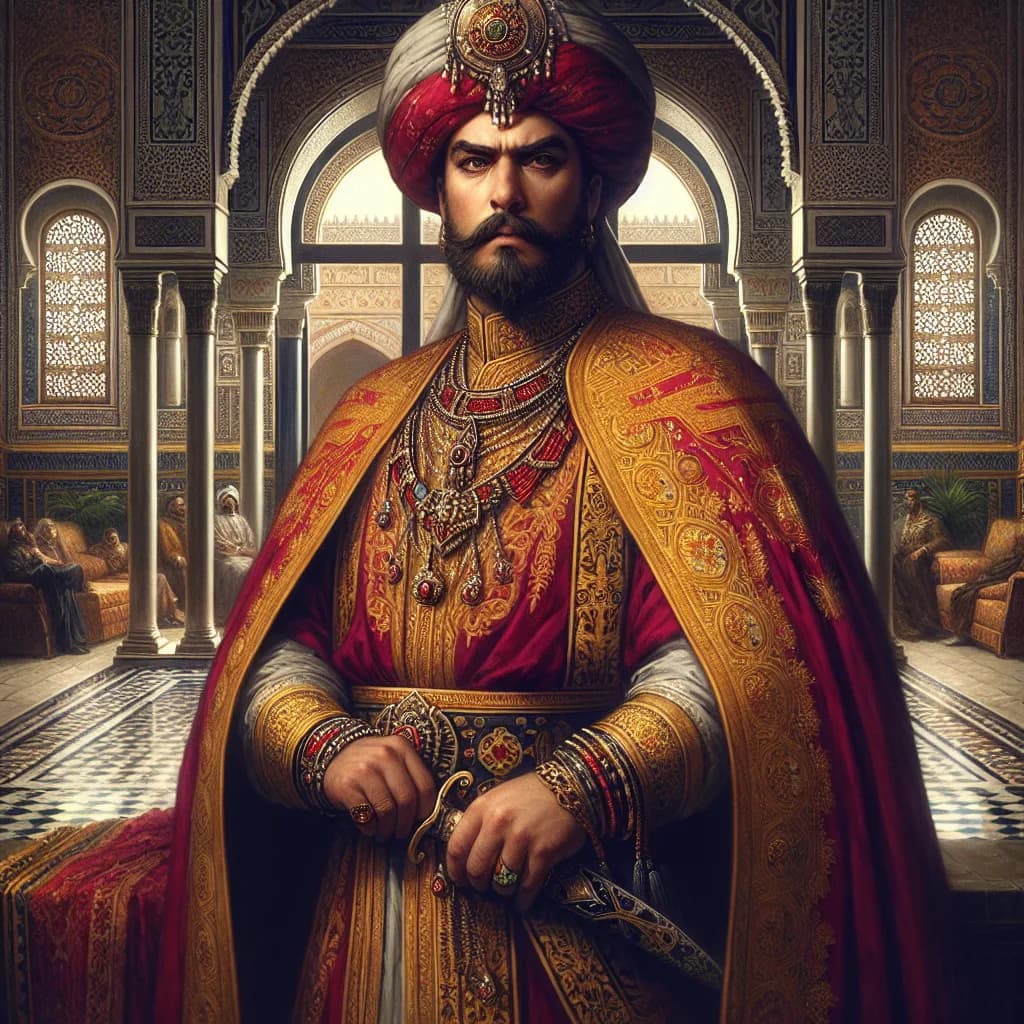
The Bey of Tunis, a powerful North African ruler, is mentioned with an air of authority and distance.
31First appears in Chapter 31
Cama, the experienced pilot of the Saint Ferdinand, is known among the sailors for his tales and skillful navigation.
31First appears in Chapter 31
Captain Marryat is a famous author of sea adventures, well-known for his thrilling tales of pirates and naval exploits.
31First appears in Chapter 31
A legendary Egyptian queen, known for her beauty and commanding presence.
31First appears in Chapter 31
An author known for thrilling adventure tales.
31First appears in Chapter 31
A diplomatic official representing France in Rome.
31First appears in Chapter 31
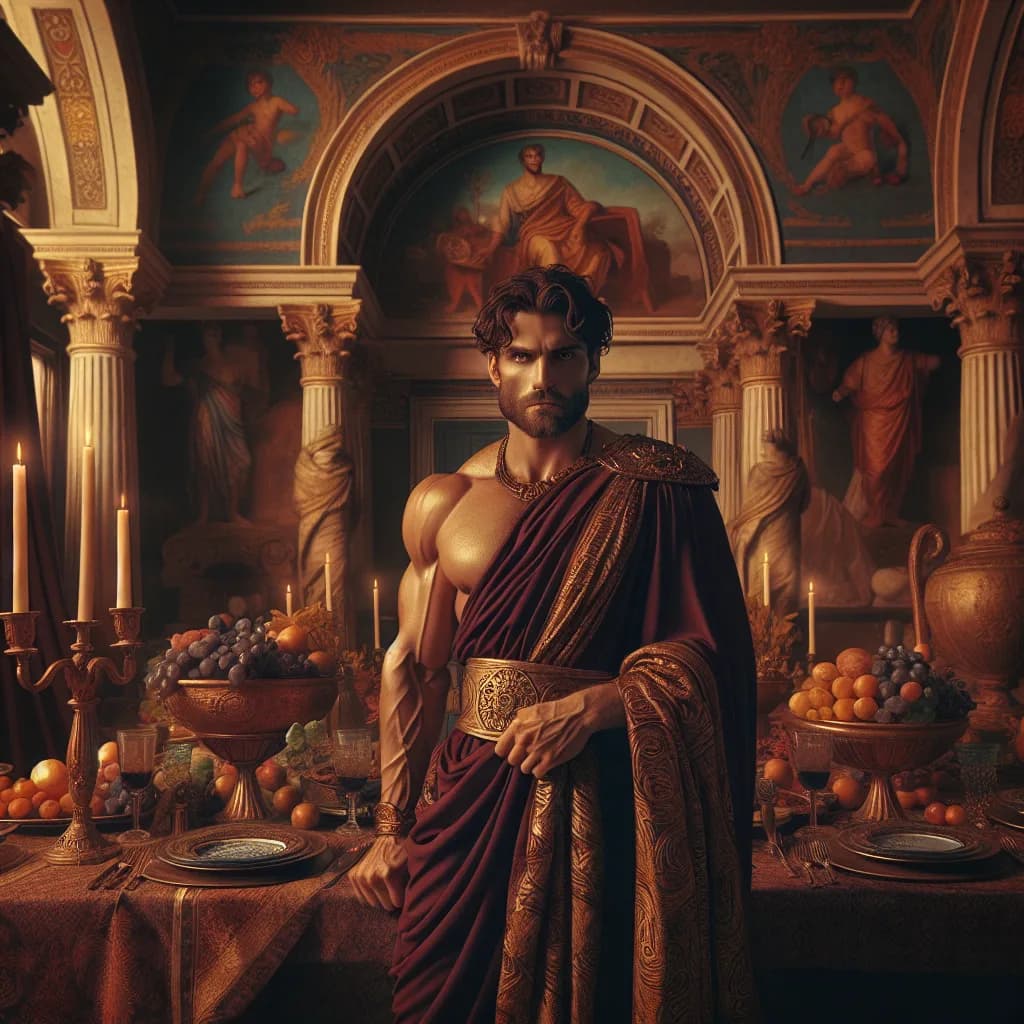
A wealthy Roman general, famed for his lavish banquets and refined tastes.
31First appears in Chapter 31
A famous Venetian traveler, Marco Polo is cited here as a source of wondrous stories from the East.
31First appears in Chapter 31
A Roman empress renowned for her striking beauty and infamous reputation, appearing amid the legendary figures of history.
31First appears in Chapter 31
Monsieur Appert is a well-known philanthropist, famous for his charitable acts and public generosity.
31First appears in Chapter 31
The former King of France, Philippe Auguste is referenced as a powerful and renowned medieval monarch.
31First appears in Chapter 31
A beautiful woman with bright, flowing hair, renowned in ancient times for her charm and allure.
31First appears in Chapter 31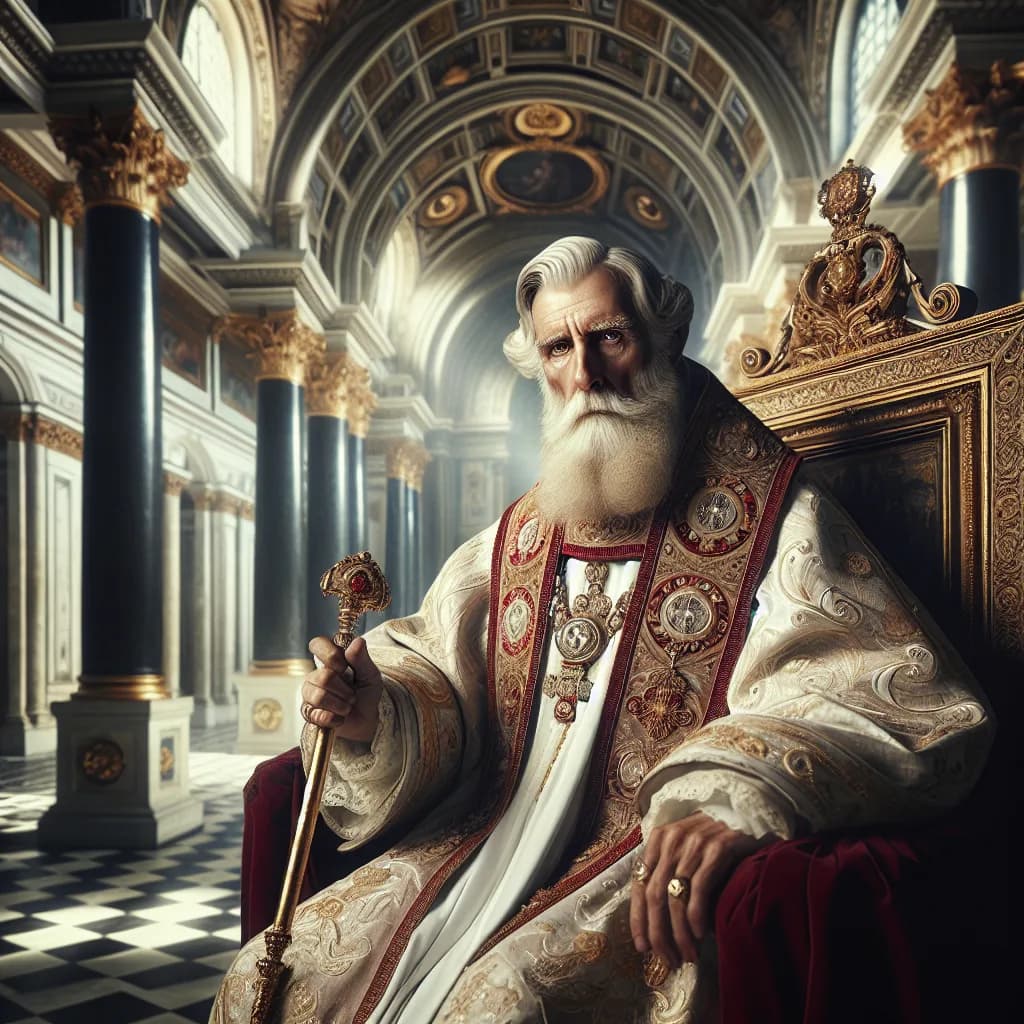
The reigning pope in Rome, Pope Leo XII is an authoritative religious figure known for his efforts to suppress lawlessness near the city.
31First appears in Chapter 31
A young man and close friend of Valentine, known for his sincere and gentle nature.
31First appears in Chapter 31
Giovanni, a servant attentive to his employer’s requests, appears ready to assist with any task at hand.
32First appears in Chapter 32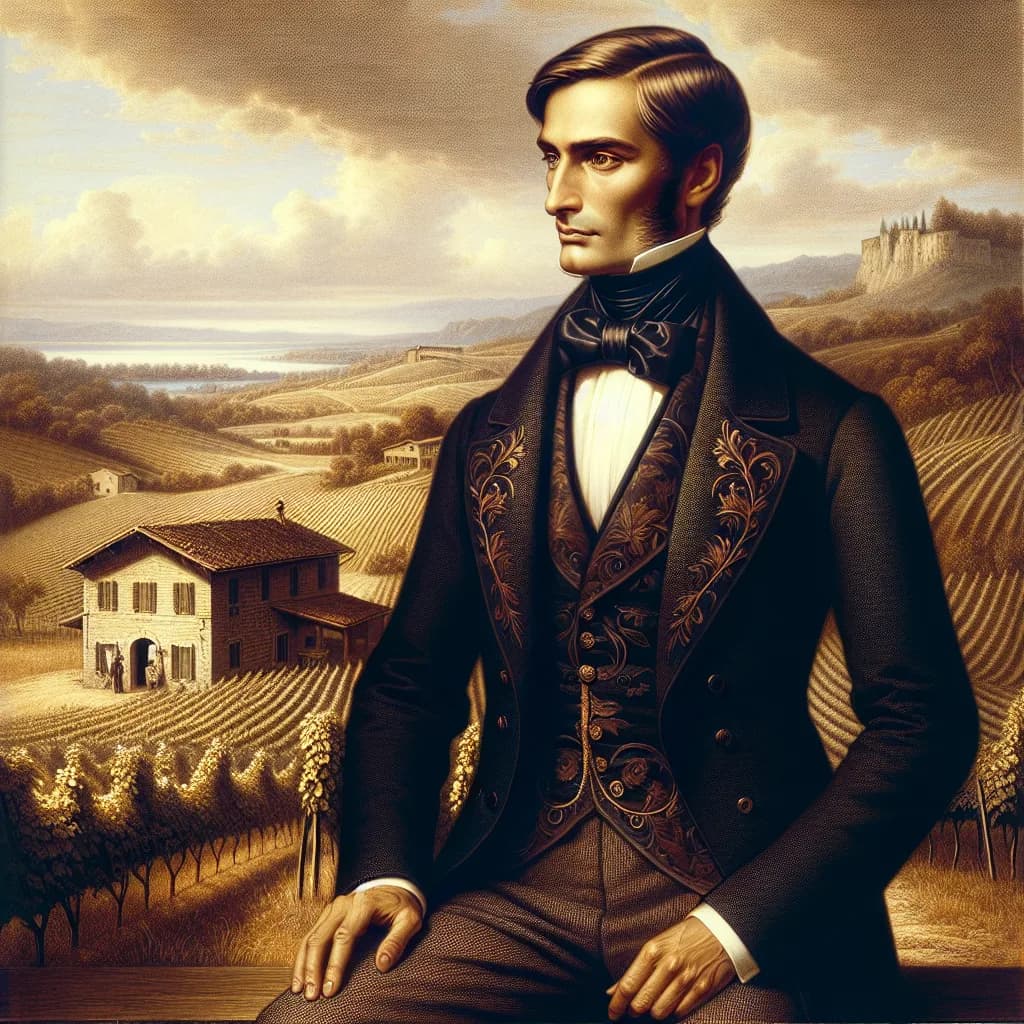
A local landowner, Baron Cervetri is mentioned in connection with the neighboring farms.
33First appears in Chapter 33
A member of Cucumetto’s band, Carlini is a young outlaw whose loyalty and passion shape his fate.
33First appears in Chapter 33
Carmela is the cherished daughter of Luigi Vampa, beloved for her youth and charm.
33First appears in Chapter 33
The Count of San-Felice is the noble owner of an estate located between Palestrina and the Lake of Gabri.
33First appears in Chapter 33
A notorious bandit leader, famed for his cunning and ruthlessness.
33First appears in Chapter 33
A notorious bandit, infamous enough that others are considered harmless by comparison.
33First appears in Chapter 33
A fierce and formidable bandit, known among his companions for his boldness.
33First appears in Chapter 33
A famous bandit leader, whose notorious reputation inspires both fear and fascination.
33First appears in Chapter 33

A mysterious figure, often spoken of in tales and whispered rumors.
33First appears in Chapter 33
Rita, the wealthy daughter of a local landowner, is mentioned among the villagers discussed by the outlaws.
33First appears in Chapter 33
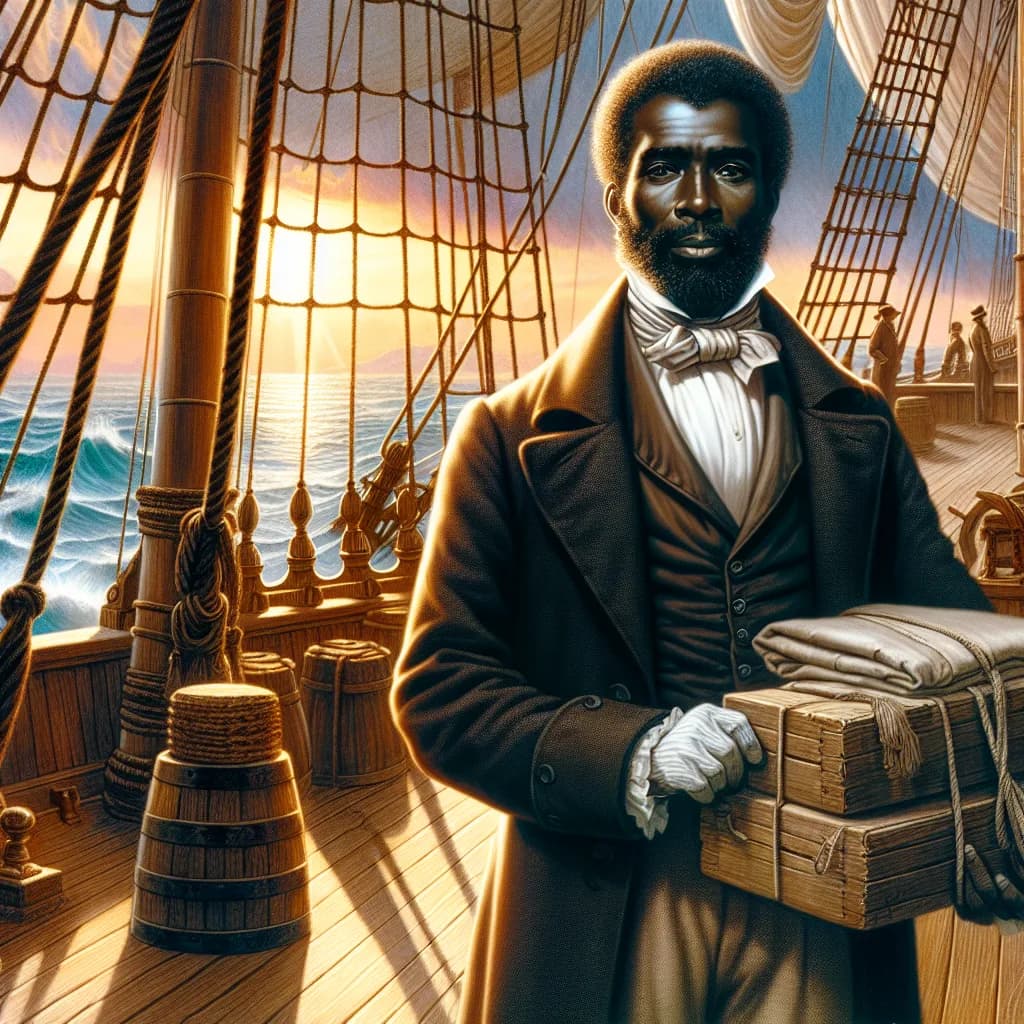
Blin, a devoted servant, dutifully assists his master among the crew.
34First appears in Chapter 34
A famous English poet, known for his romantic and adventurous spirit.
34First appears in Chapter 34
Coselli, one of the renowned singers of the day, takes the stage to delight the audience with his talent.
34First appears in Chapter 34
Humann is a renowned Parisian tailor known for his exquisite craftsmanship and stylish clothing.
34First appears in Chapter 34
A celebrated and talented singer, known to enliven the city’s theaters.
34First appears in Chapter 34
A mysterious and striking nobleman whose presence commands attention wherever he goes.
34First appears in Chapter 34
Malibran, a renowned and talented singer, is invoked here as a standard of musical excellence.
34First appears in Chapter 34
A beautiful and graceful woman admired for her classical charm.
34First appears in Chapter 34
Moriani, a performer of note, stands among the principal actors at the evening’s entertainment.
34First appears in Chapter 34

A renowned singer of great acclaim, celebrated alongside Malibran in the world of music.
34First appears in Chapter 34
A man mentioned by the viscount, known for his infamous execution.
35First appears in Chapter 35
The Count of Chalais, a historical nobleman once entangled in royal intrigues, is mentioned here as a symbol of political downfall.
35First appears in Chapter 35
An affable Italian innkeeper in Rome, always eager to please his guests.
35First appears in Chapter 35
A Russian prince known for his wealth, referred to by reputation in Parisian society.
35First appears in Chapter 35
A figure from Greek mythology, Æolus is the ruler of the winds.
36First appears in Chapter 36
Anthony is a figure invoked from art and legend, known for resisting alluring temptations.
36First appears in Chapter 36
Aquilo, a lively reveler known for his playful spirit during Carnival, takes part in the festivities alongside the other merrymakers.
36First appears in Chapter 36
A new visitor, whose presence is compared to the dramatic flair of the celebrated actor Didier, enters the scene.
36First appears in Chapter 36
An elderly and respected pope, Gregory XVI presides over the Vatican.
36First appears in Chapter 36
Odry is a popular comic actor, well-known in Paris for his humorous roles on stage.
36First appears in Chapter 36
The governor of Rome, a high-ranking official overseeing the city’s administration, is a figure whose authority grants access and privileges to select individuals.
37First appears in Chapter 37
Signor Torlonia, the brother of the duke, appears as a distinguished gentleman accompanying his sibling in society.
37First appears in Chapter 37
Aguado, a prominent financier mentioned in conversations among Parisian elites.
38First appears in Chapter 38
A genius composer whose music fills the room with its powerful emotion.
39First appears in Chapter 39
Borel is a restaurateur known for providing fine delicacies in Paris.
39First appears in Chapter 39
An influential government official, Debray is a well-connected and fashionable figure in Parisian society.
39First appears in Chapter 39
A frequent guest in the luxurious apartment, Charles Leboucher is introduced among the notable visitors received there.
39First appears in Chapter 39

A skilled boxer, friend of Monte Cristo, known for his athletic prowess.
39First appears in Chapter 39
The Duke of Reichstadt, the young son of Napoleon Bonaparte, is known for his delicate health and noble bearing.
39First appears in Chapter 39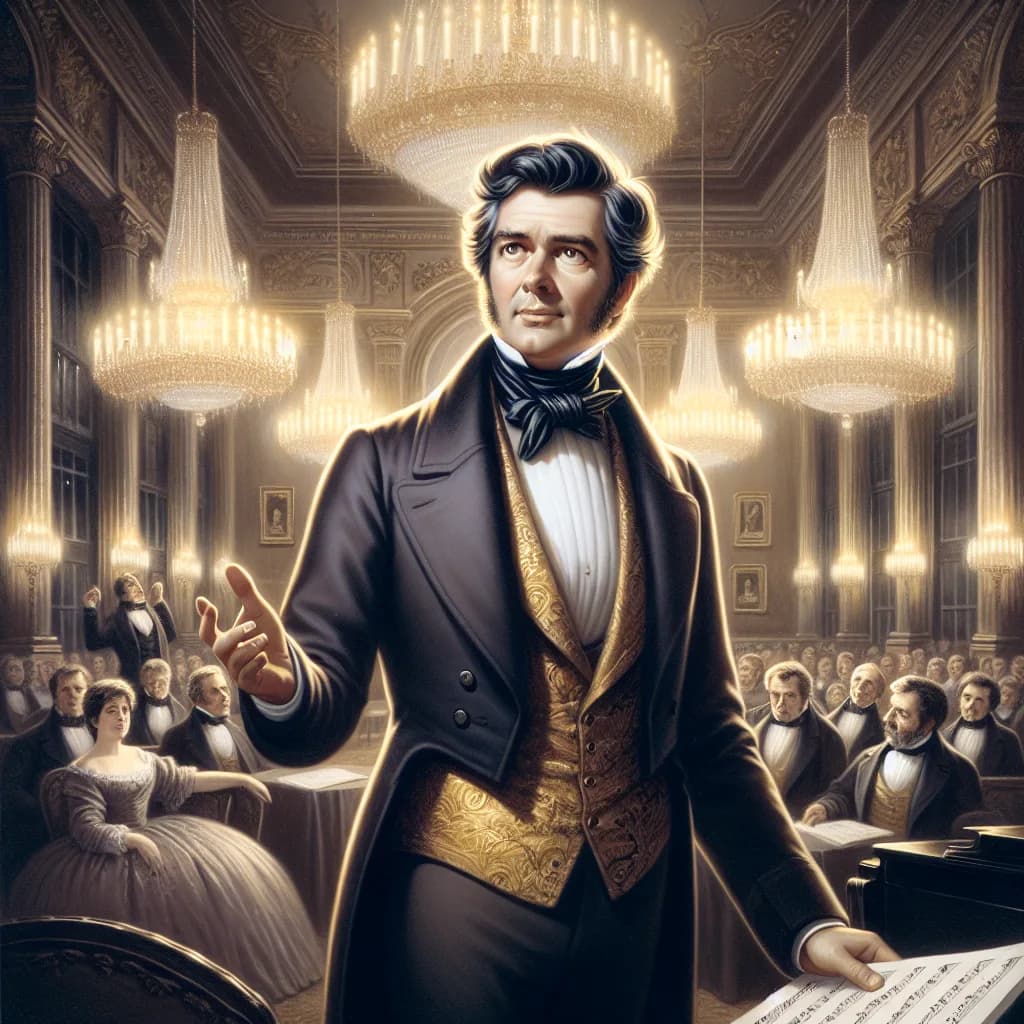
Grétry is a renowned composer whose music is appreciated by the cultured characters in the novel.
39First appears in Chapter 39
A renowned composer whose name is celebrated among the great masters of classical music.
39First appears in Chapter 39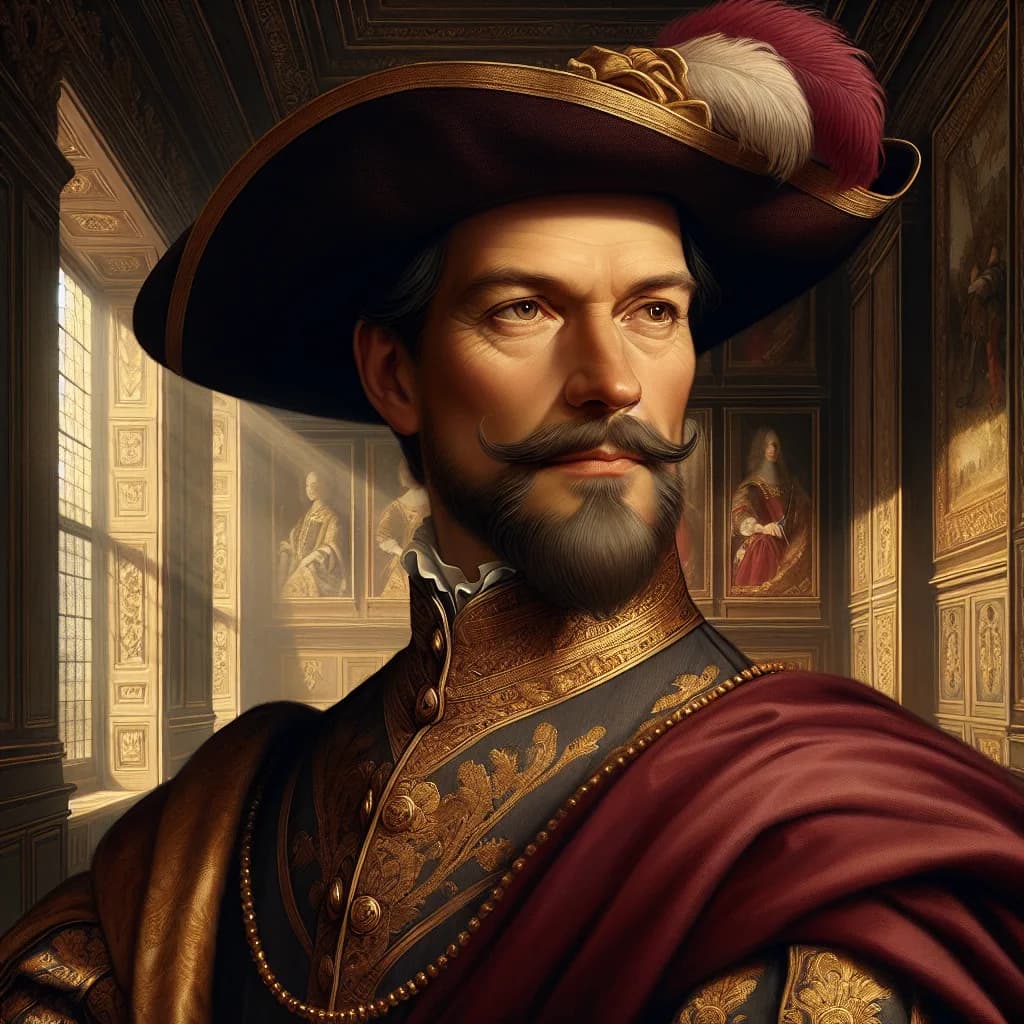
Henry IV was a former king of France, remembered for his role in bringing peace to the country after years of religious conflict.
39First appears in Chapter 39
A young English-speaking groom employed as part of Albert’s household staff.
39First appears in Chapter 39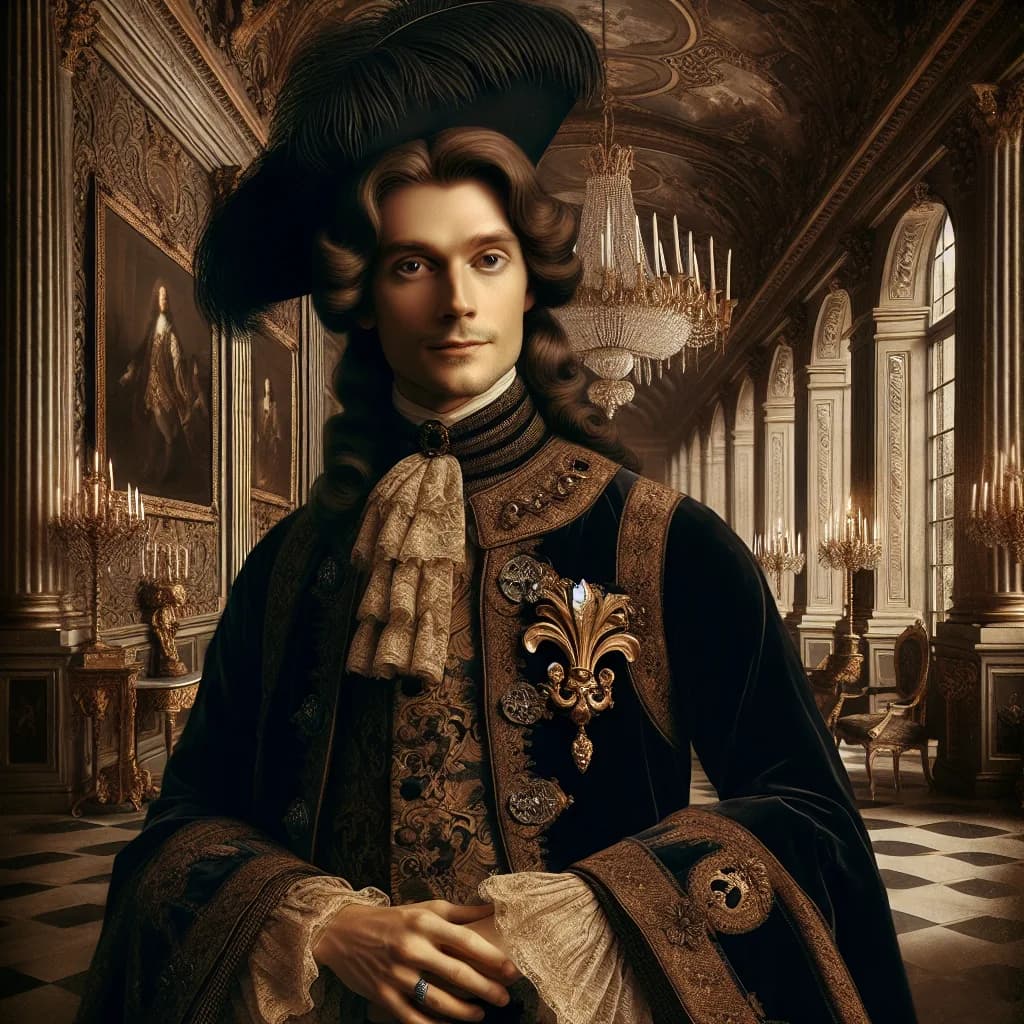
Louis XIII, the dignified King of France, whose reign helped shape the nation’s destiny.
39First appears in Chapter 39

M. Humann is an official working in the financial department, responsible for handling matters related to indirect contributions.
39First appears in Chapter 39
Mozart, a brilliant composer whose music graces the refined surroundings, is mentioned among the greatest masters of classical music.
39First appears in Chapter 39
A renowned French potter and artist, famous for his distinctive ceramic plates and creations.
39First appears in Chapter 39
Porpora is mentioned as one of several celebrated composers, his name among other great figures in music.
39First appears in Chapter 39
A fashionable and admired young royal known for his elegance and charm.
39First appears in Chapter 39
A trusted and attentive maid in the house of Madame Danglars.
39First appears in Chapter 39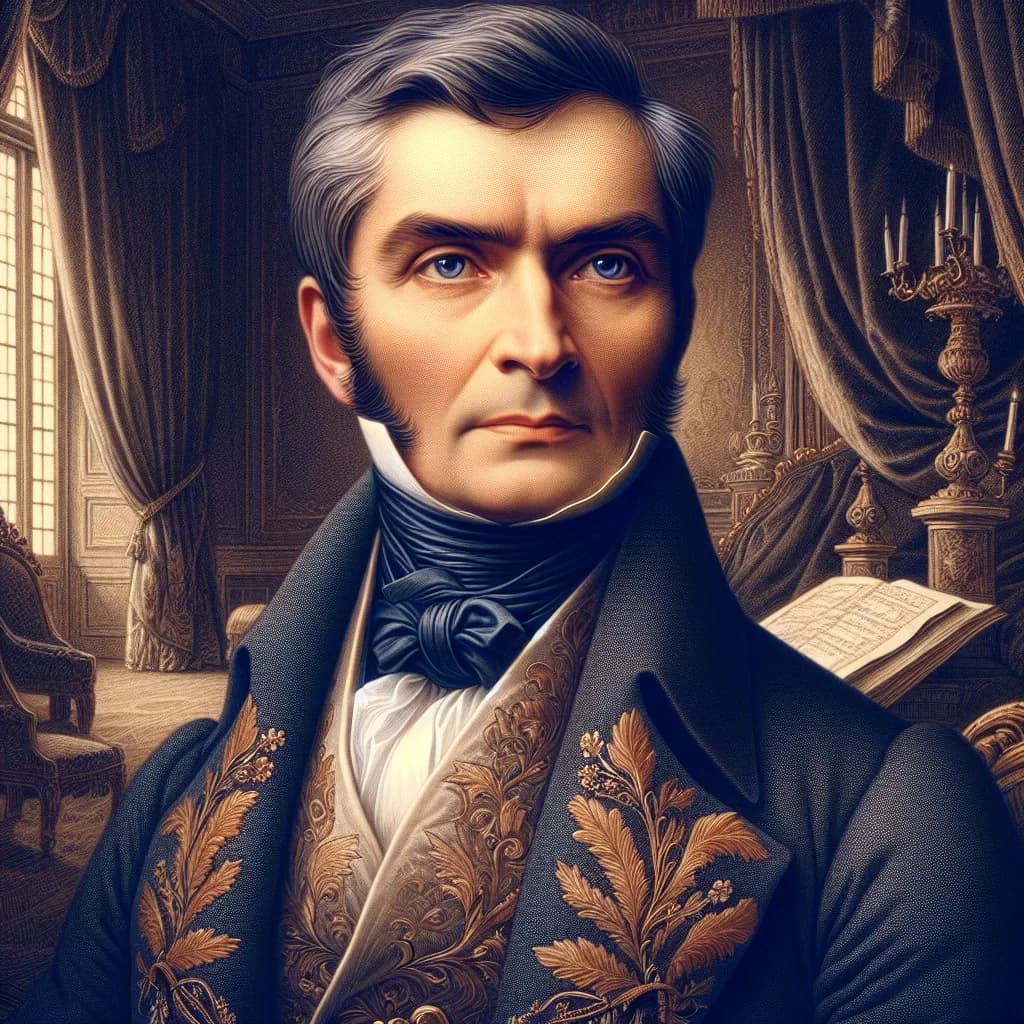
Sully, a prominent French statesman and trusted minister of King Henry IV.
39First appears in Chapter 39
Weber is a renowned German composer whose music is admired by the characters.
39First appears in Chapter 39
A devoted and loyal friend to the Morrel family, Emmanuel Herbaut is introduced as a steadfast companion in their time of difficulty.
40First appears in Chapter 40
Richard & Blount are a reputable London banking firm mentioned in financial dealings.
40First appears in Chapter 40
Graffan is one of the men known in Nîmes for participating in violent acts against suspected Bonapartists.
44First appears in Chapter 44
The Emperor Napoleon, famed ruler of France and legendary military leader.
44First appears in Chapter 44
Trestaillon is one of three feared brigands notorious for their violence in the south of France.
44First appears in Chapter 44
Truphemy is one of three notorious brigands infamous for their violent acts during political unrest.
44First appears in Chapter 44
Baring is a prominent London banker, mentioned as a trusted financial authority.
46First appears in Chapter 46
Baron Rothschild, a renowned and influential financier, is mentioned among the prominent banking houses of Europe.
46First appears in Chapter 46

De Servières is the maiden name of Madame Danglars, indicating her family background before marriage.
46First appears in Chapter 46
A prominent Parisian banker known for his trustworthiness and financial influence.
46First appears in Chapter 46

M. Delaunay is a correspondent who expresses interest in acquiring a business through a letter.
50First appears in Chapter 50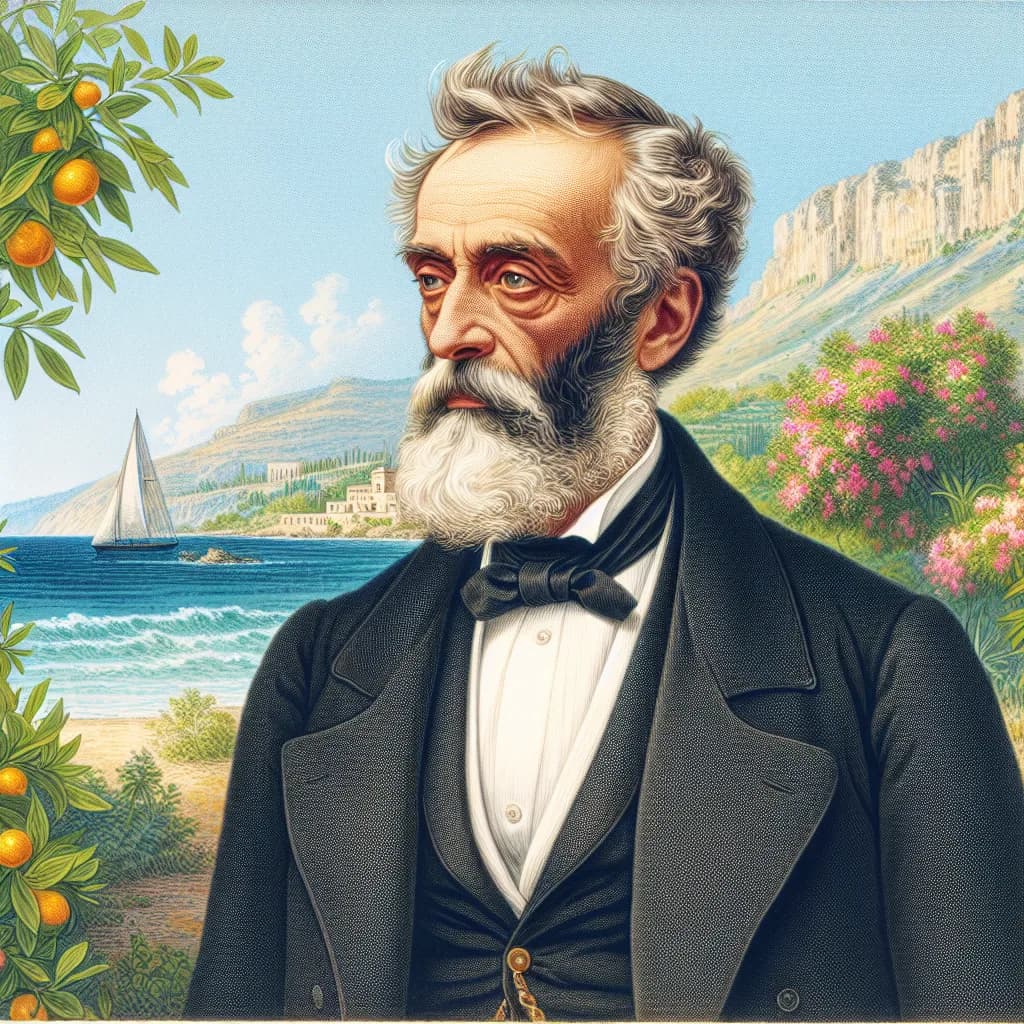
An erudite chemist from Taormina, Sicily, respected for his knowledge of natural phenomena.
52First appears in Chapter 52
A legendary figure known for his daring escapes and adventurous reputation.
52First appears in Chapter 52
The Borgias were a powerful and infamous Italian family from the Renaissance, known for their influence, ambition, and rumored use of poison.
52First appears in Chapter 52
Desrues is referenced as a notorious poisoner, known for his skill in chemistry.
52First appears in Chapter 52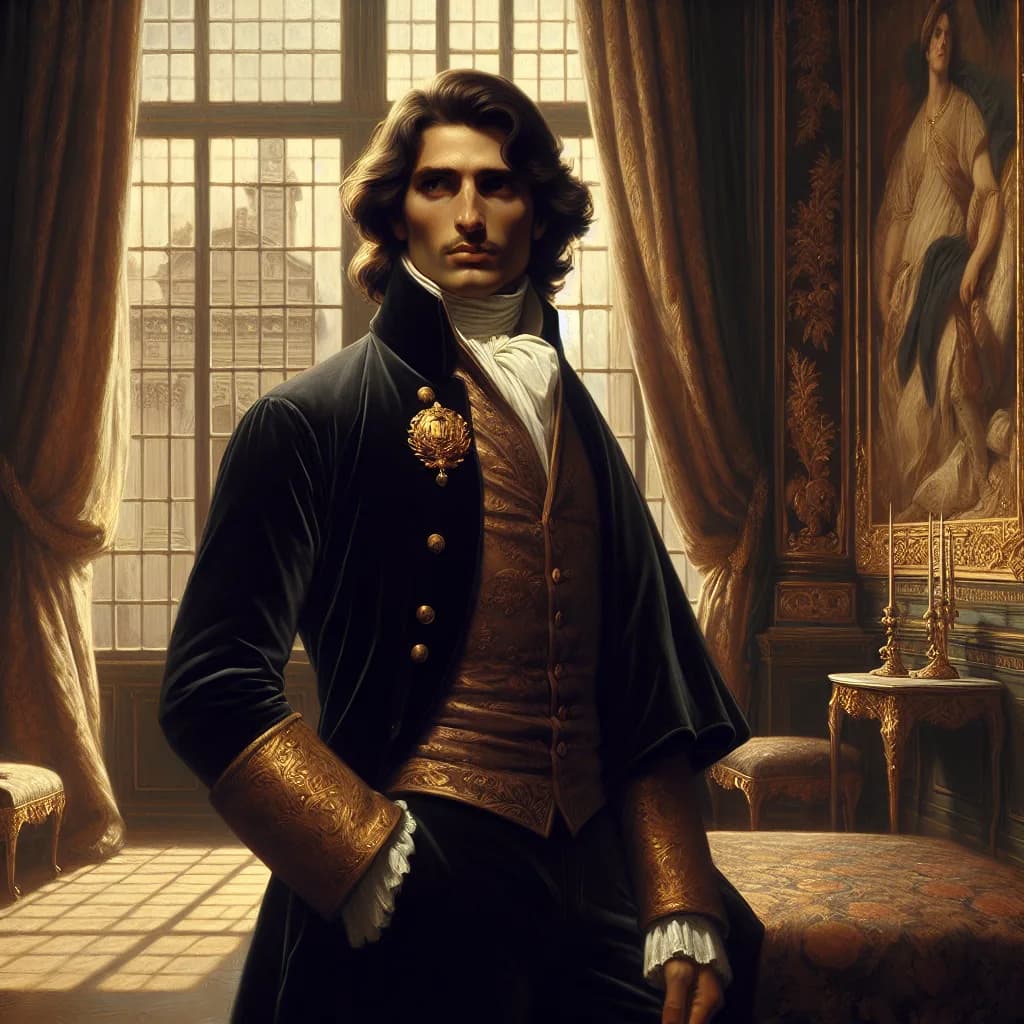
Edward IV, former King of England, whose reign and family play a shadowy role in English history.
52First appears in Chapter 52
An alchemist famed for legendary discoveries, Flamel is mentioned as a symbol of wisdom and mystery.
52First appears in Chapter 52
An eminent historical physician, mentioned as an example of great medical expertise.
52First appears in Chapter 52
A renowned philosopher whose ideas prompt deep moral questions among the characters.
52First appears in Chapter 52
The ambitious wife of Macbeth, known for her strong will and persuasive influence over her husband.
52First appears in Chapter 52
M. Flourens, a respected scientist, is known for his experiments and research in the field of physiology.
52First appears in Chapter 52
A distinguished scientist, known for his studies in physiology and medicine.
52First appears in Chapter 52
A powerful family from Renaissance Italy, renowned for their influence and rumored knowledge of potent secrets.
52First appears in Chapter 52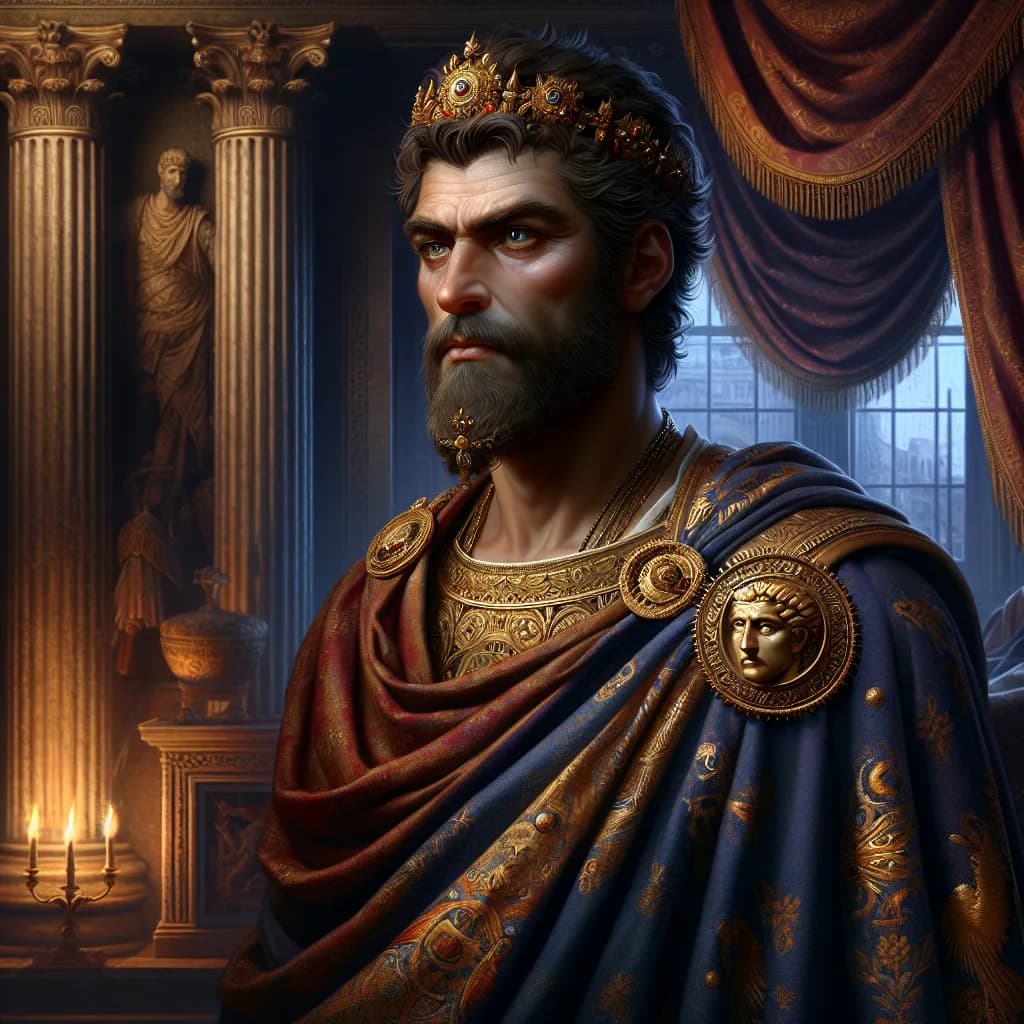
A legendary ancient king, renowned for his knowledge of poisons and fierce resistance against Rome.
52First appears in Chapter 52
A famous French playwright, renowned for his sharp wit and satirical comedies.
52First appears in Chapter 52
Monsieur Planche is a pharmacist known for providing remedies and medicines.
52First appears in Chapter 52
An acclaimed Italian Renaissance painter, renowned for his skill and influence on artists like Raphael.
52First appears in Chapter 52
A renowned Italian painter, celebrated for his masterful artistry and influence on Renaissance art.
52First appears in Chapter 52
A member of a notorious family reputed for their expertise in poisons.
52First appears in Chapter 52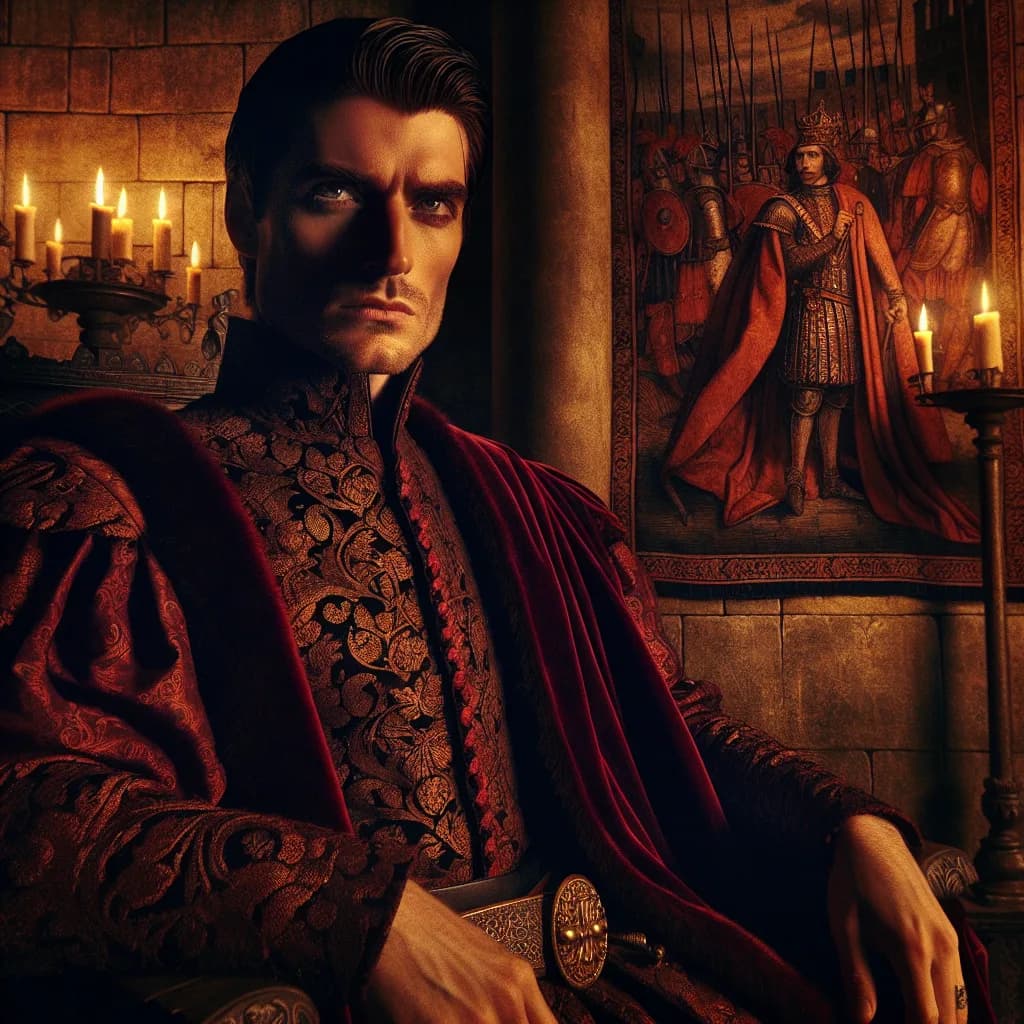
A historical English king, infamous for his ruthless ambition.
52First appears in Chapter 52
An illustrious member of a family famed for their talents in alchemy and the occult at the court of France.
52First appears in Chapter 52
A charming and well-connected young nobleman, Baron de Château-Renaud is known in society for his wit and amiable manners.
53First appears in Chapter 53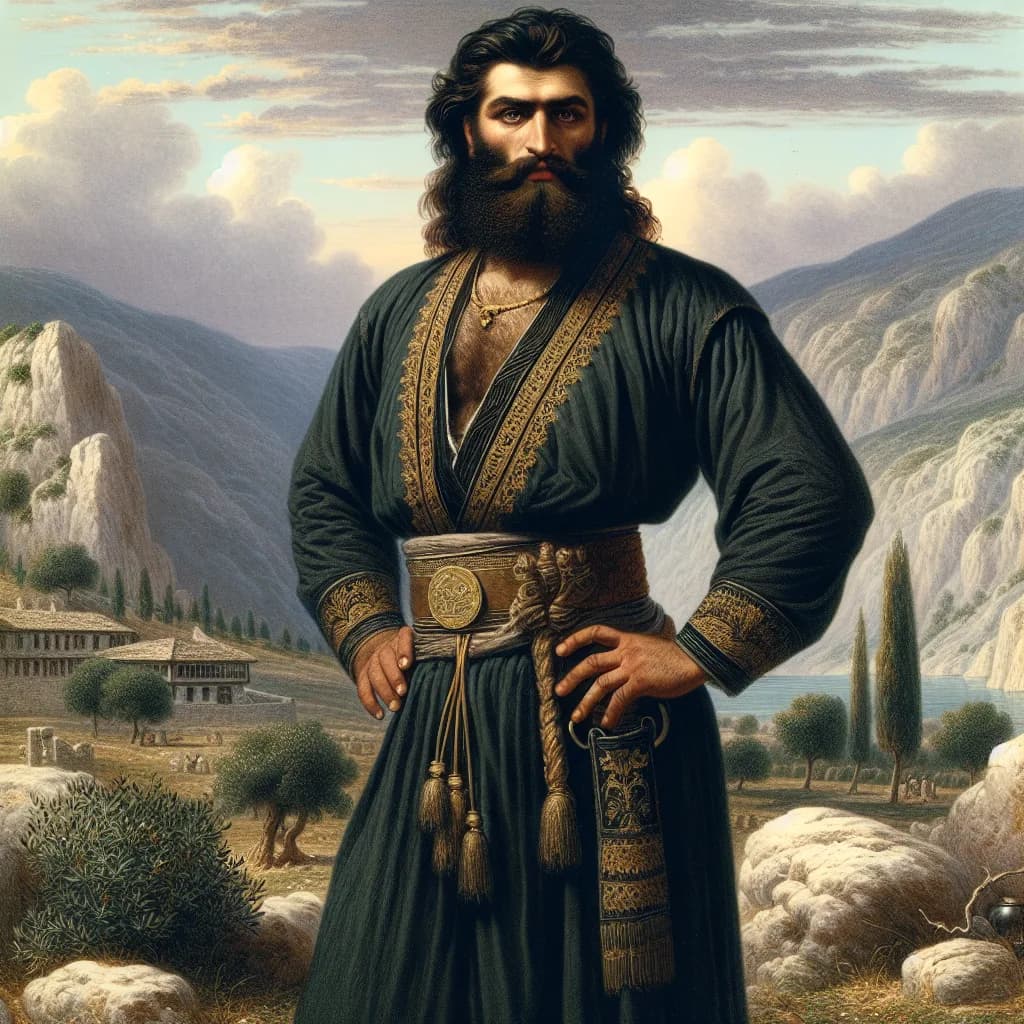
A noble Albanian leader and father to Haydée.
53First appears in Chapter 53
A princess, daughter of a royal father, known for her grace and noble bearing.
53First appears in Chapter 53
Julia, a skilled dancer, is introduced among the performers taking the stage at the theater.
53First appears in Chapter 53
A talented dancer, Leroux graces the stage alongside her peers at the evening's performance.
53First appears in Chapter 53
Noblet is a talented ballerina performing on stage at the Paris opera house.
53First appears in Chapter 53
A Spanish nobleman of royal blood, present at the festivities surrounding the Count's arrival.
53First appears in Chapter 53
A polite young man participating in the evening’s social dances.
53First appears in Chapter 53
A wealthy and fashionable woman, Madame Danglars is the influential wife of the banker Baron Danglars.
54First appears in Chapter 54
Oliva Corsinari, an elegant Italian noblewoman, enters the scene with an air of distinction.
55First appears in Chapter 55
M. Ferrea, a banker based in Nice, is introduced in correspondence concerning financial matters.
56First appears in Chapter 56

Signor Gozzi is a Florentine contact mentioned in connection with financial transactions and introductions.
56First appears in Chapter 56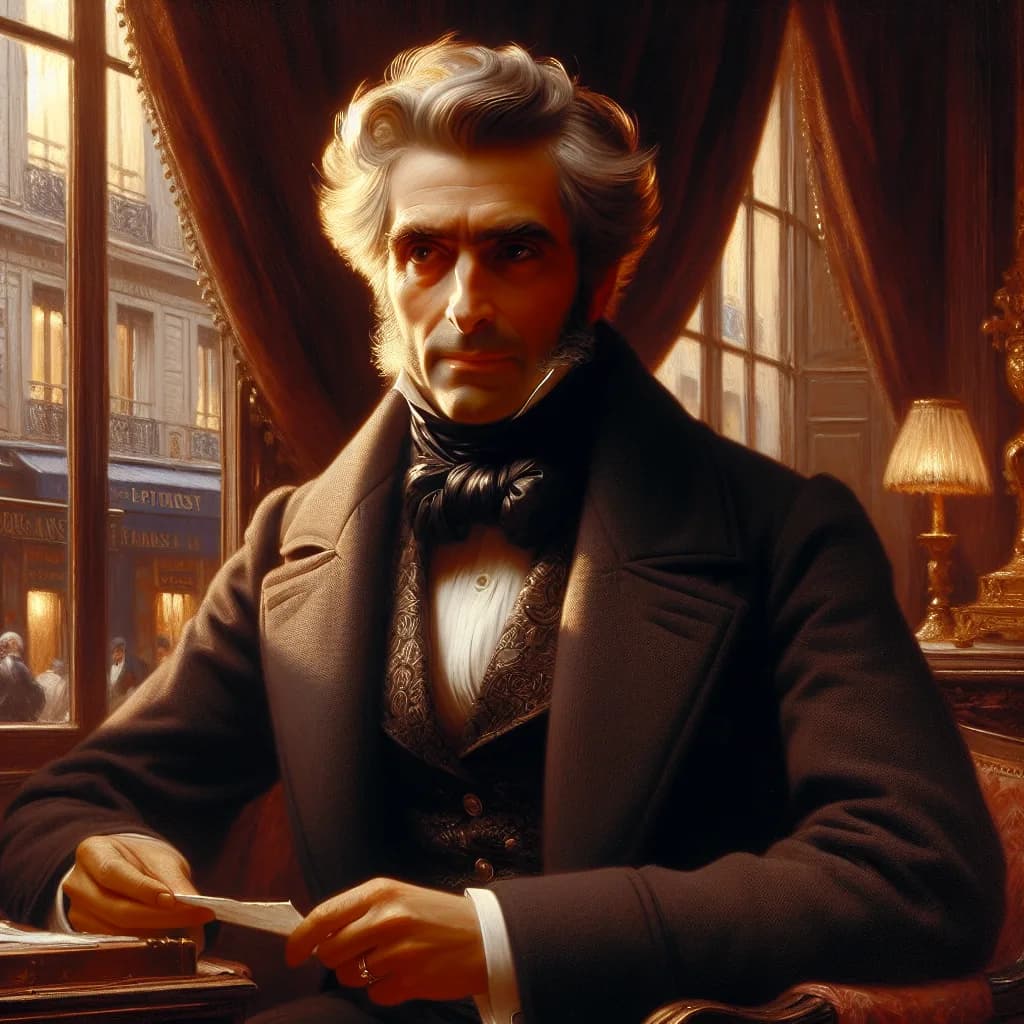

Mère Simon is an elderly woman who works as a caretaker in the prison.
61First appears in Chapter 61
A young man of striking appearance, introduced as the son of Major Bartolomeo Cavalcanti.
62First appears in Chapter 62
M. de Nargonne, Mercédès’ first husband, is briefly mentioned as a figure from her past.
65First appears in Chapter 65
Mademoiselle Cornélie is the baroness’s loyal and discreet maid.
65First appears in Chapter 65
Jacopo Manfredi is an Italian banker known for conducting substantial business in financial circles.
66First appears in Chapter 66

A distinguished-looking Italian nobleman, introduced as the marquis and father of Andrea Cavalcanti.
68First appears in Chapter 68
A dignified Italian nobleman, newly arrived in Paris.
69First appears in Chapter 69

The prefect of police, a high-ranking official responsible for maintaining order and overseeing investigations in Paris, enters the scene.
69First appears in Chapter 69
Antoinette is the niece of M. d’Avrigny, introduced as a member of his family in Parisian society.
72First appears in Chapter 72
Claude Lecharpal, the diligent keeper of woods and forests, appears as an official witness in a legal declaration.
75First appears in Chapter 75
Étienne Duchampy, a general of brigade, is introduced among distinguished military and civil officials.
75First appears in Chapter 75
A respected military officer, entrusted with a mysterious packet and its legacy.
75First appears in Chapter 75
A seasoned general and devoted Bonapartist, Flavien de Quesnel commanded respect for his loyal service to the emperor from 1804 to 1814.
75First appears in Chapter 75
Louis-Jacques Beaurepaire, a lieutenant-colonel of artillery, is one of the officials present to witness the signing of a significant document.
75First appears in Chapter 75
The elegant and socially prominent Baroness of Château-Renaud is known for hosting fashionable gatherings in Parisian society.
76First appears in Chapter 76
Mademoiselle Louise d’Armilly, a talented young musician and singing teacher, is introduced as a companion to Eugénie Danglars.
76First appears in Chapter 76
An elderly gentleman of distinguished bearing, recently arrived in Paris.
76First appears in Chapter 76
A dignified noblewoman, the mother of Valentine, recently arrived in Paris.
76First appears in Chapter 76
A distinguished noblewoman, the Marchioness Oliva Corsinari is the mother of Albert de Morcerf.
76First appears in Chapter 76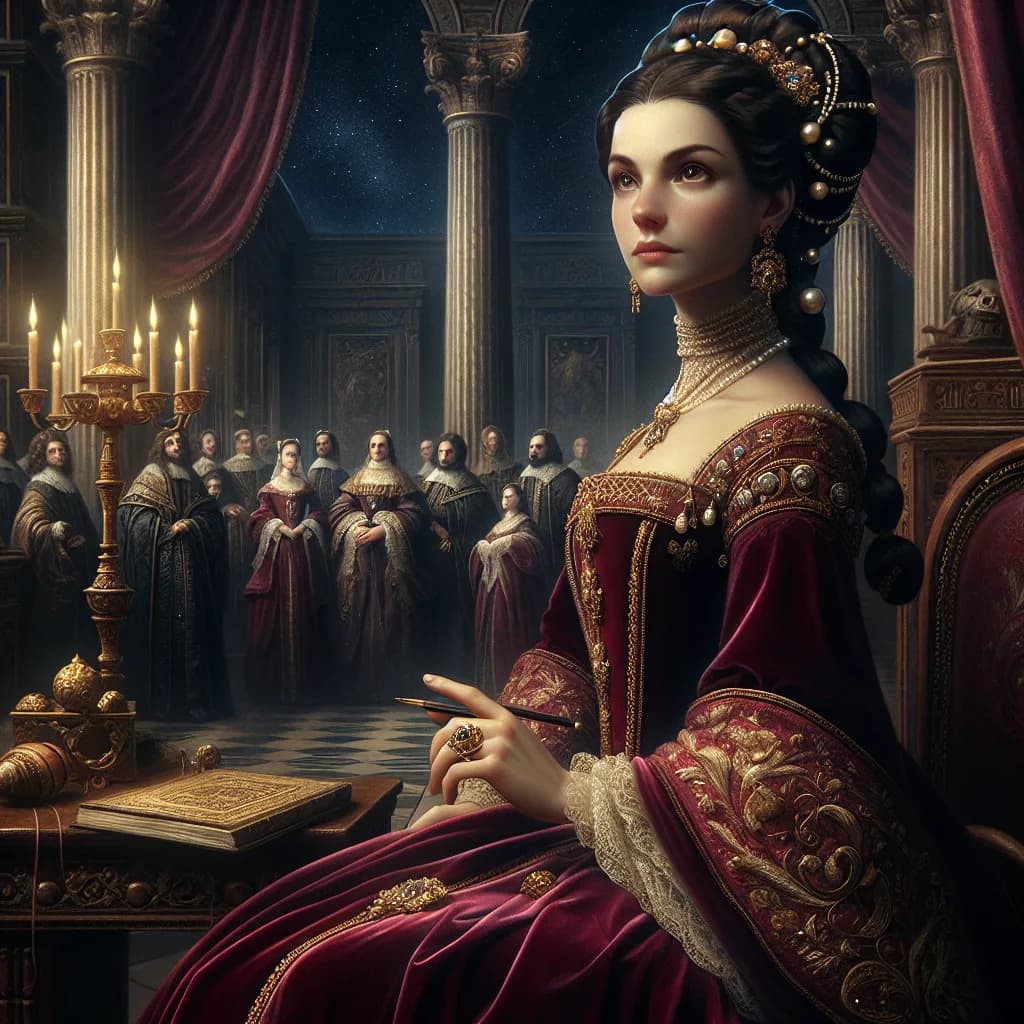
The powerful and enigmatic queen mother of France, Catherine de’ Medici is renowned for her influence over the royal court.
77First appears in Chapter 77
Charles IX is the young king of France during a tumultuous and violent period in the country’s history.
77First appears in Chapter 77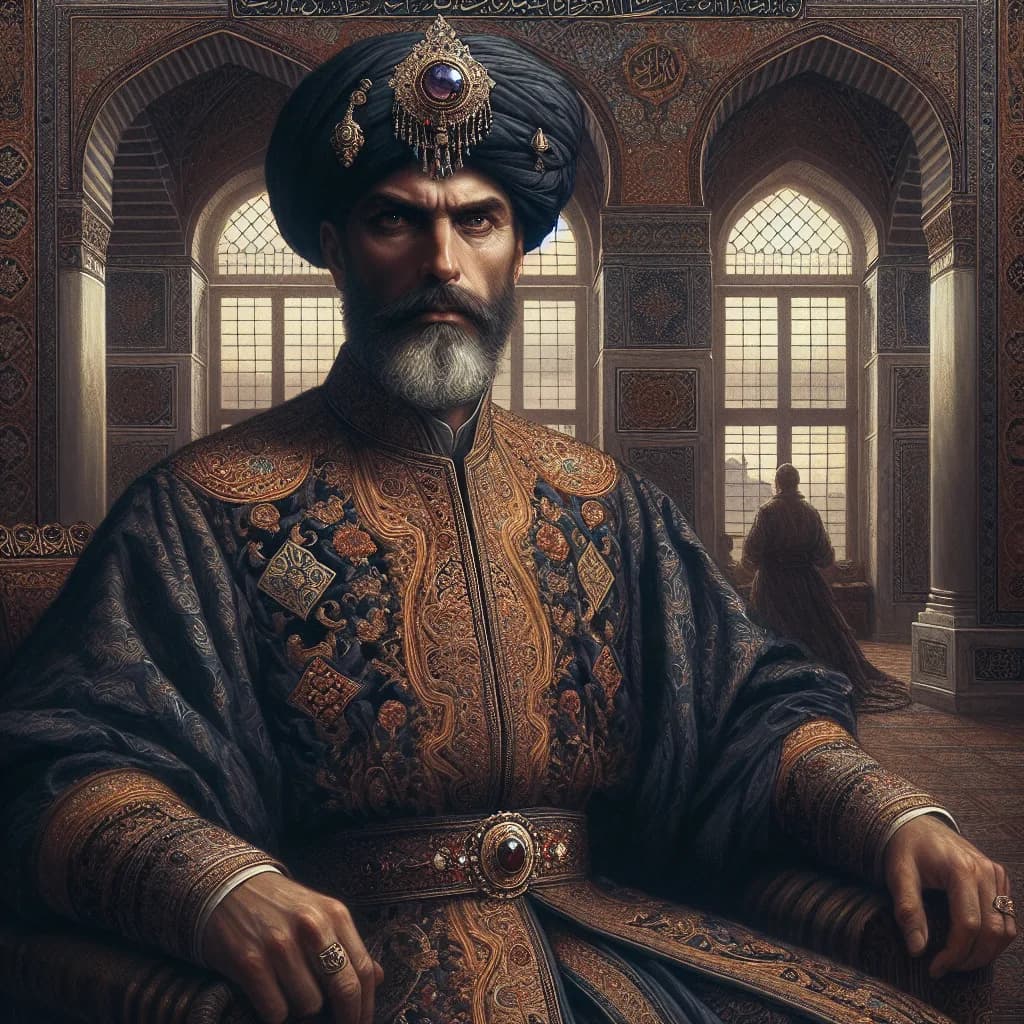
Kourchid, the Seraskier sent by the sultan, appears as a high-ranking Ottoman official.
77First appears in Chapter 77
A young and elegantly dressed Italian gentleman newly arrived in Parisian society.
77First appears in Chapter 77
Selim, a trusted and favored servant, stands close at hand, ready to assist his master.
77First appears in Chapter 77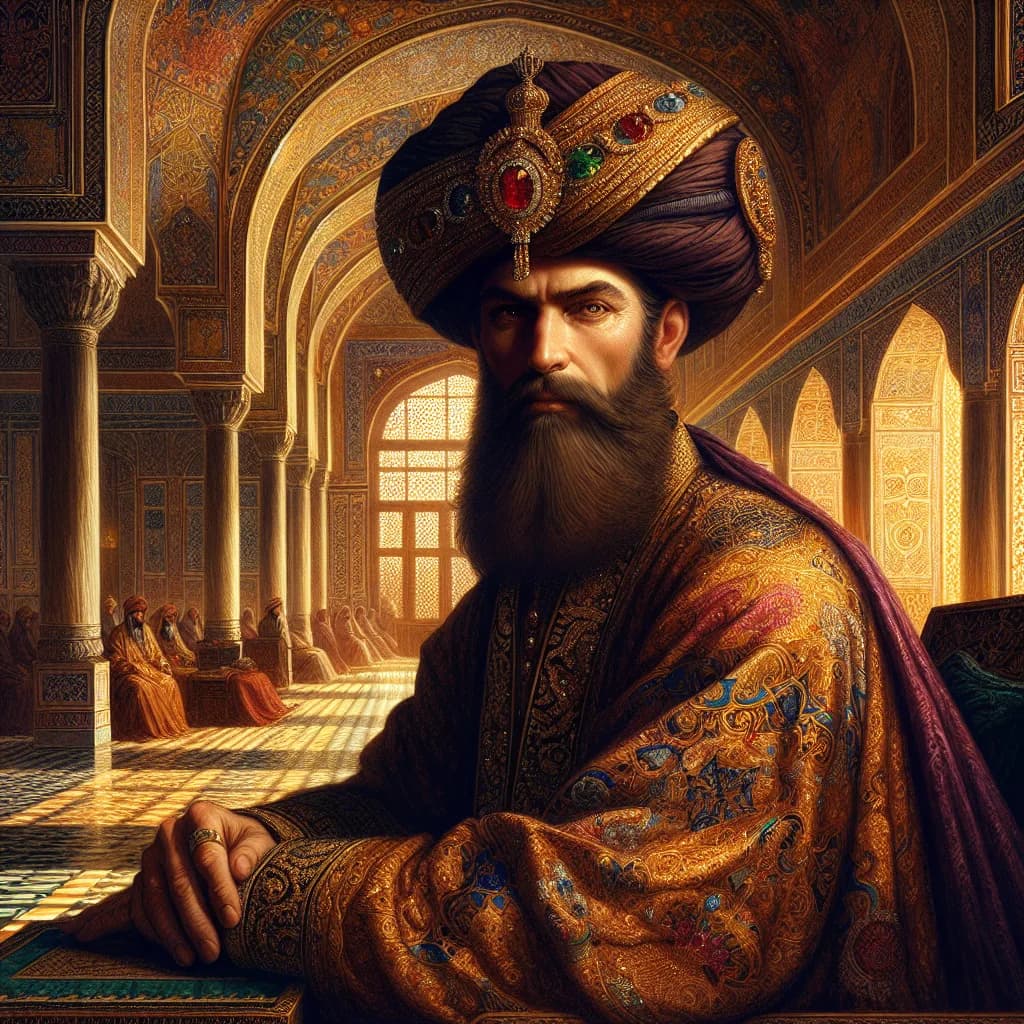
Sultan Mahmoud, a powerful ruler of the Ottoman Empire.
77First appears in Chapter 77
A respected French nobleman and former soldier, known both as General de Quesnel and the Baron d’Épinay.
78First appears in Chapter 78
Philip, a familiar presence at the house, appears alongside Albert as they arrive together.
78First appears in Chapter 78
Huret & Fichet are renowned Parisian locksmiths, known for their secure and innovative locks.
81First appears in Chapter 81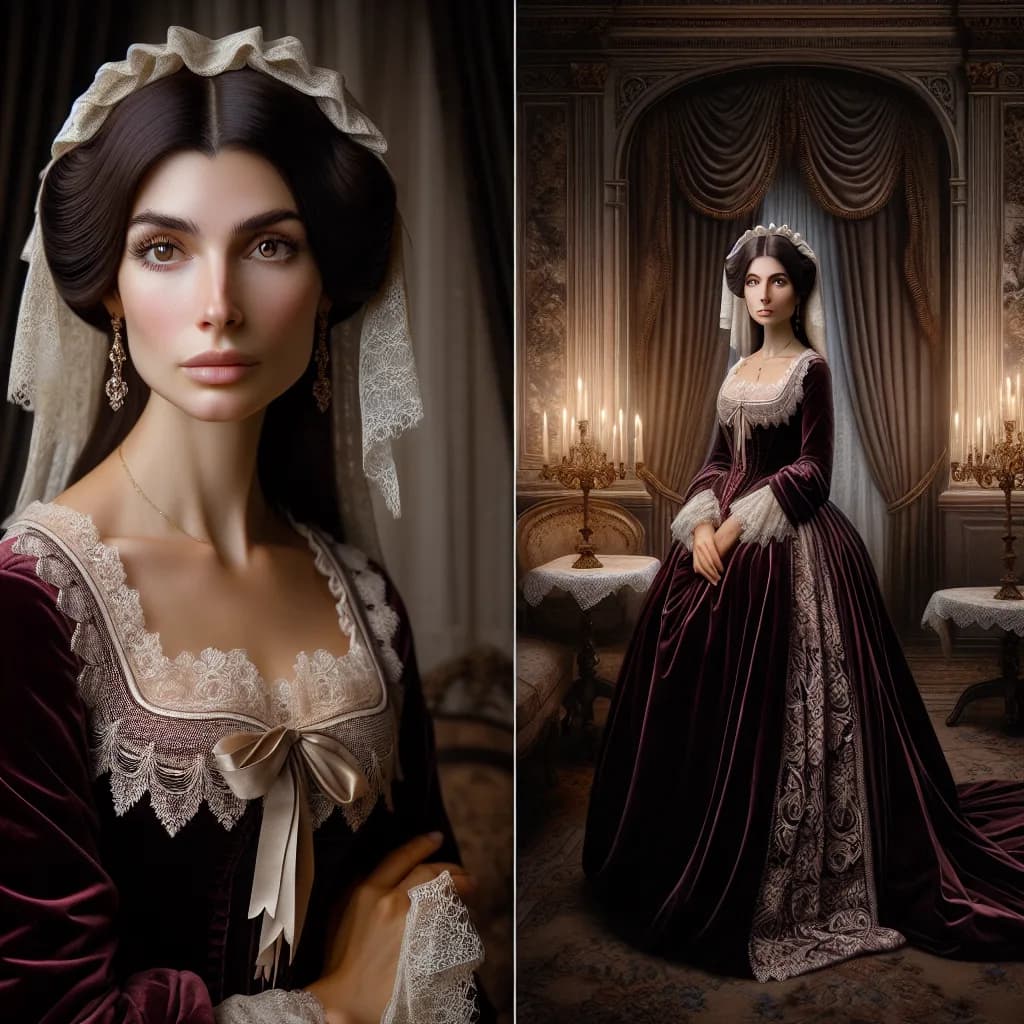
Leonora Corsinari, the mother of Andrea Cavalcanti, is mentioned with respect to his inheritance.
81First appears in Chapter 81
A retired barrister, Monsieur Pailletin is introduced as a respectable figure known in the neighborhood.
81First appears in Chapter 81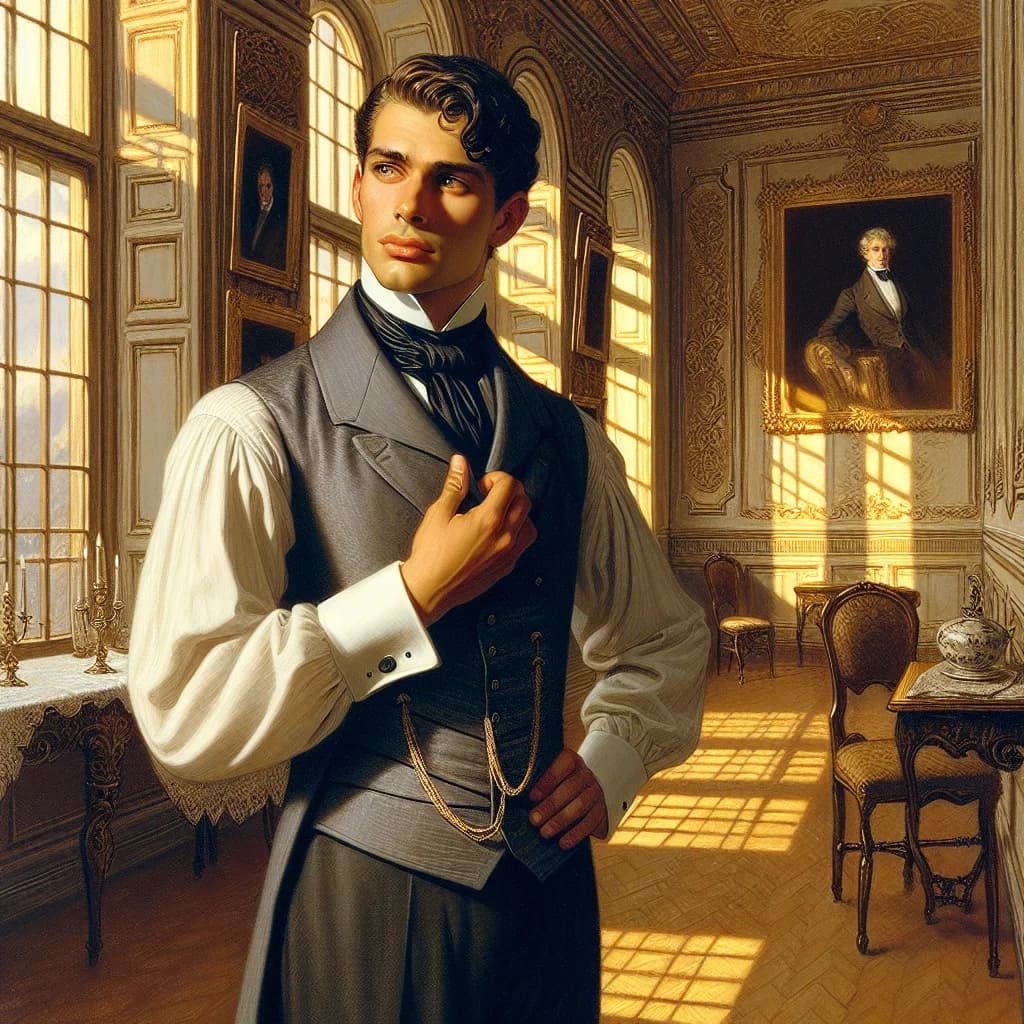
Pierre, a loyal servant in the household of the Count of Monte Cristo, appears attentive to his master's needs.
81First appears in Chapter 81
A skilled jeweller known for his expertise and discretion.
82First appears in Chapter 82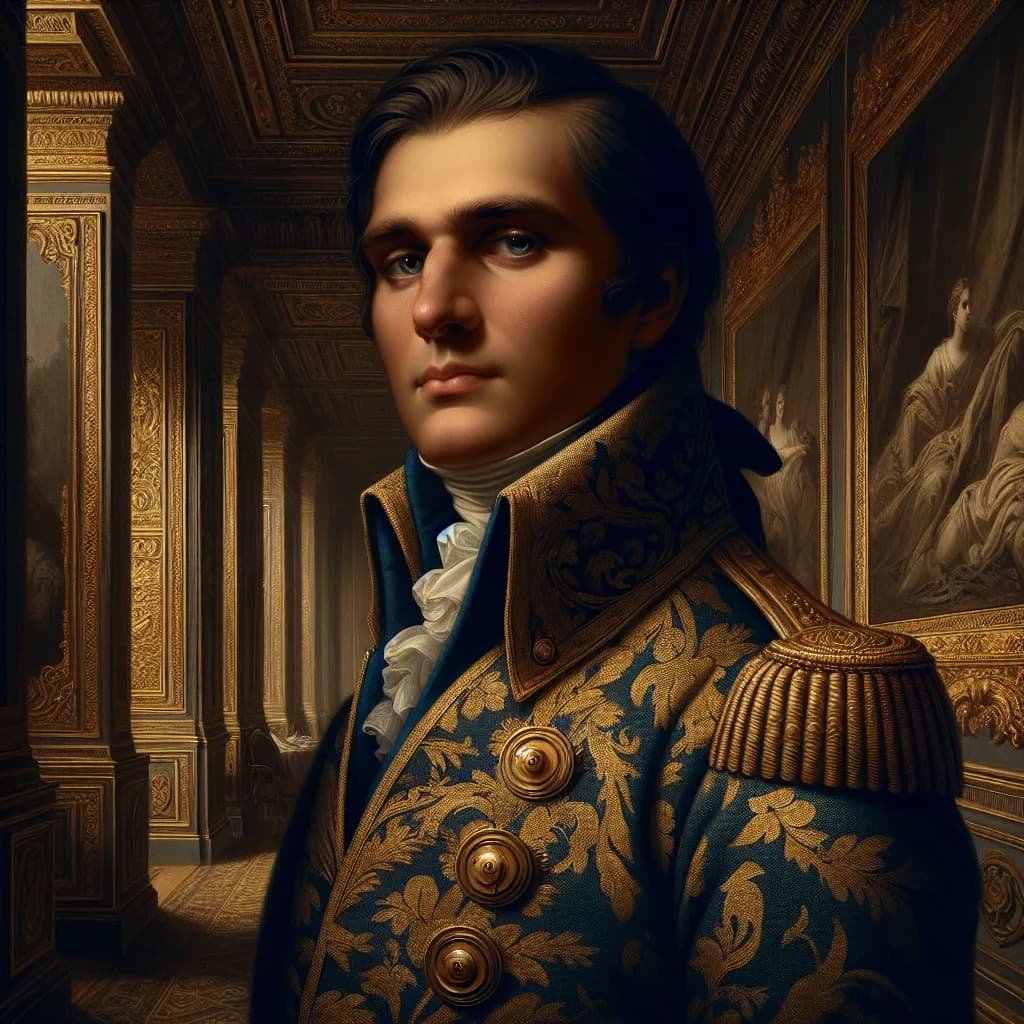
The unfortunate King of France, Louis XVI, known for his troubled reign and tragic fate.
82First appears in Chapter 82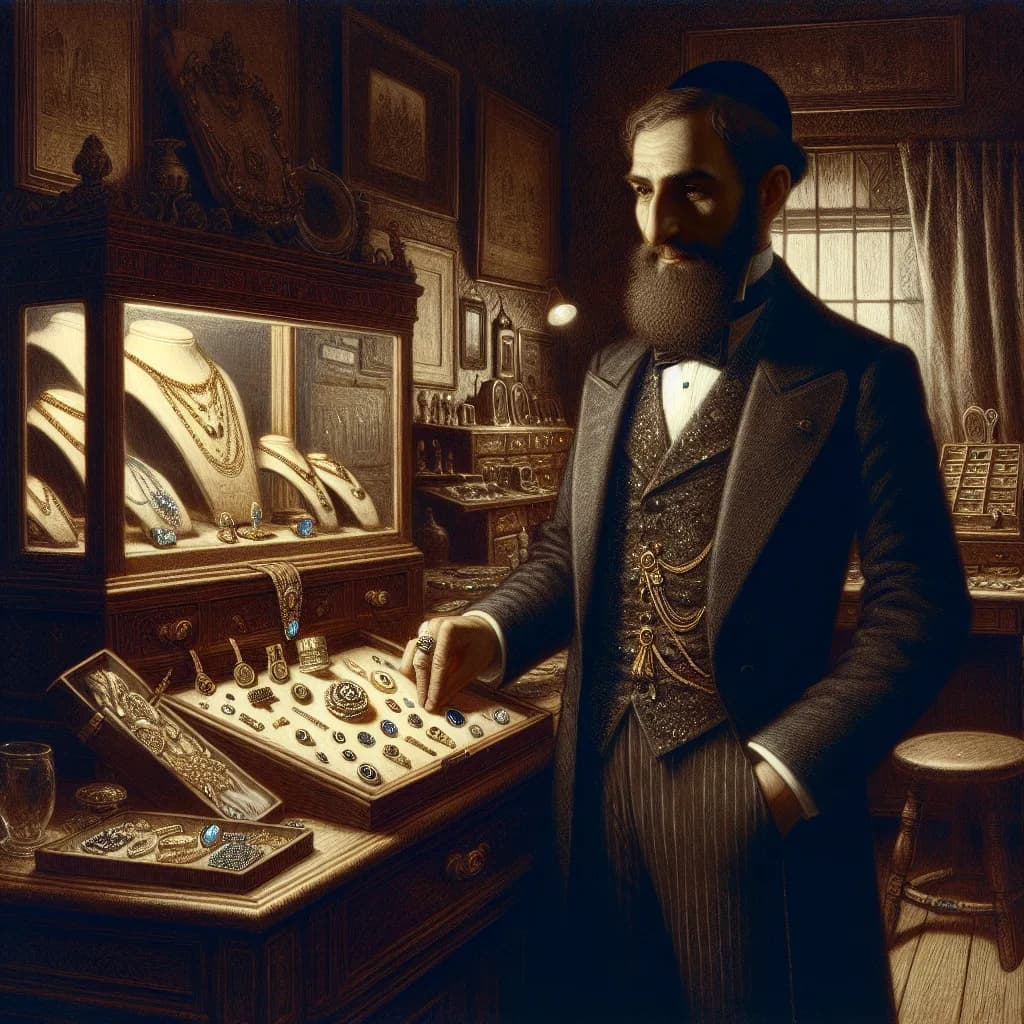
A mysterious jeweler known for his sharp dealings and secretive nature.
83First appears in Chapter 83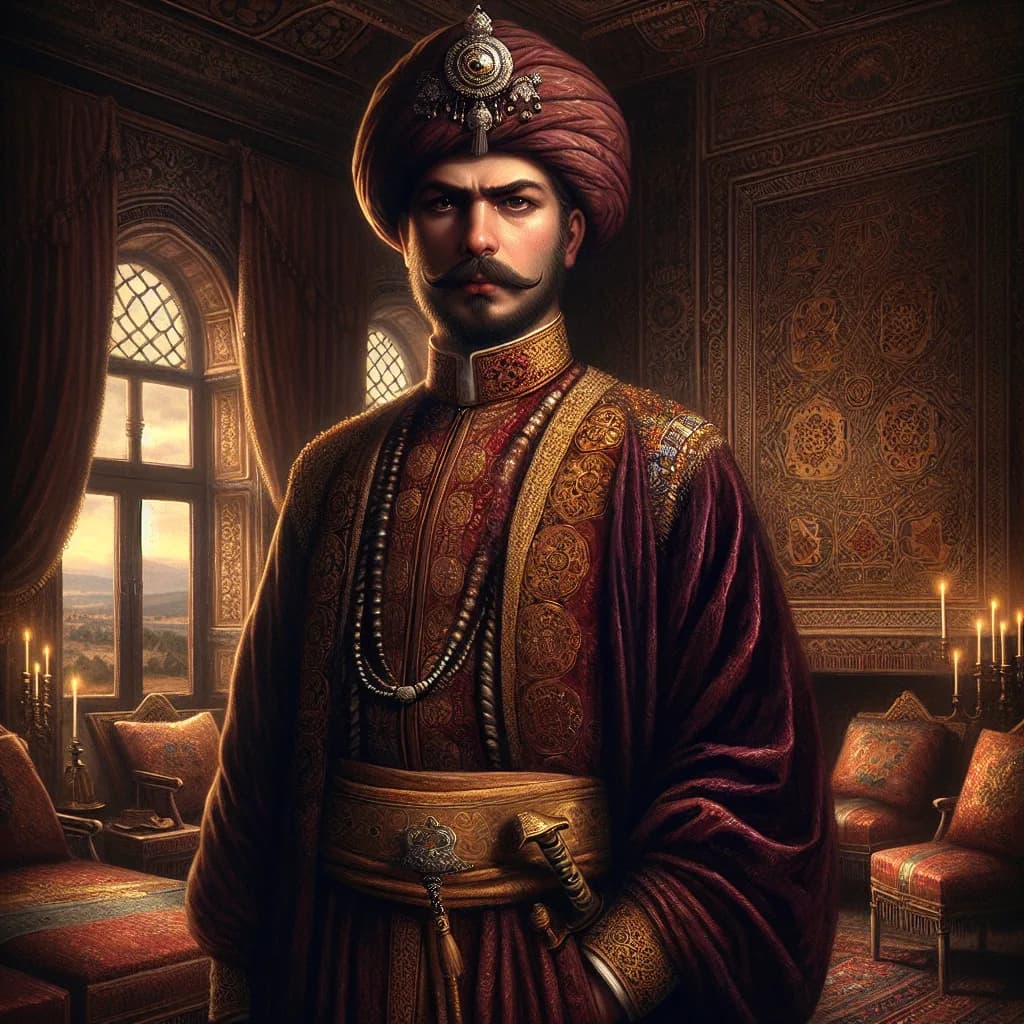
A powerful and influential ruler of Epirus, Ali Pasha of Yanina is a notable figure whose actions echo through the lives of several characters.
85First appears in Chapter 85
An Armenian merchant known for his dealings with foreign officials.
86First appears in Chapter 86

A renowned sculptor, famous for his detailed bronze animal figures.
91First appears in Chapter 91
Feuchères is a renowned sculptor whose artistic bronzes decorate the luxurious room.
91First appears in Chapter 91
Herrera is the honorable family name of Albert’s father.
91First appears in Chapter 91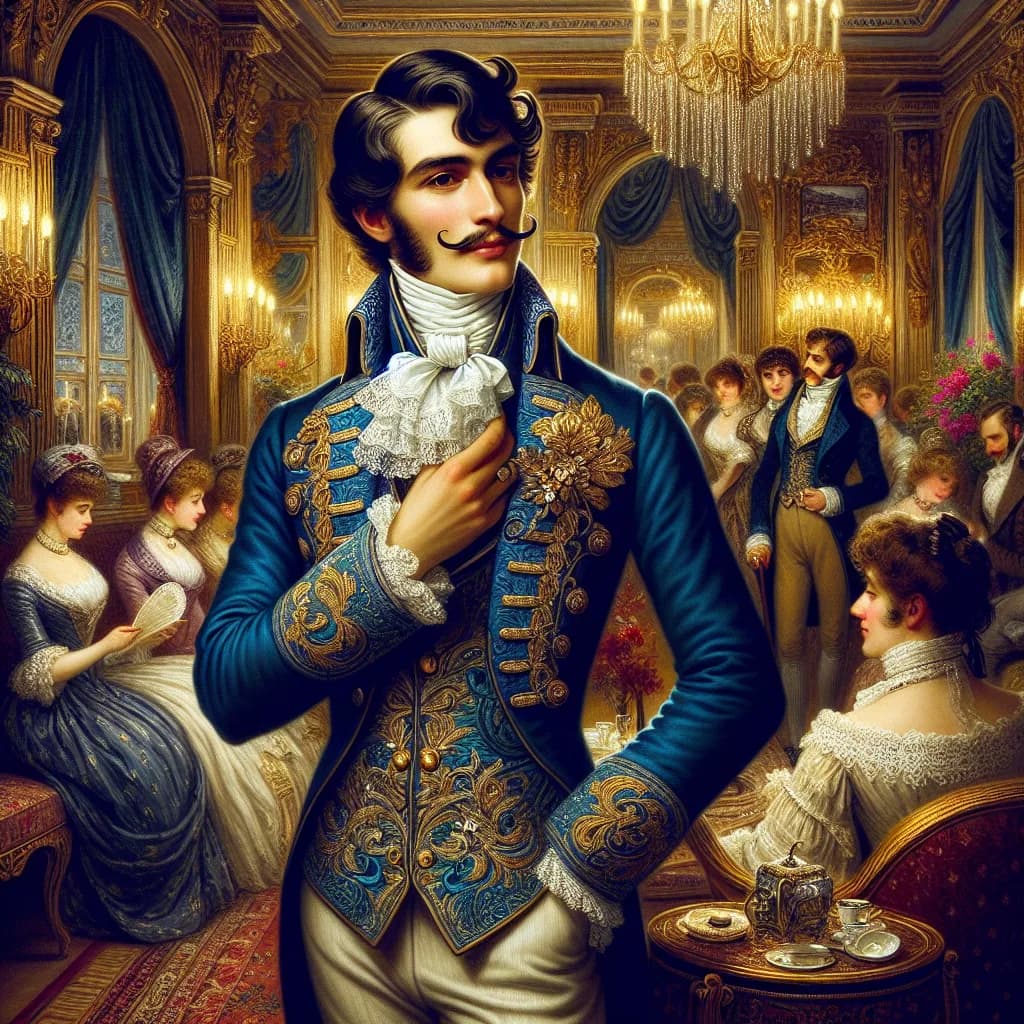
A recently arrived nobleman, Prince Cavalcanti is introduced as the prospective suitor for Danglars’ daughter.
93First appears in Chapter 93
Étienne, the count's attentive valet, enters quietly at his master's summons.
95First appears in Chapter 95
A talented young artist of twenty, noted for his dark hair and creative spirit.
97First appears in Chapter 97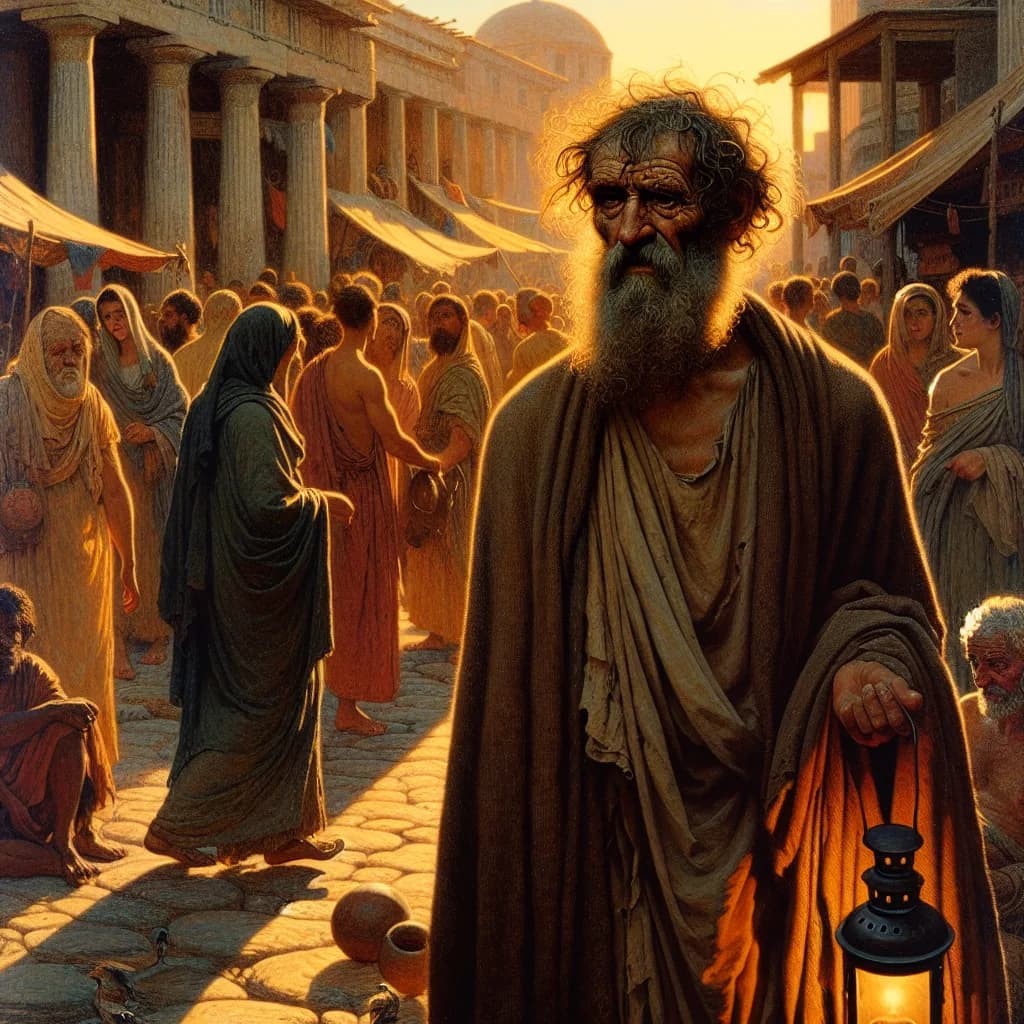
A famous Greek philosopher known for his sharp wit and unconventional views.
99First appears in Chapter 99
A cavalry soldier, tasked with delivering an important message.
99First appears in Chapter 99
A renowned ancient Greek philosopher, famed for his ideas about the nature of humanity.
99First appears in Chapter 99
Edward de Villefort is the lively young son of Monsieur and Madame de Villefort.
101First appears in Chapter 101
An elderly nobleman, the father of Valentine’s mother.
101First appears in Chapter 101
A renowned sculptor, celebrated for his graceful and delicate works.
102First appears in Chapter 102
A devoted nurse, attentive to her patient's needs.
102First appears in Chapter 102
A discreet nurse, attentive to her patient’s needs, enters quietly with a cup in hand.
102First appears in Chapter 102
A somber district doctor, known for his calm demeanor and duties among the departed.
103First appears in Chapter 103
An Italian abbé, known for his piety and learning, resides quietly next door.
103First appears in Chapter 103

A famously wealthy king, whose name has become a byword for immense riches.
104First appears in Chapter 104
A talented actor, renowned for his portrayal of Robert Macaire.
104First appears in Chapter 104
A dignified and influential figure, the minister of justice is a prominent presence in political circles.
104First appears in Chapter 104
A quiet nun, known for her strict devotion, accompanies the departing woman on her journey to a distant convent.
104First appears in Chapter 104
A desperate and theatrical figure, Robert Macaire is invoked here as a symbol of cunning and nervous energy.
104First appears in Chapter 104

Abélard is a renowned medieval philosopher and lover, whose tomb, shared with Héloïse, stands as a famous monument in the Père Lachaise cemetery.
105First appears in Chapter 105

Descendants of old nobility and respected magistrates, the families of Saint-Méran and Villefort are united through marriage and social standing.
105First appears in Chapter 105
Héloïse is one of the lovers buried in the famous tomb of Abélard and Héloïse in the Père Lachaise cemetery.
105First appears in Chapter 105
A renowned French poet admired for the elegance and restraint of his verse.
105First appears in Chapter 105
A mysterious, devilish figure known for revealing hidden truths.
106First appears in Chapter 106
Bedeau is a French general mentioned among other notable figures in contemporary events discussed by the characters.
106First appears in Chapter 106
A prominent French general, known for his military reputation.
106First appears in Chapter 106
A celebrated military leader known for his service and valor.
106First appears in Chapter 106
A celebrated French novelist, renowned for his wit and keen observations of society.
106First appears in Chapter 106
A dignified officer and one of Napoleon’s most trusted marshals.
106First appears in Chapter 106
A young man, newly enlisted as a substitute in the Spahis cavalry regiment.
106First appears in Chapter 106
Monsieur Pixérécourt is mentioned as a dramatist known for writing sentimental scenes of family recognition.
107First appears in Chapter 107
Monsieur Racine is mentioned in conversation as a familiar reference, likely alluding to the famous French playwright.
107First appears in Chapter 107
The director of the prison, a stern official responsible for overseeing the prison’s operations and its inmates.
107First appears in Chapter 107
A stern official responsible for conducting judicial inquiries and overseeing the examination of prisoners.
107First appears in Chapter 107
The keeper, a vigilant jailer, routinely inspects the prison’s secure cells and bars.
107First appears in Chapter 107
A group of confined individuals, watched over closely by guards, endured harsh and dreary conditions.
107First appears in Chapter 107
The executioner is the official charged with carrying out capital punishment in Paris.
108First appears in Chapter 108
A dignified magistrate, husband to Madame Villefort.
108First appears in Chapter 108
A stern magistrate, imposing and unyielding in his pursuit of the truth.
108First appears in Chapter 108

Several officials stationed at the entrance, responsible for maintaining order in the courtroom.
110First appears in Chapter 110
Uniformed officers of the law, responsible for maintaining order and escorting the accused.
110First appears in Chapter 110
A group of solemn officials, the judges preside over the courtroom with authority and gravity.
110First appears in Chapter 110
A group of ordinary citizens, selected to weigh the evidence and deliver a verdict in the trial, took their seats with solemn attentiveness.
110First appears in Chapter 110

An elderly, paralyzed gentleman, Noirtier de Villefort is the respected father of Gérard de Villefort.
111First appears in Chapter 111

A beautiful youth from Greek mythology, known for being carried away by the gods.
113First appears in Chapter 113
A renowned French statesman and revolutionary orator, noted for his influence during the early days of the French Revolution.
113First appears in Chapter 113
A clever and quick-witted character in a famous opera, known for his resourcefulness and lively spirit.
114First appears in Chapter 114
A barefooted, ragged young boy from a Roman family, curious and spirited like his companions in the street.
114First appears in Chapter 114
Marius, a thoughtful and idealistic young man, appears with a reserved demeanor and earnest gaze.
114First appears in Chapter 114
An elderly and obliging innkeeper, Pastrini welcomes travelers to his modest Hôtel d’Espagne.
114First appears in Chapter 114
A skilled detective, adept at tracking suspects through the bustling streets of Paris.
114First appears in Chapter 114
A local official responsible for managing the hiring and dispatch of horses and carriages at the posting station.
114First appears in Chapter 114
Breguet is a renowned watchmaker, whose finely crafted timepieces are prized by discerning clients such as Danglars.
115First appears in Chapter 115
Deniseau is Danglars’s skilled cook, known for preparing excellent meals on request.
115First appears in Chapter 115
A tall, thin gentleman from La Mancha, obsessed with tales of chivalry and knighthood.
115First appears in Chapter 115

A miserly man, renowned for his extreme avarice.
116First appears in Chapter 116
Villefort's second wife.

The Governor of the Bank of France, a dignified official overseeing the nation’s central finances.

A distinguished official, the minister of justice enters, commanding attention among the onlookers.

The concierge is the doorkeeper of the house, responsible for letting visitors in and out and observing those who come and go.


A discreet servant responsible for maintaining Debray’s well-ordered apartment.

Debray’s attentive valet de chambre, always present to assist with his master’s needs.

The governor of Algeria, a noble-hearted and military-minded leader, is respected for his sense of justice.

A practical and frugal property owner responsible for renting out the modest lodgings.

A group of clerks and lower-ranking officials working under the minister.


The director of the prison, an official responsible for overseeing the daily operations and security of the facility, enters with an air of authority.

A medical professional responsible for the care of prisoners at the Château d’If.


A young man of noble bearing who claims the title of Prince Andrea Cavalcanti.

Saint-Simon, a famed French memoirist, is mentioned in conversation as an authority on language and wit among the Parisian elite.

A concierge of the Château d’If, Antoine guides visitors through the ancient fortress.

The late Abbé Faria, a mysterious and learned prisoner, once occupied cell No. 27.

A nameless prisoner, remembered only by the number assigned to him.


A fearsome group of outlaws, led by the infamous Luigi Vampa, who command respect and obedience from those around them.

The chief, a commanding figure among the captors, oversees Danglars’s confinement and ransom negotiations.

A reference from Homer’s Odyssey, Calypso is the nymph who offers hospitality and comfort to Telemachus during his journey.

A mysterious figure evoked in conversation, symbolizing pride and the peril of equating oneself with divine power.

A figure from Greek mythology, Telemachus is the loyal and searching son of Odysseus.