Dmitri Fyodorovitch Karamazov

The passionate and impulsive eldest son of Fyodor Pavlovitch, born of his first marriage.
1First appears in Chapter 1The passionate and impulsive eldest son of Fyodor Pavlovitch, born of his first marriage.
1First appears in Chapter 1
A gentle and thoughtful young man, Alexey Fyodorovitch Karamazov is the youngest son of Fyodor Pavlovitch Karamazov.
1First appears in Chapter 1
A wealthy landowner known for his scandalous behavior and reputation in the district.
1First appears in Chapter 1
A quiet and intelligent young man, Ivan is the middle son of Fyodor Pavlovitch Karamazov.
1First appears in Chapter 1

A proud and dignified young woman, Katerina Ivanovna is known for her strong will and passionate temperament.
9First appears in Chapter 9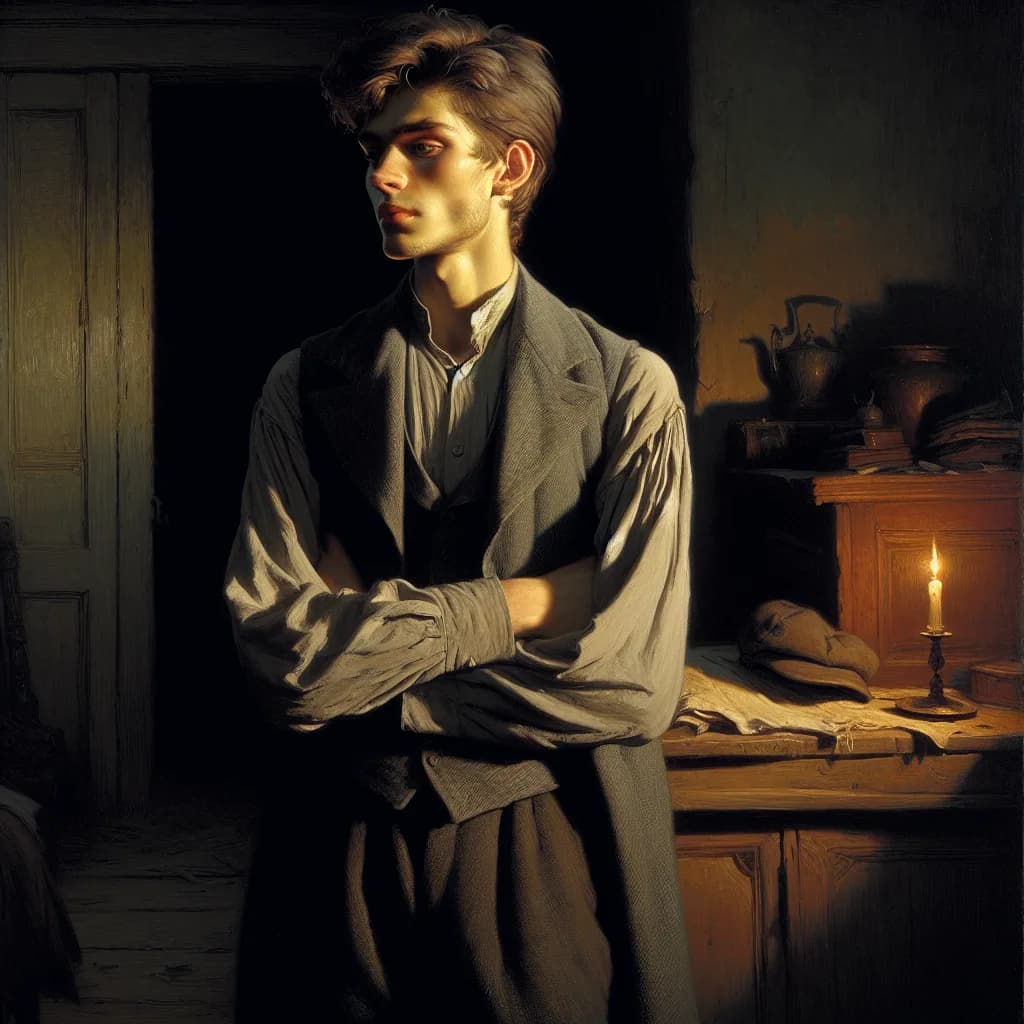
Smerdyakov, the enigmatic valet in Fyodor Pavlovitch’s household, enters the scene with an air of quiet reserve.
11First appears in Chapter 11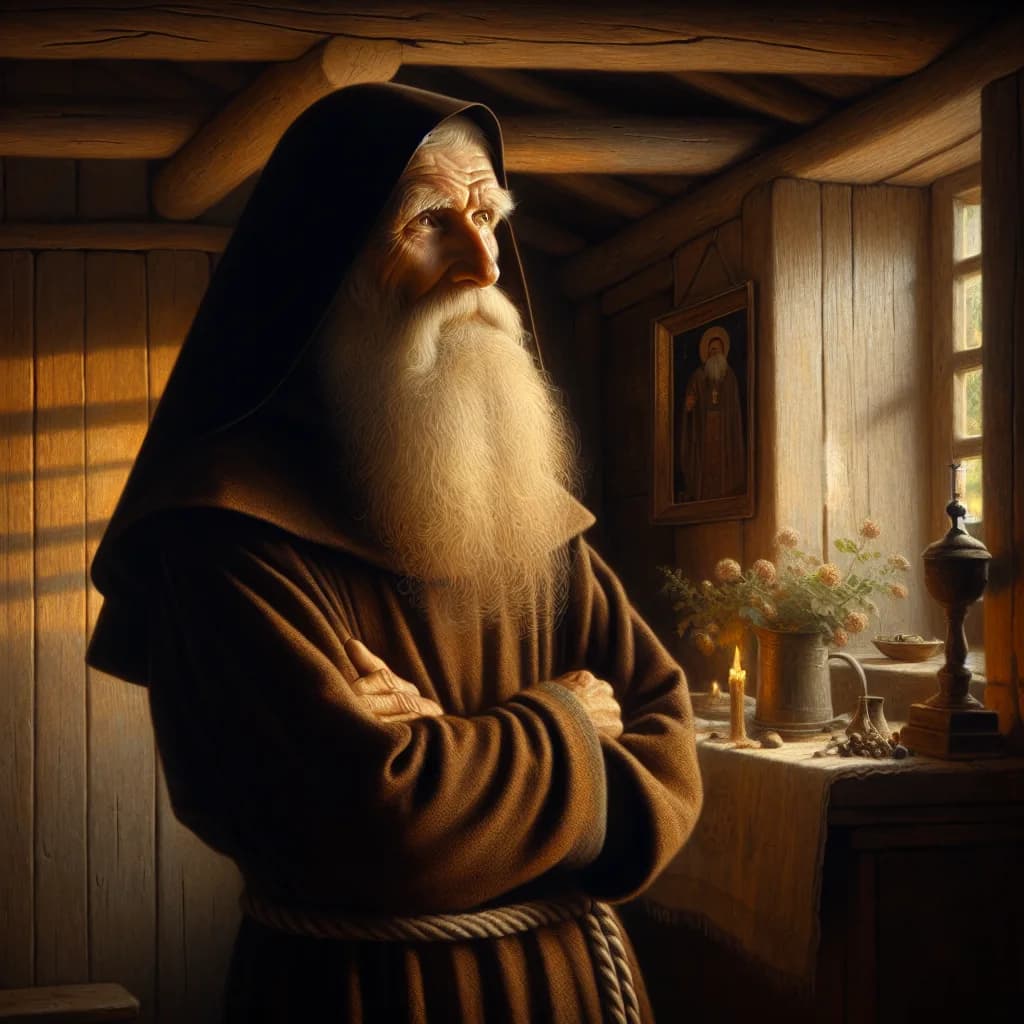
The elder Zossima is a wise and revered monk living in the monastery hermitage.
4First appears in Chapter 4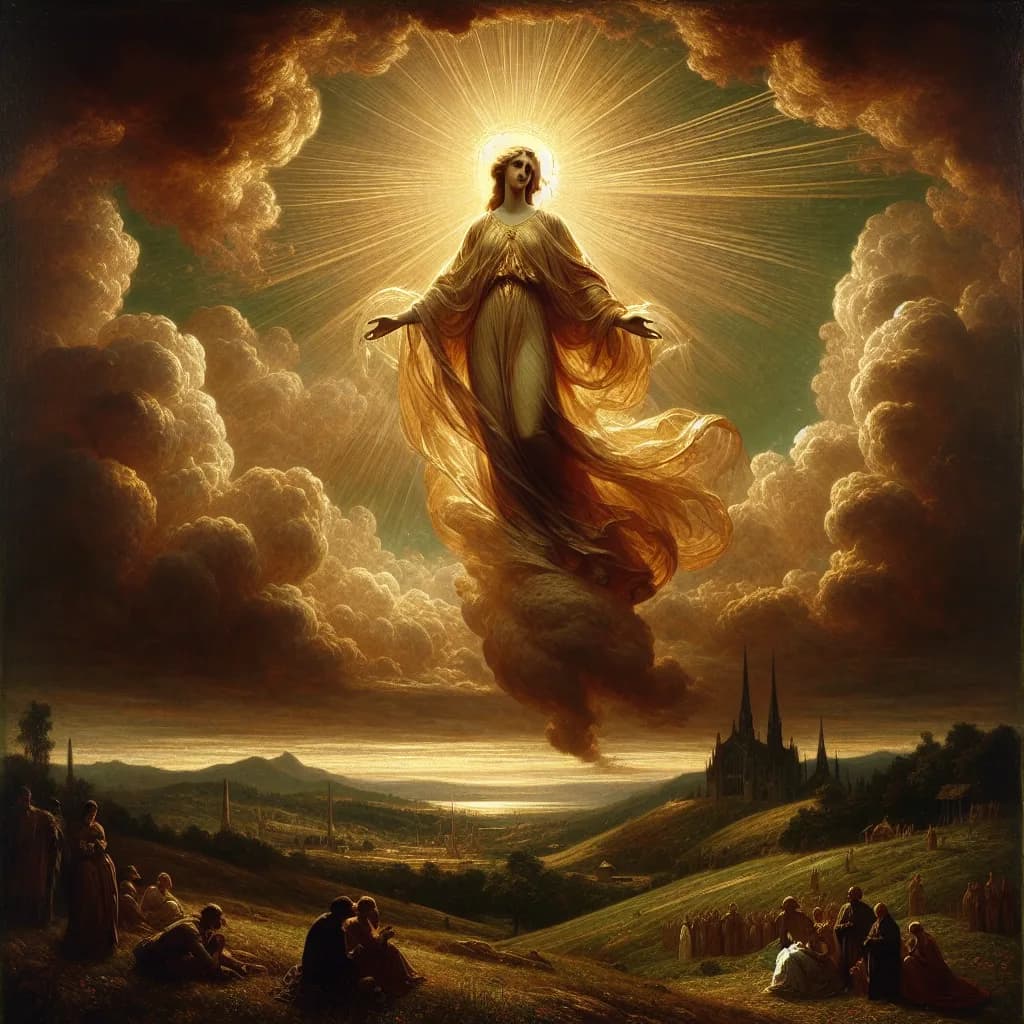
An unseen presence, worshipped and questioned by the faithful and the doubtful alike.
5First appears in Chapter 5
Madame Hohlakov is a lady from Harkov who has come to visit with her ailing daughter.
6First appears in Chapter 6
A loyal and long-serving family servant, Grigory cares for the children with devoted attention.
2First appears in Chapter 2
Ippolit Kirillovitch, the somewhat peculiar deputy prosecutor, was commonly known simply as the prosecutor.
55First appears in Chapter 55
A young divinity student, impoverished and earnest in his studies.
1First appears in Chapter 1
A thoughtful young man of twenty, staying with Miüsov while preparing to enter the university.
6First appears in Chapter 6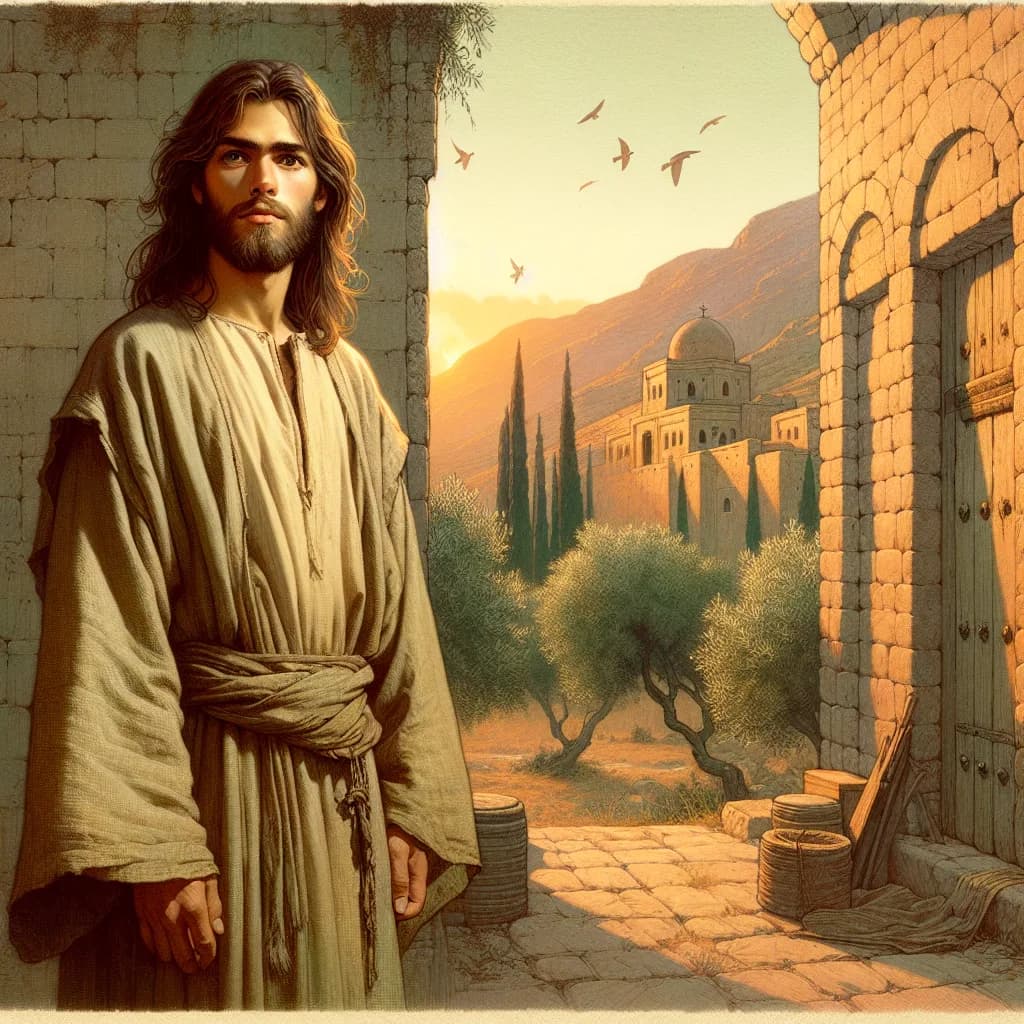
A Christian novice, eager to prove his faith, leaves his Syrian monastery for Egypt to seek spiritual guidance.
5First appears in Chapter 5

Marfa Ignatyevna, the devoted and persistent wife of a landowner, is introduced as a woman accustomed to obeying her husband yet determined in her own concerns.
14First appears in Chapter 14
A figure symbolizing temptation and evil, invoked in moments of inner conflict and spiritual struggle.
16First appears in Chapter 16
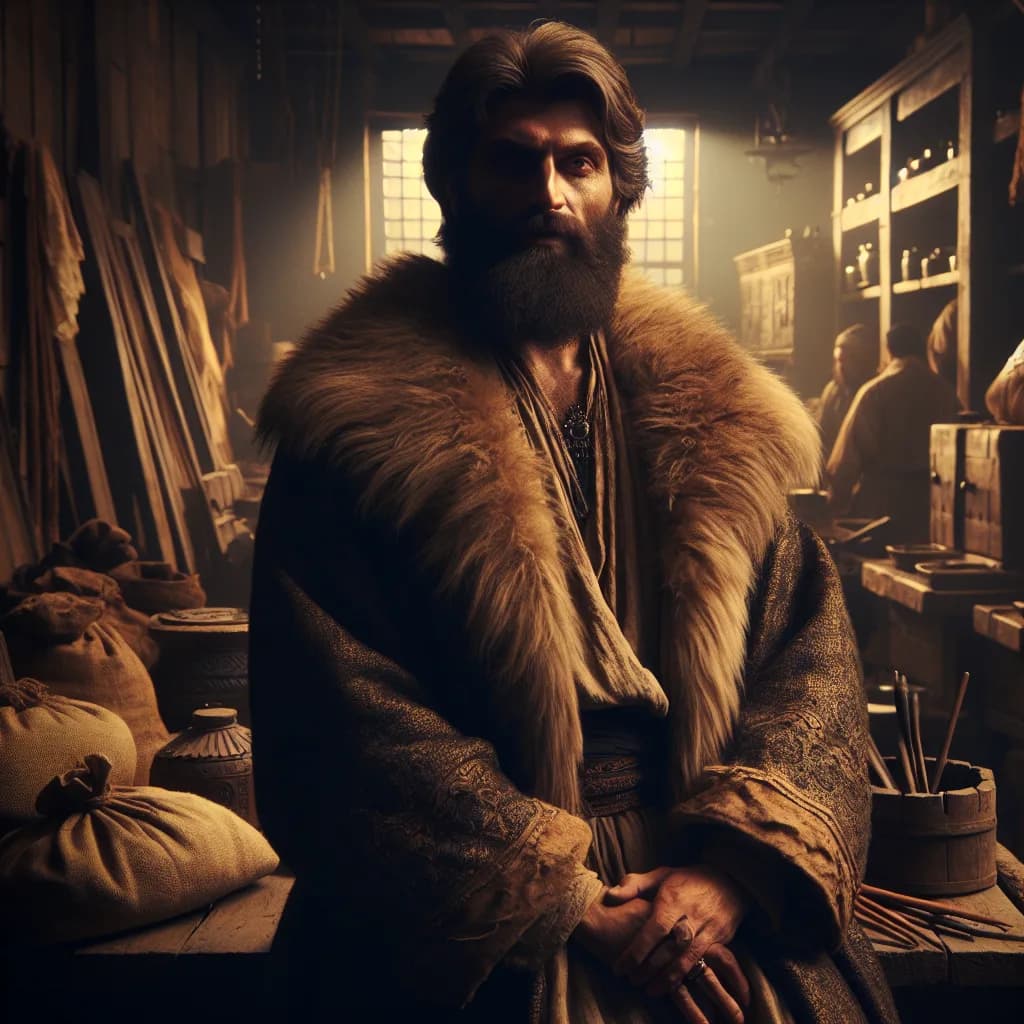
Samsonov is a coarse and uneducated old provincial merchant, known for his wealth and connection to Grushenka.
12First appears in Chapter 12
A middle-aged, insinuating woman, Marya Kondratyevna is quick to join in conversation with keen curiosity.
33First appears in Chapter 33
A well-traveled and cultivated cousin of Mitya’s mother, Pyotr Alexandrovitch Miüsov is known for his refined manners and liberal views.
2First appears in Chapter 2
An elderly and compassionate German doctor, known for his long service in the town.
9First appears in Chapter 9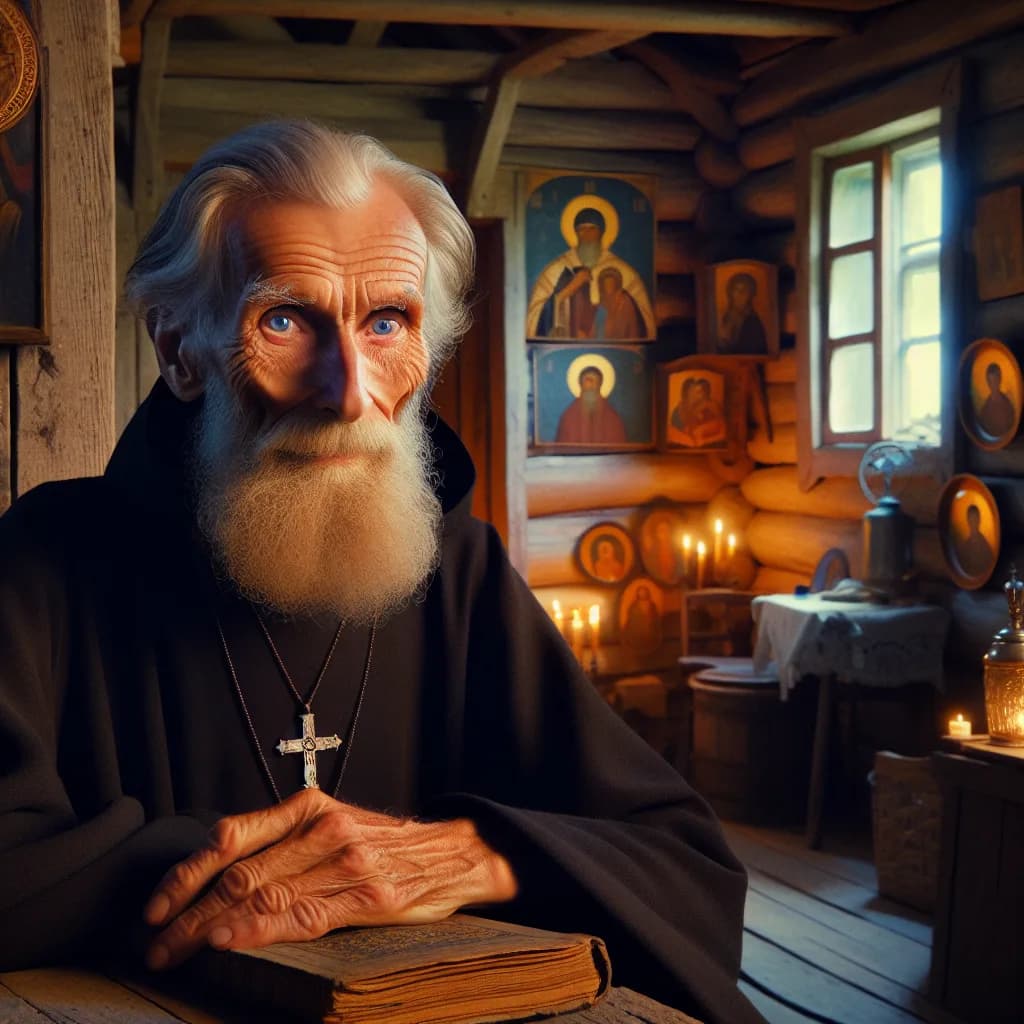
Father Païssy, a scholarly monk of delicate health, accompanies the elder at the hermitage.
7First appears in Chapter 7

Fetyukovitch is a renowned defense attorney from St. Petersburg, famous for taking on high-profile cases.
70First appears in Chapter 70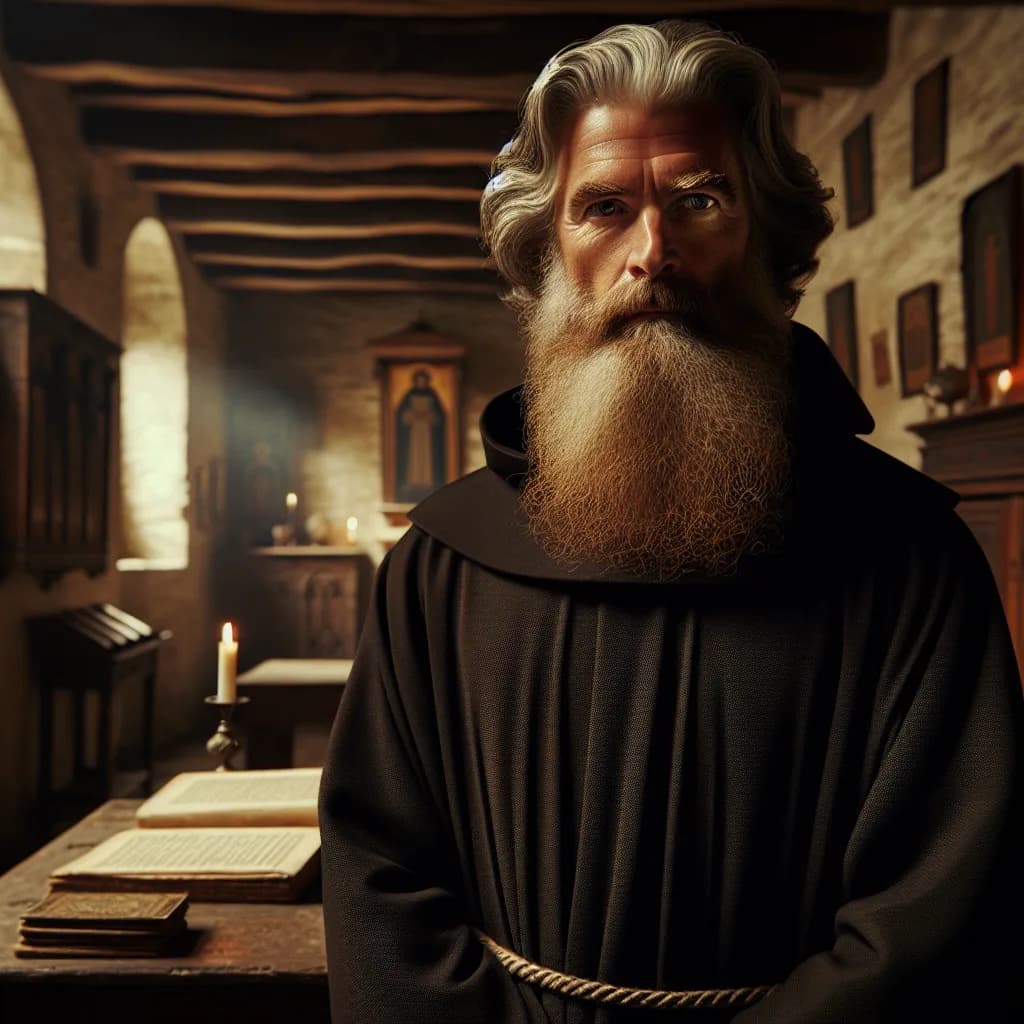
The Superior, head of the monastery, is a dignified figure approached to resolve disputes with wisdom and fairness.
5First appears in Chapter 5
A kindly landowner from Tula, Maximov introduces himself with a gentle lisp and eager friendliness.
6First appears in Chapter 6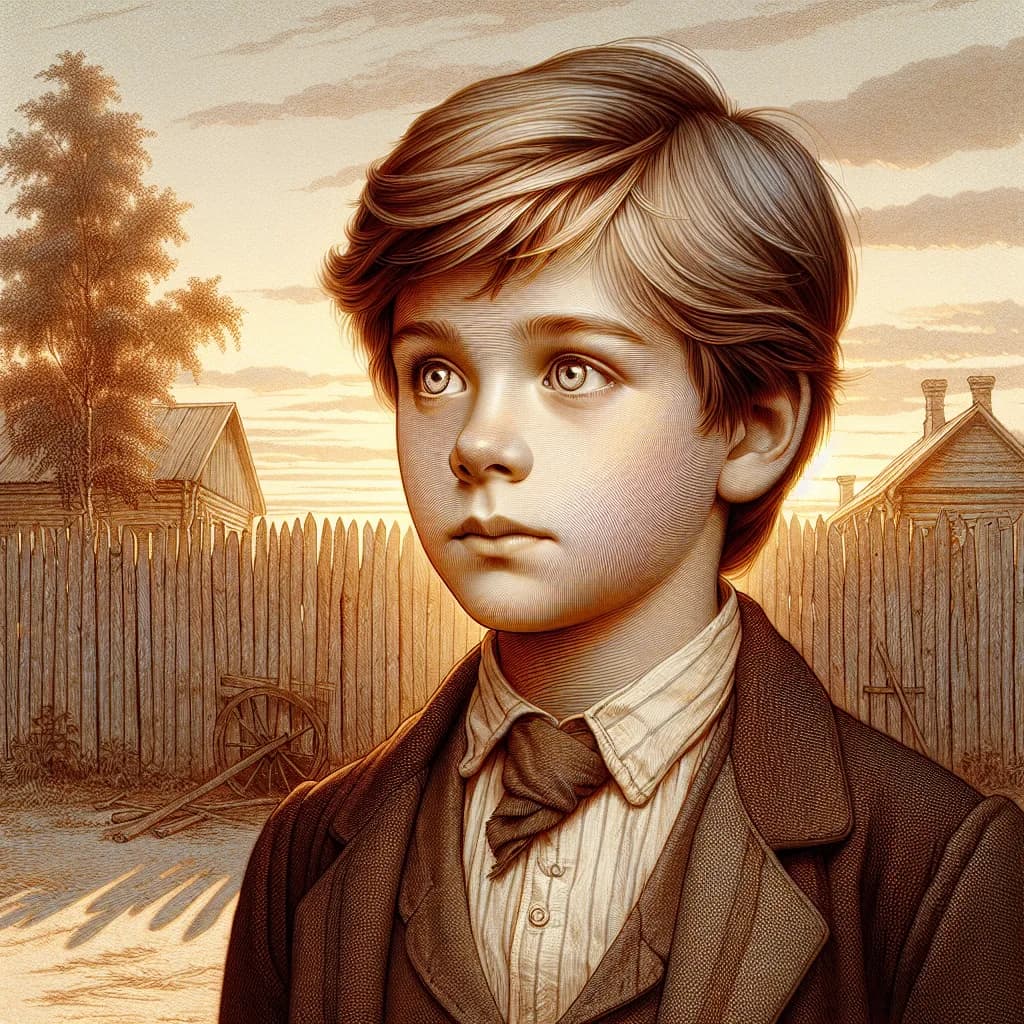
A kind-hearted schoolboy, Ilusha is the devoted son of Captain Snegiryov.
31First appears in Chapter 31
The innkeeper, Trifon Borissovitch, is a jovial and attentive host at the small country inn.
51First appears in Chapter 51

The Karamazovs are a passionate and tumultuous family known for their intense emotions and unpredictable natures.
32First appears in Chapter 32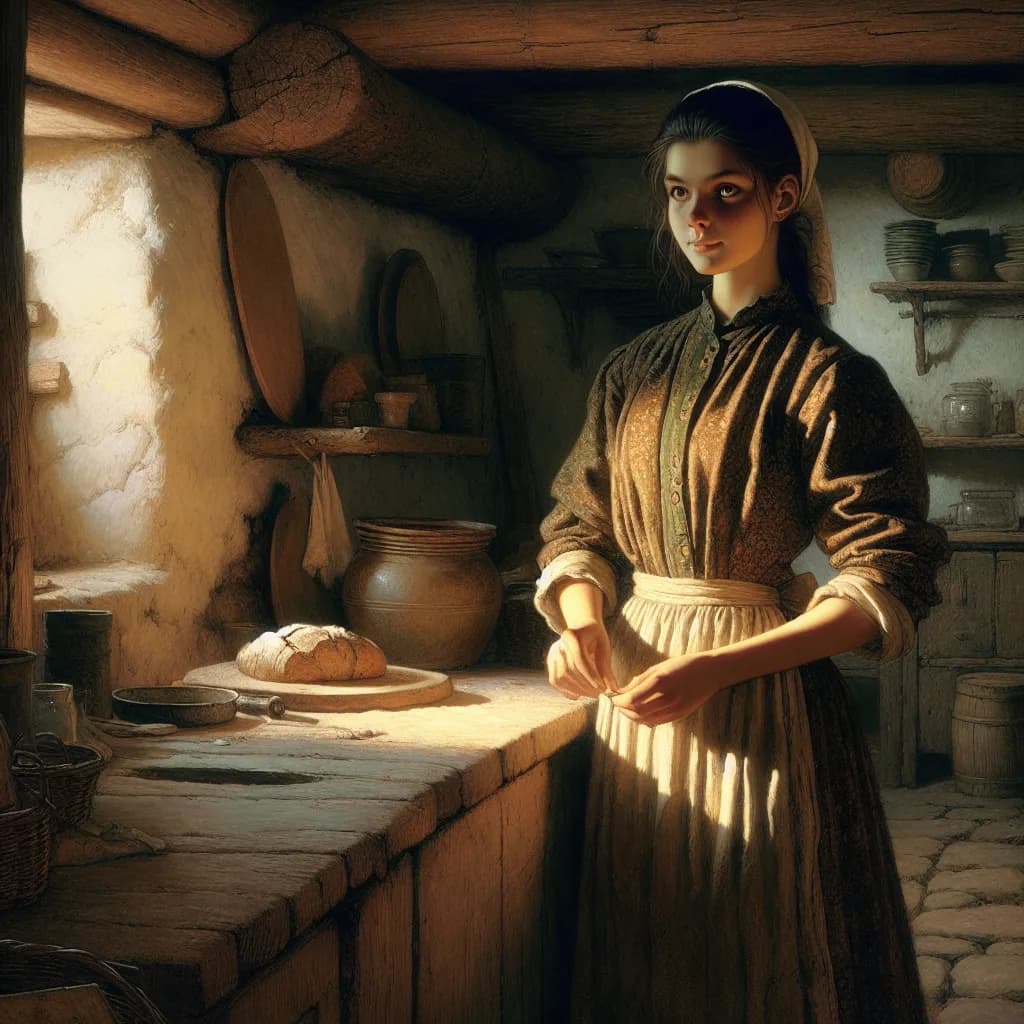
Fenya, a servant in the household, is quick to follow orders and assist where needed.
44First appears in Chapter 44

A group of citizens selected to listen to evidence and decide the outcome of the trial.
81First appears in Chapter 81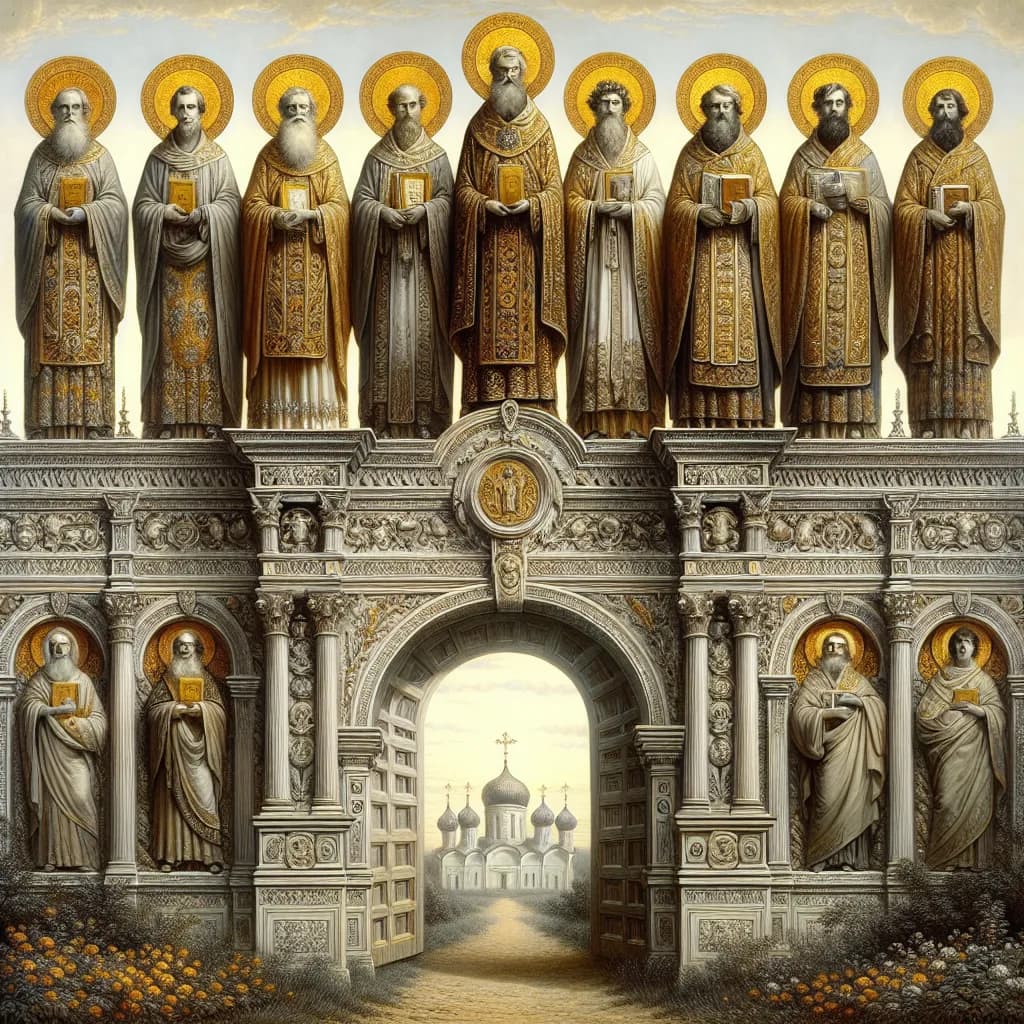
A row of sacred figures painted above the gate, the saints watch over the entrance with calm and solemn faces.
6First appears in Chapter 6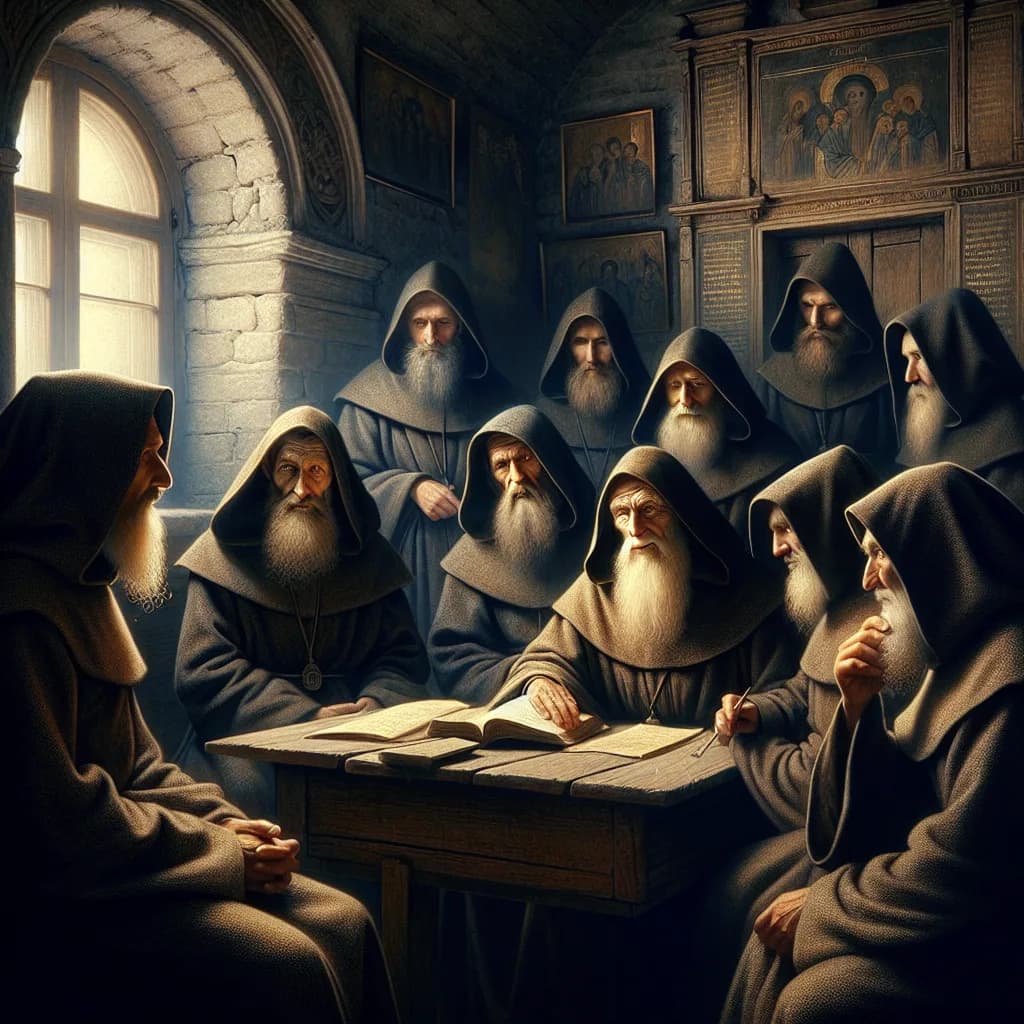
A group of austere religious men who live in the monastery and follow Father Zossima’s guidance.
11First appears in Chapter 11
A clever, spirited schoolboy known for his leadership among his friends.
63First appears in Chapter 63
The President of the Court, a senior official presiding over the trial, maintains an air of authority and composure in the courtroom.
80First appears in Chapter 80
A group of citizens selected to determine the verdict at the trial.
80First appears in Chapter 80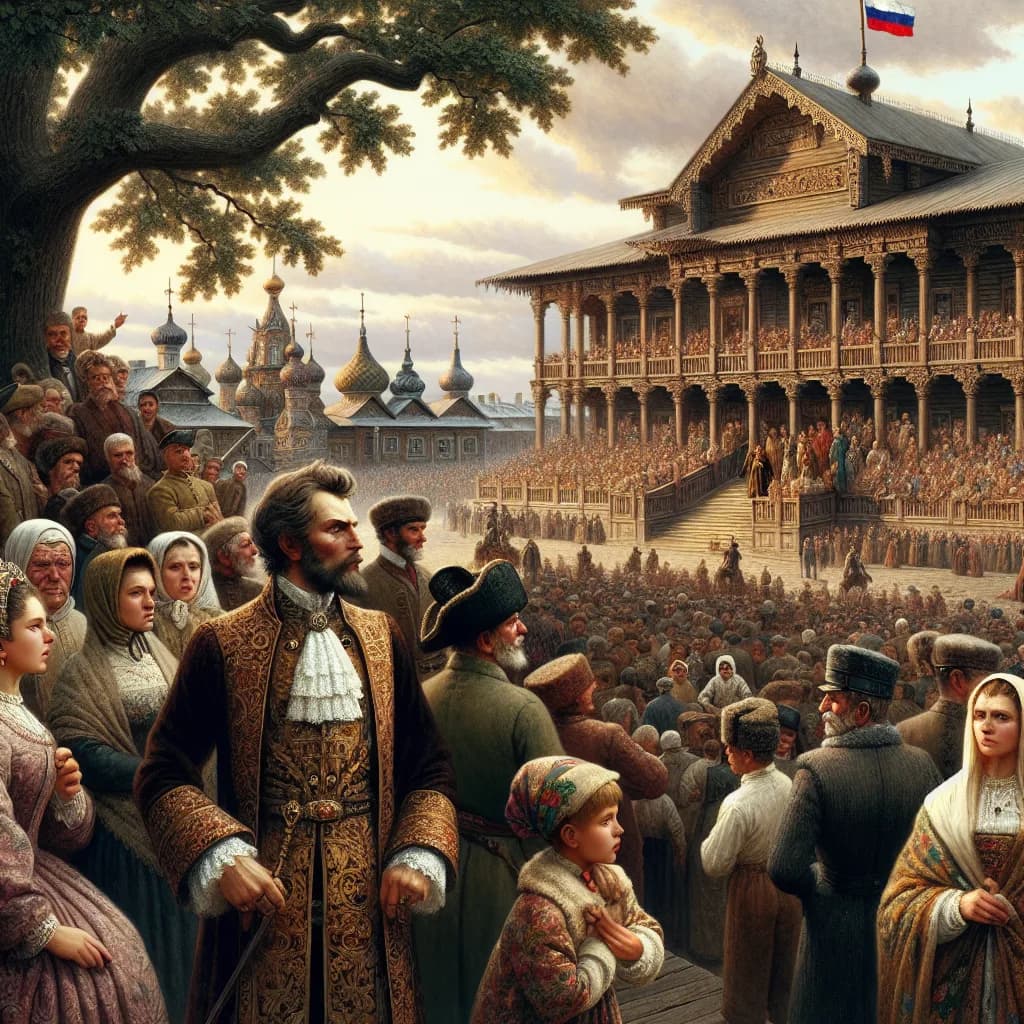
A large and diverse crowd gathered eagerly to witness the proceedings.
80First appears in Chapter 80

The Father Librarian, a monk of the hermitage, is present among the small group gathered in the cell.
7First appears in Chapter 7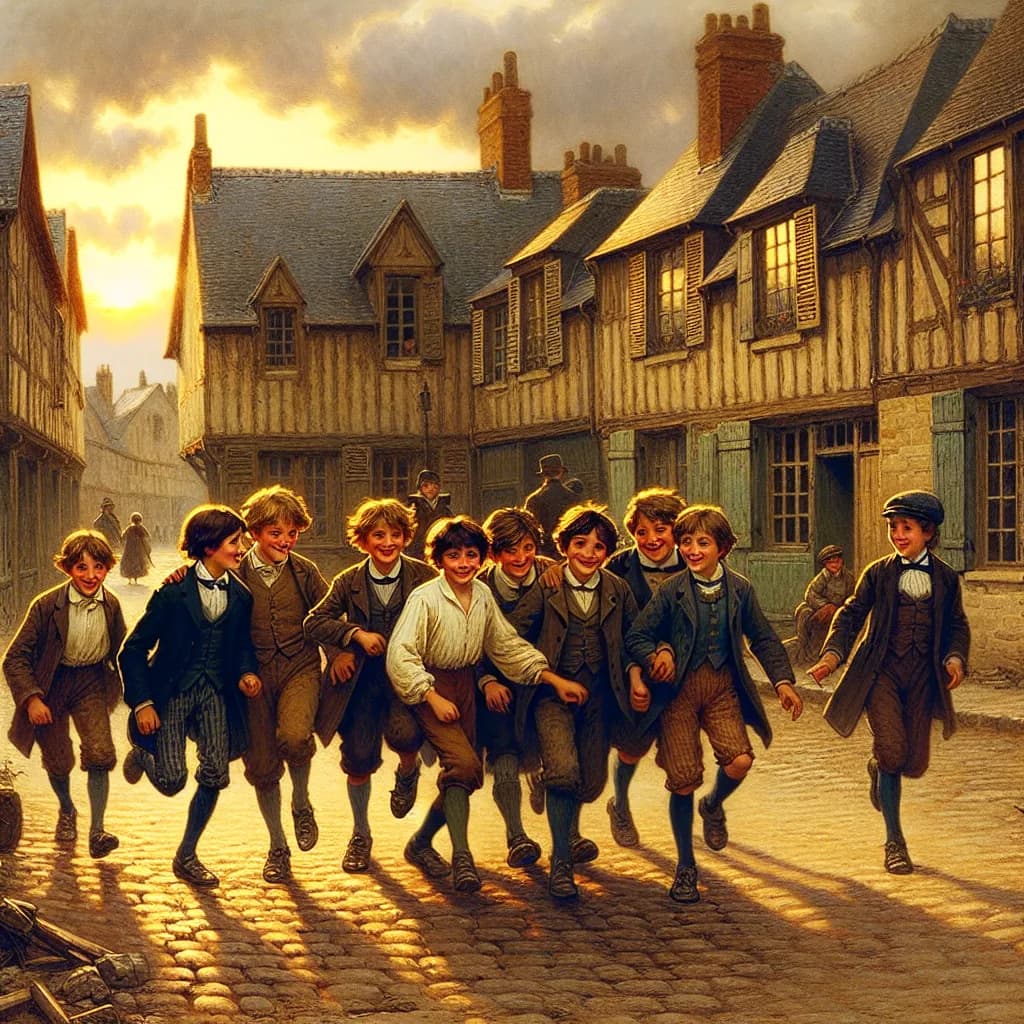
A group of lively schoolboys, aged nine to twelve, are heading home together after their lessons.
27First appears in Chapter 27
An officer, once briefly involved with Grushenka, whose actions left a lasting mark on her life.
44First appears in Chapter 44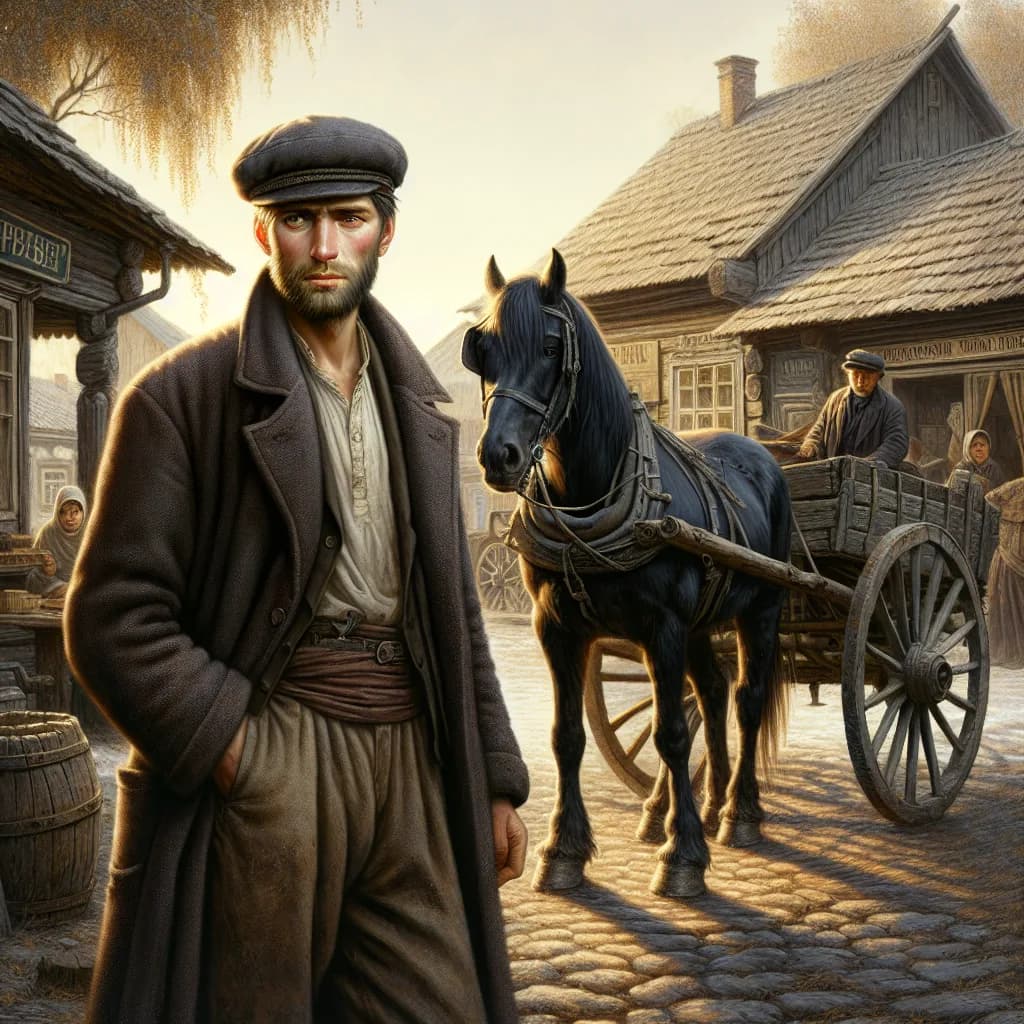
Andrey, the driver, waits with the cart and horses ready outside the shop.
50First appears in Chapter 50
Varvinsky, the district doctor and a recent, accomplished graduate from the Academy of Medicine in Petersburg, enters the scene.
55First appears in Chapter 55
Adelaïda Ivanovna Miüsov was Fyodor Pavlovitch’s first wife, a distinguished heiress from the noble Miüsov family.
1First appears in Chapter 1
Sofya Ivanovna, a gentle and youthful woman from another province, is Fyodor Pavlovich’s second wife.
3First appears in Chapter 3
Yefim Petrovitch Polenov, the province's Marshal of Nobility and principal heir, is introduced as a man of honesty and upright character.
3First appears in Chapter 3
A gentle, speechless woman known to everyone in town as Lizaveta Smerdyastchaya, or Stinking Lizaveta.
14First appears in Chapter 14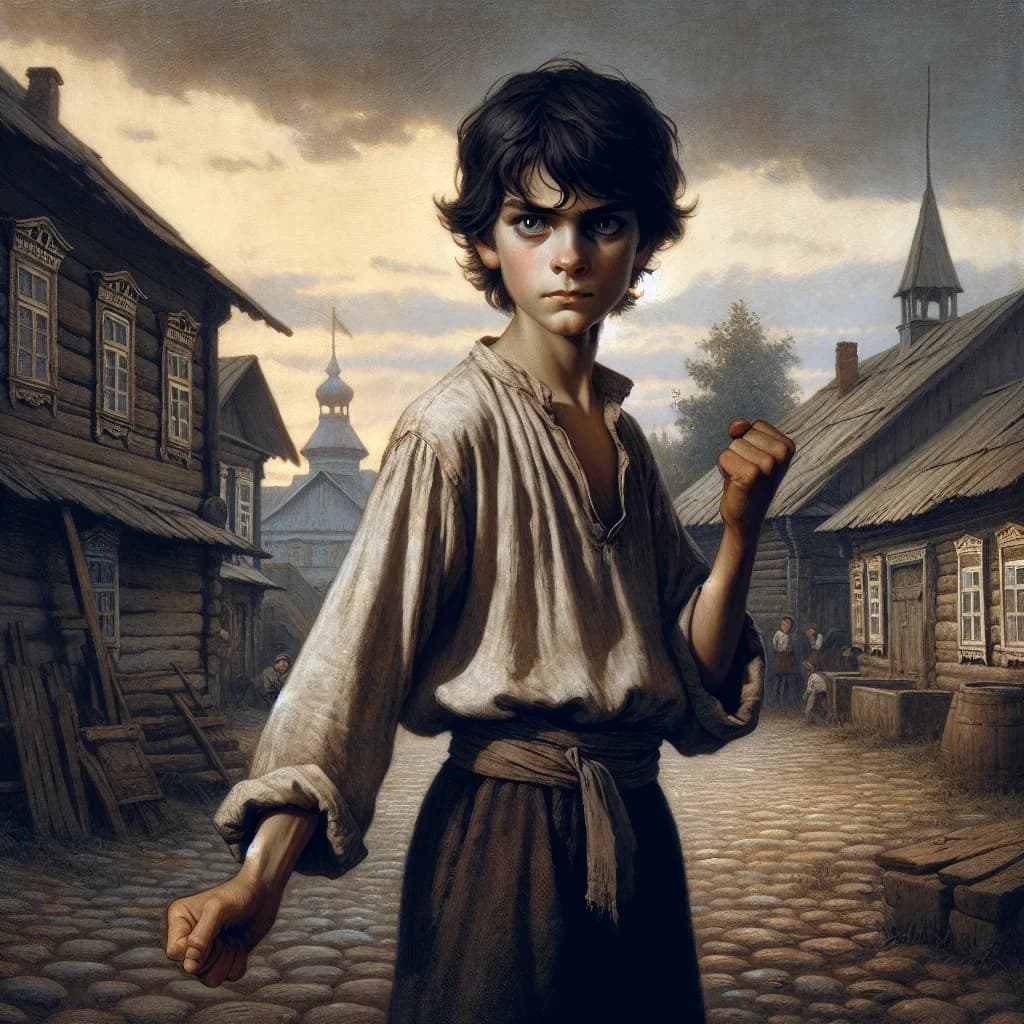
A left-handed boy, quick to act when provoked by his companions.
27First appears in Chapter 27
Arina Petrovna, a woman of humble origin and limited mobility, is introduced as the wife of the household’s master.
30First appears in Chapter 30
A gentle and angelic young woman, Nina is introduced as the daughter of the speaker.
30First appears in Chapter 30
A landowner known as Gorstkin, whose real name is Lyagavy, and who is sensitive about his true name.
38First appears in Chapter 38
Timofey is the dependable driver responsible for managing the horses and carriage for his employers.
44First appears in Chapter 44

Perezvon is a big, shaggy, mangy dog recently adopted and kept secretly indoors by his owner.
63First appears in Chapter 63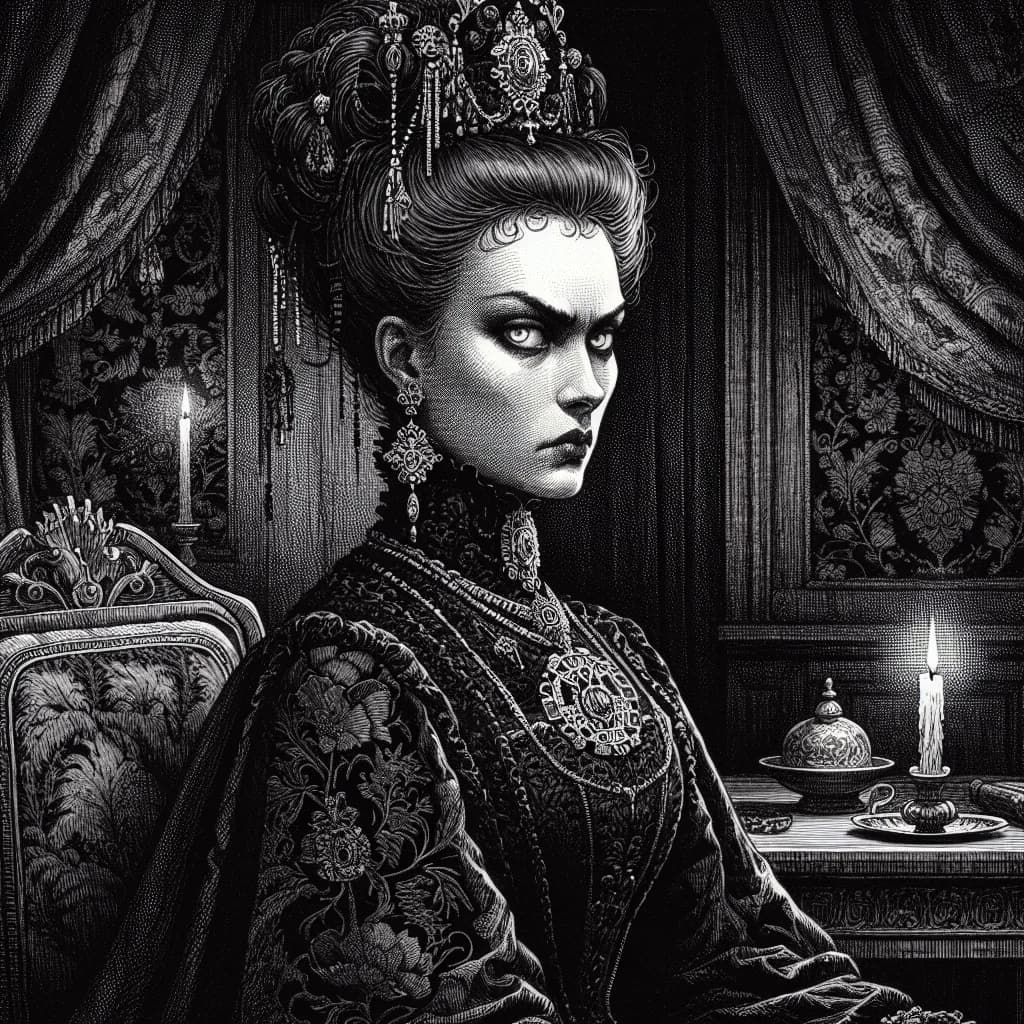
The General’s widow, an embittered and formidable woman, crosses their path with evident scorn.
3First appears in Chapter 3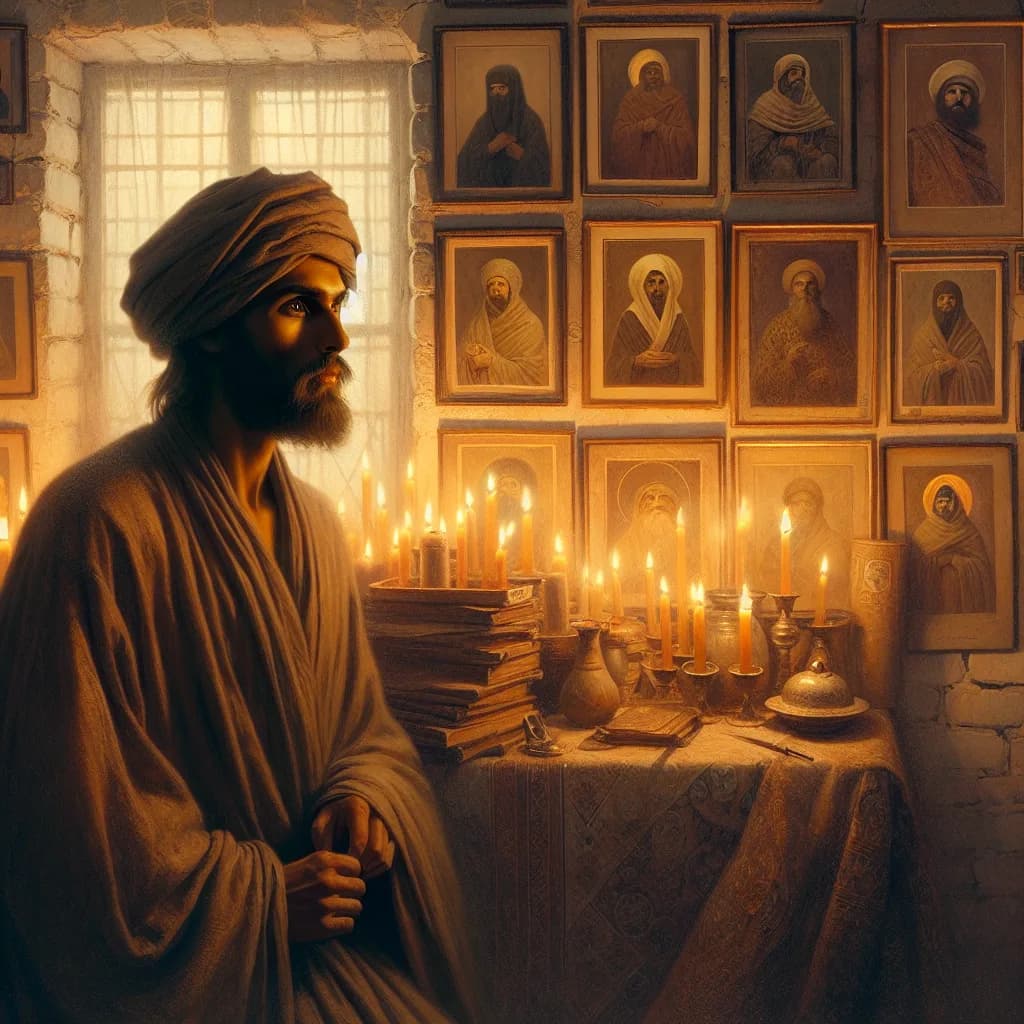
Old prints of saints and martyrs, common at Russian fairs, decorate the room’s walls.
7First appears in Chapter 7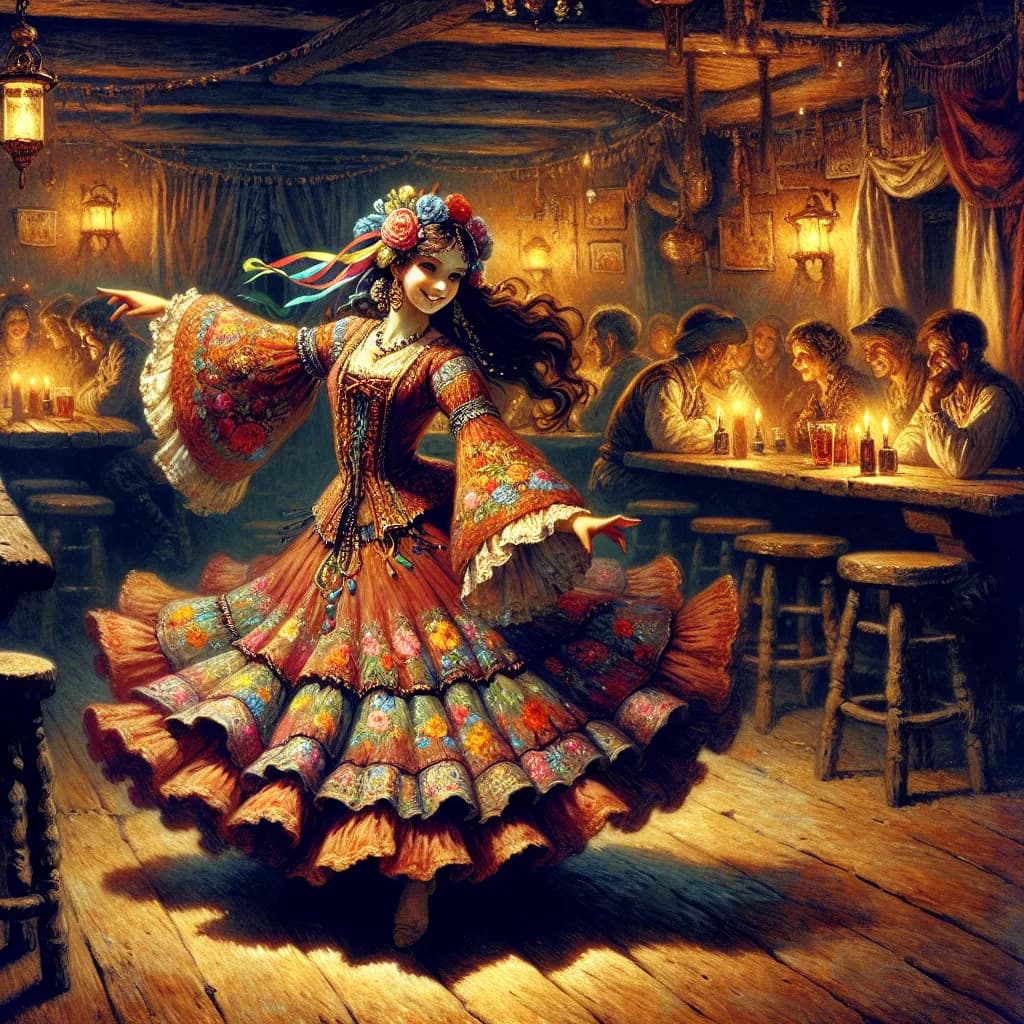
A group of lively entertainers, the gypsy girls sing and dance in the tavern, captivating the attention of the patrons.
12First appears in Chapter 12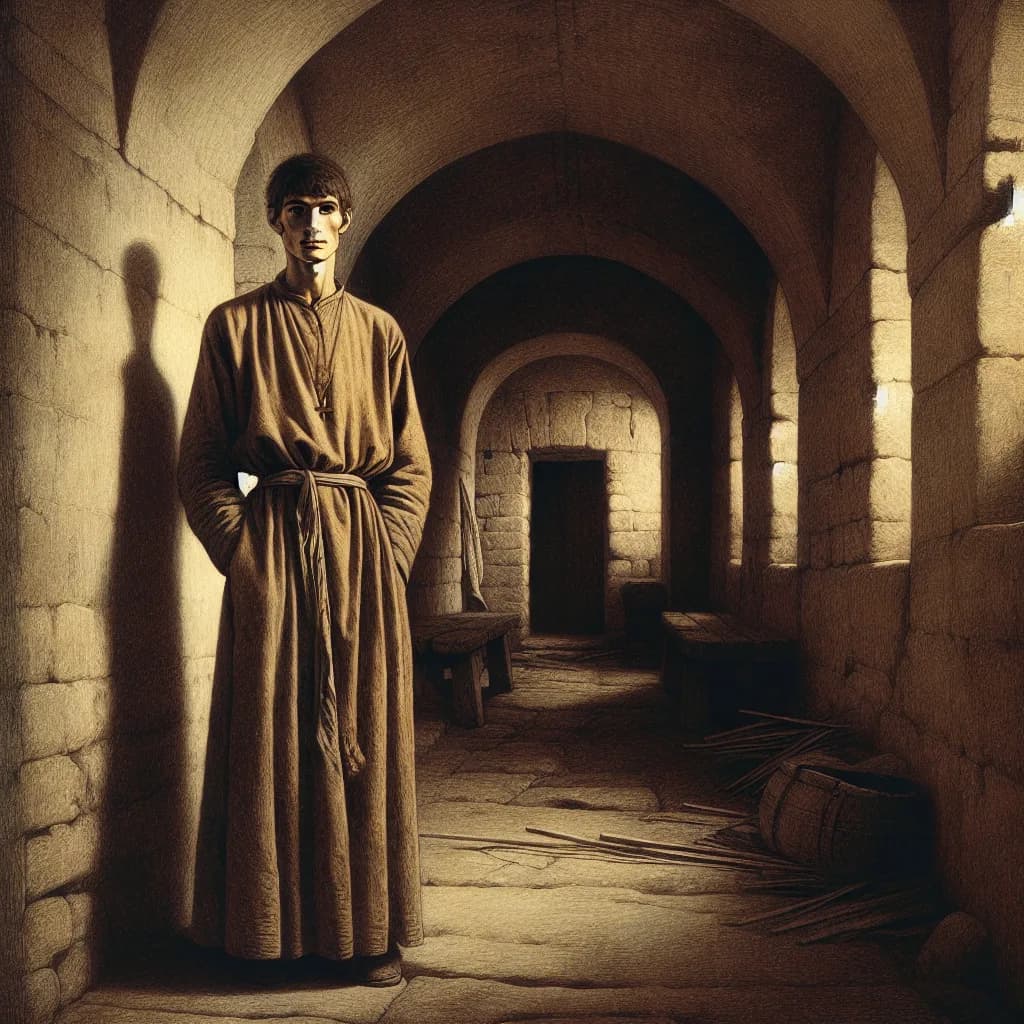
Porfiry, a servant in the monastery, stands quietly by, ready to assist as needed.
12First appears in Chapter 12
Pushkin, a celebrated Russian poet, is mentioned for his verses admiring women and their charm.
12First appears in Chapter 12
Agafya Ivanovna, a warm-hearted and stout Russian woman with striking eyes, is introduced as a figure of kindness and practical charm.
17First appears in Chapter 17
A representative for the prosecution, tasked with presenting evidence and arguments against the accused.
81First appears in Chapter 81
A distinguished and affluent noble family from the district, the Miüsovs are known for their land, status, and refined upbringing.
1First appears in Chapter 1
One of Jesus’s disciples, Apostle Thomas is known for his initial doubt and desire for tangible proof before believing.
5First appears in Chapter 5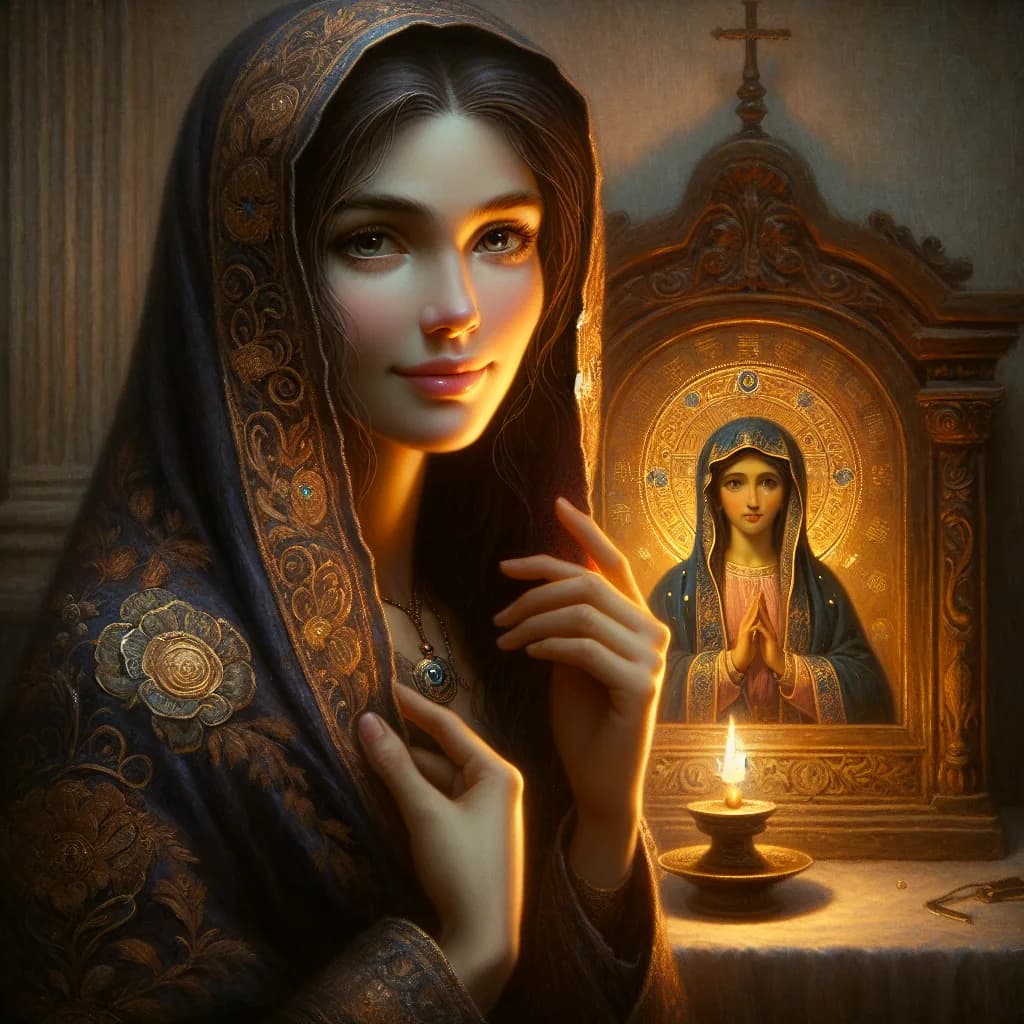
The Virgin is depicted as a revered figure in an old icon, before which a lamp silently burns in the corner of the room.
7First appears in Chapter 7

Katchalnikov, the justice of the peace, is a sharply dressed man known for his precise judgments.
11First appears in Chapter 11

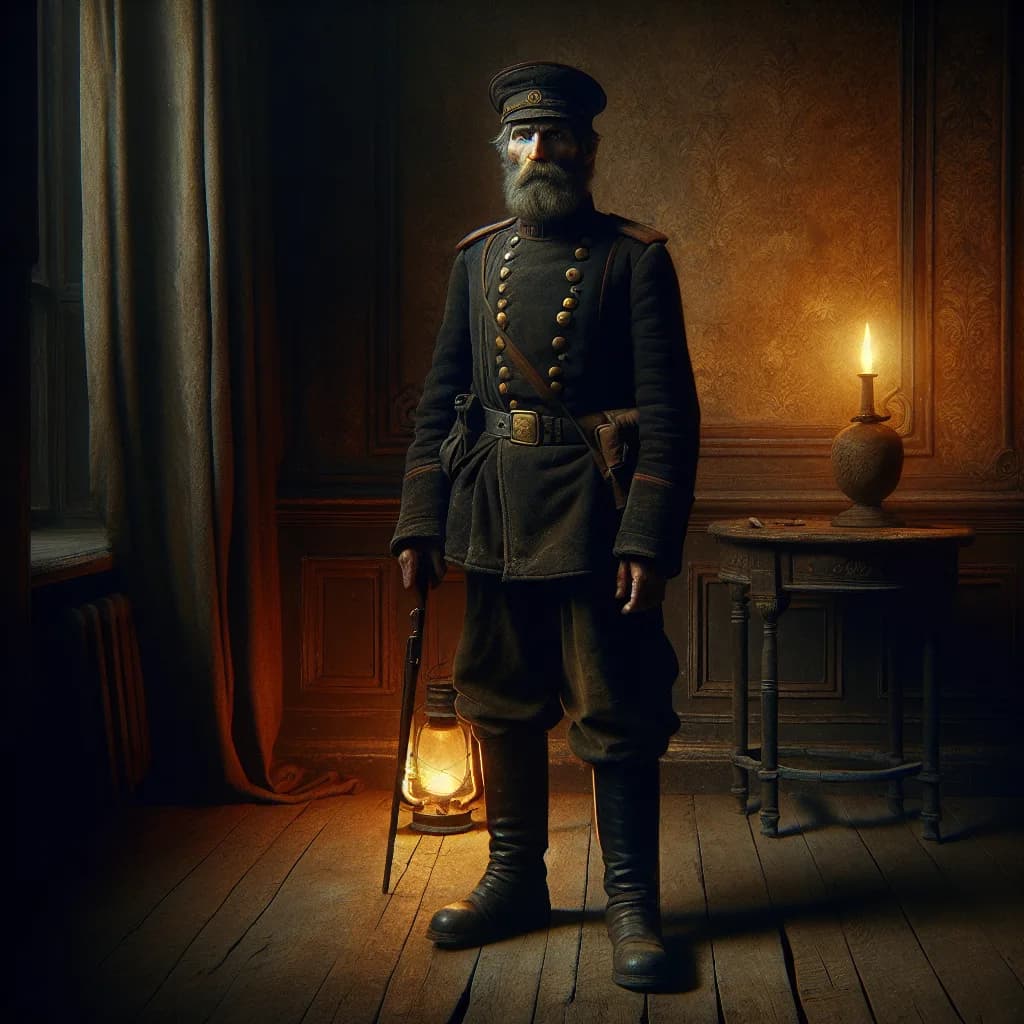
Foma, a former soldier from the same regiment as the speaker, now works as a night watchman in the house.
18First appears in Chapter 18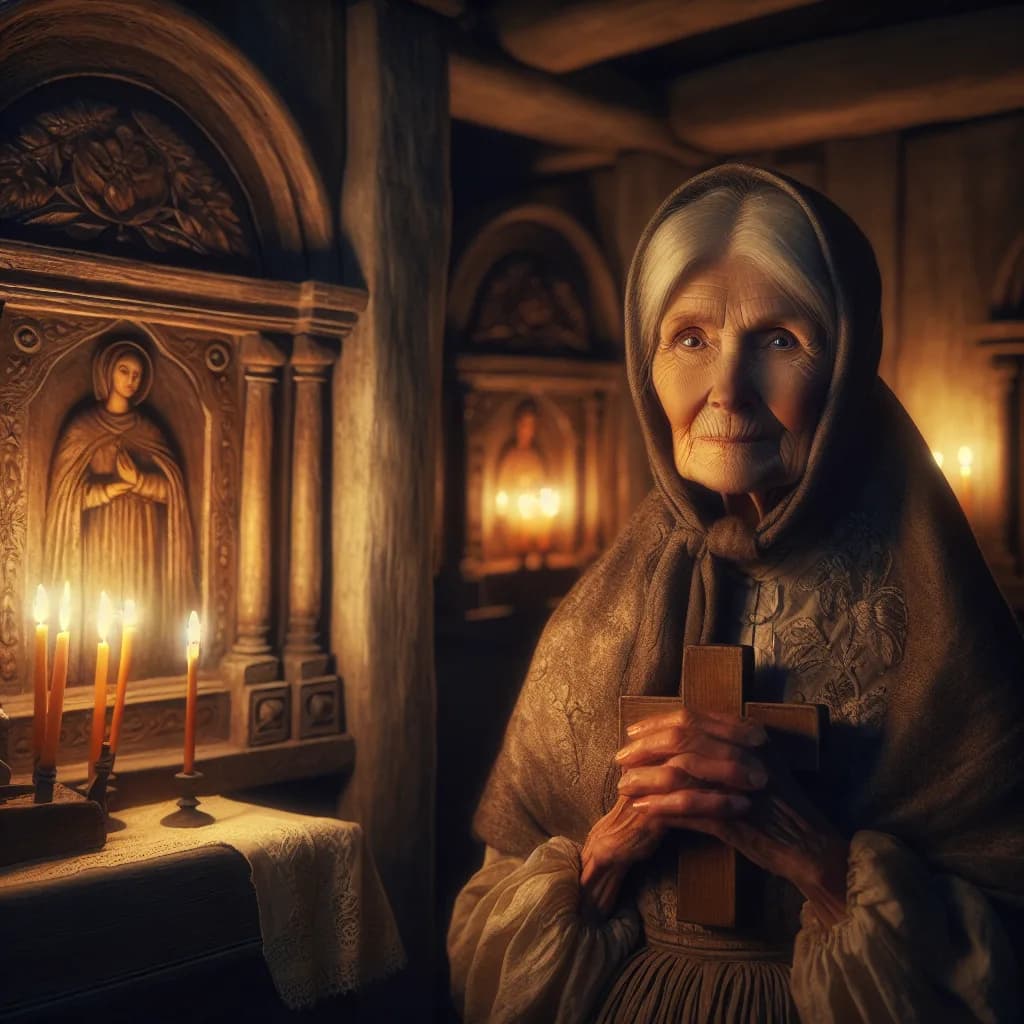
An elderly woman revered for her deep faith and humility.
22First appears in Chapter 22
A devoted servant in the household, Yulia is attentive and quick to bring news to the family.
28First appears in Chapter 28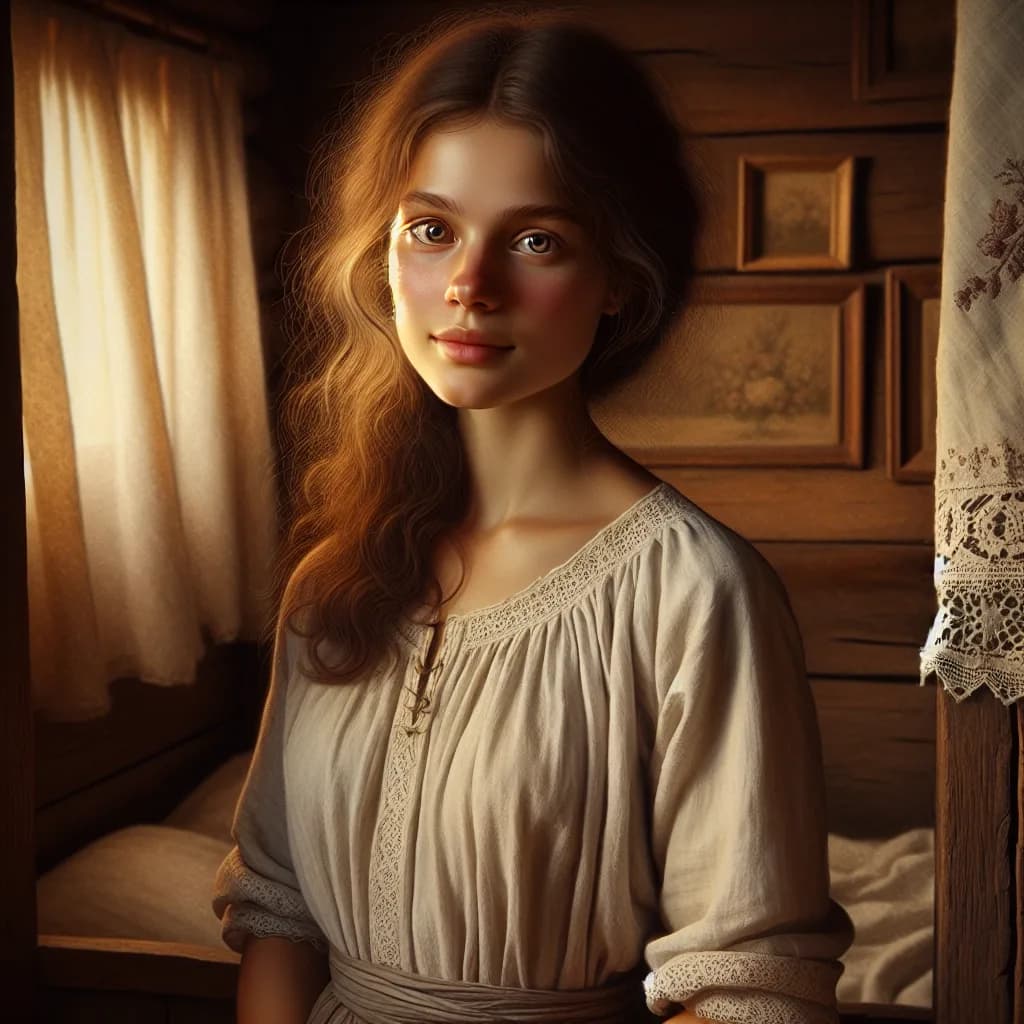
A gentle and caring woman, Varvara is present as a quiet companion in the household.
30First appears in Chapter 30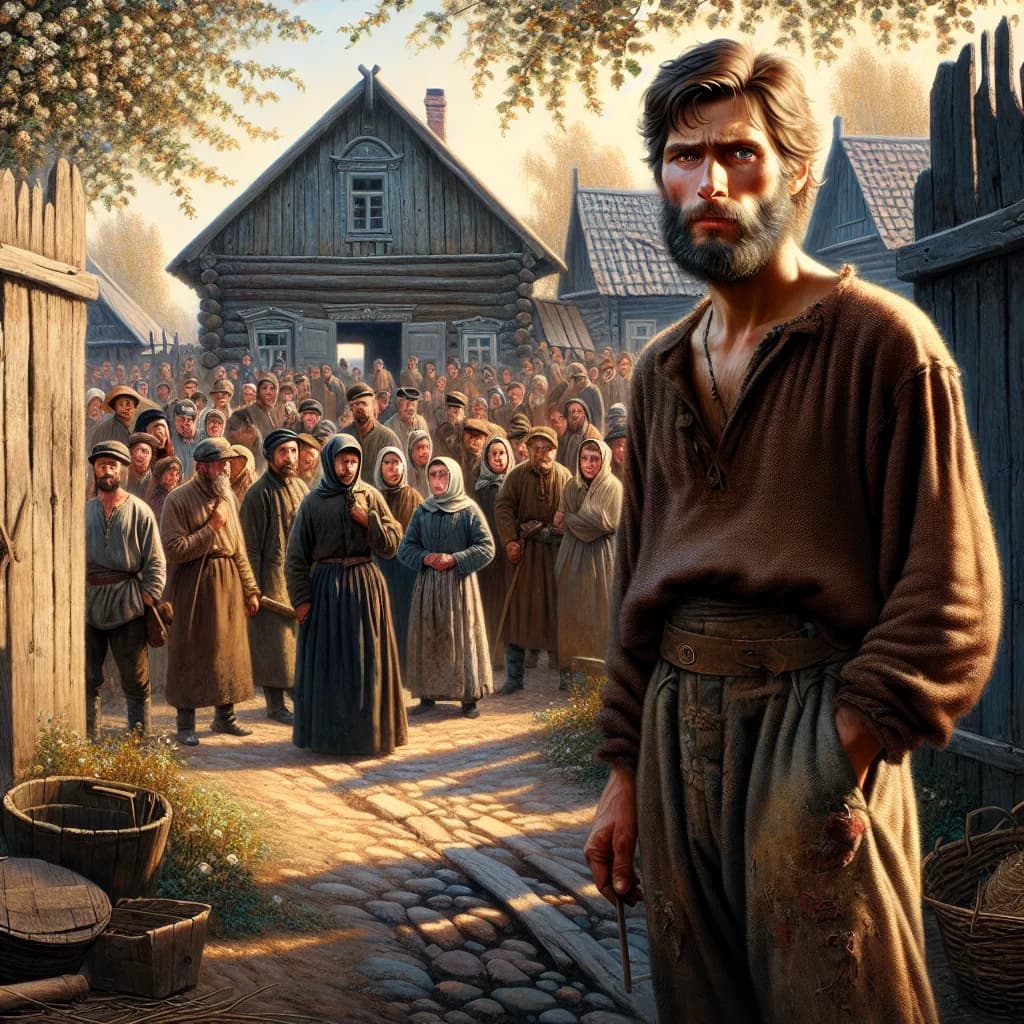
A group of local villagers, mostly gathered outside the gates, curious but hesitant to enter.
42First appears in Chapter 42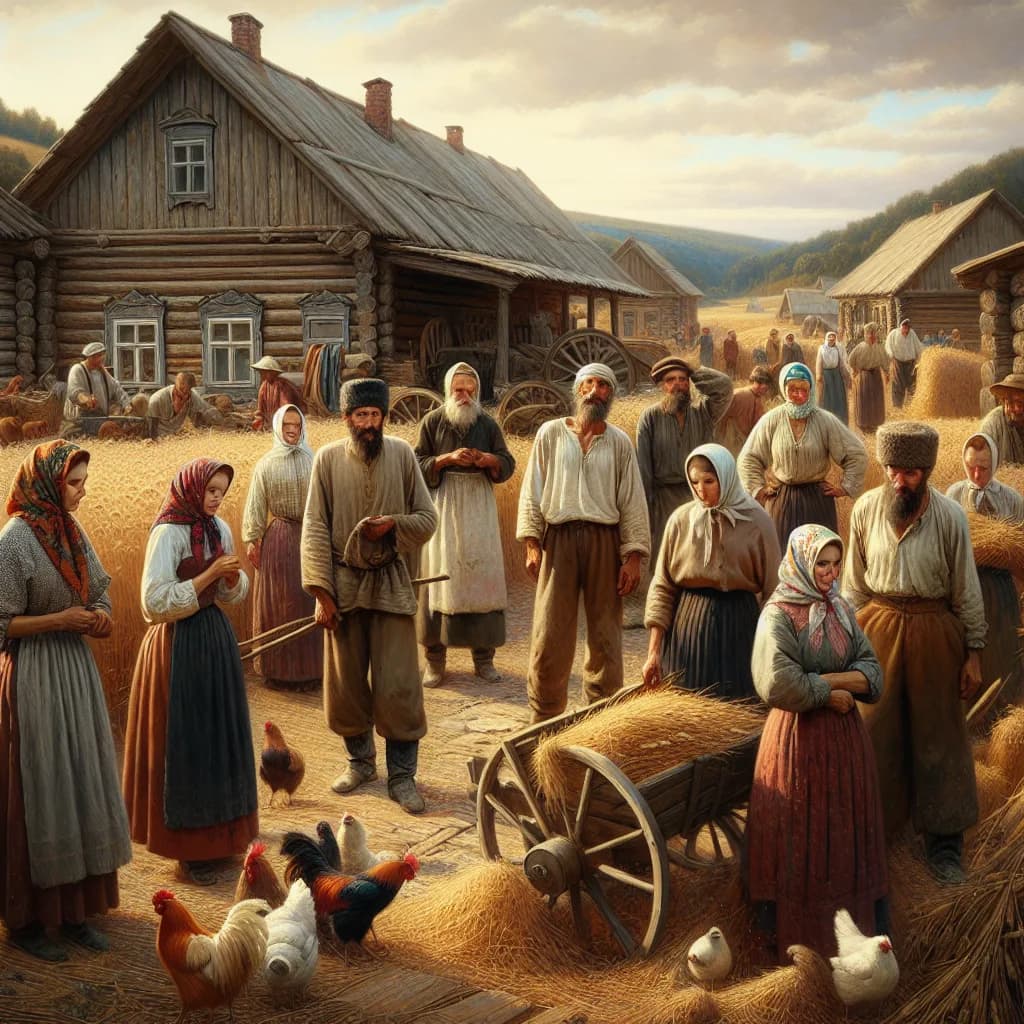
A group of hardworking country folk from the surrounding villages.
50First appears in Chapter 50
A group of rural villagers from Mokroe, accustomed to the local customs and life of the countryside.
51First appears in Chapter 51

Mavriky Mavrikyevitch, the recently arrived inspector of police, was a man well known in the town.
53First appears in Chapter 53
Two mysterious Polish gentlemen staying at the inn, known for keeping to themselves and arousing curiosity among the townsfolk.
53First appears in Chapter 53
A man in a worn hunting-jacket, quietly prepared with ink and paper, served as the investigating lawyer's attentive secretary.
56First appears in Chapter 56

A well-respected physician from Moscow, recently arrived in town at Katerina Ivanovna’s request.
76First appears in Chapter 76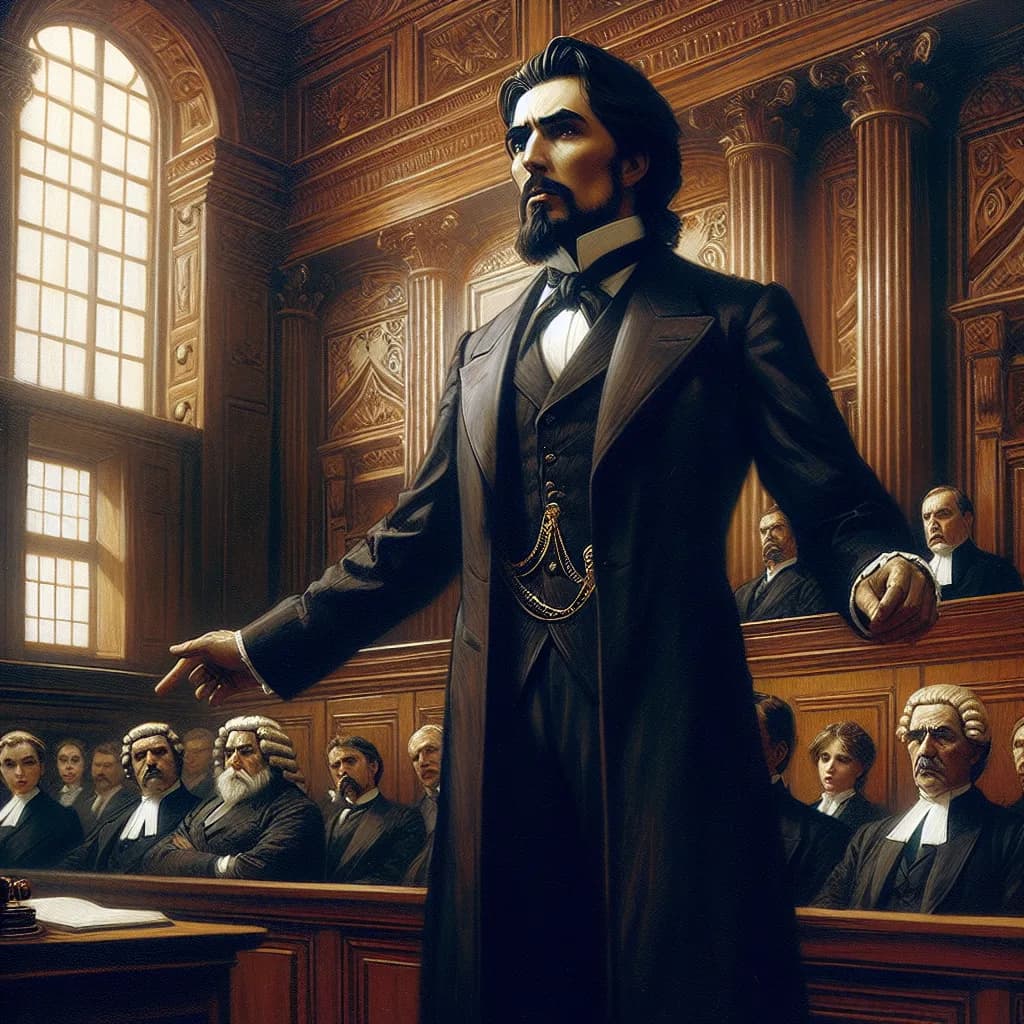
A representative speaking on behalf of the accused, tasked with arguing in their favor during the trial.
81First appears in Chapter 81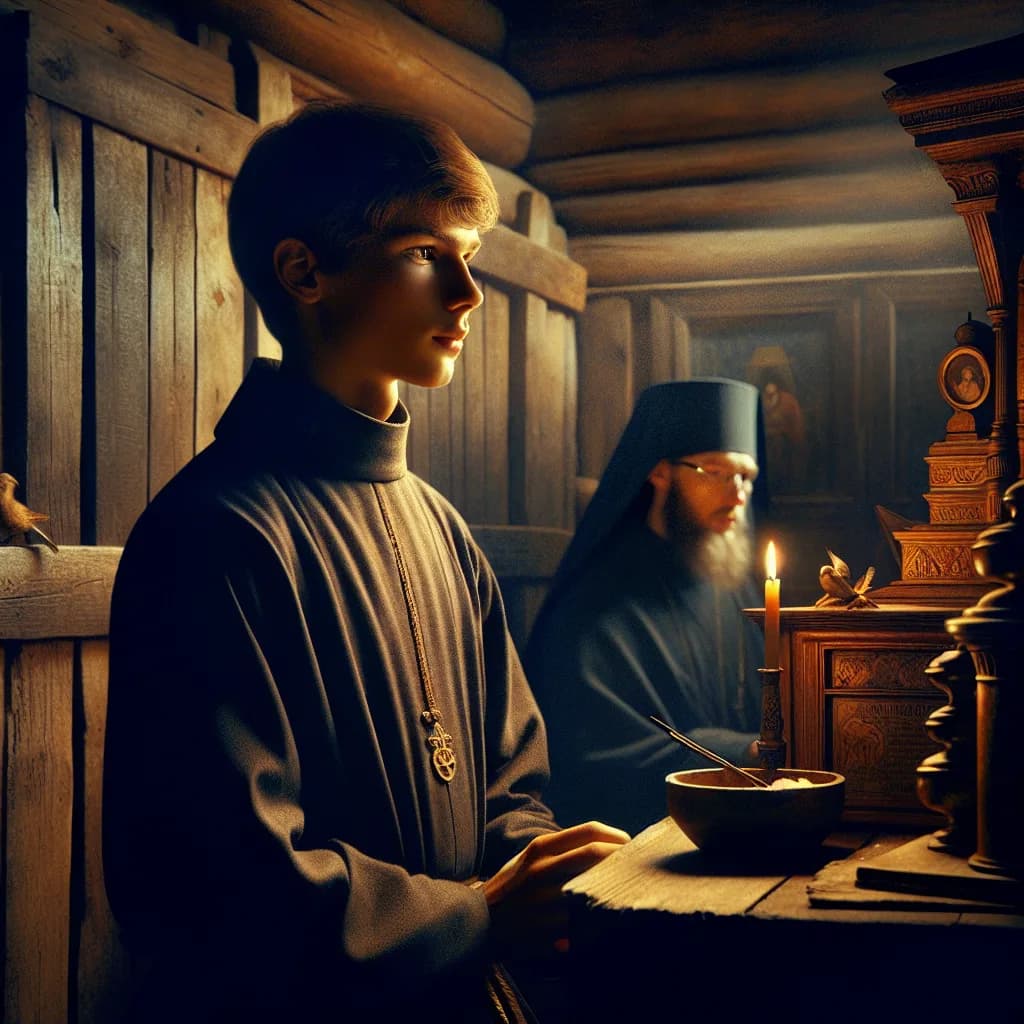
A young attendant of the monastery, quietly assisting Father Zossima.
7First appears in Chapter 7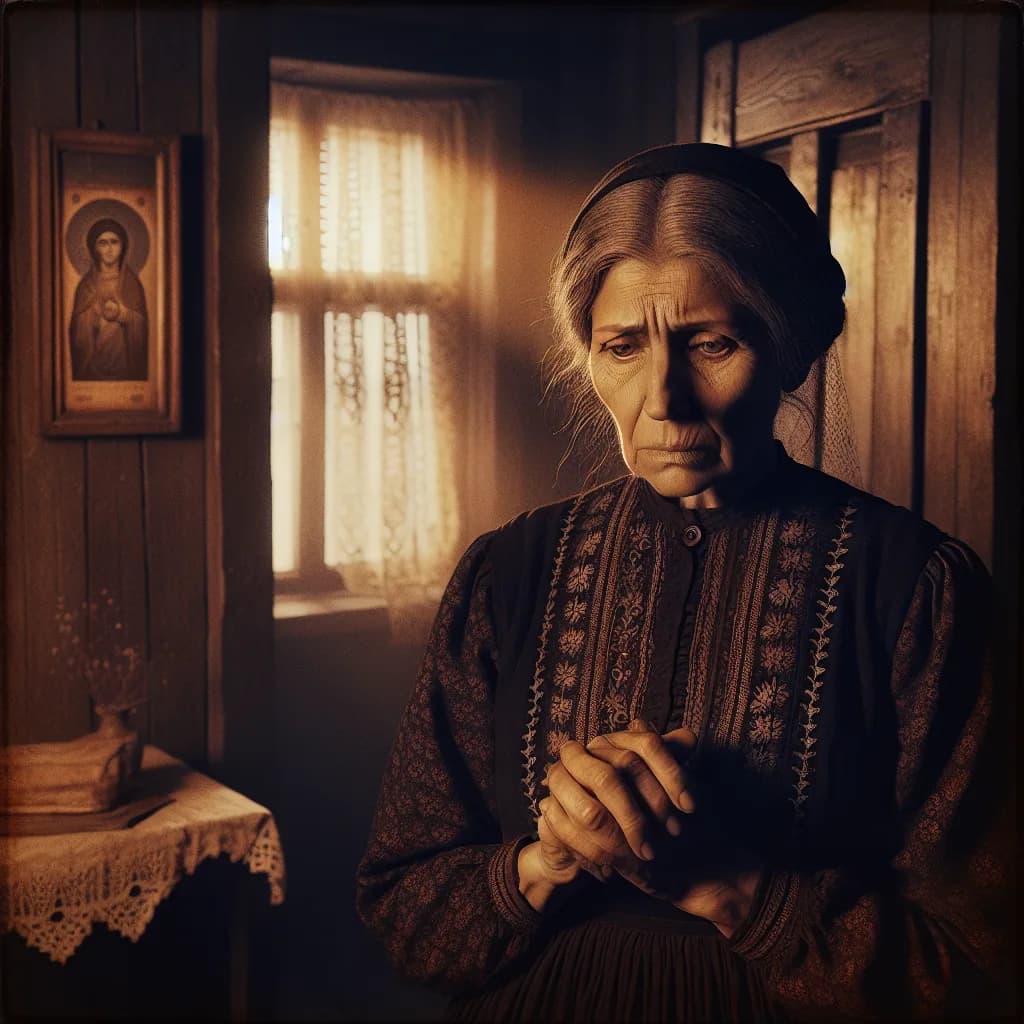
Prohorovna, a concerned mother, is introduced in conversation about her son's well-being and her efforts to seek guidance from others in her community.
8First appears in Chapter 8
A wealthy merchant’s wife known for giving advice to others in the community.
8First appears in Chapter 8

A newly appointed major arrives unexpectedly to take command of the battalion.
17First appears in Chapter 17
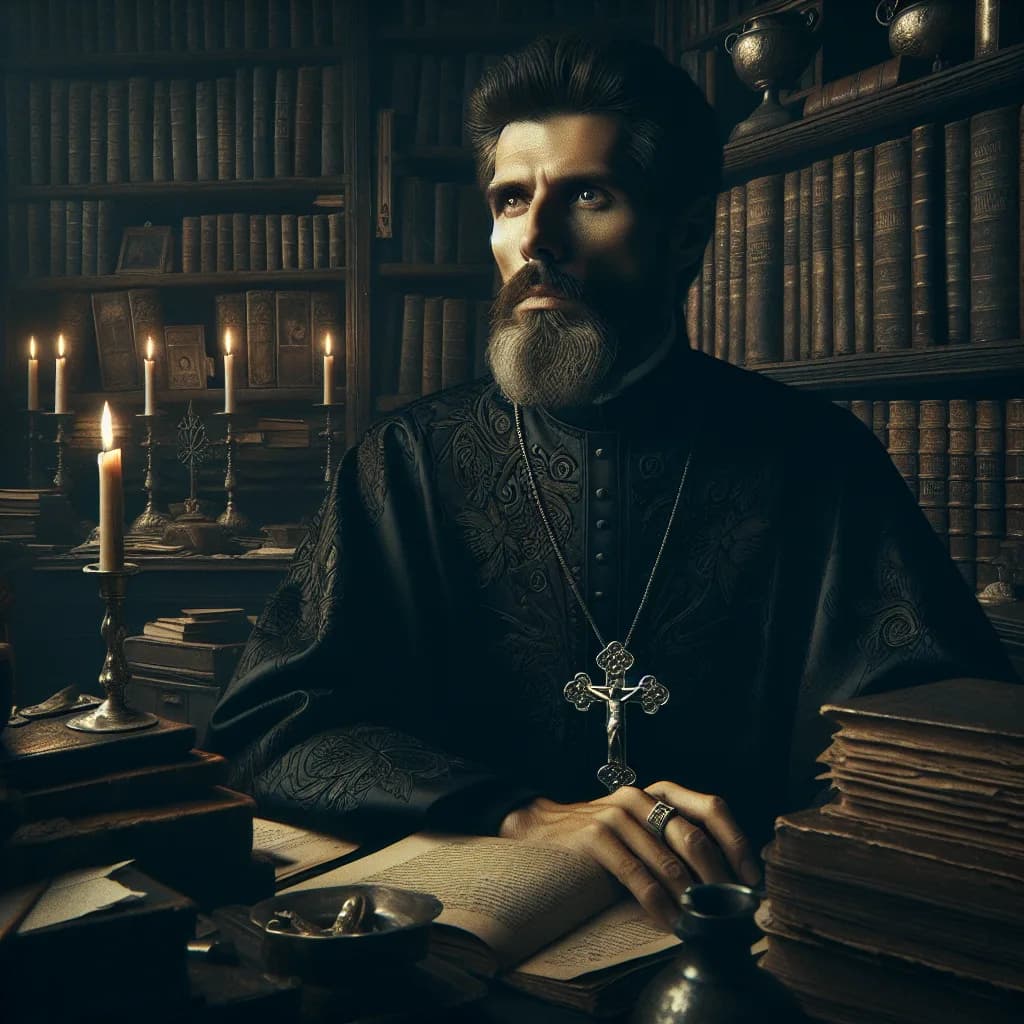
A Catholic religious order known for their education and scholarship, often mentioned with suspicion by some characters.
36First appears in Chapter 36


An aged and austere monk, Father Ferapont lives in seclusion behind the monastery’s apiary.
25First appears in Chapter 25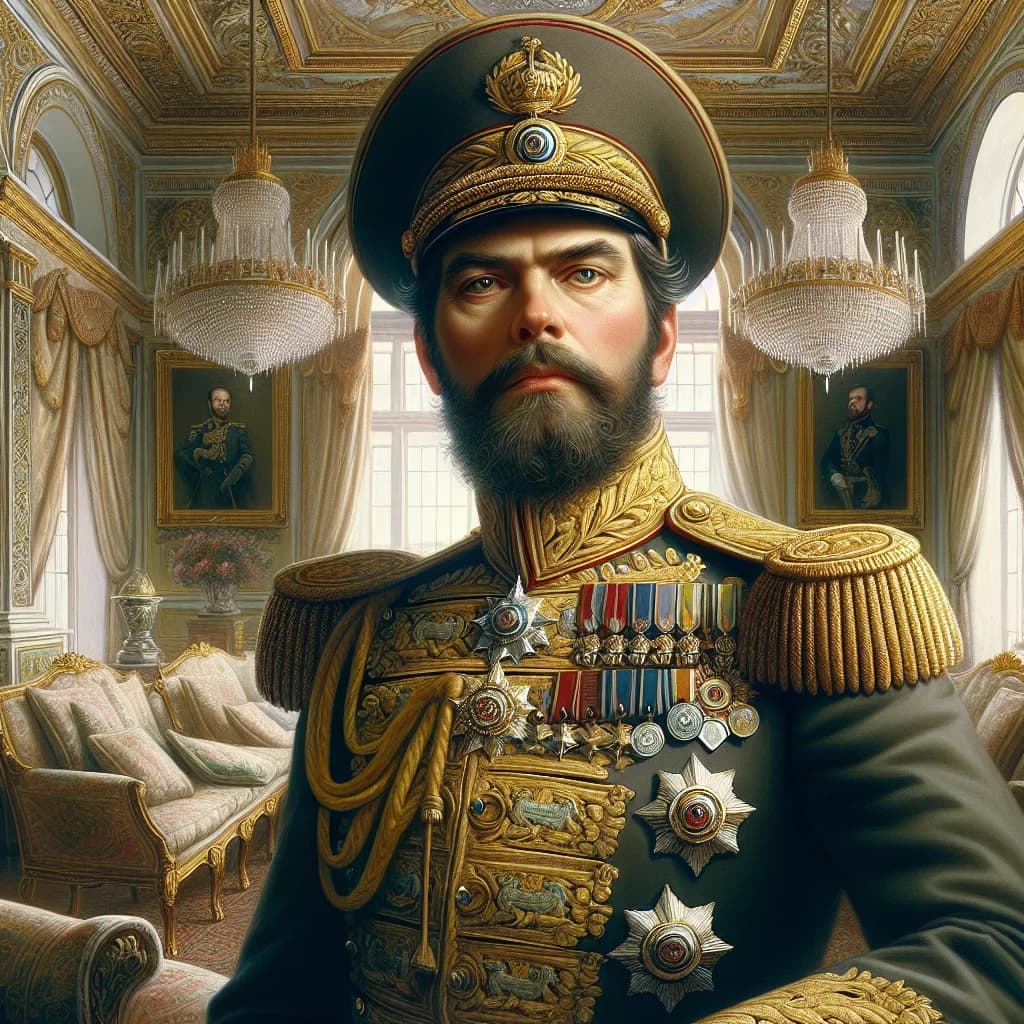
Napoleon, the first Emperor of the French, is mentioned as a powerful and influential historical figure.
33First appears in Chapter 33

Afanasy, the narrator’s recently hired orderly, is introduced as a servant who has suffered his master’s violent temper.
39First appears in Chapter 39
A figure from the Bible, renowned for his unwavering faith and endurance amid suffering.
39First appears in Chapter 39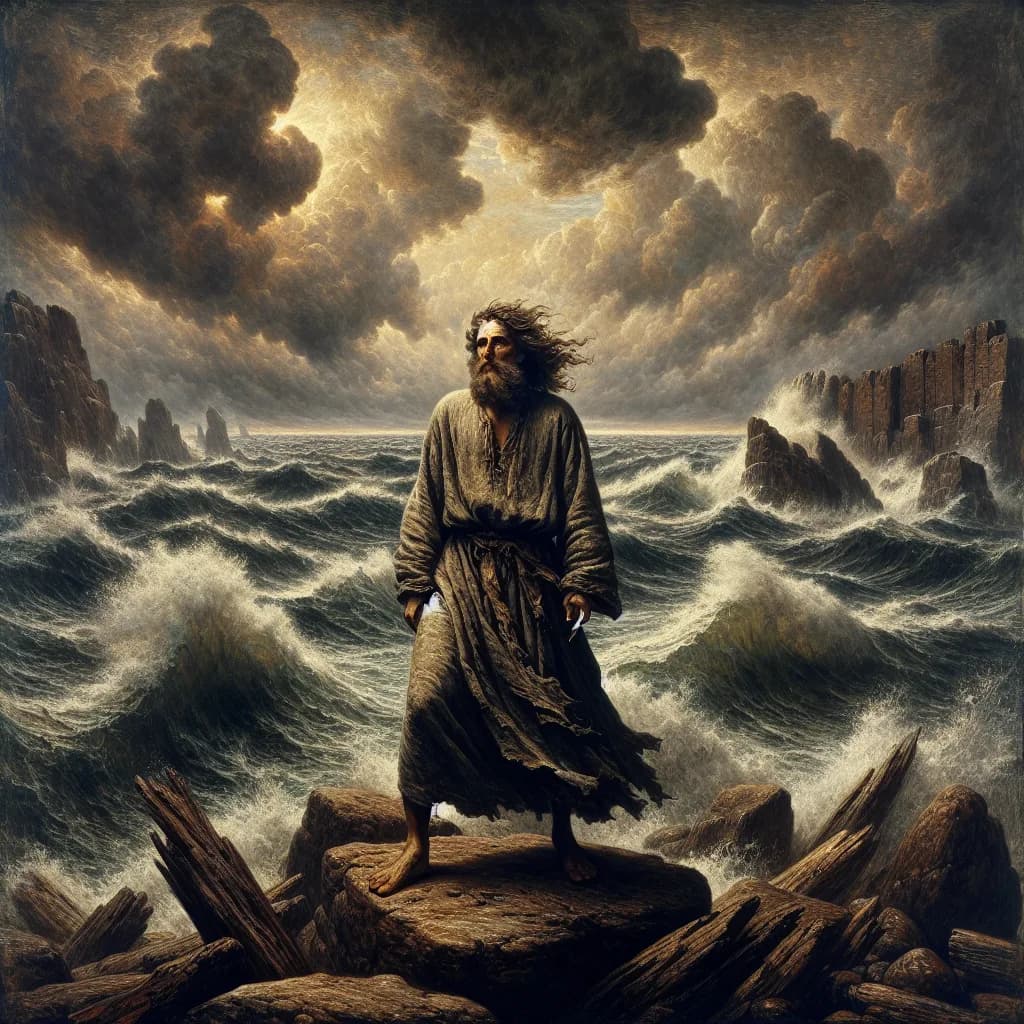
A prophet from the Old Testament, known for being swallowed by a great fish.
39First appears in Chapter 39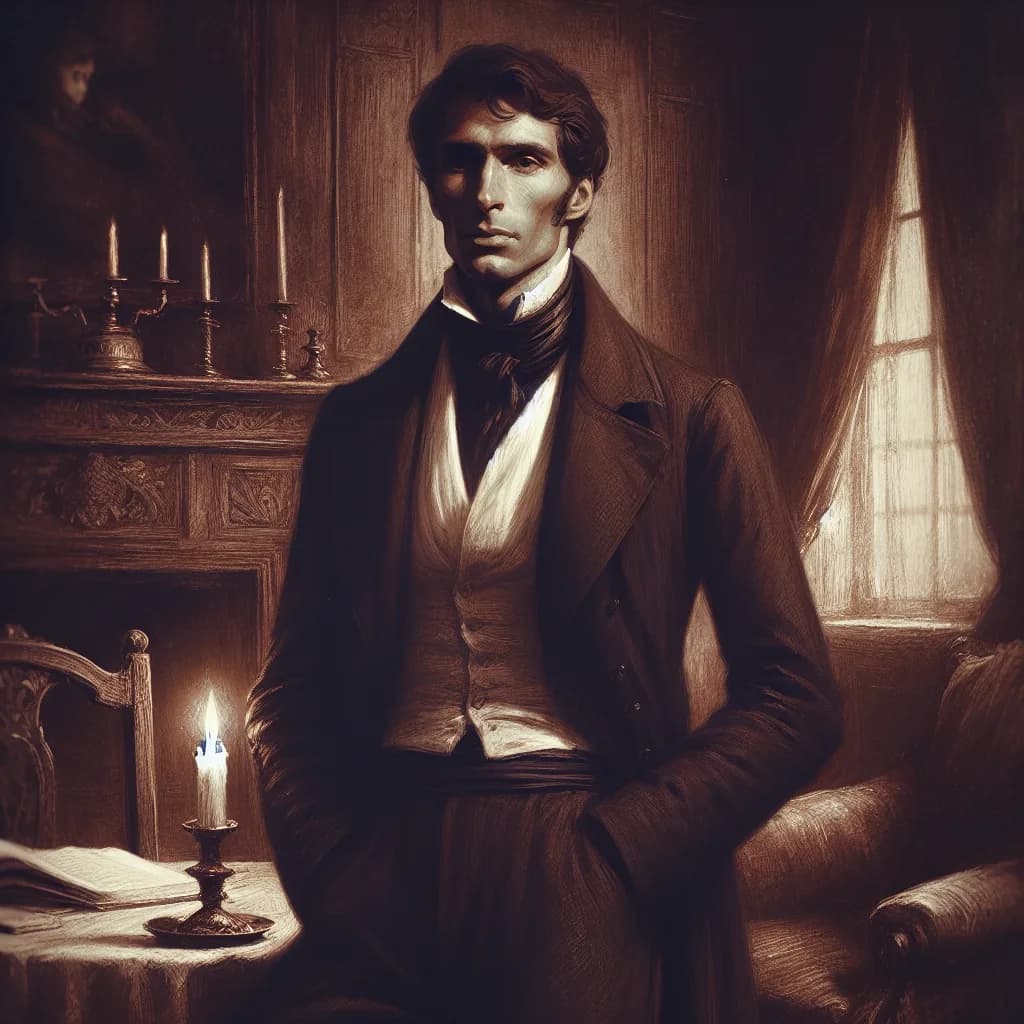
Markel, my elder brother, was a quiet and kind-hearted man, known for his quick temper and reserved nature.
39First appears in Chapter 39


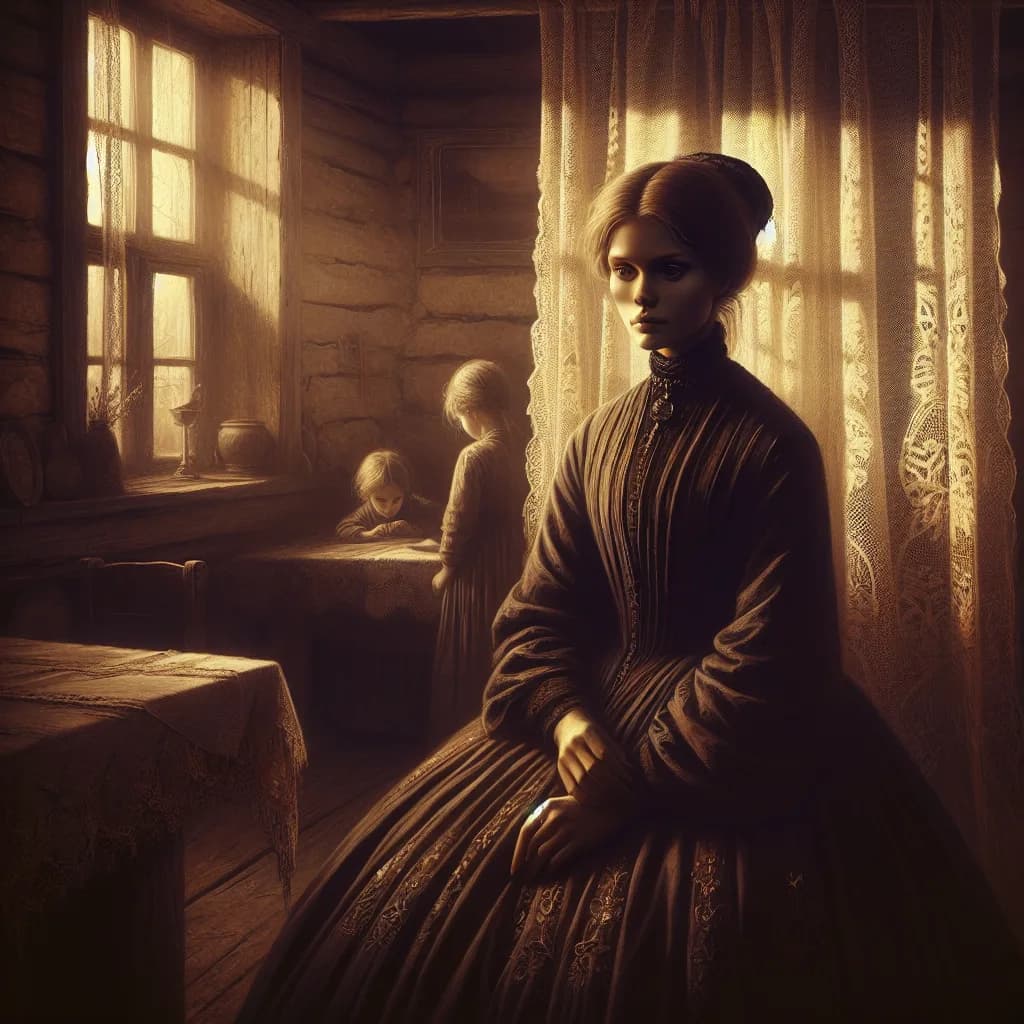
A quiet, reclusive woman, the widow Morozov lives in an old stone house with her two unmarried nieces.
44First appears in Chapter 44


A man from Grushenka’s past, of whom she speaks with bitterness and pride.
52First appears in Chapter 52

A small, dignified Polish gentleman and retired veterinary official, Pan Mussyalovitch is introduced among the group giving evidence.
61First appears in Chapter 61
Pan Vrublevsky, an uncertificated dentist, appears among the witnesses questioned by the investigators.
61First appears in Chapter 61
A tiny infant, whose faint cries drift through Mitya’s restless dream.
61First appears in Chapter 61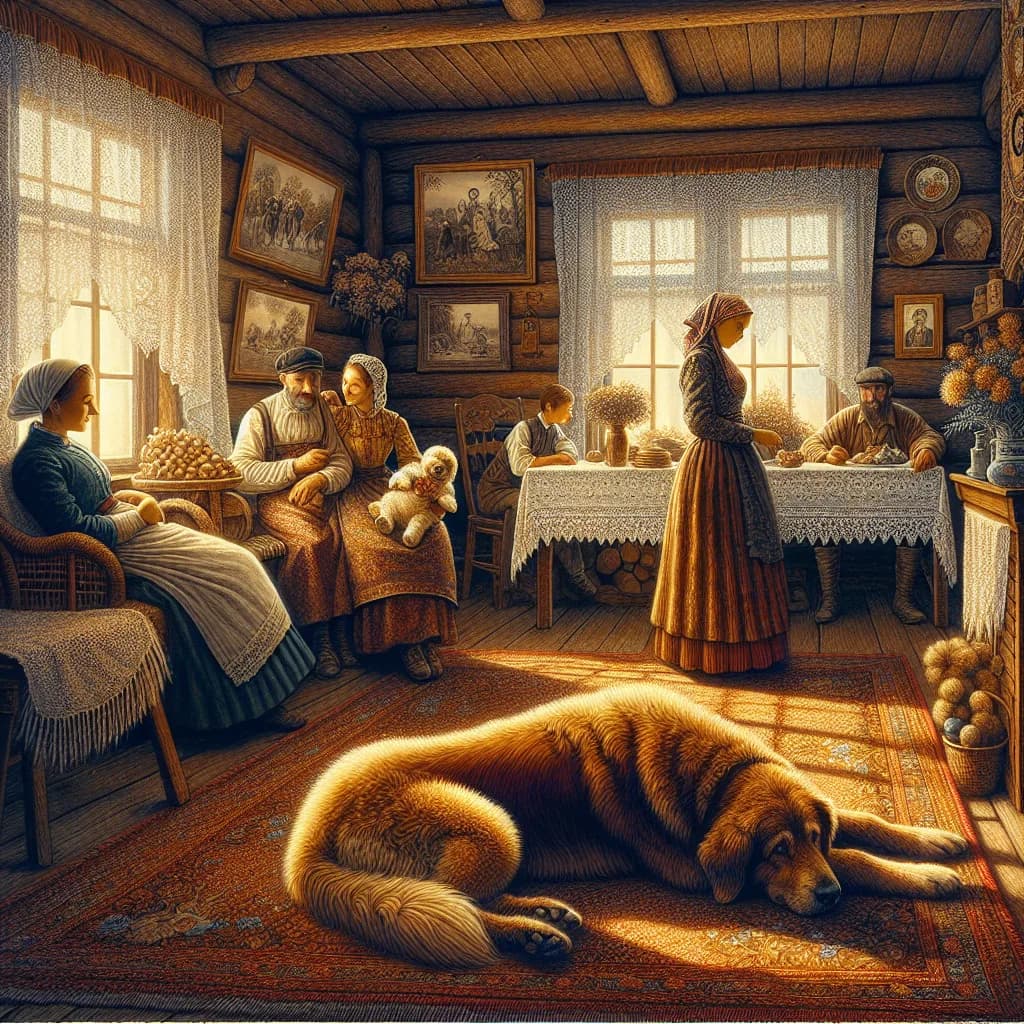
Zhutchka is a dog fondly remembered by some of the characters, though no longer present.
65First appears in Chapter 65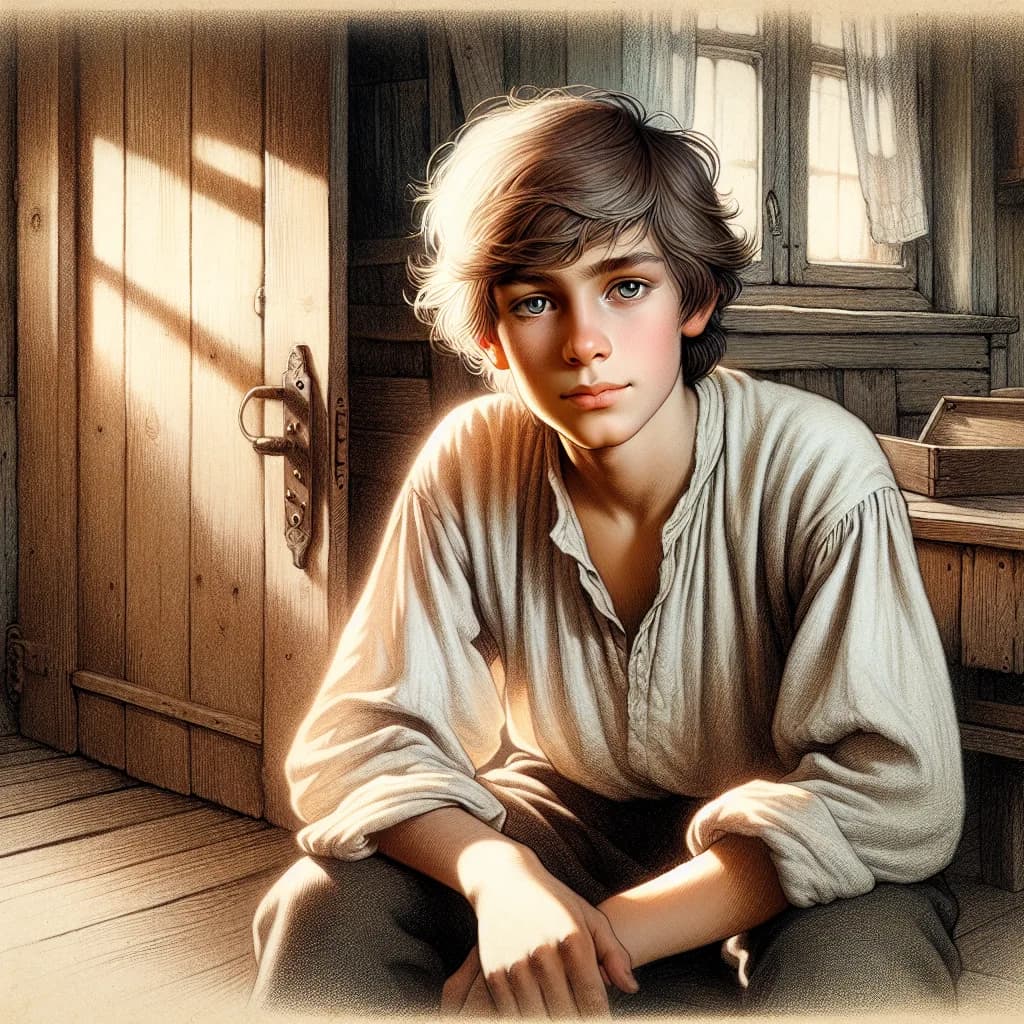
A shy, good-looking eleven-year-old boy called Kartashov sat quietly near the door.
67First appears in Chapter 67


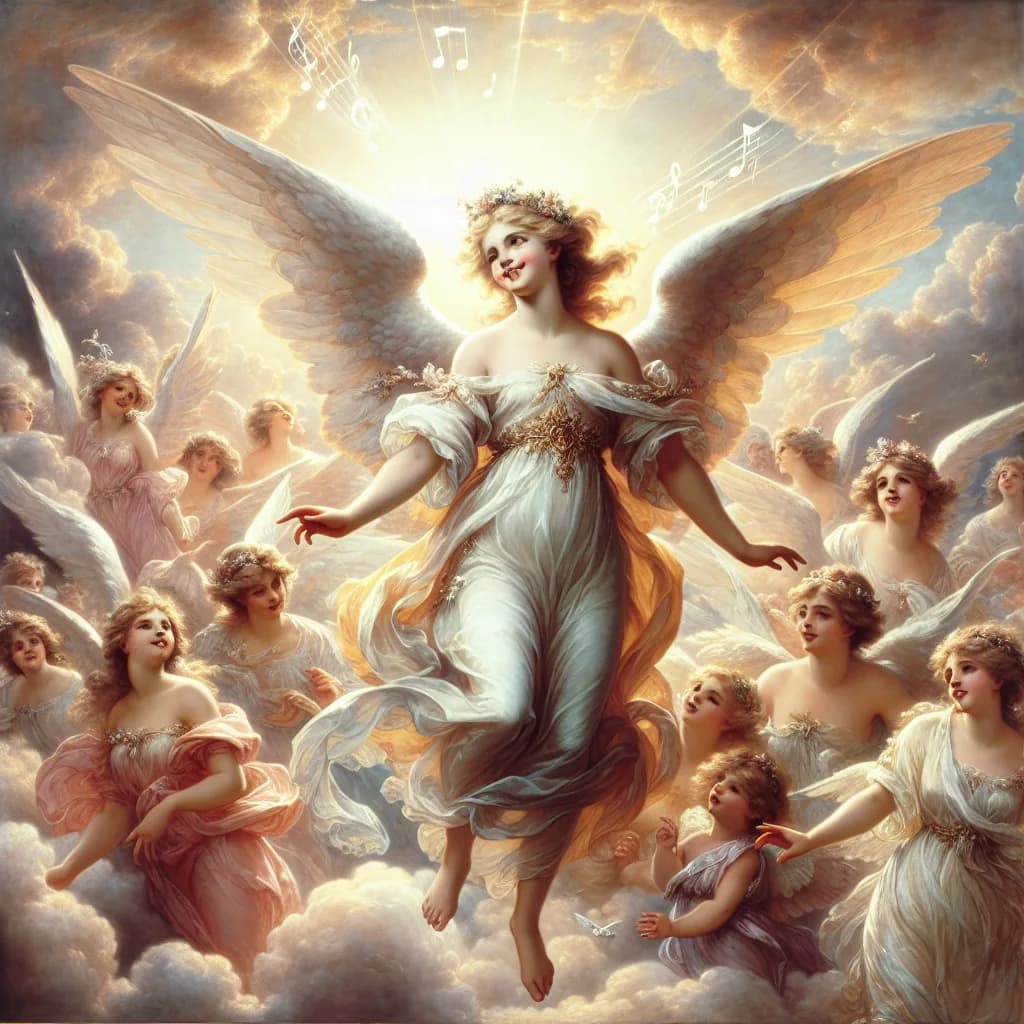
A choir of radiant angels, the cherubim sing joyously amid the heavenly host.
78First appears in Chapter 78
The lawyer assigned to defend the accused stands beside the prisoner during the trial.
80First appears in Chapter 80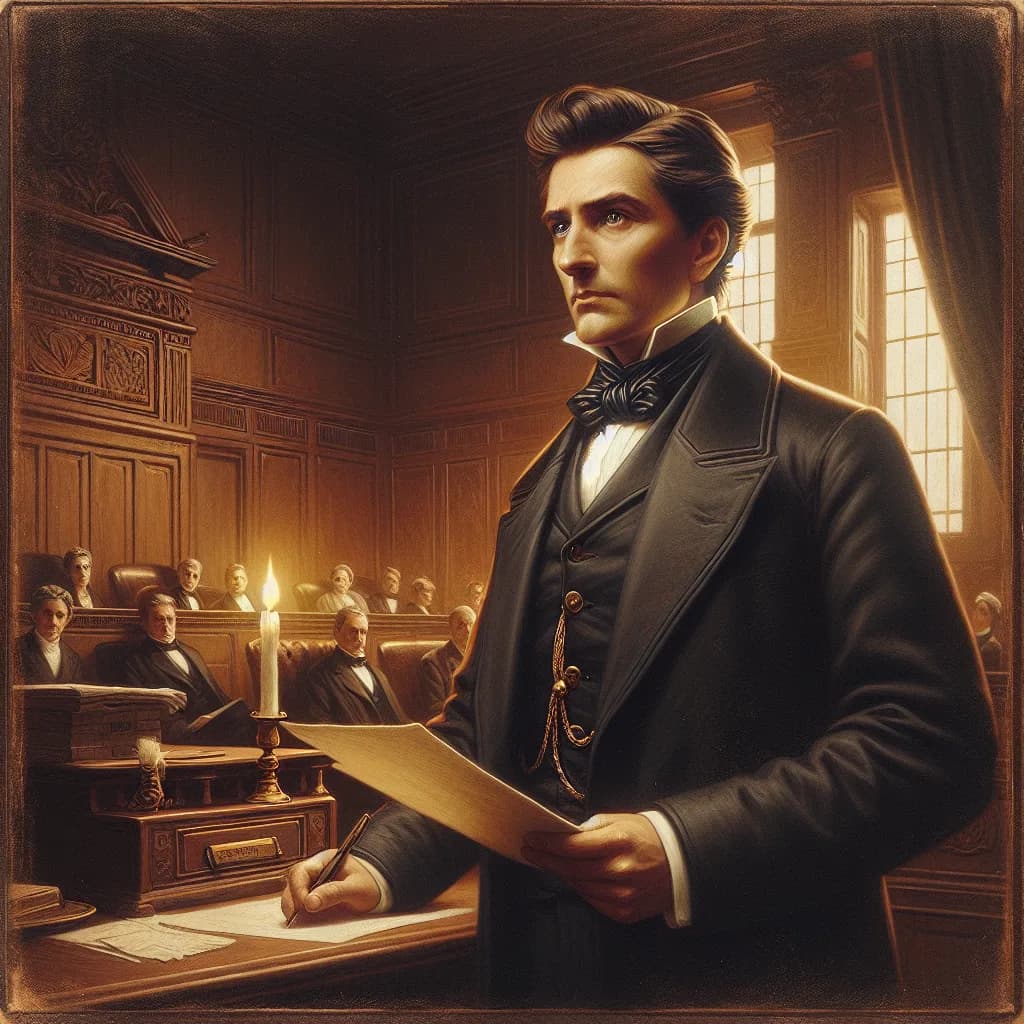
A group of legal professionals, present in the courtroom, whose primary concern is the intricacies of the law rather than the moral implications of the case.
80First appears in Chapter 80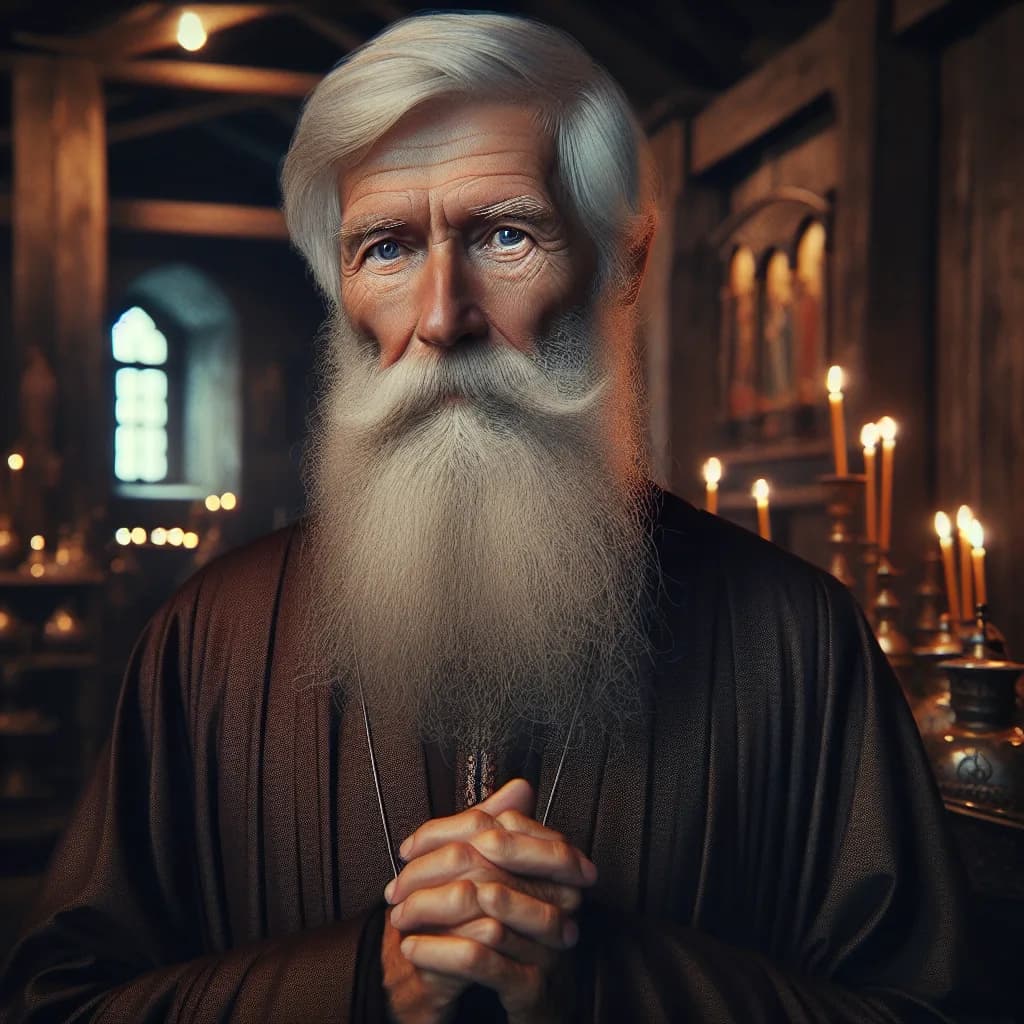
An old monk, Varsonofy was the previous elder before the current one at the monastery.
6First appears in Chapter 6
A figure mentioned in passing by Fyodor Pavlovitch, von Sohn is referenced as a type or comparison rather than as a present character.
6First appears in Chapter 6

A group of respectable, fair-haired merchants acquainted with the narrator through business dealings.
7First appears in Chapter 7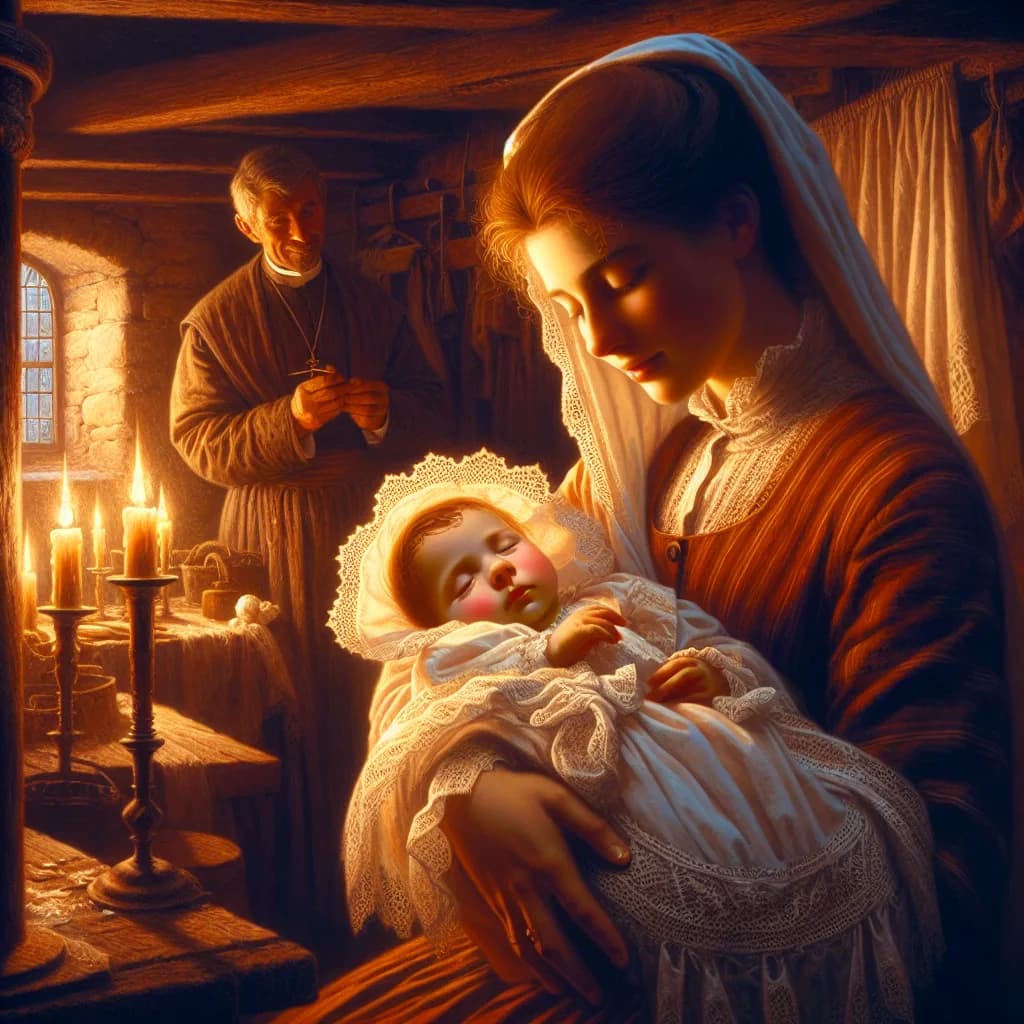
A tiny infant, Lizaveta is the beloved daughter of Grushenka, tenderly introduced to the visiting priest.
8First appears in Chapter 8
A holy figure, known for his humility and kindness, revered as "the Man of God."
8First appears in Chapter 8
A revered figure, the Queen of Heaven is honored by the faithful as a powerful protector and source of mercy.
8First appears in Chapter 8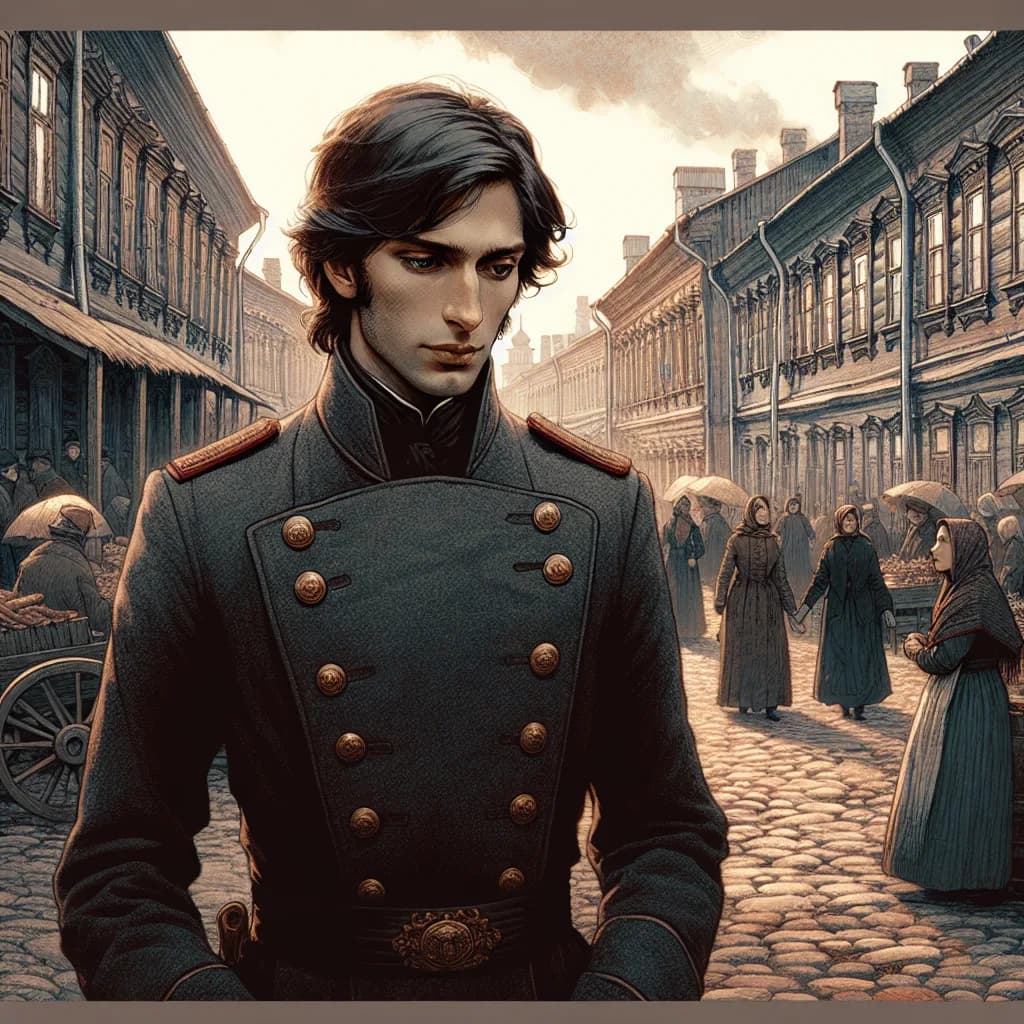
Vasenka, the son of a widow living nearby, works in the commissariat service and is currently stationed in Irkutsk.
8First appears in Chapter 8

A passionate and rebellious young man, known for his strong sense of justice.
11First appears in Chapter 11
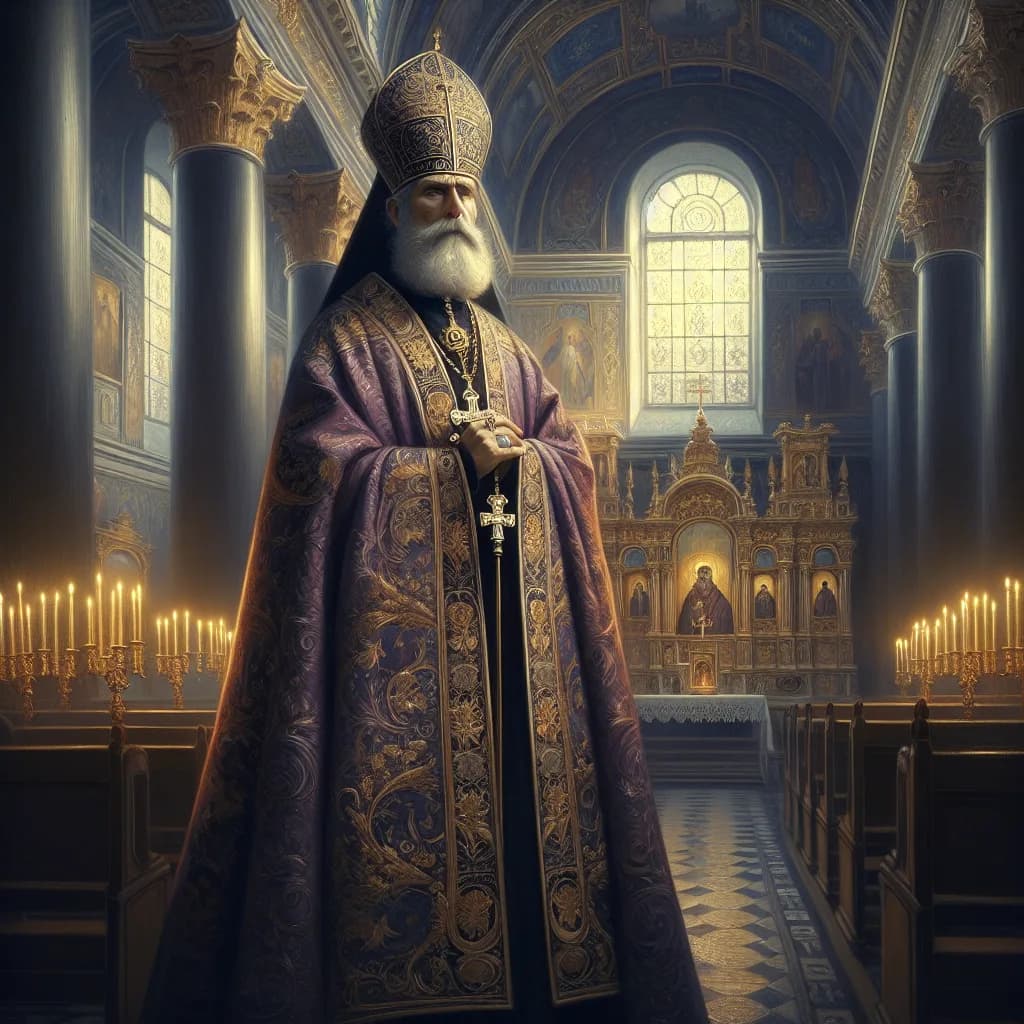
A distinguished clergyman, respected for his high rank and presence at important gatherings.
12First appears in Chapter 12

A timeless symbol of nature and belonging, Mother Earth is invoked as the nurturing foundation to which all people are deeply connected.
16First appears in Chapter 16
The Madonna is an ideal of purity and spiritual love that exists in the thoughts and aspirations of the novel’s characters.
16First appears in Chapter 16
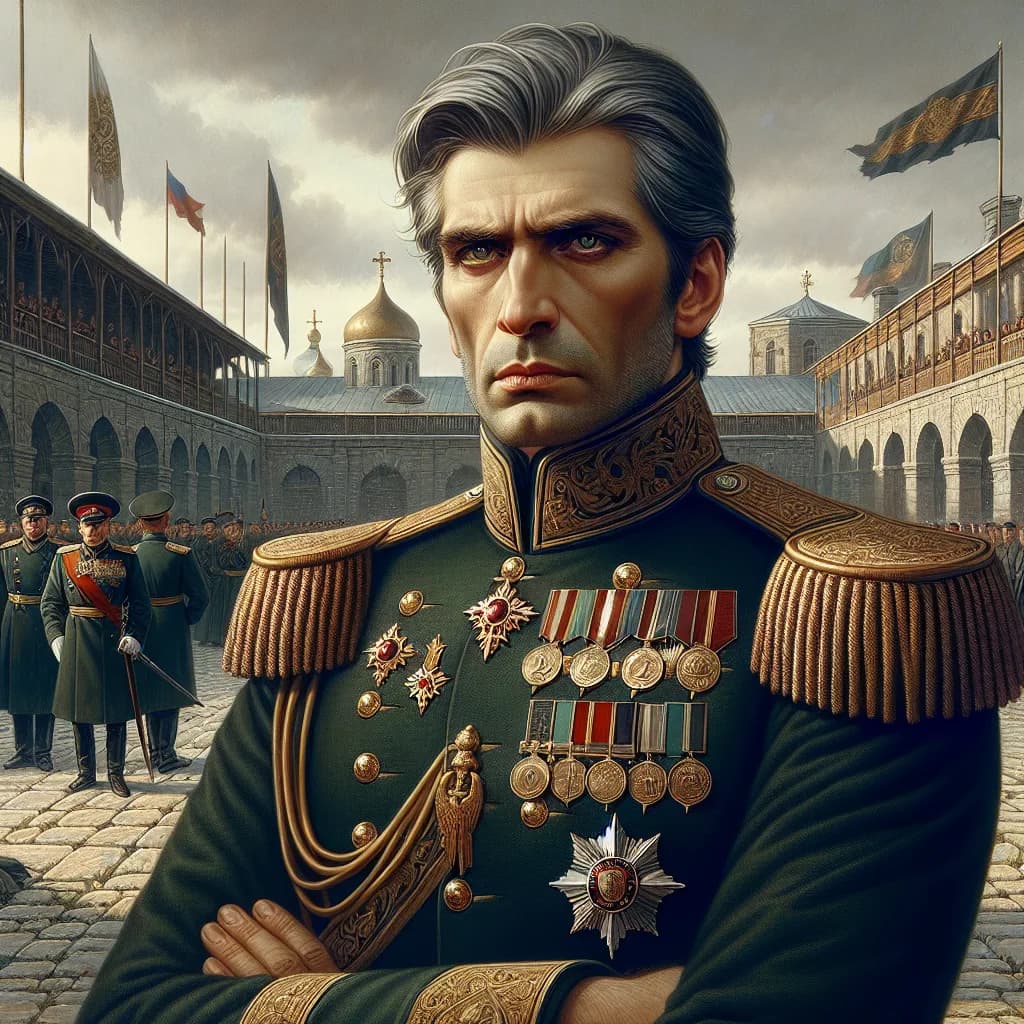
An imposing and respected military officer, known for his strict sense of honor and discipline.
17First appears in Chapter 17
An experienced officer, the old lieutenant-colonel commands the battalion until illness confines him to his quarters.
17First appears in Chapter 17

A divine presence, often symbolized as a descending bird.
25First appears in Chapter 25
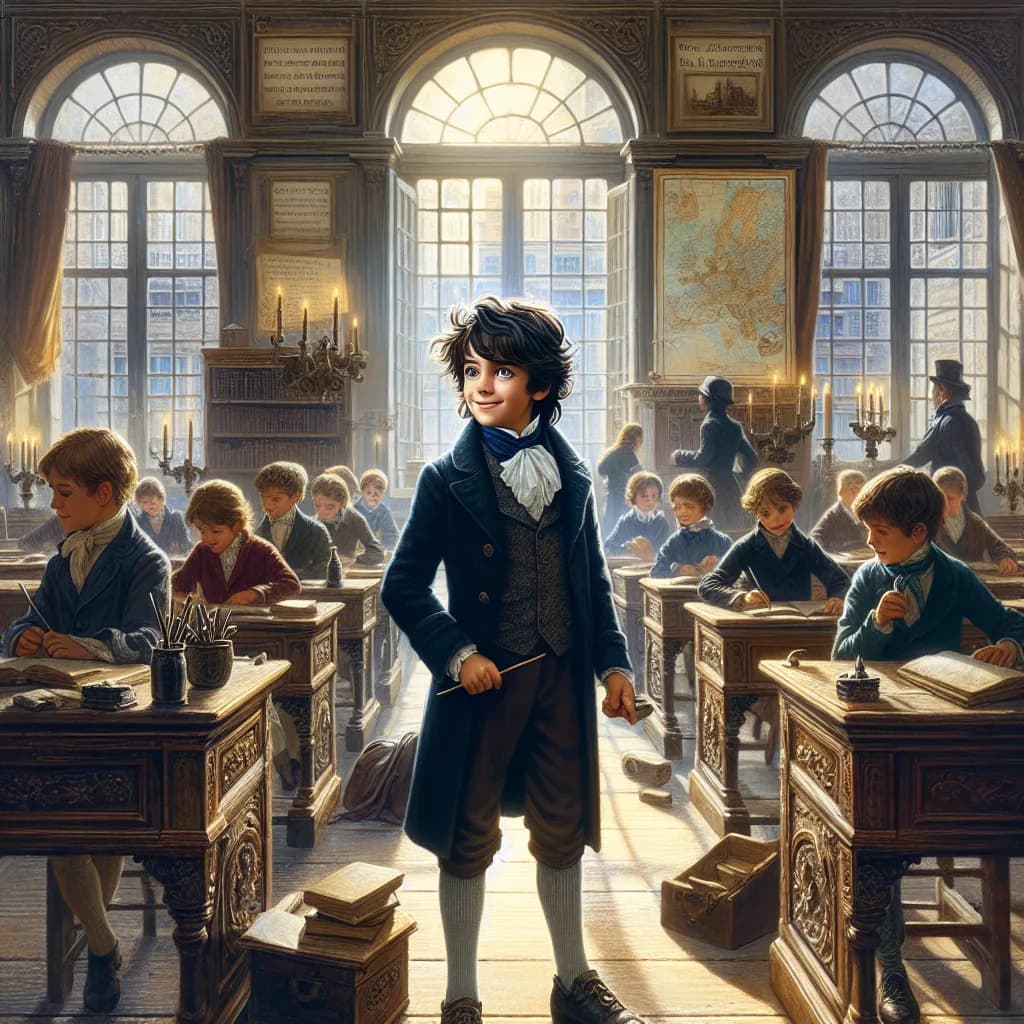
Krassotkin is a spirited schoolboy, known among his classmates for his courage and sense of honor.
27First appears in Chapter 27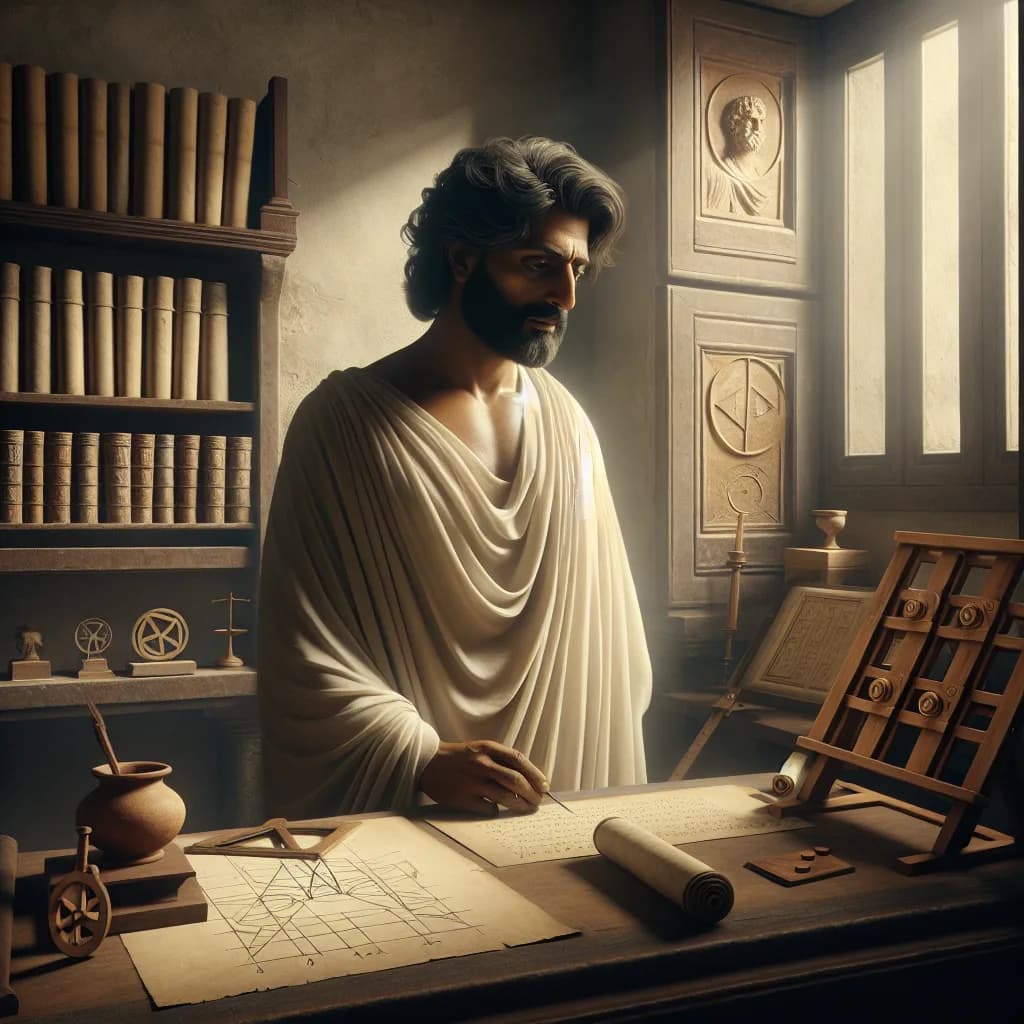
A renowned ancient Greek mathematician, famed for his work in geometry.
34First appears in Chapter 34
A mysterious concept, the Word is alluded to as a divine principle at the heart of the universe.
34First appears in Chapter 34
A people from a distant land, known for their distinct customs and foreign ways.
35First appears in Chapter 35
A heavenly being, often depicted as a messenger or servant of God.
36First appears in Chapter 36
A secretive fraternity, known for their mysterious rituals and close-knit brotherhood.
36First appears in Chapter 36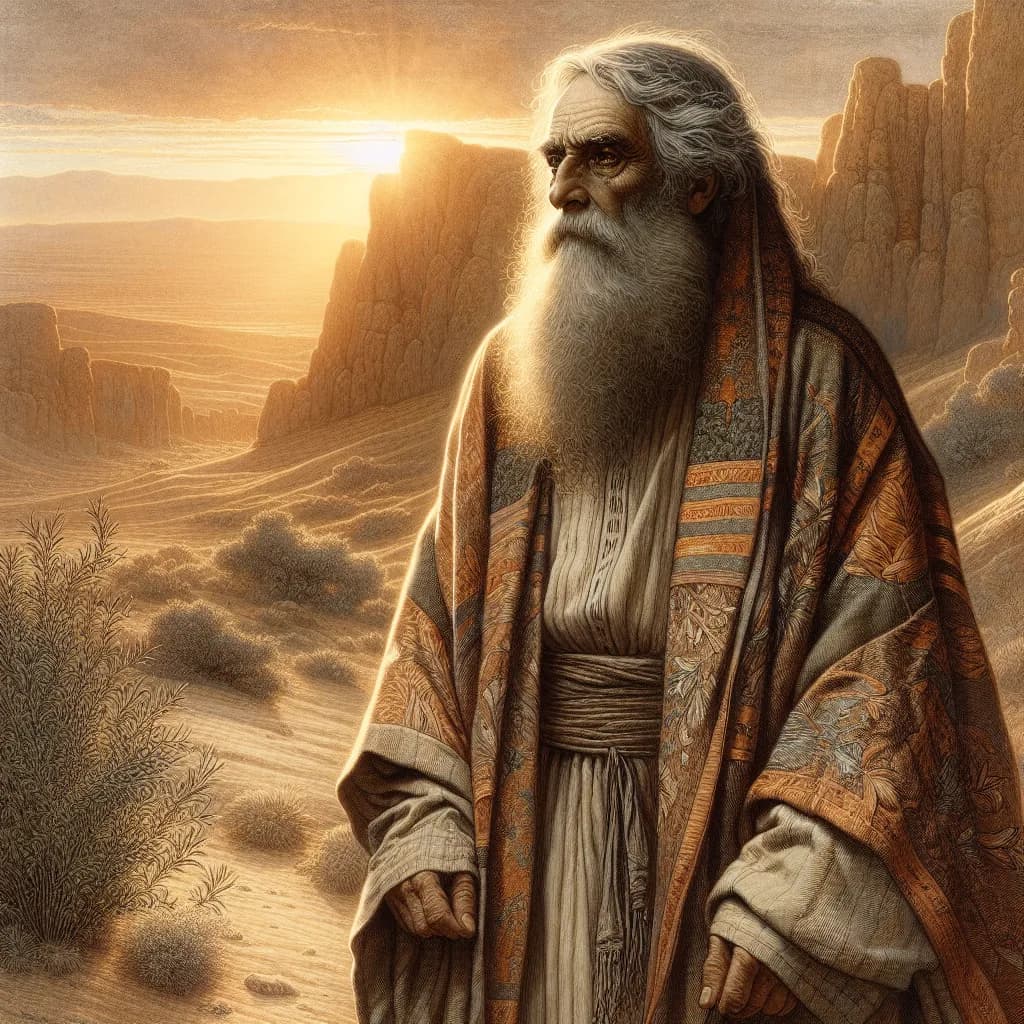
An important patriarch in ancient Hebrew tradition, Abraham is revered for his faith and for being the husband of Sarah and father of Isaac.
39First appears in Chapter 39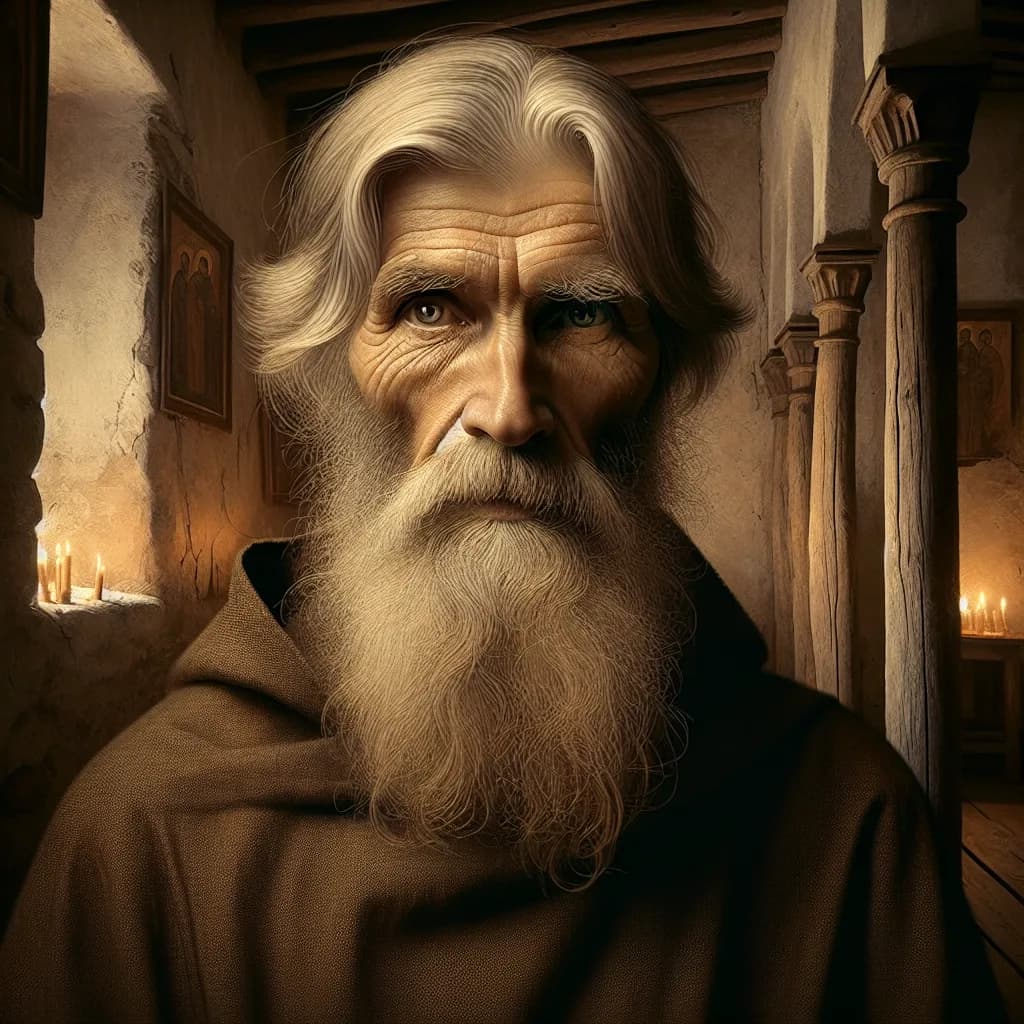
Father Anfim is a very old and humble monk of peasant background, quiet and almost illiterate.
39First appears in Chapter 39

A newcomer to town, he suddenly finds himself the center of society’s attention.
40First appears in Chapter 40
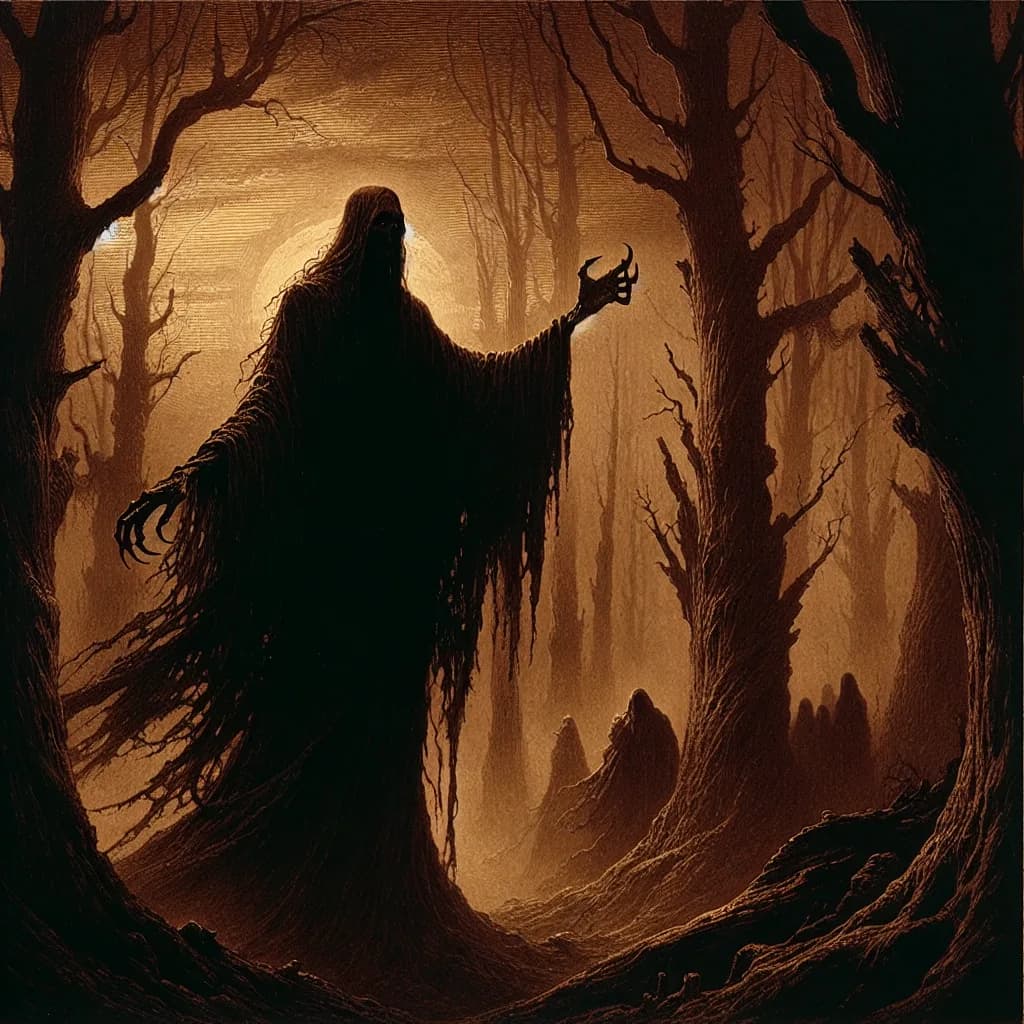
A figure invoked in fear, representing the evil spirits that terrify the characters.
42First appears in Chapter 42

Matryona, the faithful cook who has served for many years, is fondly remembered for sharing stories from the narrator’s childhood.
44First appears in Chapter 44

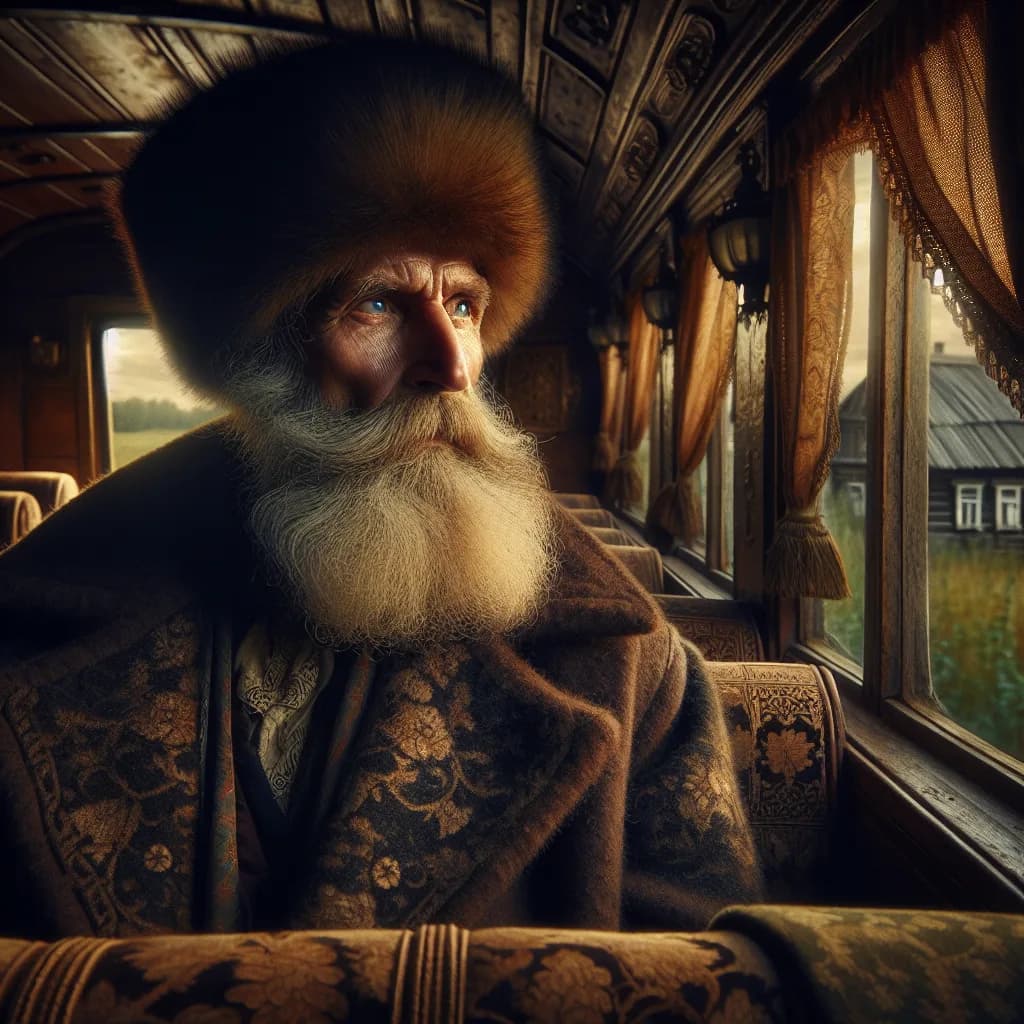
An old merchant, traveling by hired carriage through the countryside.
47First appears in Chapter 47
A well-spoken gentleman whose accent reveals his Polish origins.
51First appears in Chapter 51
A woman deeply cherished by the speaker, who is described with passionate devotion as "the queen of my soul."
51First appears in Chapter 51
A boisterous and reckless landowner, known for his fondness for drinking and getting into trouble.
52First appears in Chapter 52
A gambler from Warsaw known for his exploits at the bank tables.
52First appears in Chapter 52
A local man overseeing the inn, the landlord deals cards to the guests with practiced ease.
52First appears in Chapter 52
A small, pale young man in spectacles, always impeccably dressed, he is known as the diligent deputy prosecutor.
53First appears in Chapter 53
A quiet maid employed in Madame Hohlakov’s household.
54First appears in Chapter 54
A discreet and dutiful official, Mavriky Mavrikyevitch follows instructions to quietly assist with obtaining witnesses for the arrest.
55First appears in Chapter 55

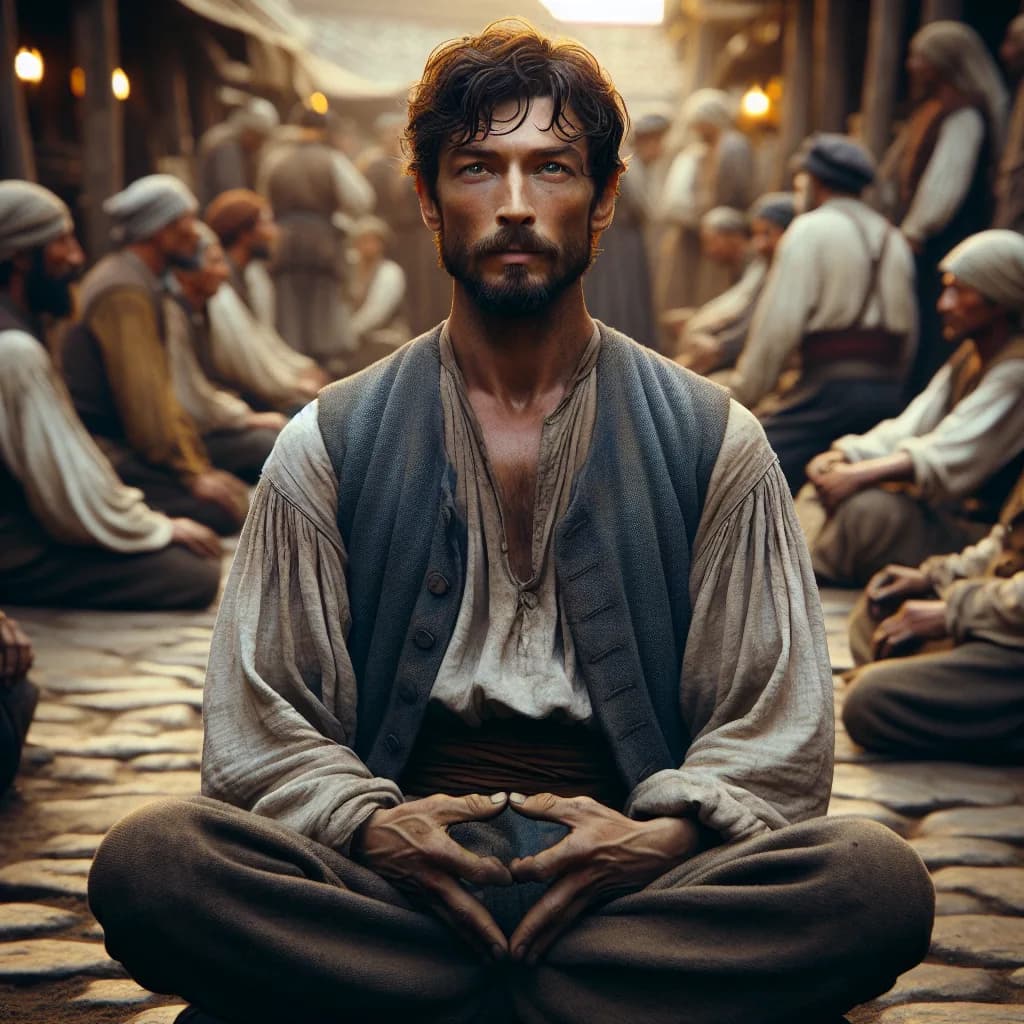
Akim, a humble and often-overlooked peasant, appears in the midst of the commotion among the serfs.
62First appears in Chapter 62
Anna Fyodorovna, a still youthful and pleasant widow, is the owner of the tidy house where Madame Krassotkin resides.
63First appears in Chapter 63
Madame Krassotkin is a neat and pleasant widow in her early thirties, who keeps a tidy little house.
63First appears in Chapter 63
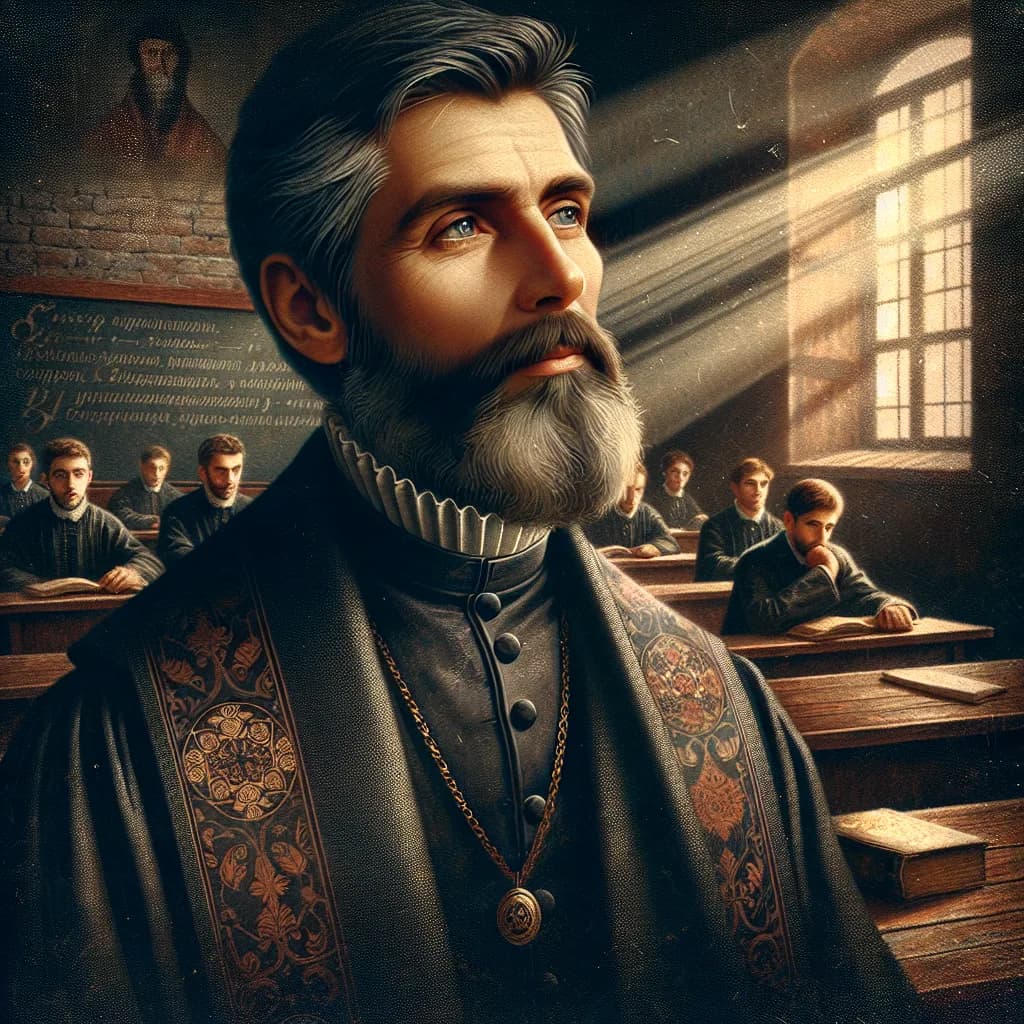
The masters, a group of teachers at the school, hold authority over the students and their affairs.
63First appears in Chapter 63
Dardanelov is a schoolteacher known for his skill in arithmetic and history.
63First appears in Chapter 63
A nice-looking woman of thirty-two, Madame Krassotkin is the widow of a former provincial secretary.
63First appears in Chapter 63
Kolbasnikov, the classical master, is a strict and easily shocked teacher at the school.
67First appears in Chapter 67
The landlady, a bustling woman who manages the kitchen and household at the inn, oversees the meals and daily affairs.
67First appears in Chapter 67
A respected critic and essayist, Byelinsky is referenced in conversation for his literary opinions.
68First appears in Chapter 68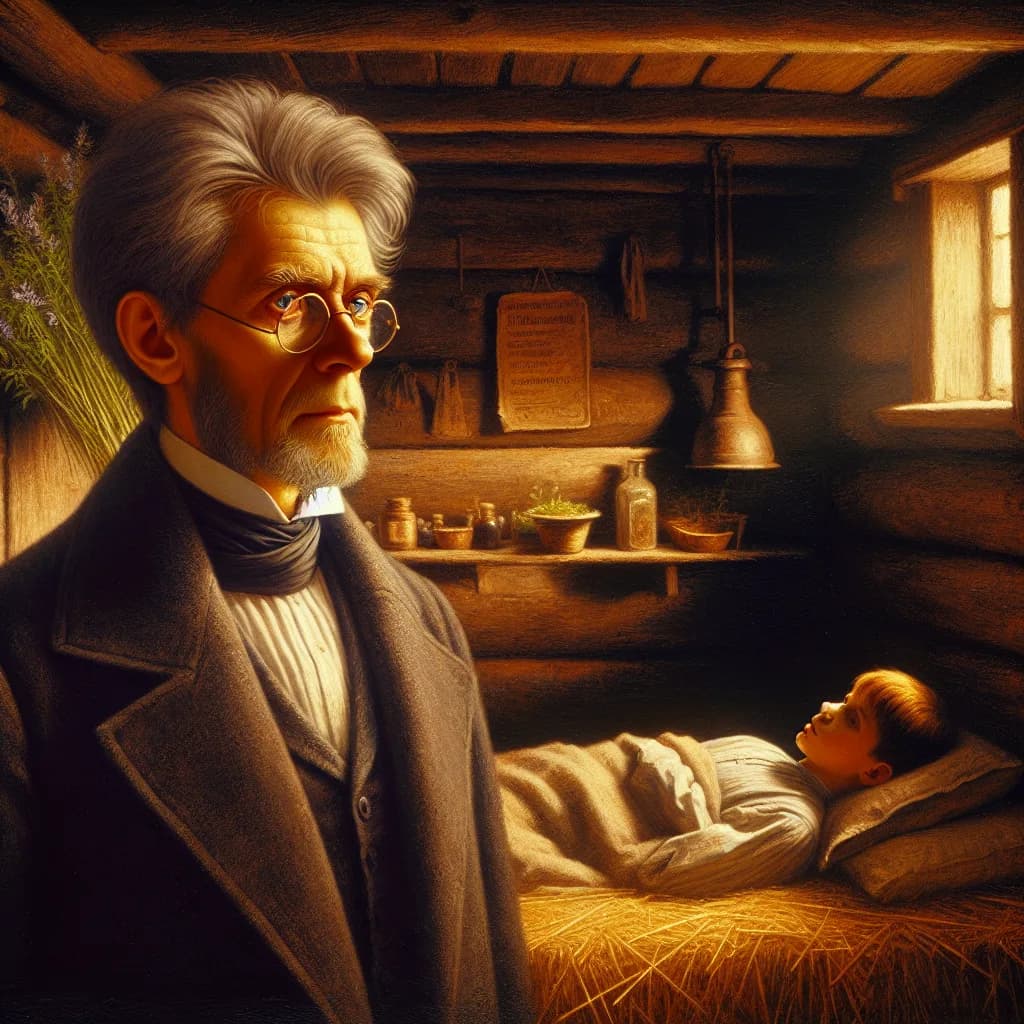
A local doctor is called to examine the sickly Ilusha.
68First appears in Chapter 68

A celestial being of highest order, the seraphim appears amid divine praises and rapturous worship.
78First appears in Chapter 78
A group of individuals called to provide testimony and expert opinions at the trial.
80First appears in Chapter 80
Several men and women, summoned to testify for the defense, wait anxiously to speak on behalf of the accused.
81First appears in Chapter 81
Several men and women, called to give evidence against the accused, enter the courtroom to testify before the judges.
81First appears in Chapter 81
Schiller is mentioned as a celebrated writer whose works are admired by cultured characters in the novel.
85First appears in Chapter 85
A dreamy and imaginative young woman, inspired by literary heroines.
1First appears in Chapter 1
A passionate Russian revolutionary and thinker, known for his radical political ideas and presence during key moments of European upheaval.
2First appears in Chapter 2
A French thinker, known for his radical political ideas and influence among liberals.
2First appears in Chapter 2
Païssy Velitchkovsky is a revered ascetic monk known for his influence on spiritual practices in Russian monasteries.
5First appears in Chapter 5
The Œcumenical Patriarch, the highest spiritual leader of the Eastern Orthodox Church in Constantinople, is approached by the sorrowful monk seeking guidance.
5First appears in Chapter 5
A famous French philosopher, known for his wit and intelligence.
7First appears in Chapter 7
Empress Catherine, the powerful ruler of Russia, is mentioned as a figure whose court attracted renowned philosophers and thinkers.
7First appears in Chapter 7
A sorrowful, ivory-carved Madonna, depicted in the traditional Catholic image of the Mother of Sorrows.
7First appears in Chapter 7
Metropolitan Platon is a wise and esteemed bishop known for his gentle wit and spiritual authority.
7First appears in Chapter 7
Mr. Napravnik, a dignified acquaintance introduced with an air of formality and reserve.
7First appears in Chapter 7
A distinguished Russian nobleman, mentioned here as a godfather.
7First appears in Chapter 7
A distinguished noblewoman, Princess Dashkov stands as the godmother at the important ceremony.
7First appears in Chapter 7
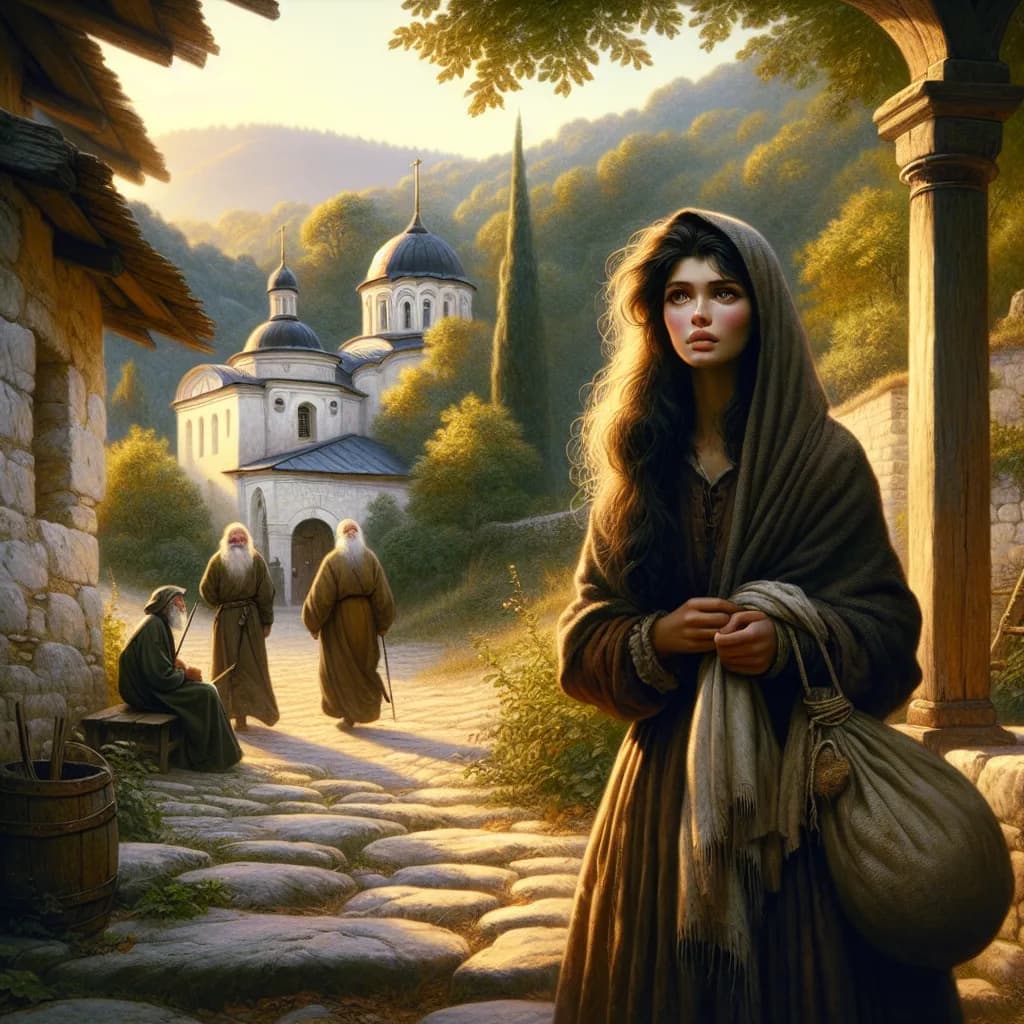
A humble pilgrim, Nastasya arrives seeking guidance and comfort from the elders.
8First appears in Chapter 8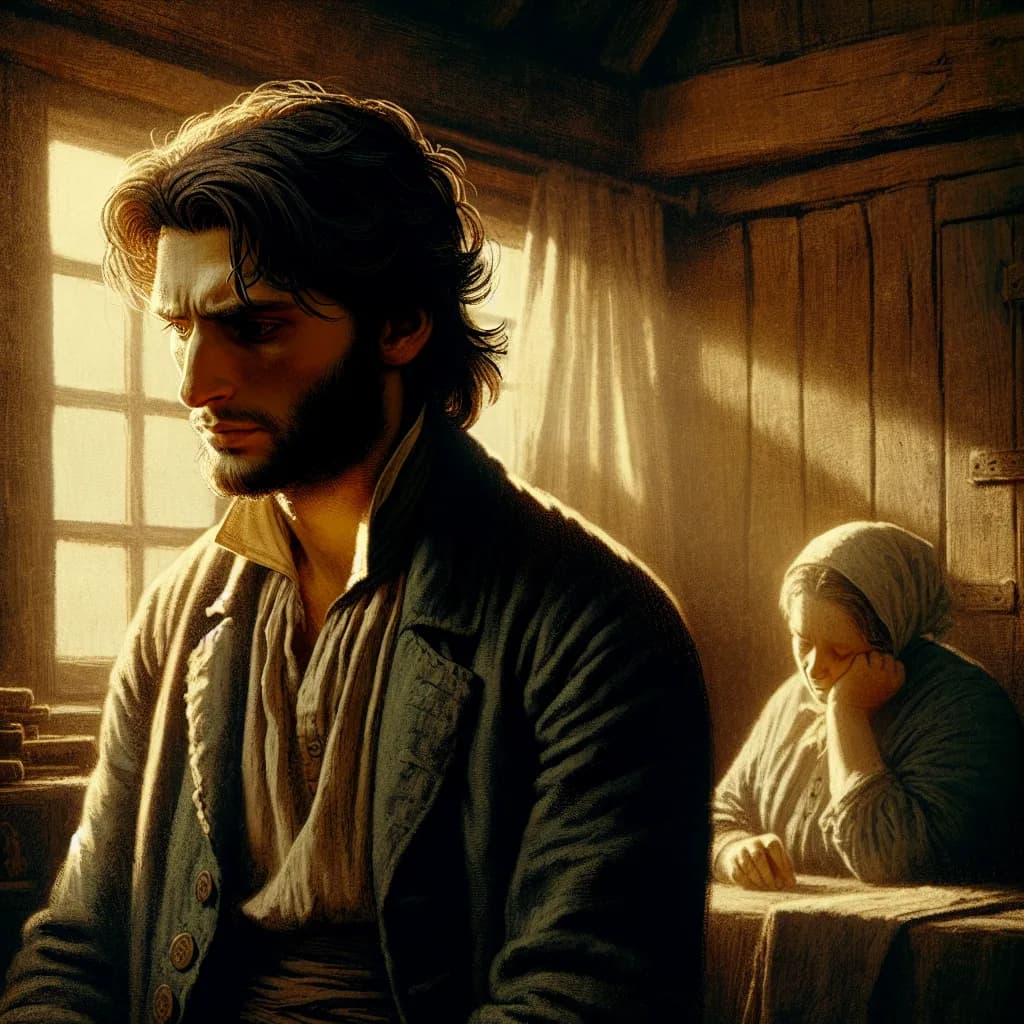
Nikita is the husband of the grieving woman, sharing her quiet sorrow over the loss of their children.
8First appears in Chapter 8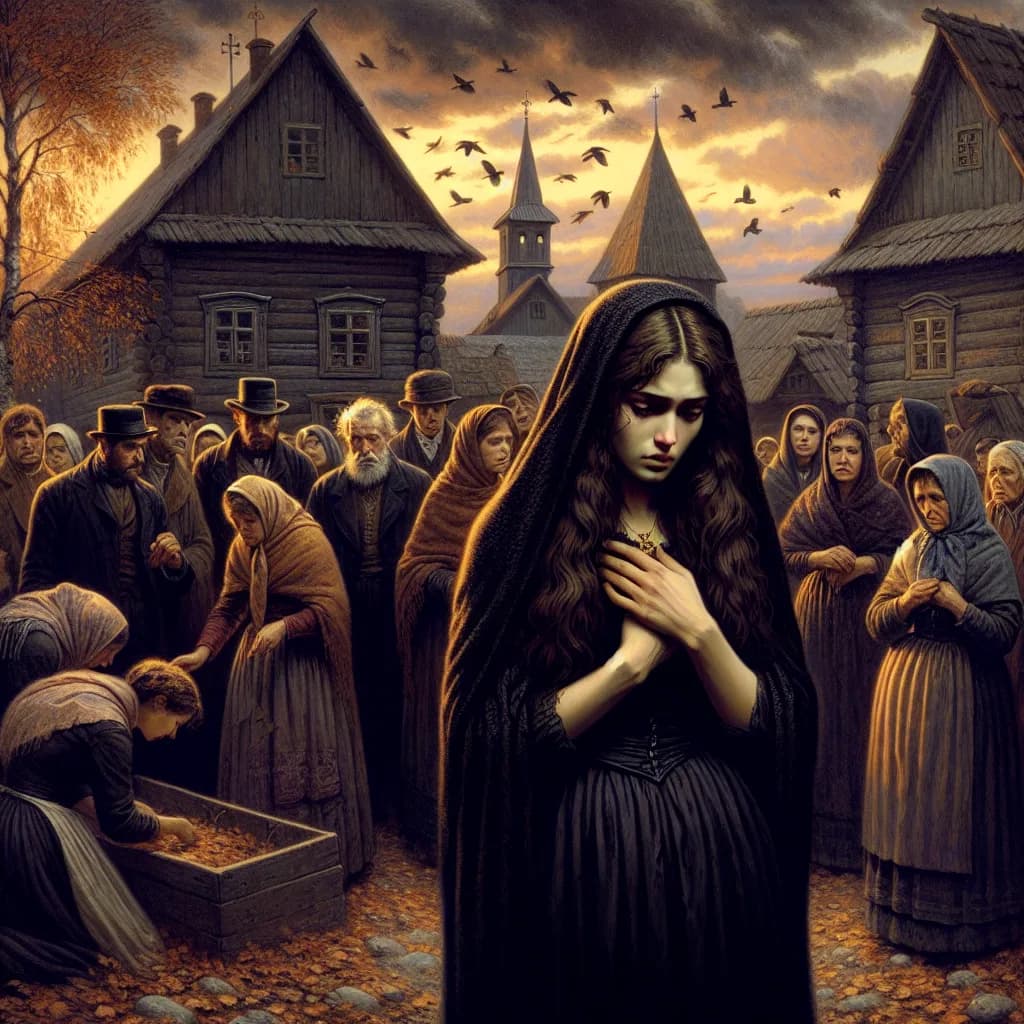
Rachel, a grieving mother, is introduced in her sorrowful vigil among the townspeople.
8First appears in Chapter 8


A man whose passionate beliefs reflect his atheistic and socialist ideals.
10First appears in Chapter 10
A thoughtful and passionate man whose Christian faith inspires his commitment to social justice.
10First appears in Chapter 10
A high-ranking official overseeing a network of political detectives.
10First appears in Chapter 10
A formidable eleventh-century pope, renowned for his efforts to assert the authority and independence of the Church.
10First appears in Chapter 10

Count von Moor is the fictional patriarch from Schiller's play "The Robbers," invoked here by Franz in a playful reference.
11First appears in Chapter 11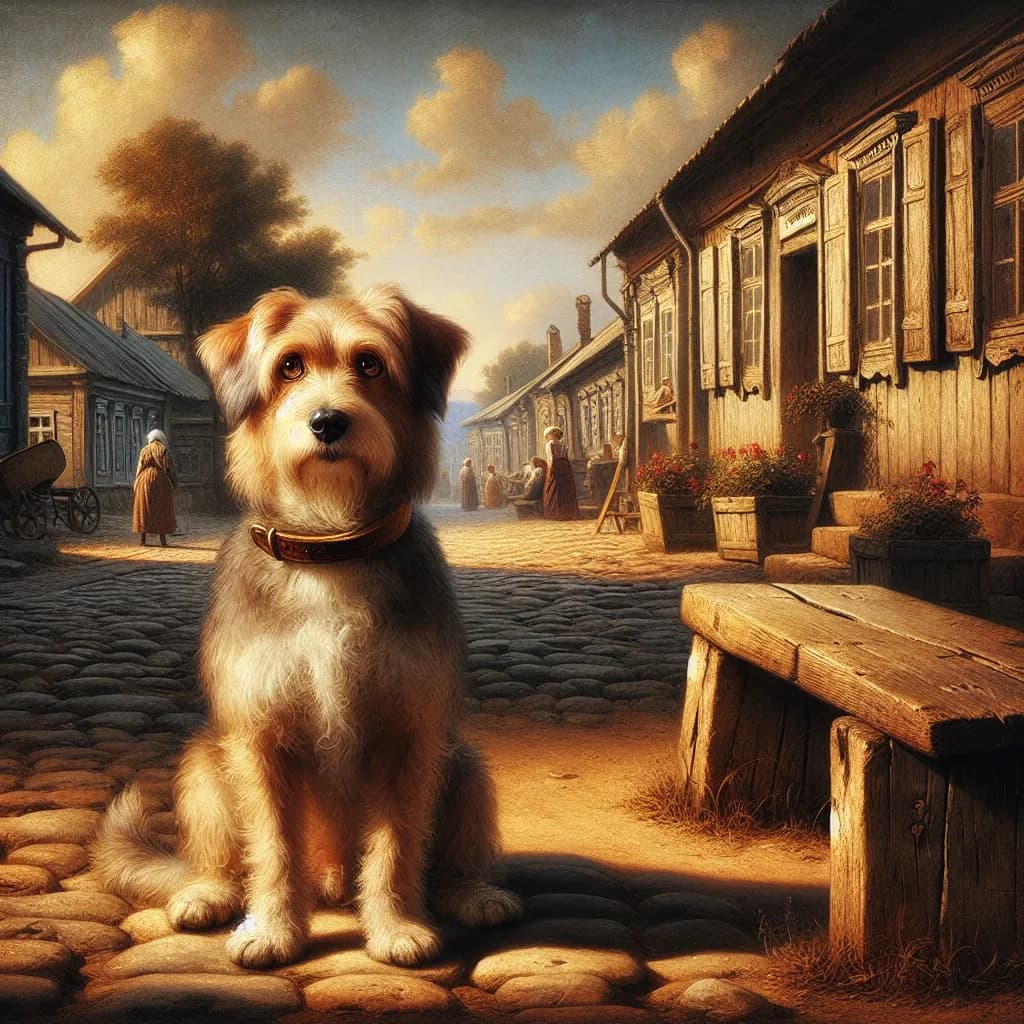
A loyal little dog, Fido serves as a symbol of faithfulness and humble devotion.
11First appears in Chapter 11
Franz Moor, the discontented younger son of Count von Moor, is introduced as a figure driven by ambition and jealousy.
11First appears in Chapter 11
A Russian colonel, distinguished by the Anna Order on his breast.
11First appears in Chapter 11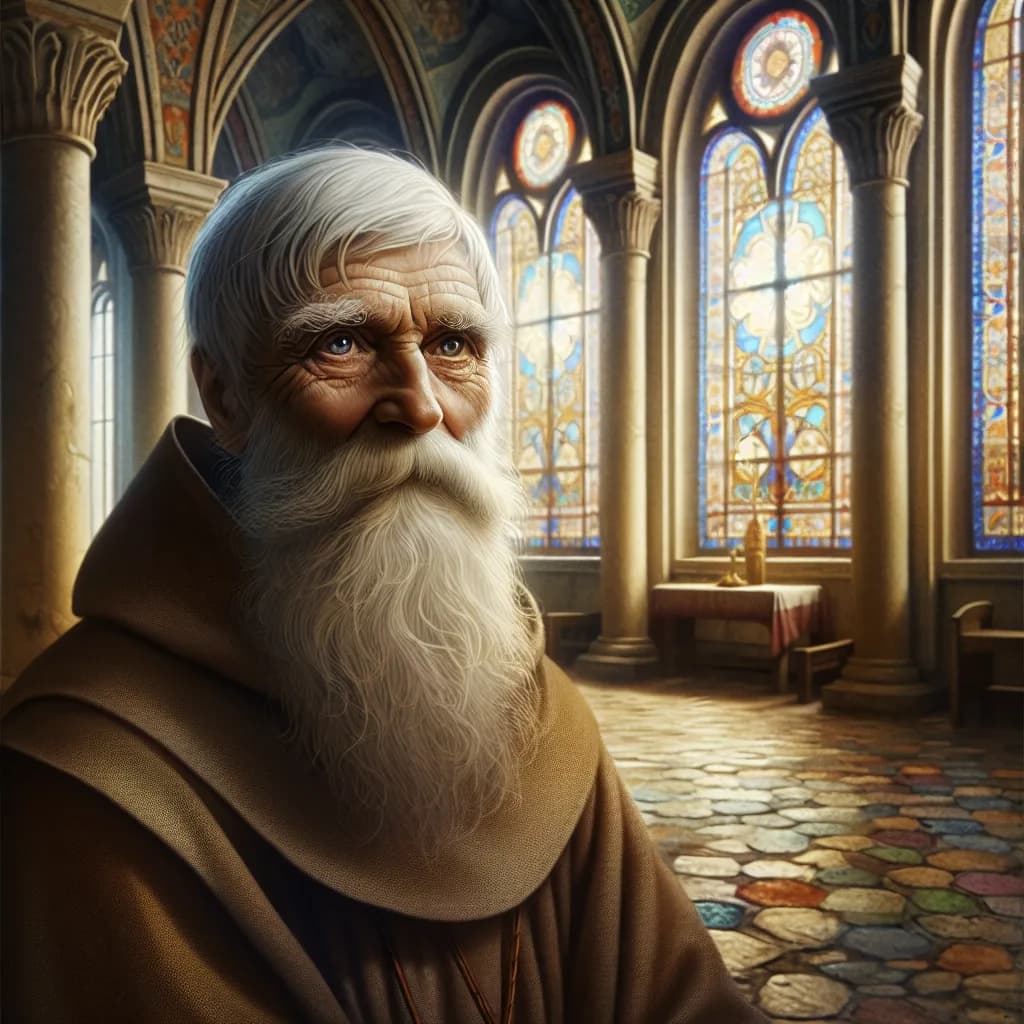
An elderly and revered elder, Father Zossima is a gentle monk known for his wisdom and spiritual guidance within the monastery.
11First appears in Chapter 11
An elderly monk, Father Isidor serves as one of the gentle, somewhat comical members of the monastery.
12First appears in Chapter 12
General Pahatov, a distinguished military figure once honored as a guest at notable gatherings, is remembered in conversation for his presence at an important banquet.
12First appears in Chapter 12
Ilya, a homeless and ailing drunkard, is the protagonist’s spiteful, down‐and‐out father.
15First appears in Chapter 15
Karp, a notorious convict known for having escaped from prison, was infamous in our town.
15First appears in Chapter 15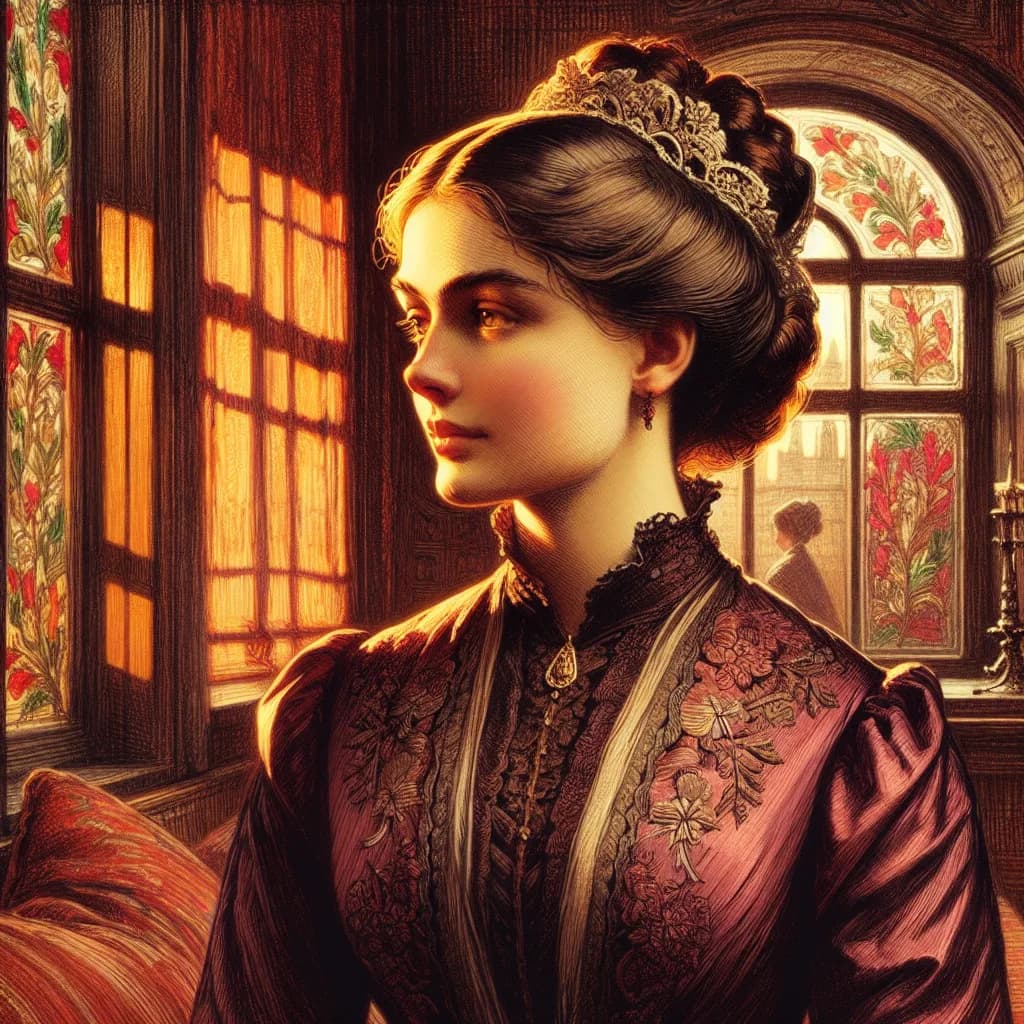
A well-to-do merchant’s widow who offers Sofya shelter and protection in her home.
15First appears in Chapter 15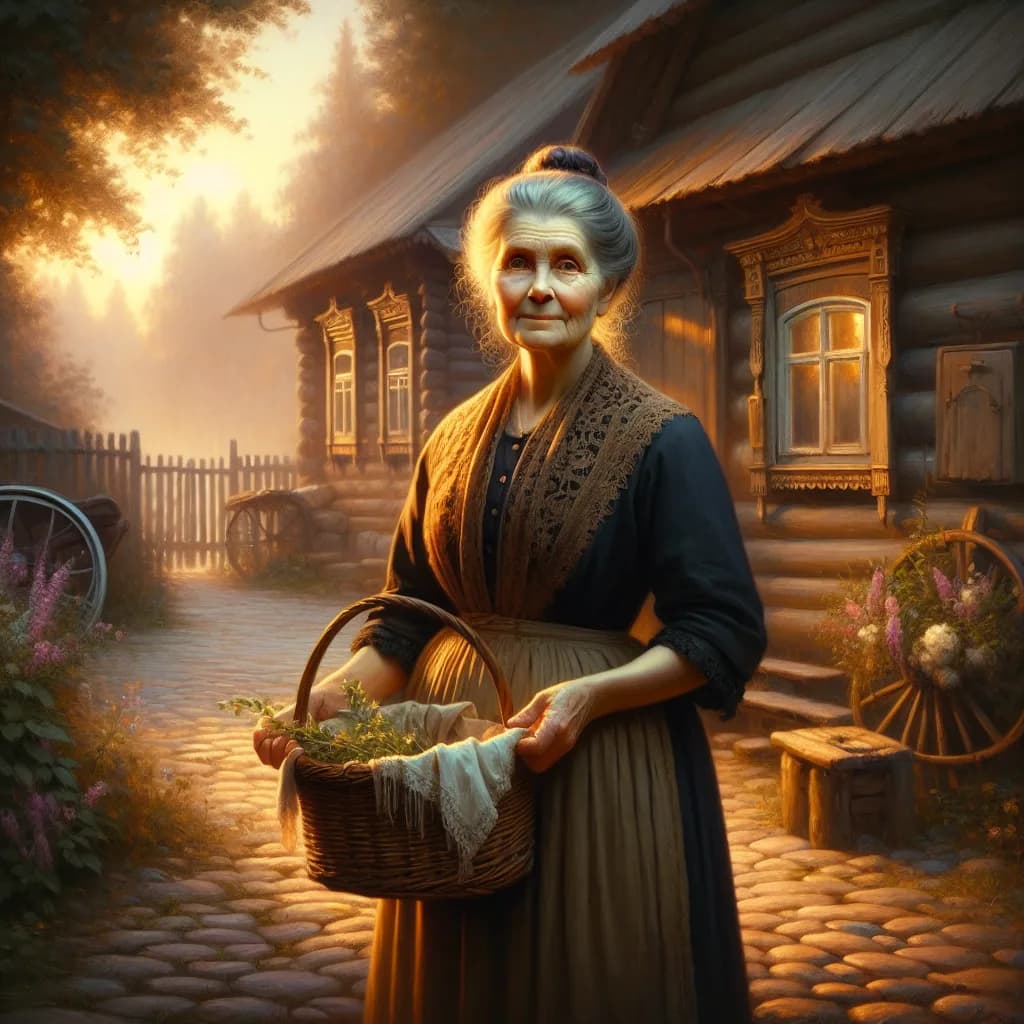
An experienced village midwife, known for her skill in helping bring babies into the world.
15First appears in Chapter 15
A group of townsfolk, known for their various crafts and trades.
15First appears in Chapter 15

A recently appointed provincial governor, visiting the town on an official inspection tour.
15First appears in Chapter 15
A retired colonel, von Schmidt once owned the house and built its now decaying structure.
16First appears in Chapter 16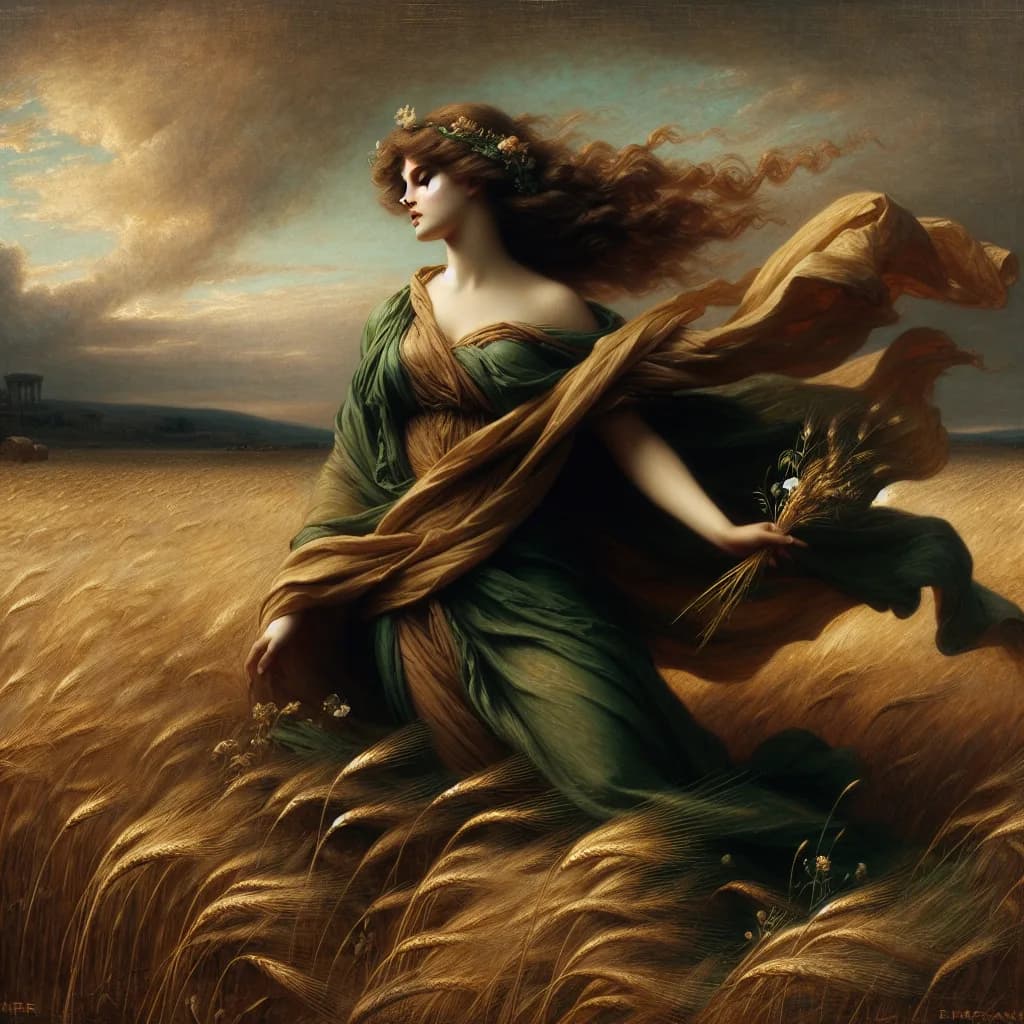
The goddess Ceres, searching for her lost daughter, appears in Homer’s tale as a symbol of a grieving, determined mother.
16First appears in Chapter 16
Rakitin, an ambitious and sharp-tongued seminarian, is known for his wit and aspirations to become a civil councilor.
16First appears in Chapter 16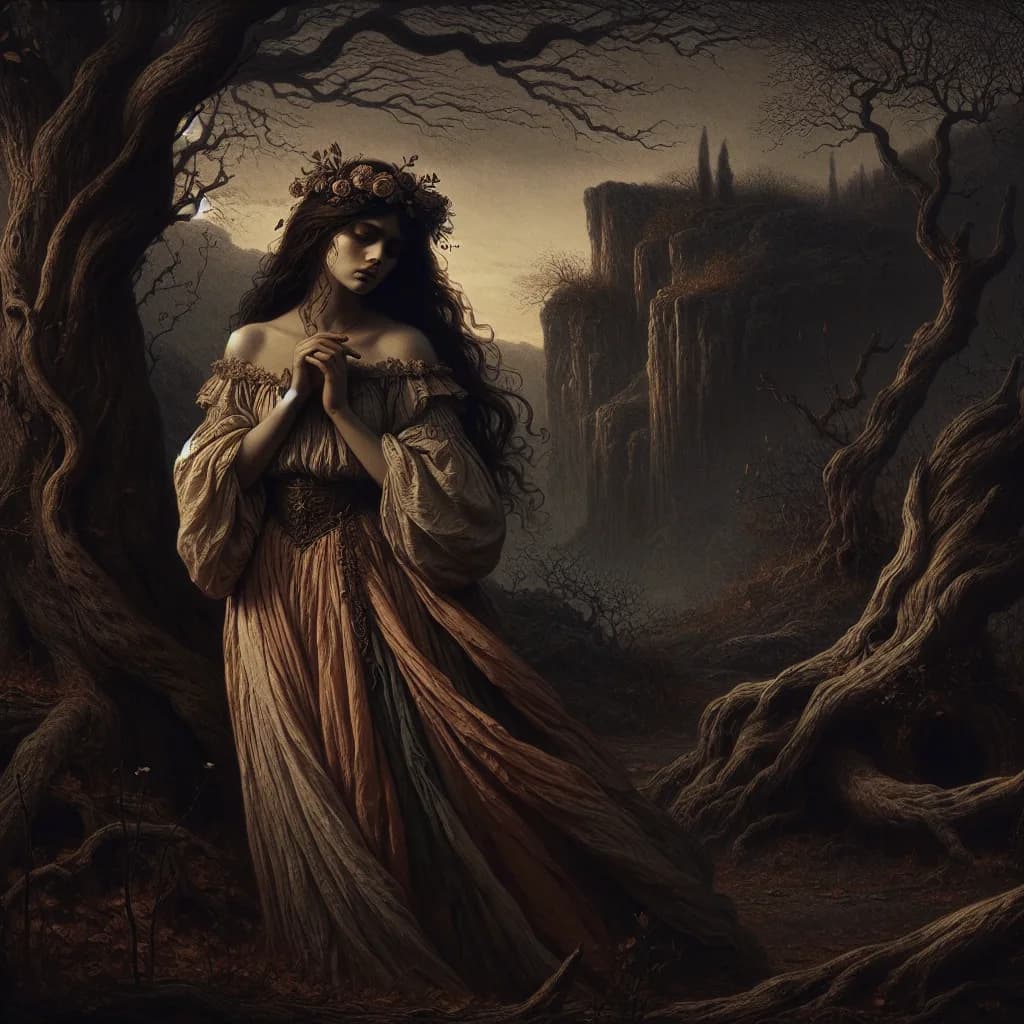
A sorrowful goddess’s daughter, Proserpine is sought by her mother Ceres through wild, unfamiliar lands.
16First appears in Chapter 16
A figure from Greek mythology often depicted as a jovial, drunken companion of Bacchus, known for his fondness for wine and wisdom in inebriation.
16First appears in Chapter 16
A bedridden old woman, cared for by her daughter, lives quietly in a modest house on the edge of town.
16First appears in Chapter 16
Alyosha’s brother Ivan, whose arrival is compared to the miraculous appearance of the golden fish in a fable.
16First appears in Chapter 16
The people of Sodom, figures from biblical legend, symbolize the pursuit of forbidden and corrupt desires.
16First appears in Chapter 16
A simple and trusting man, often compared to the foolish yet hopeful old fishermen of familiar tales.
16First appears in Chapter 16

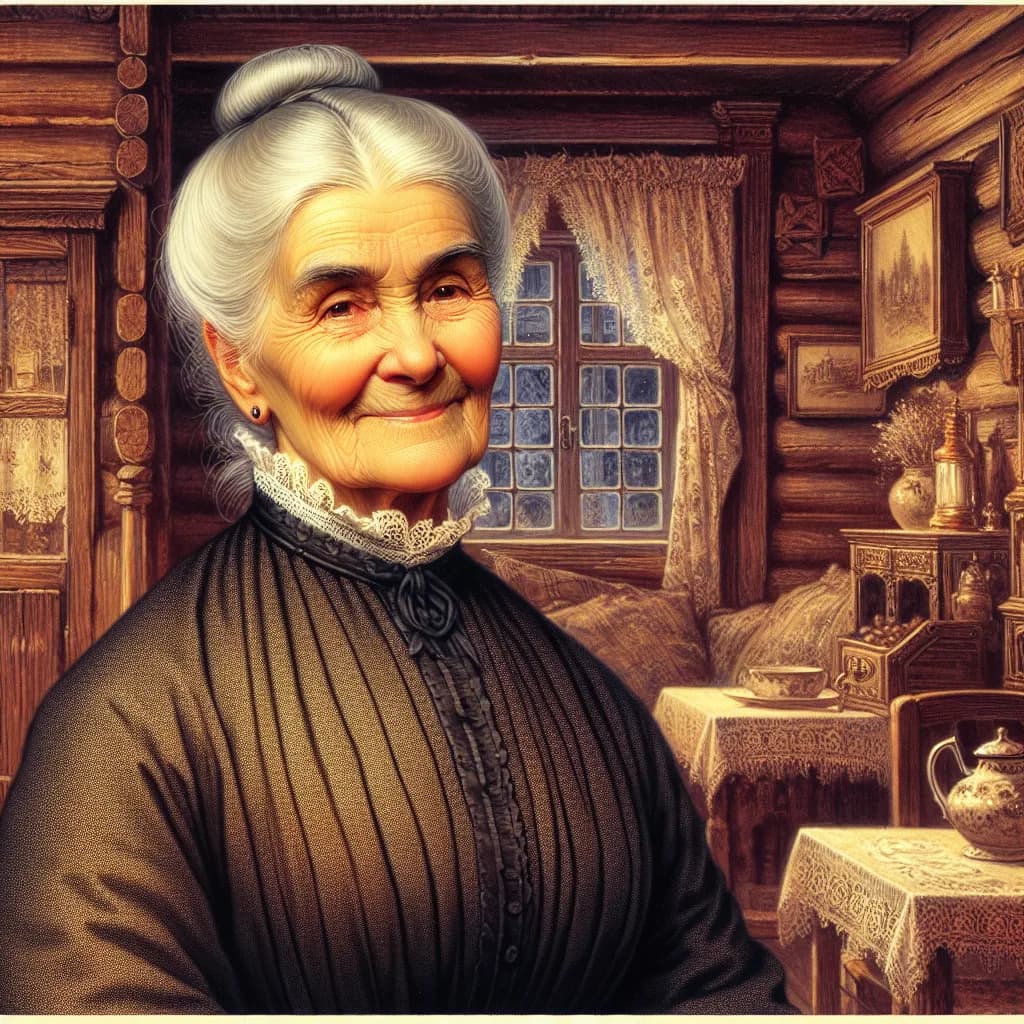



Dr. Kravchenko, a physician, is called upon to give his professional opinion on the protagonist’s health.
17First appears in Chapter 17
A popular French novelist known for his light and often risqué tales of Parisian life.
17First appears in Chapter 17
The battery commander is a respected officer who hosts gatherings that attract many members of the town’s society.
17First appears in Chapter 17
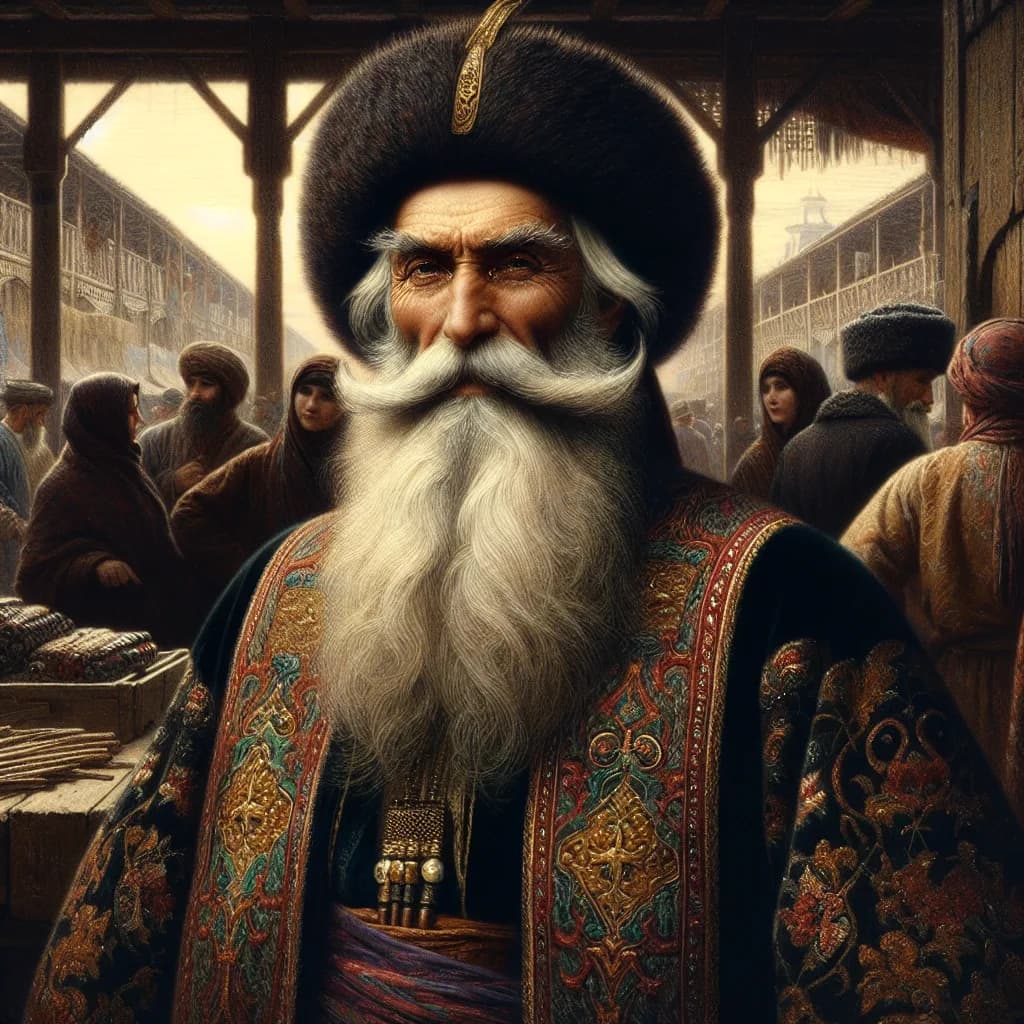
Trifonov is an old widowed merchant with a big beard and gold-rimmed spectacles, known for his trustworthiness in business.
17First appears in Chapter 17

Kramskoy is a Russian painter known for his evocative work, such as the painting “Contemplation.”
19First appears in Chapter 19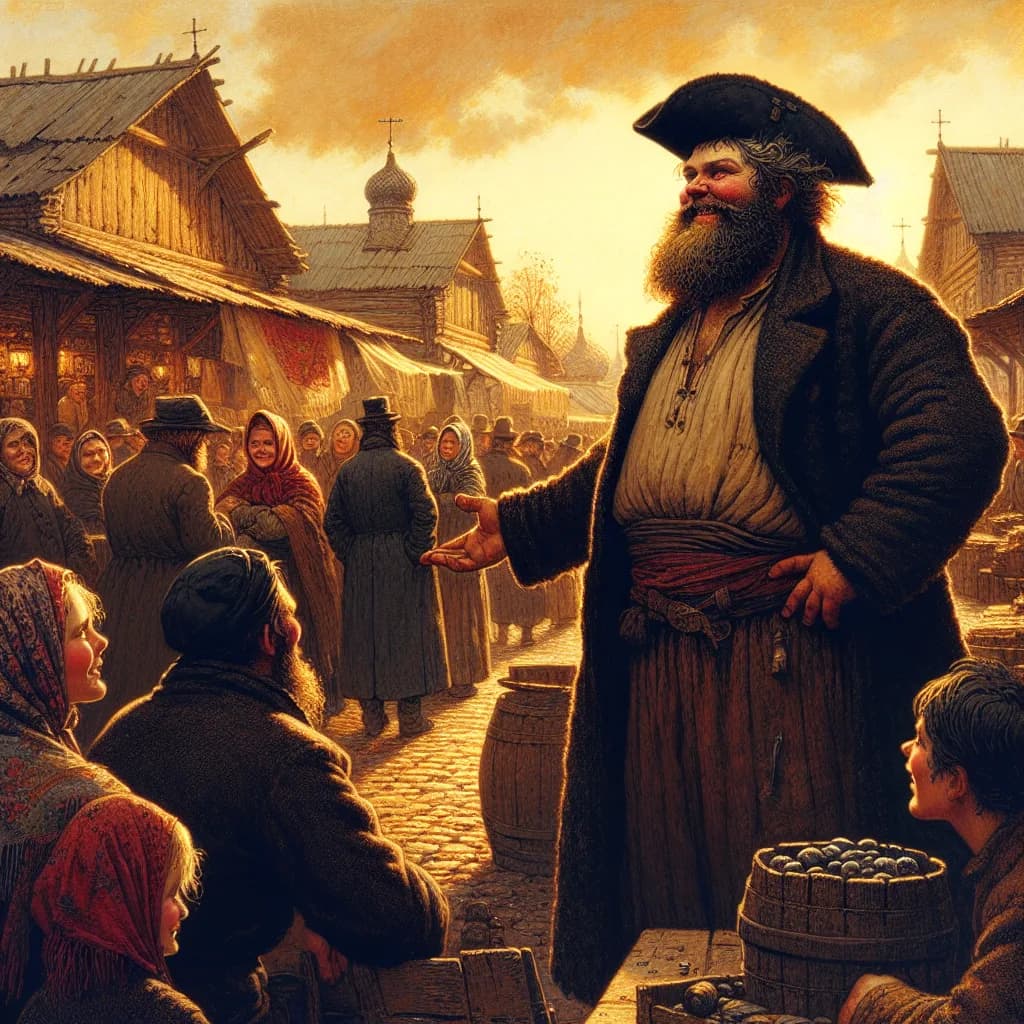
Lukyanov is a local shopkeeper known for sharing the latest news and gossip.
20First appears in Chapter 20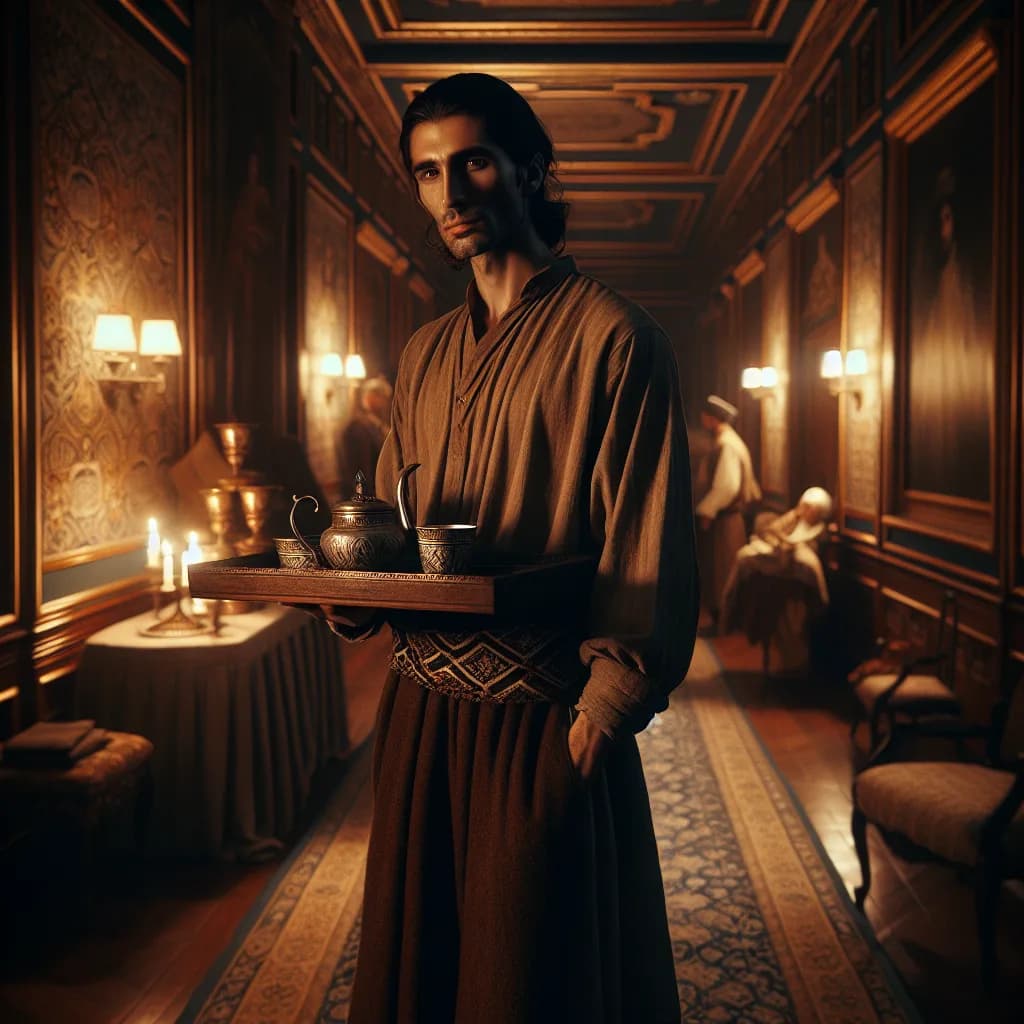
A Tatar servant, humble and devout in his own way, quietly serves in Fyodor Pavlovich’s household.
20First appears in Chapter 20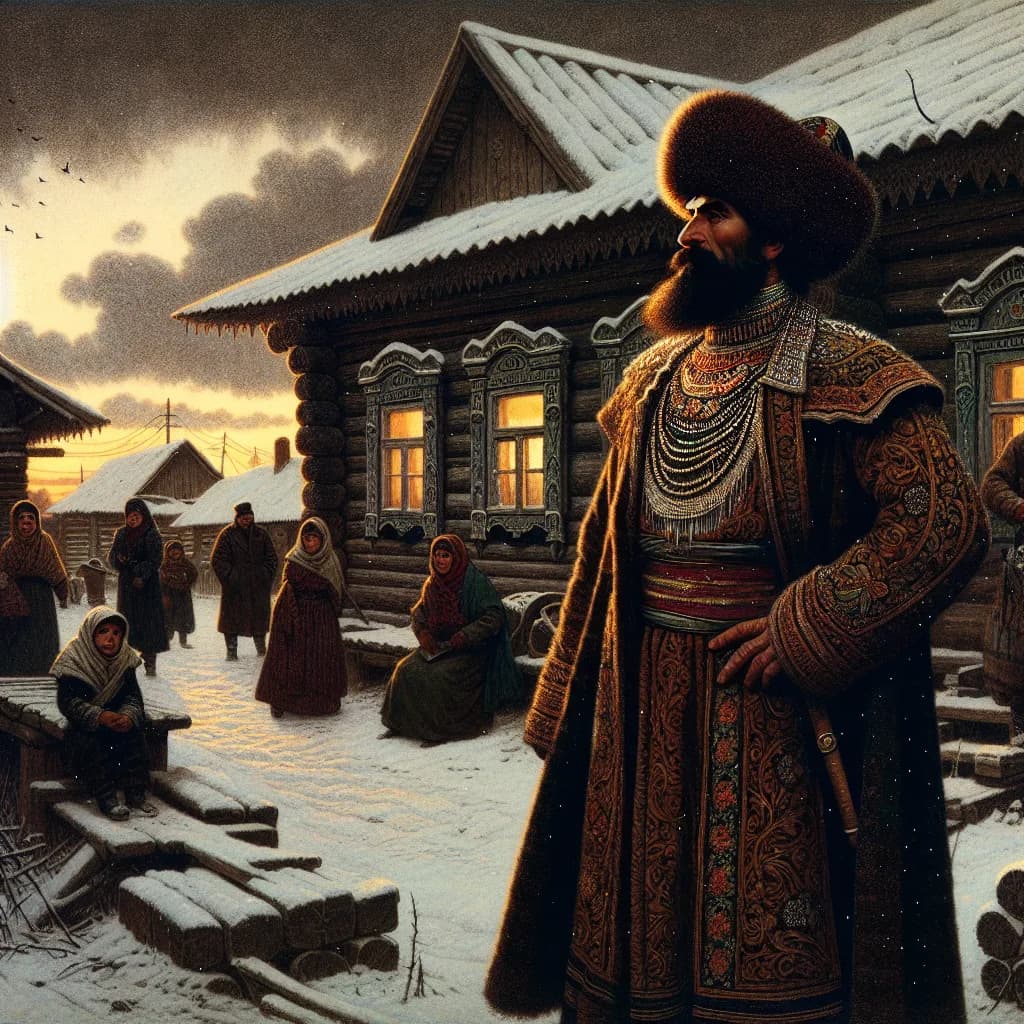
A member of the Tatar community, viewed as an outsider by many in the village.
35First appears in Chapter 35


A handsome and wealthy gentleman known for his interest in visiting the same circles as the narrator.
21First appears in Chapter 21
Dernidov is a merchant mentioned in conversation as a man who once trusted his money to another.
21First appears in Chapter 21
The regional governor, Schultz is an influential official encountered by several important characters.
21First appears in Chapter 21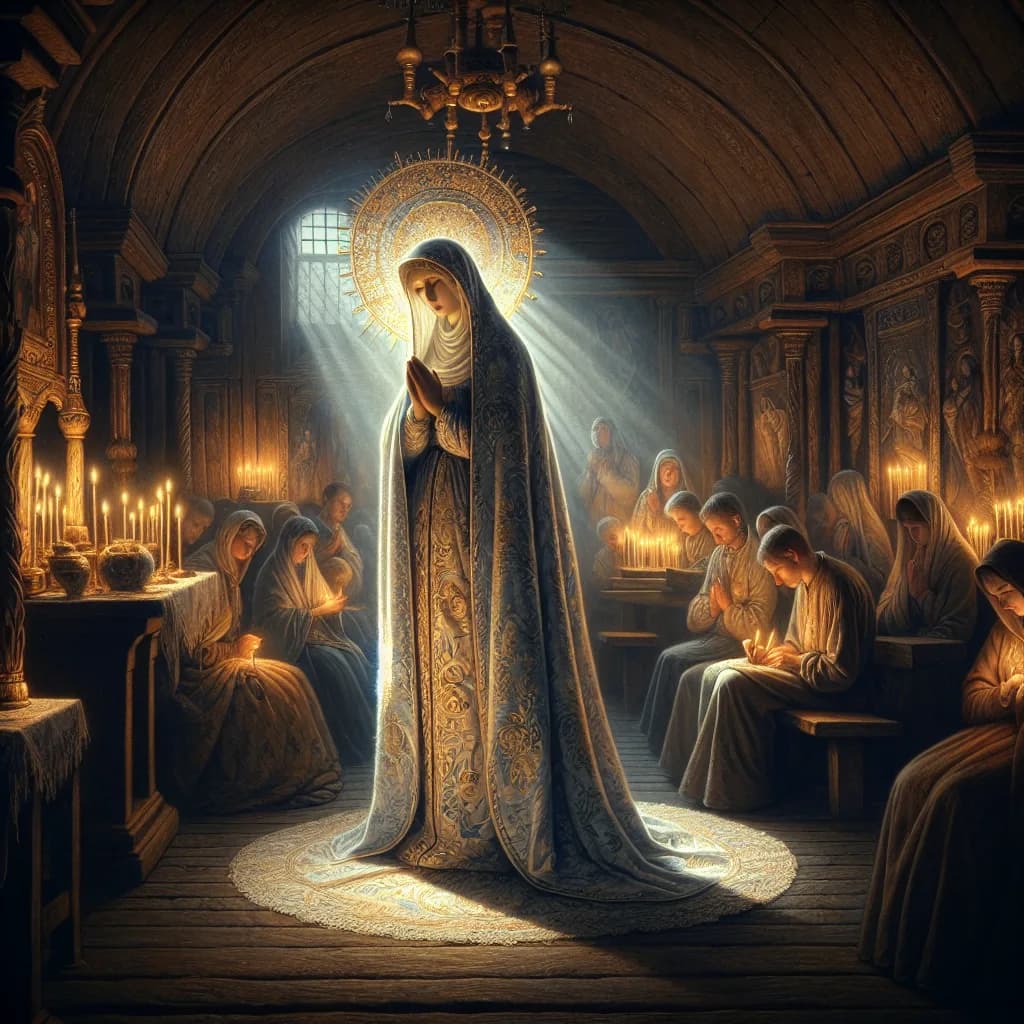
A revered religious figure, honored especially by devout characters in the novel.
21First appears in Chapter 21
A maid working at Katerina Ivanovna’s house, she answers the door to visitors.
23First appears in Chapter 23
A quiet monk who tended the nearby apiary and brought bread to Father Ferapont every few days.
25First appears in Chapter 25
An ancient ascetic, famed for his saintly life and longevity, whose memory still lingers in the monastery.
25First appears in Chapter 25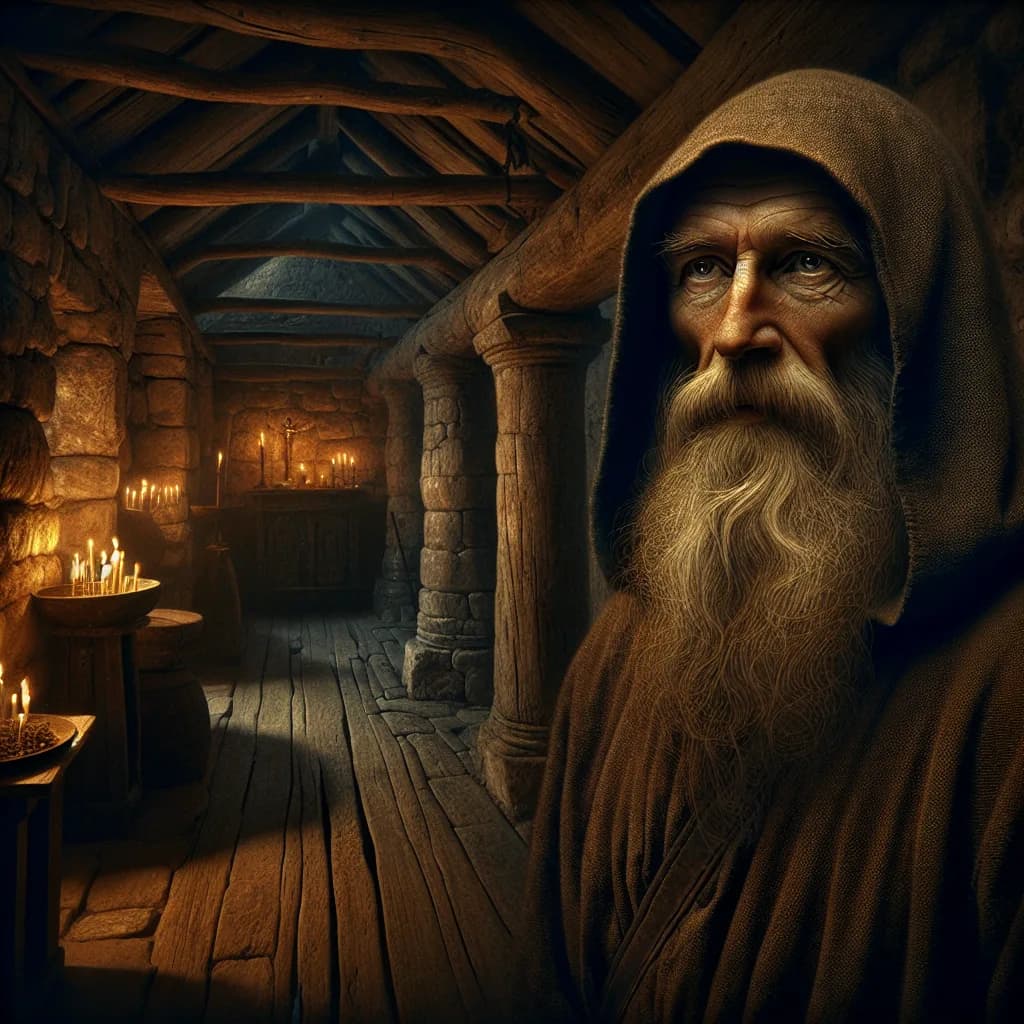
A monk from the remote northern monastery of St. Sylvester, recently arrived at the monastery.
25First appears in Chapter 25


A man widely spoken of for his noble heart in the community.
30First appears in Chapter 30
The old daughter, seemingly deaf like her mother, lives quietly beside her in the house.
30First appears in Chapter 30
Nastasya Petrovna, a sharp-tongued and spirited woman, is mentioned for her fiery temperament.
30First appears in Chapter 30



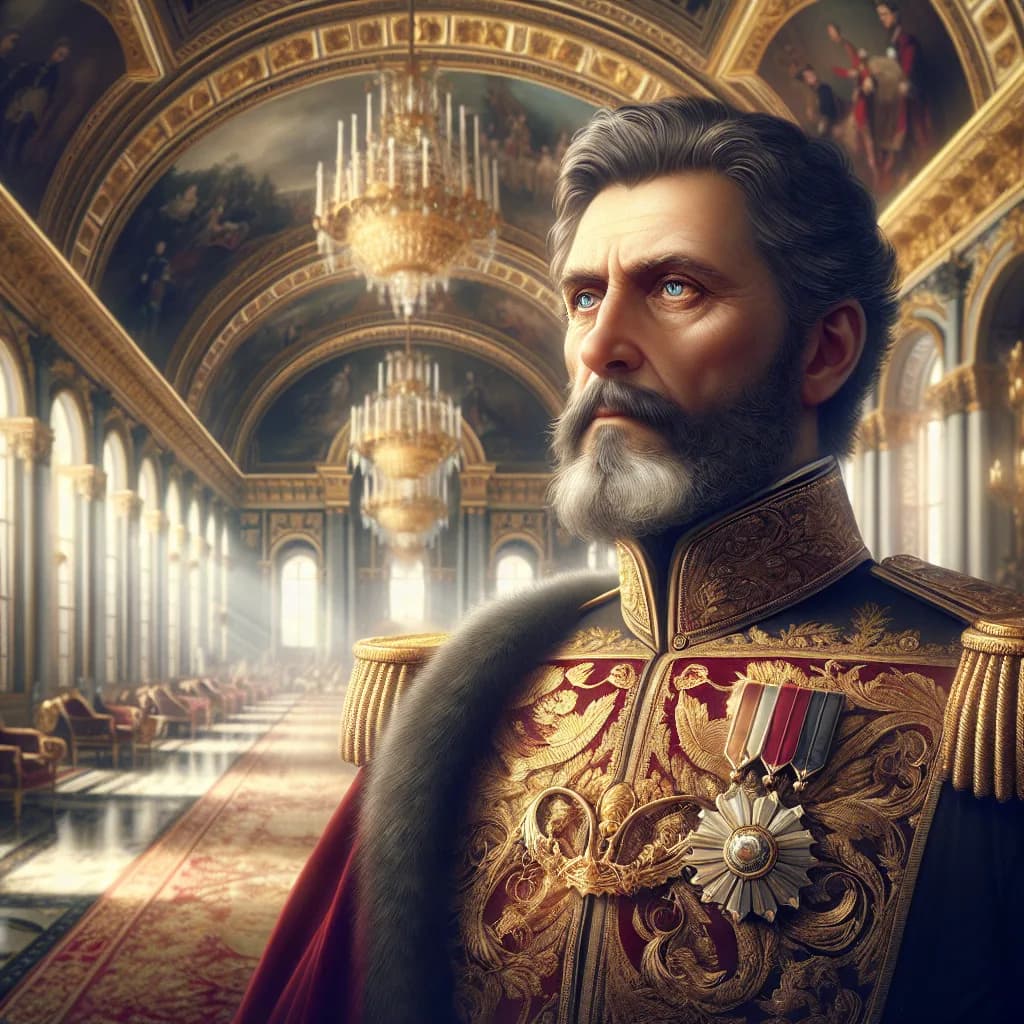
The Tsar—the distant, powerful ruler of all Russia—is spoken of with awe and longing by those who dream of greatness.
31First appears in Chapter 31
A character from Russian literature, Famusov is a distinguished, traditional gentleman from the play _Sorrow from Wit_.
32First appears in Chapter 32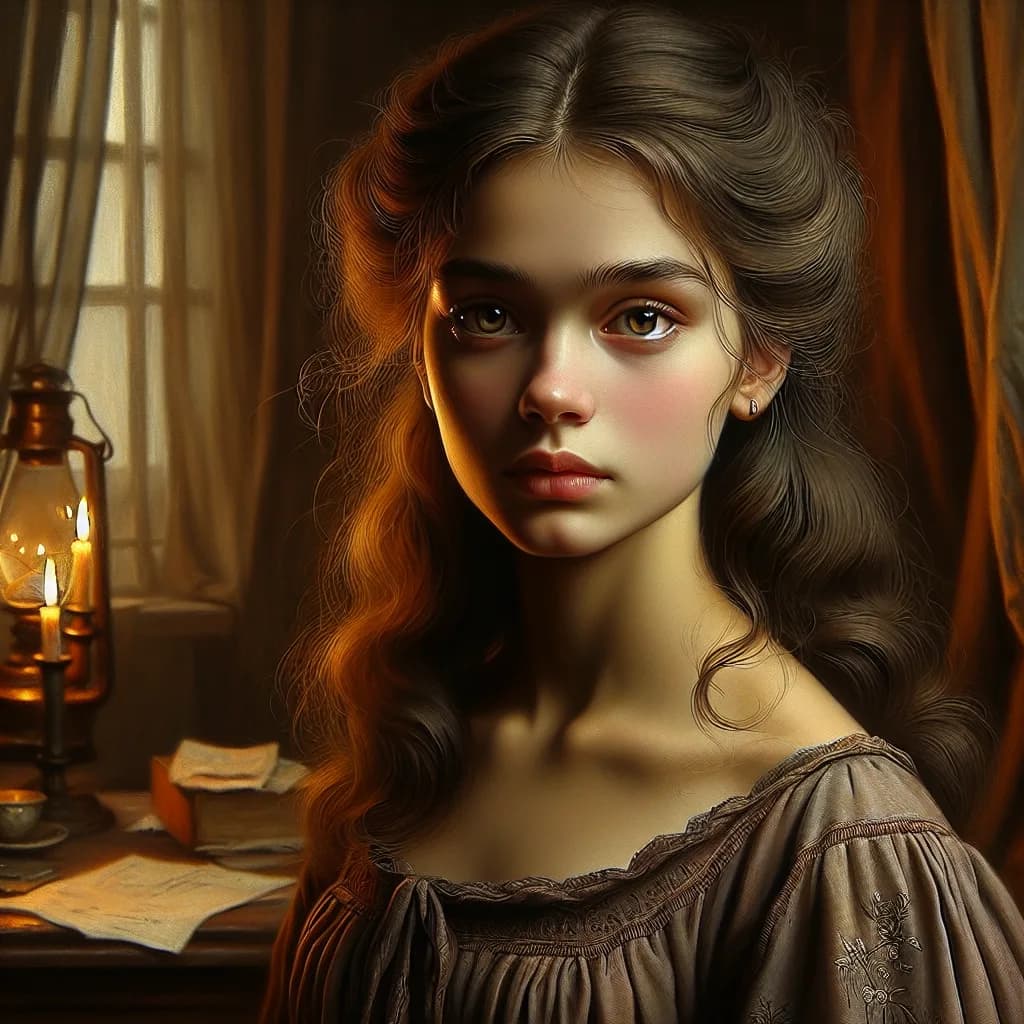
A young woman whose emotions and loyalties are keenly observed by those around her.
32First appears in Chapter 32
A witty and outspoken young man known for his sharp intellect and independent views.
32First appears in Chapter 32
The French are introduced as a clever and formidable nation, once led by the ambitious Emperor Napoleon.
33First appears in Chapter 33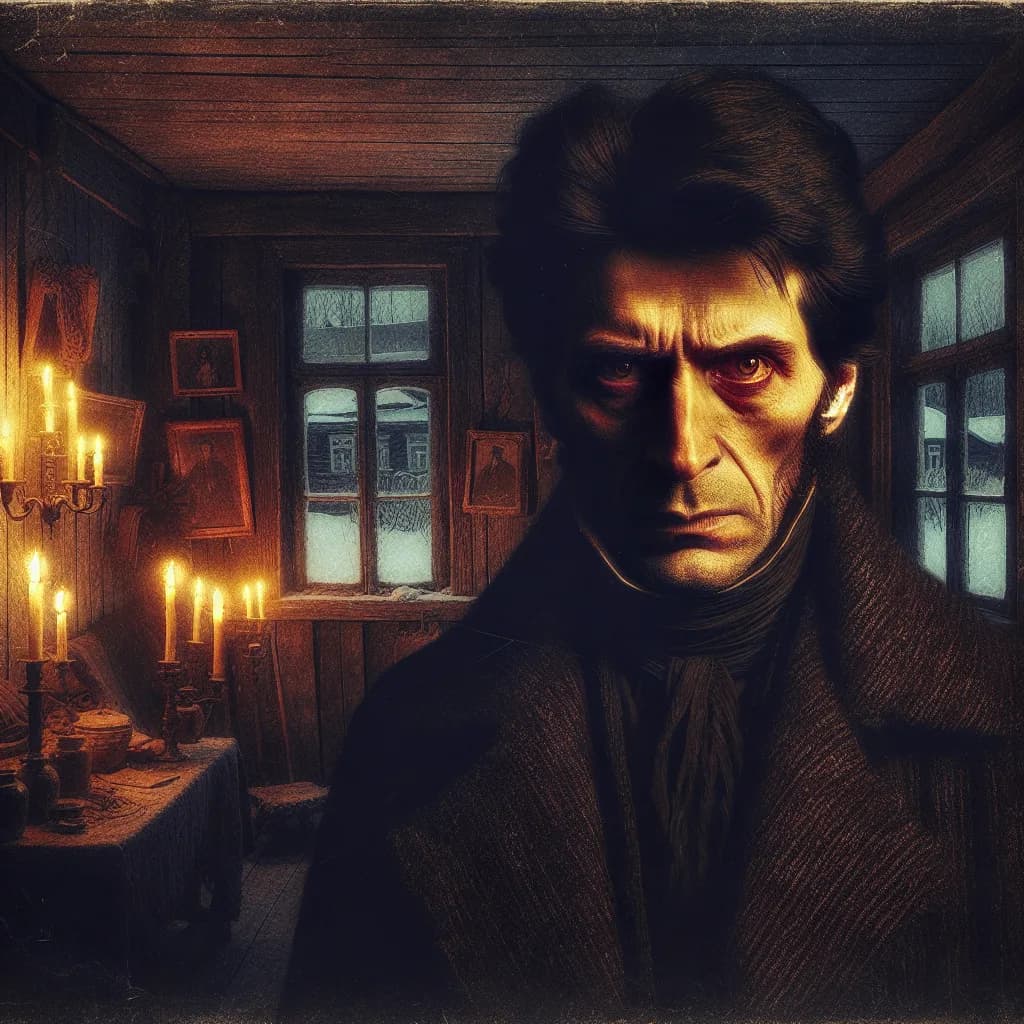
Cain, the biblical figure infamous for becoming the first murderer, serves here as a symbol of fraternal guilt.
34First appears in Chapter 34
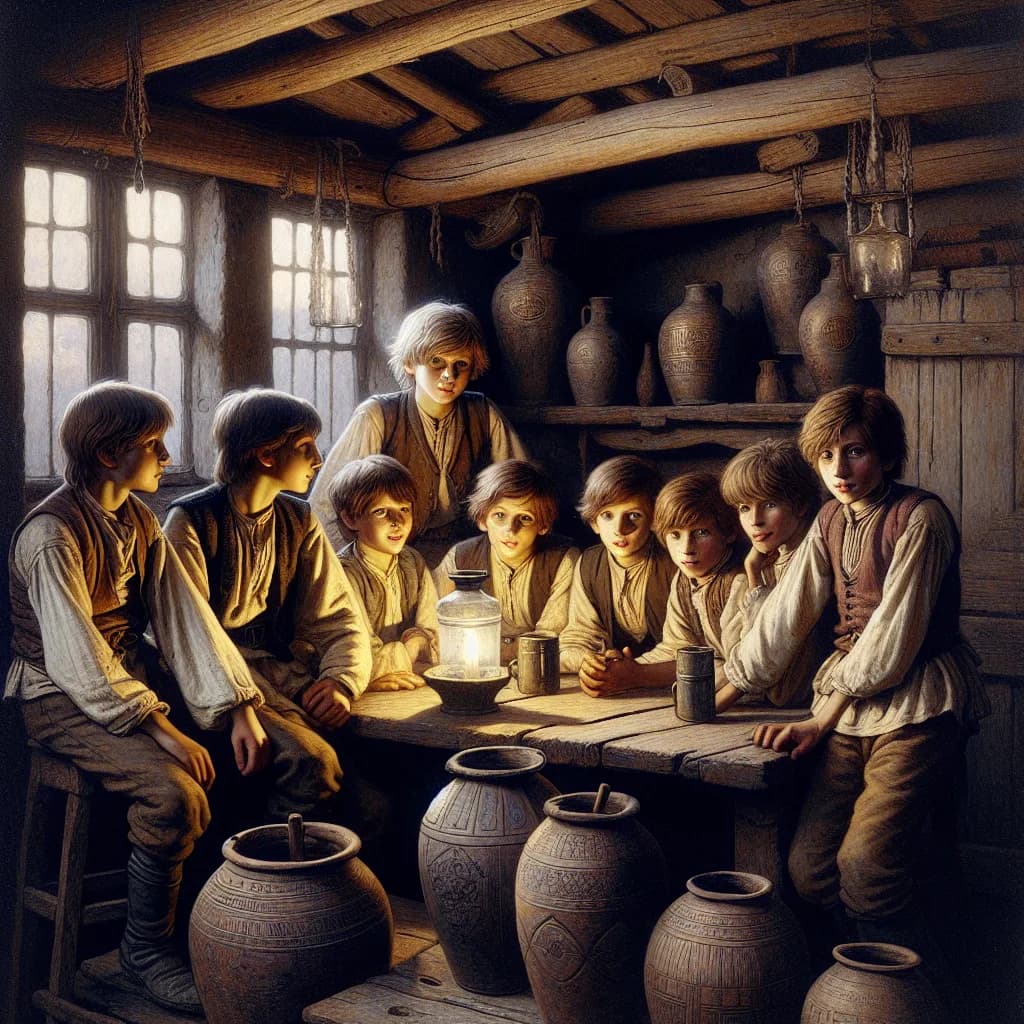
A group of young Russian boys, gathered quietly in a corner of the tavern.
34First appears in Chapter 34
A group of young-spirited Russian professors, more like their students than strict teachers.
34First appears in Chapter 34
Waiters, busy and attentive, move quickly through the room, serving the needs of the guests.
34First appears in Chapter 34
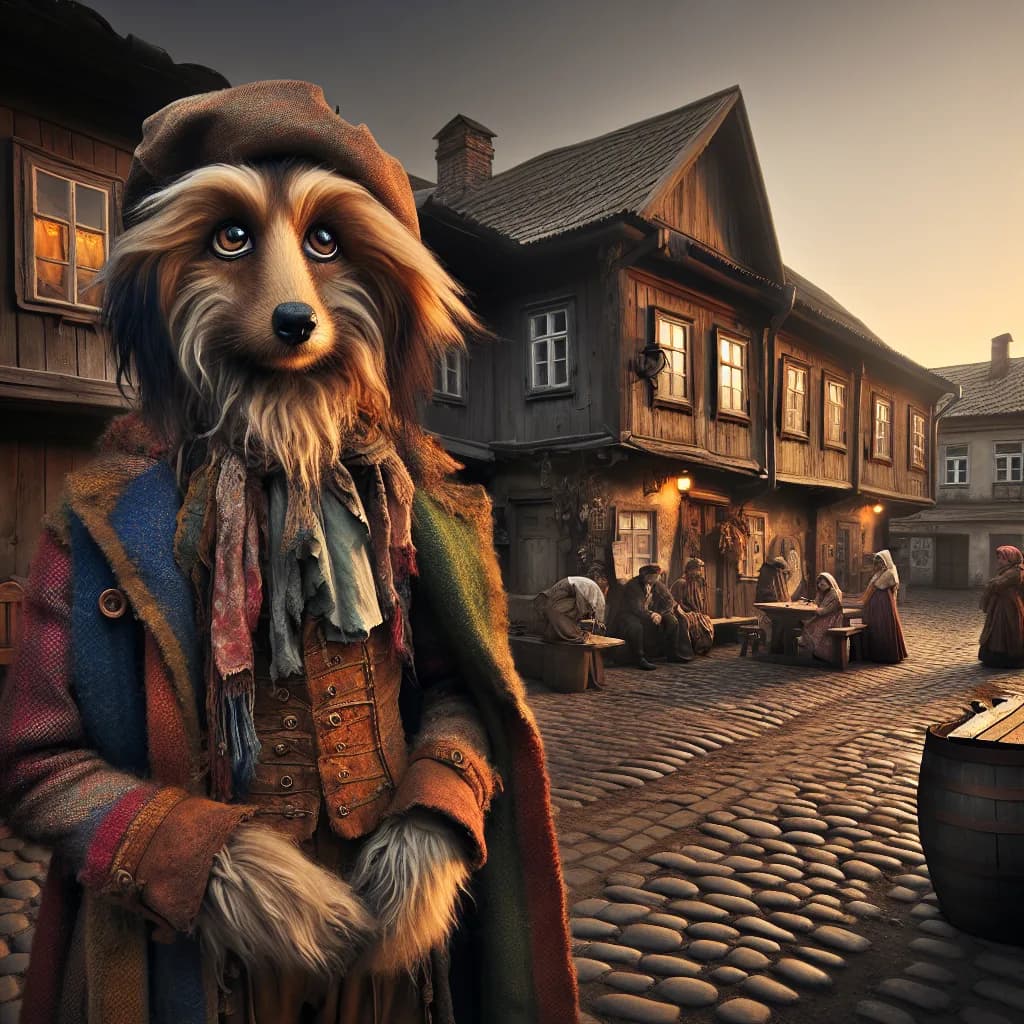

John the Merciful, a saint renowned for his compassion and generosity toward the needy.
35First appears in Chapter 35
A Russian writer, Nekrassov is known for his vivid and compassionate depictions of peasant life and suffering.
35First appears in Chapter 35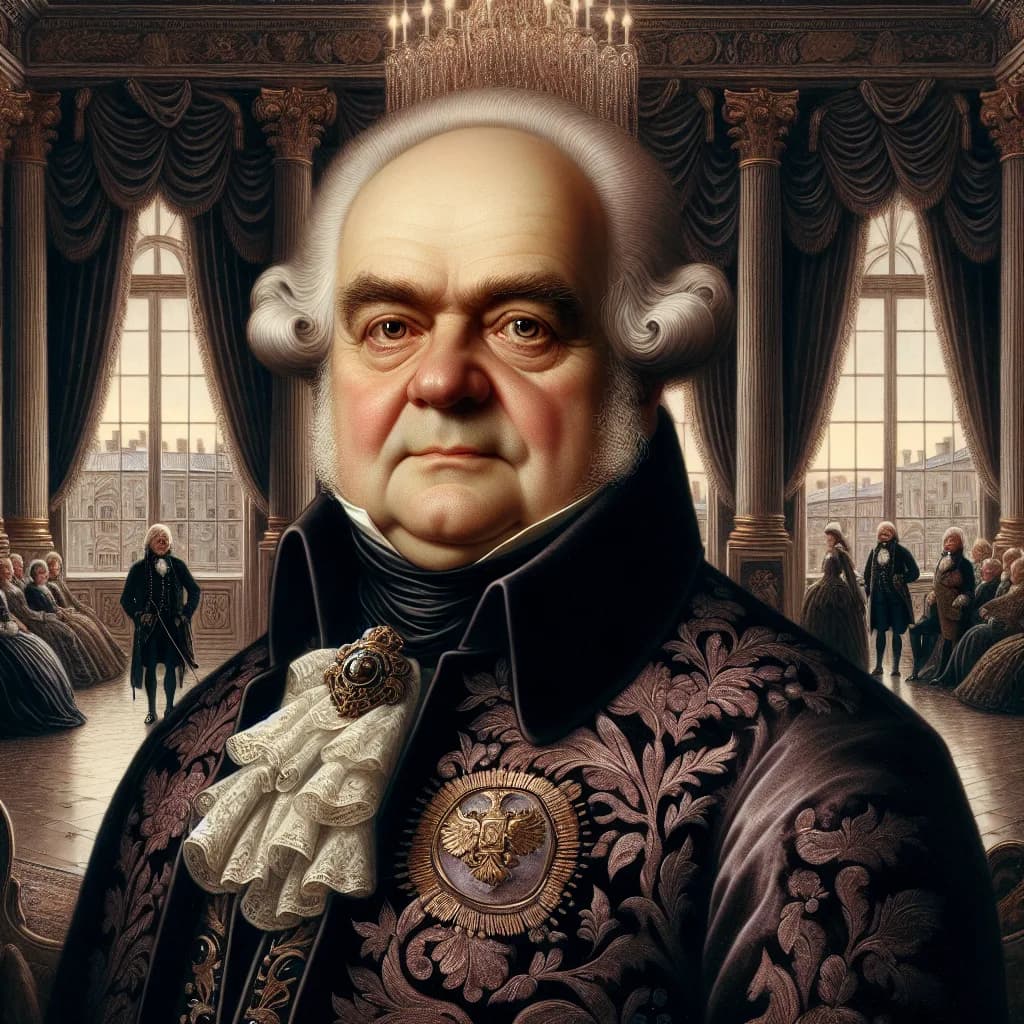
A verbose and meddlesome courtier in Shakespeare's _Hamlet_.
35First appears in Chapter 35
A young man of about twenty-three, known for a recent and well-publicized execution in France, whose repentance at the scaffold is remembered.
35First appears in Chapter 35


A distinguished general of noble birth and vast estates, known for his commanding presence and storied past.
35First appears in Chapter 35

A once-privileged young man who has fallen into poverty and now suffers hunger and rejection.
35First appears in Chapter 35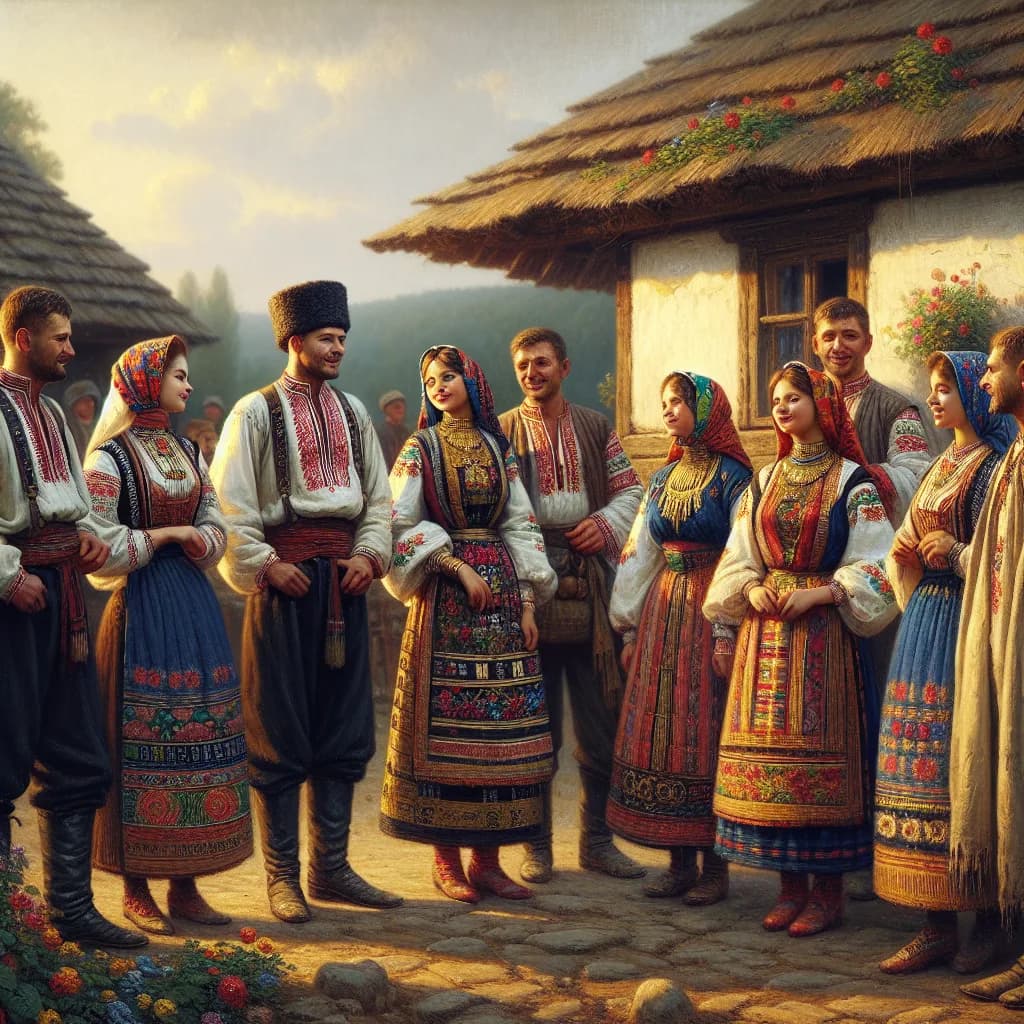
A collective group of people living in Bulgaria, known for their shared Slavic heritage and customs.
35First appears in Chapter 35
Alyosha affectionately refers to Father Zossima as "Pater Seraphicus," a name that reflects his deep reverence for the elder.
36First appears in Chapter 36
The mighty Archangel Michael, a celestial guide and warrior, appears to lead and protect through spiritual realms.
36First appears in Chapter 36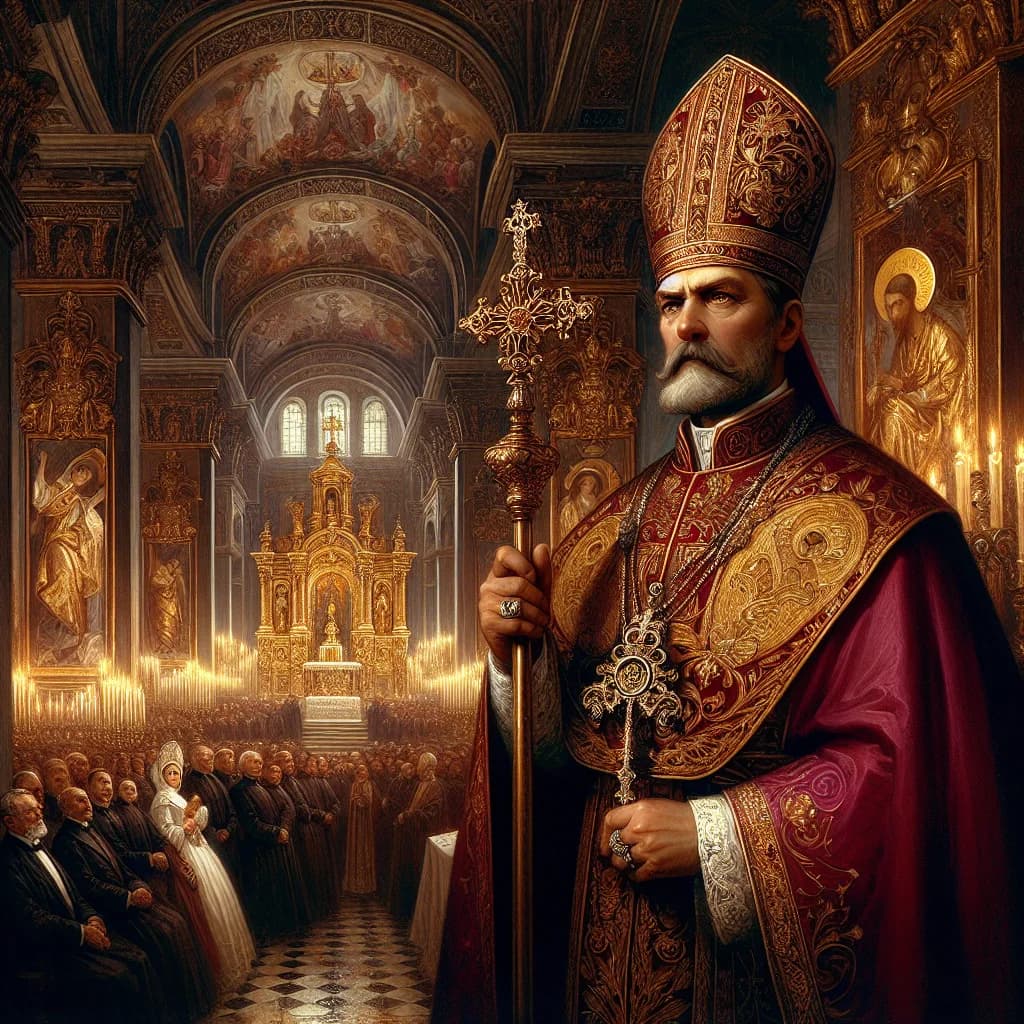
A powerful church leader who presides over solemn and grand public ceremonies.
36First appears in Chapter 36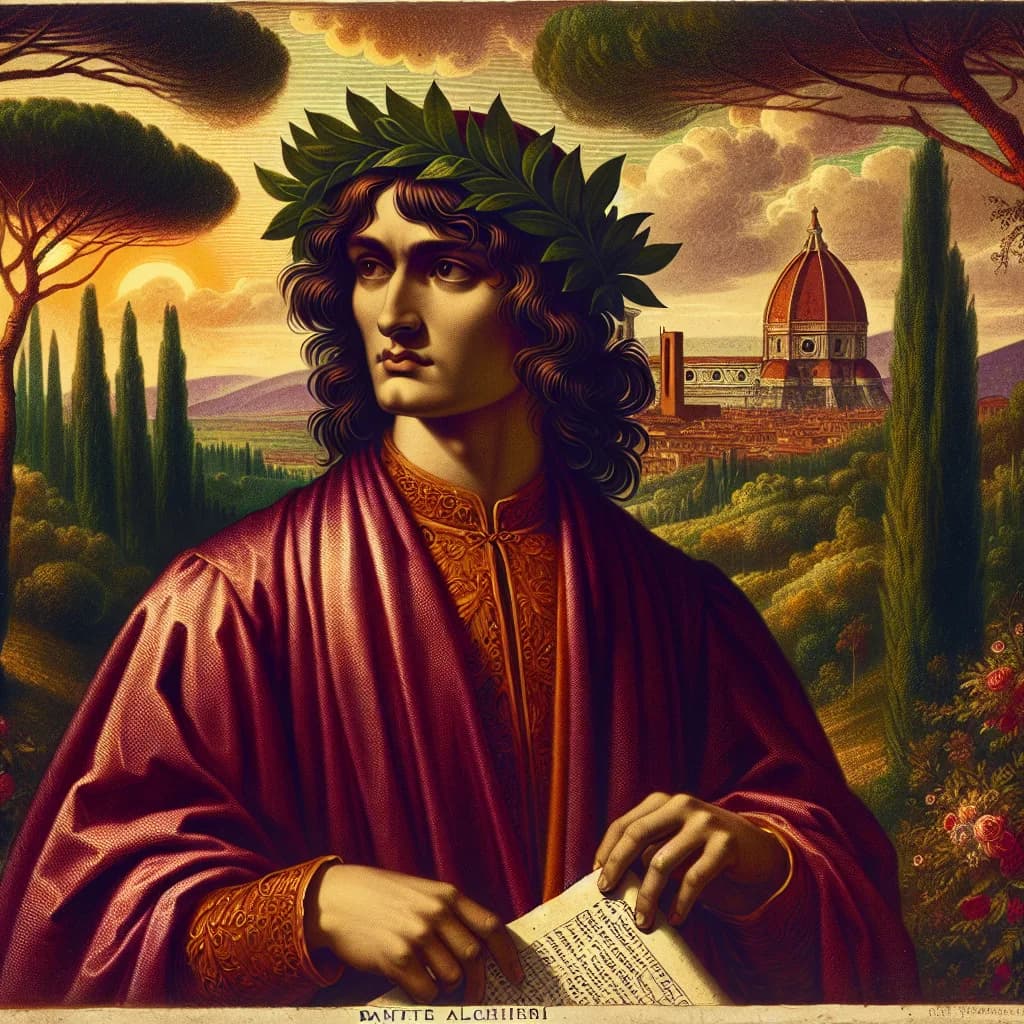
A renowned Italian poet, famous for his richly imaginative and influential works.
36First appears in Chapter 36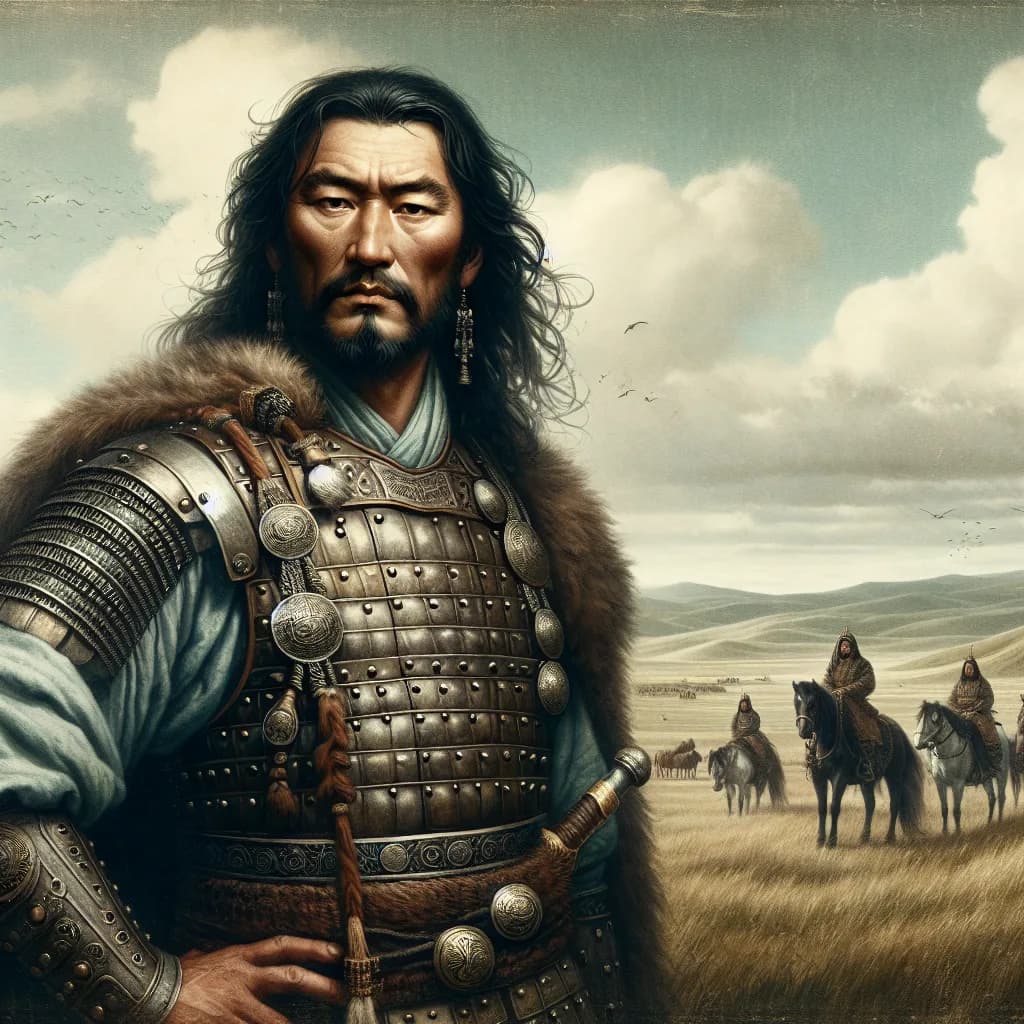
A legendary Mongol conqueror, renowned for uniting vast territories under his rule.
36First appears in Chapter 36
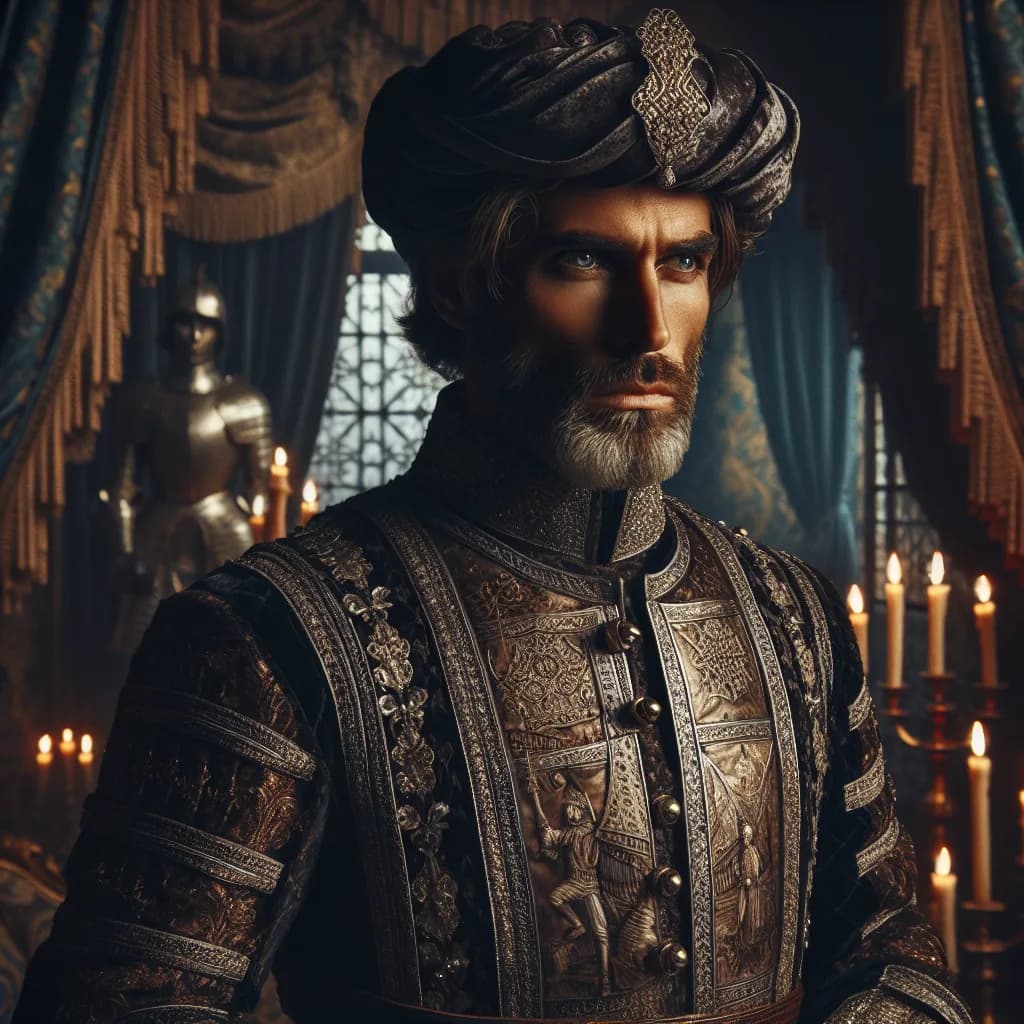
A group of noblemen, distinguished by their impressive armor and dignity.
36First appears in Chapter 36
Elegant and graceful, the most charming ladies of the court are present among the nobility, adding brilliance to the grand occasion.
36First appears in Chapter 36
The shrewd and powerful king of France, known for his cunning and political acumen.
36First appears in Chapter 36
A Russian tsar famed for his sweeping reforms and modernization of the country.
36First appears in Chapter 36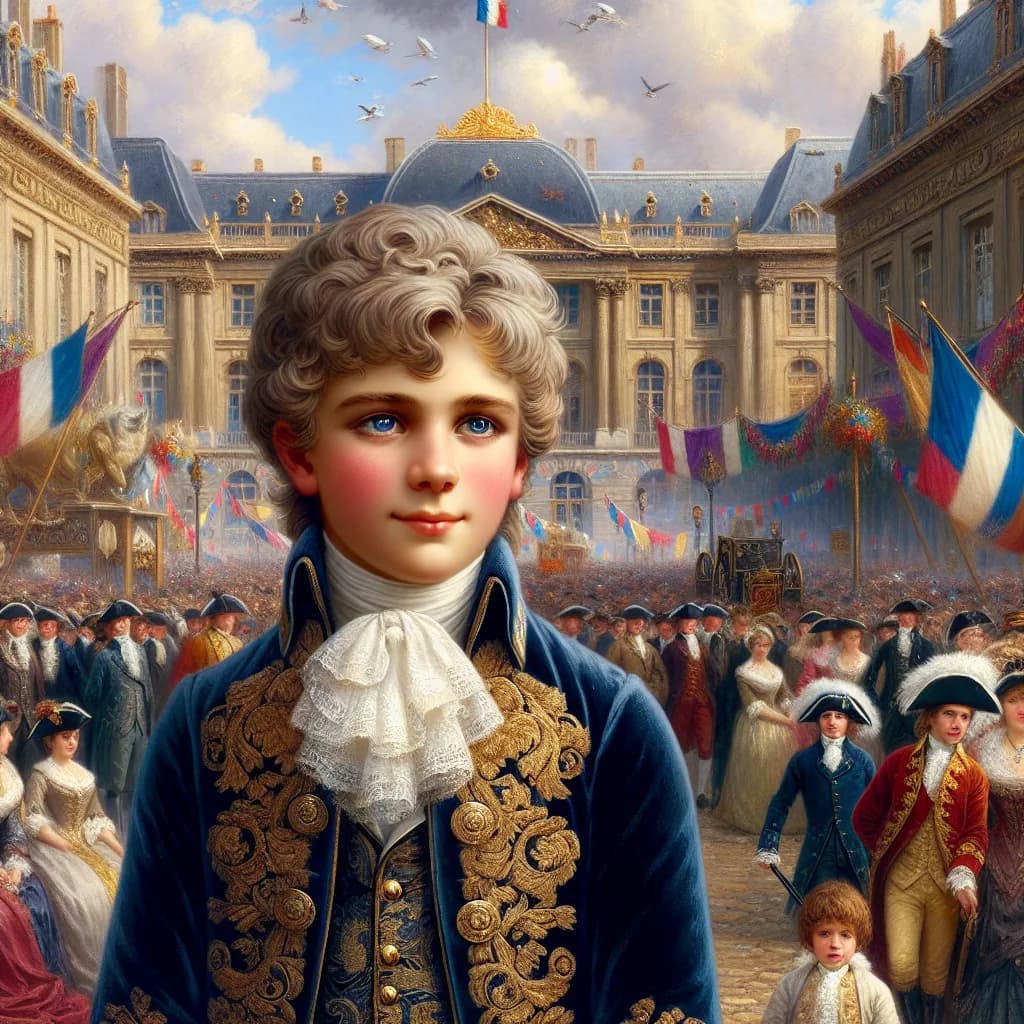
The dauphin, the young heir to the French throne, is celebrated with a grand festival in Paris.
36First appears in Chapter 36
A seven-year-old girl, the only daughter of a well-known citizen, lies peacefully in her flower-covered coffin.
36First appears in Chapter 36
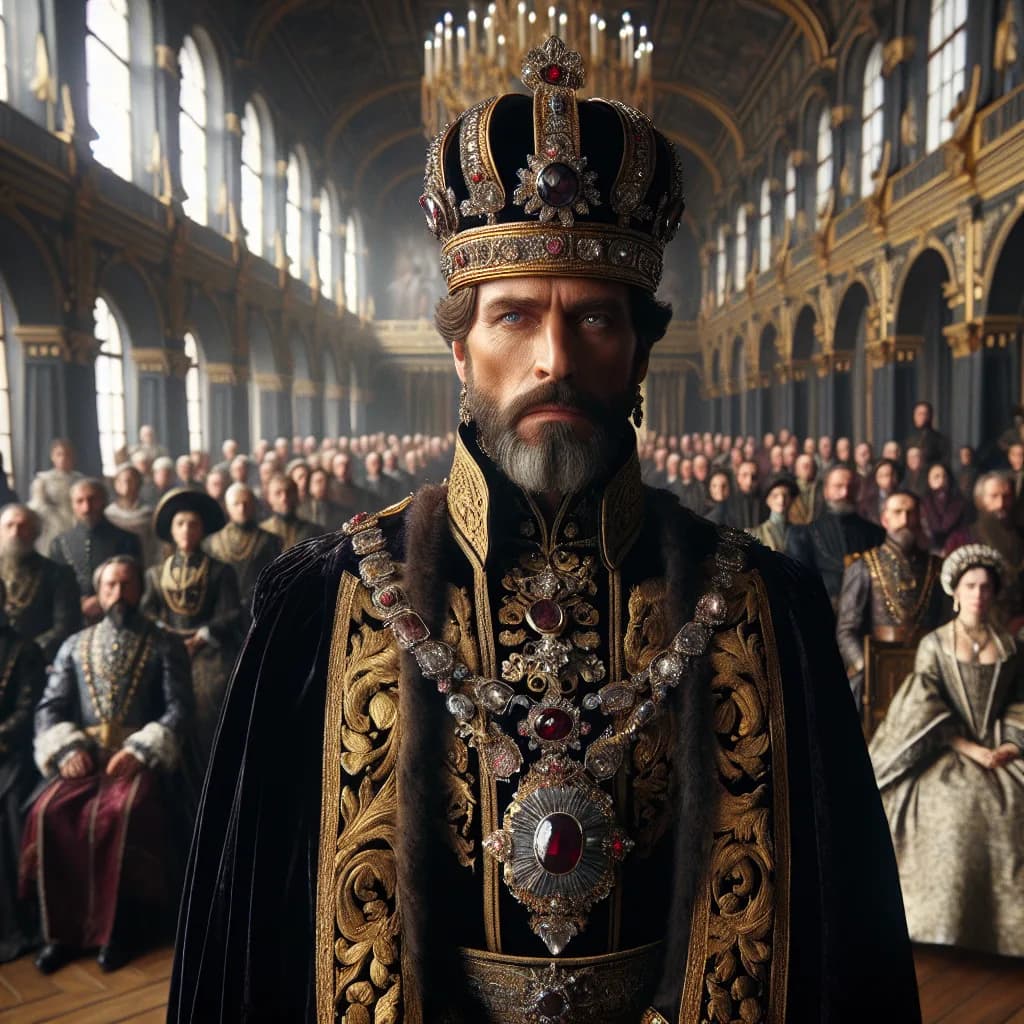
The king, a majestic and commanding figure, presides over the grand assembly in Seville.
36First appears in Chapter 36
A grieving mother, desperate with sorrow, clings to hope as her child is carried in the funeral procession.
36First appears in Chapter 36
The people of Seville are a vibrant and diverse crowd, gathered in anticipation and awe at an extraordinary event.
36First appears in Chapter 36
A solemn priest from the Seville cathedral, he approaches the crowd with a troubled expression.
36First appears in Chapter 36

A reference to the succession of leaders of the Catholic Church, the Roman Popes are the heads of the Vatican and represent the highest authority in Roman Catholicism.
36First appears in Chapter 36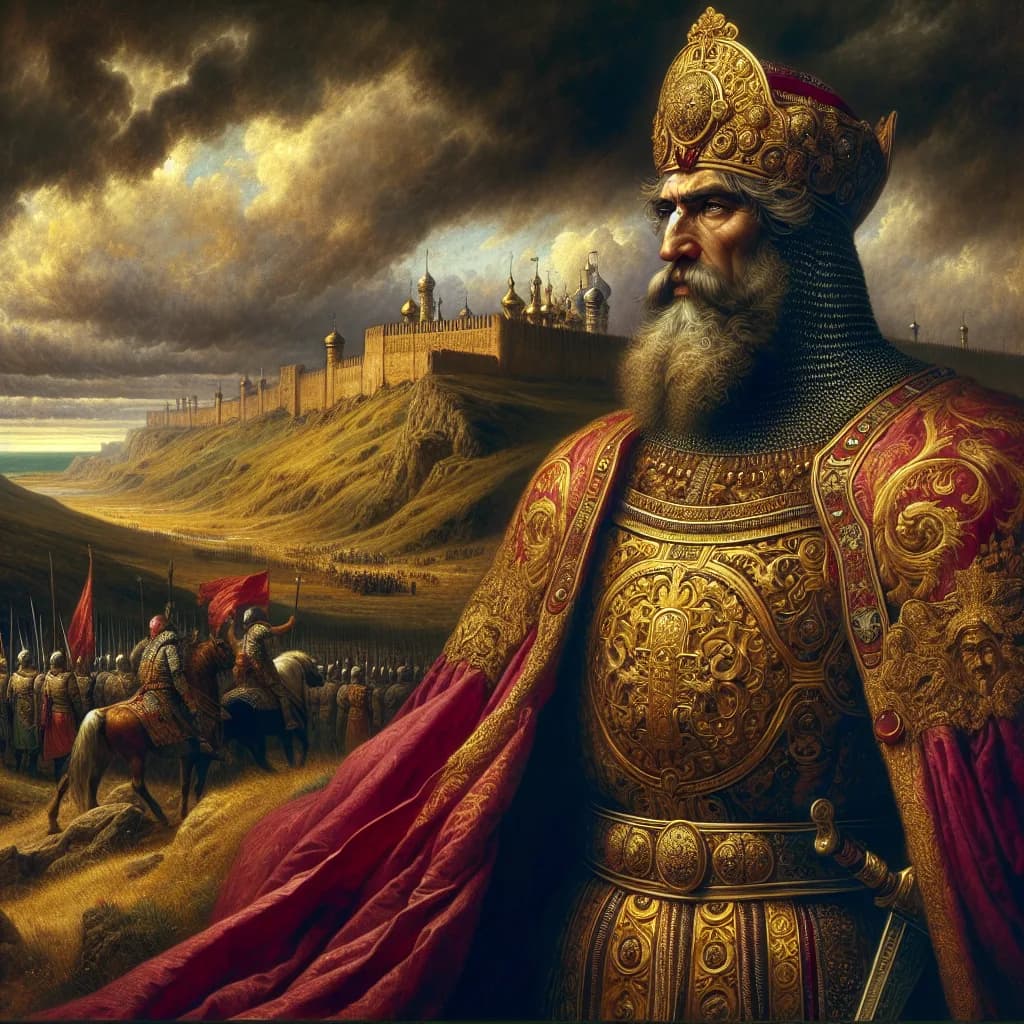
Timur, also known as Tamerlane, was a formidable conqueror renowned for his vast Asian empire and legendary ambition.
36First appears in Chapter 36
A devout and zealous individual, Tyutchev speaks with unwavering conviction about matters of faith.
36First appears in Chapter 36
Victor Hugo, a celebrated French author known for his vivid historical novels, is referenced here as the writer of _Notre Dame de Paris_.
36First appears in Chapter 36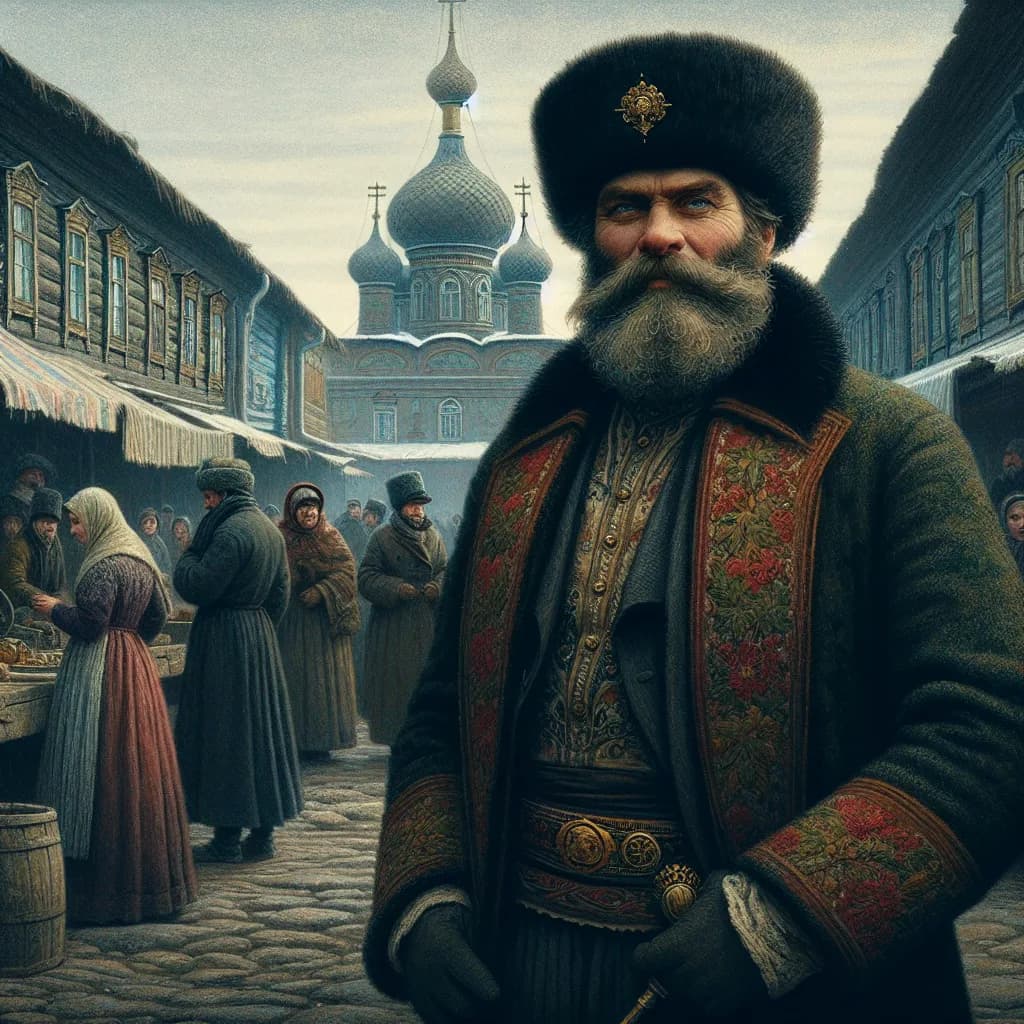
A merchant from out of town, unafraid of local influences, known to the priest at Ilyinskoe.
38First appears in Chapter 38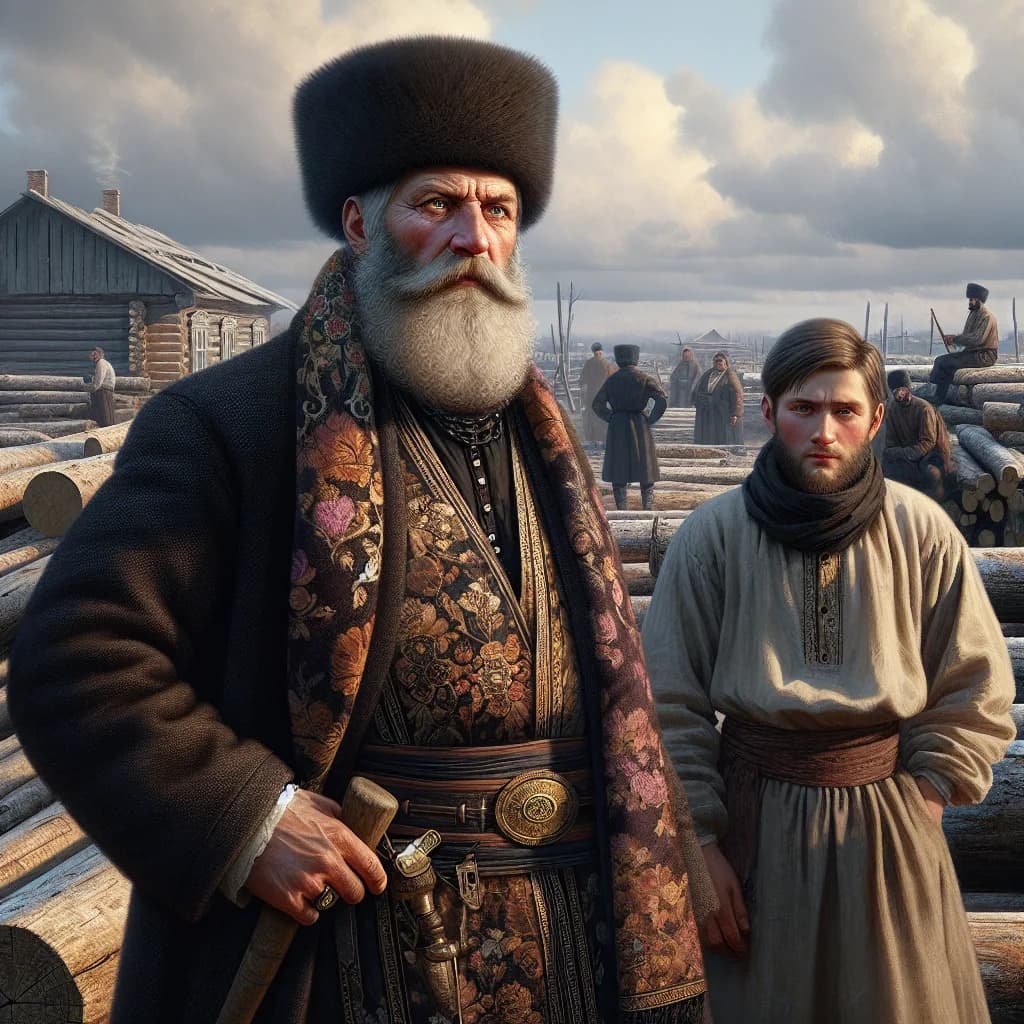
The Maslovs are an old merchant and his son known in the region for buying timber.
38First appears in Chapter 38
Mitri is a quiet and reserved presence, whose emotions and thoughts are not easily read by those around him.
38First appears in Chapter 38


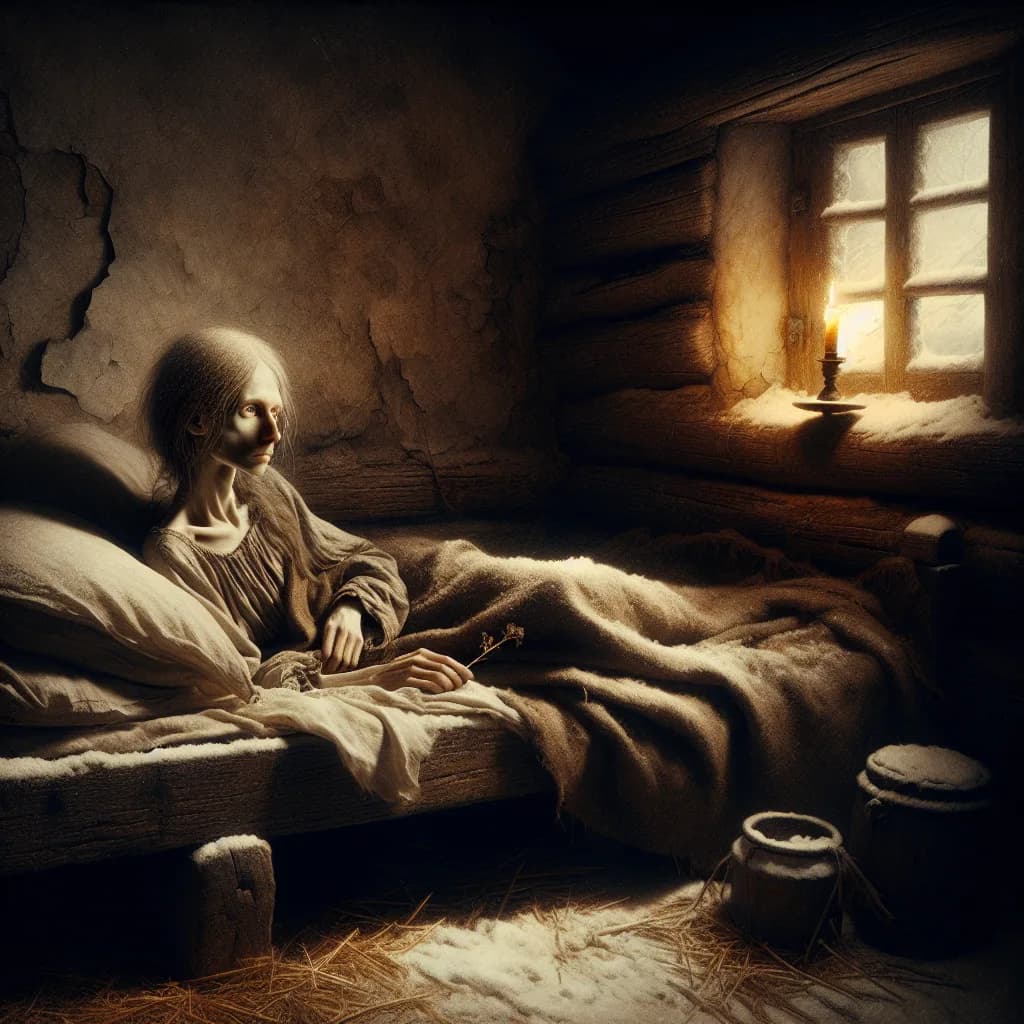
A frail individual in poor health, recently brought to the lodge for care.
38First appears in Chapter 38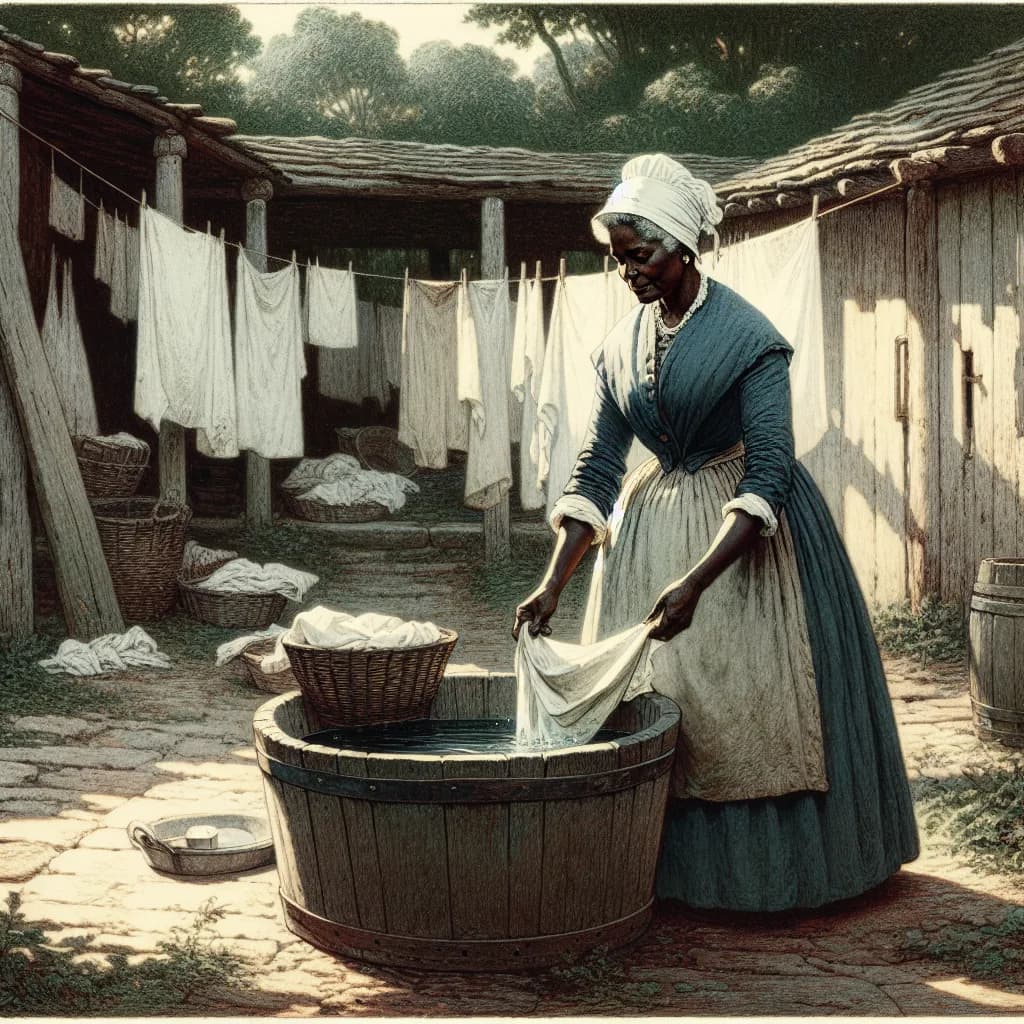
The laundress is the woman responsible for washing and returning Ivan's linen.
38First appears in Chapter 38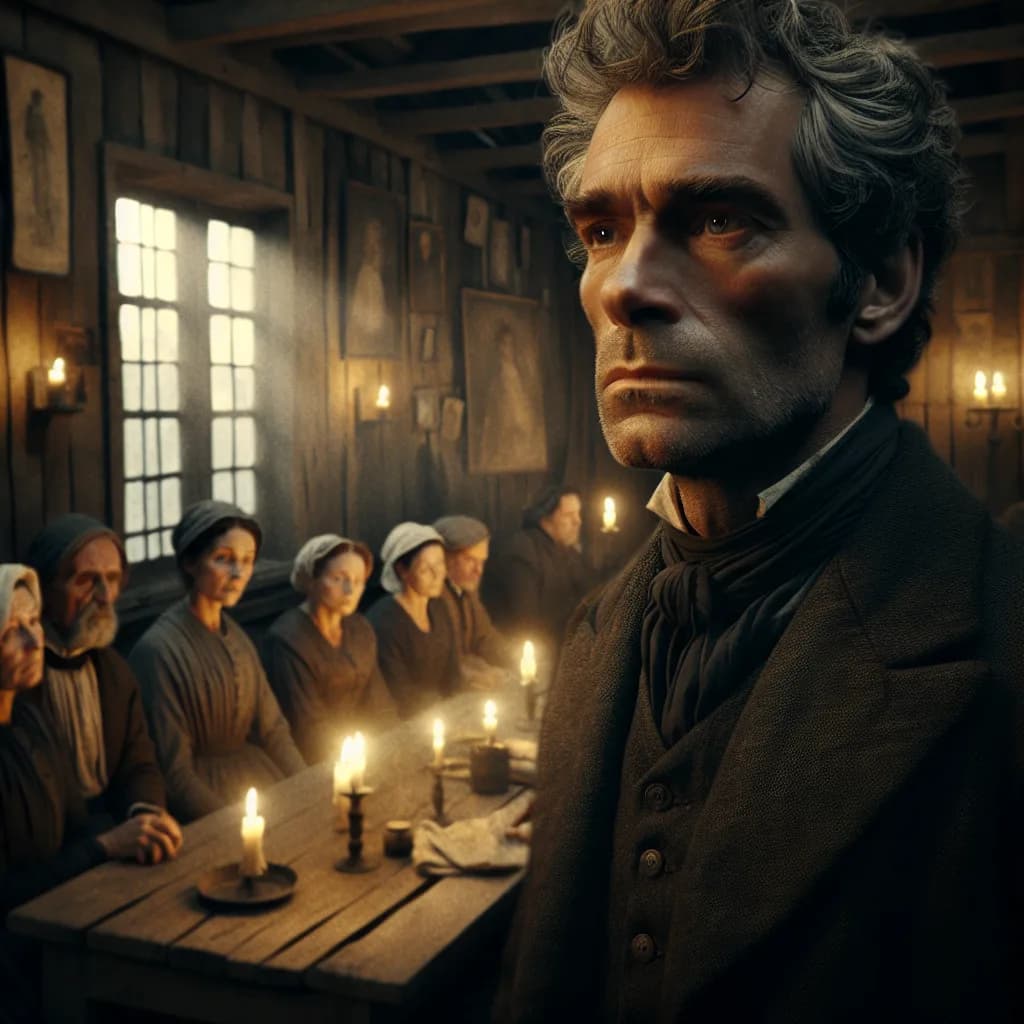
A small group of local residents, called in to lend a hand during an urgent and difficult moment.
38First appears in Chapter 38
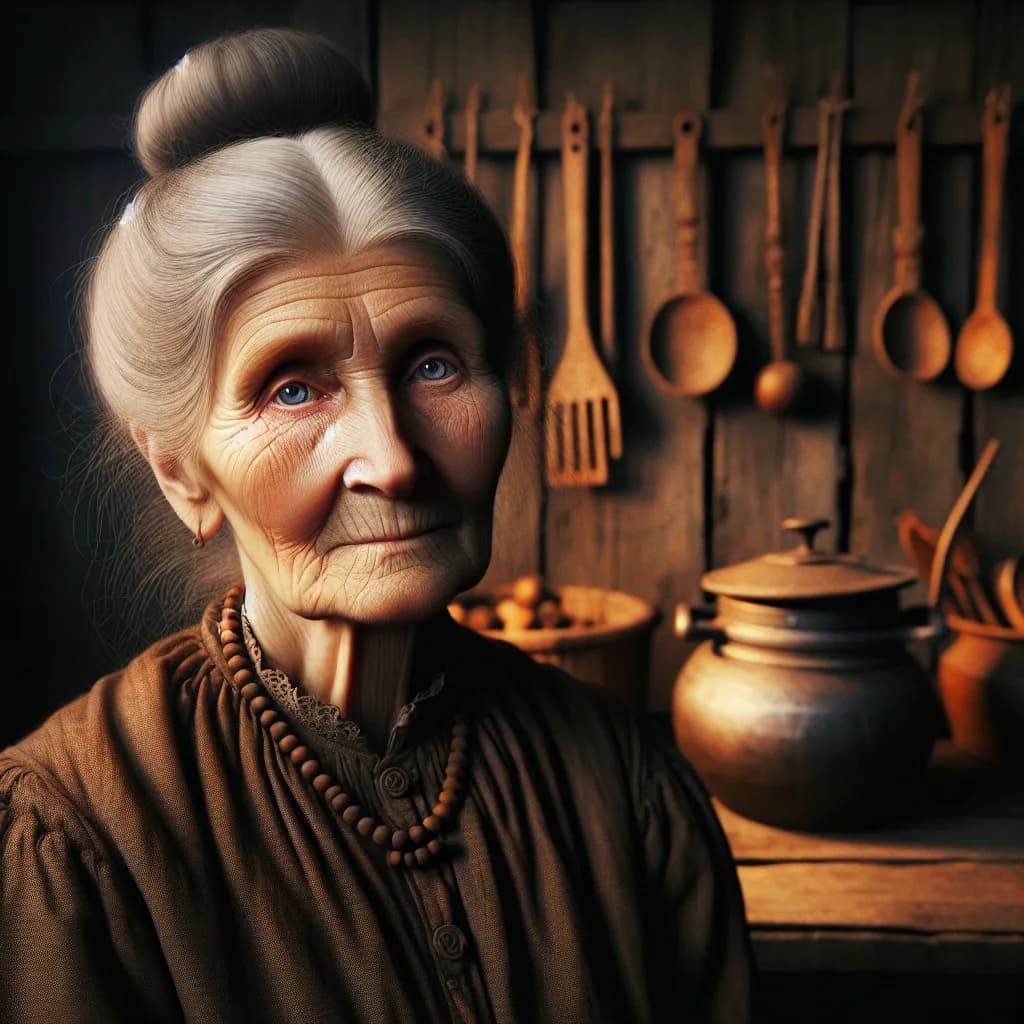
Afimya, the lame and elderly cook, was one of the family's four serf servants.
39First appears in Chapter 39

The youngest brother, gentle Benjamin, appears quietly among his siblings.
39First appears in Chapter 39
An old German doctor who visits the bedside of the sick.
39First appears in Chapter 39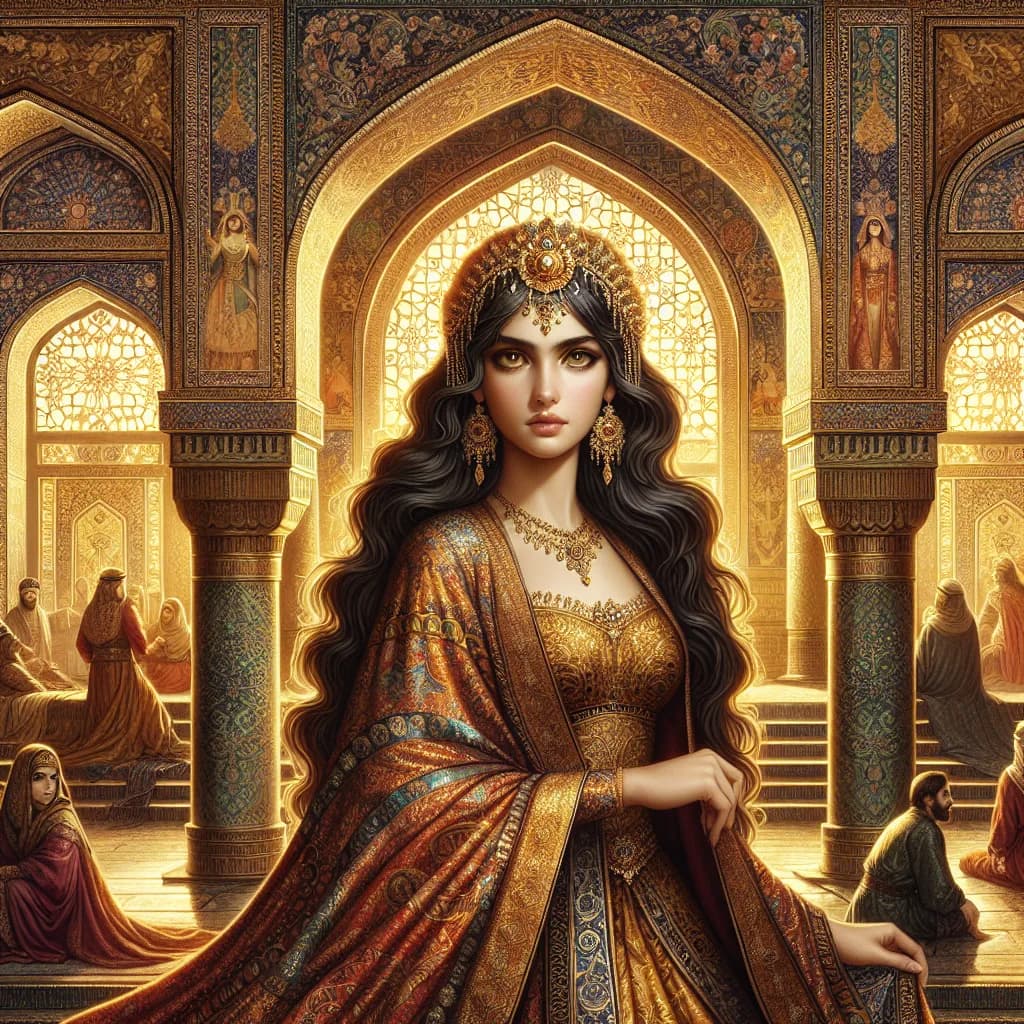
A Jewish queen renowned for her courage and beauty in ancient Persian history.
39First appears in Chapter 39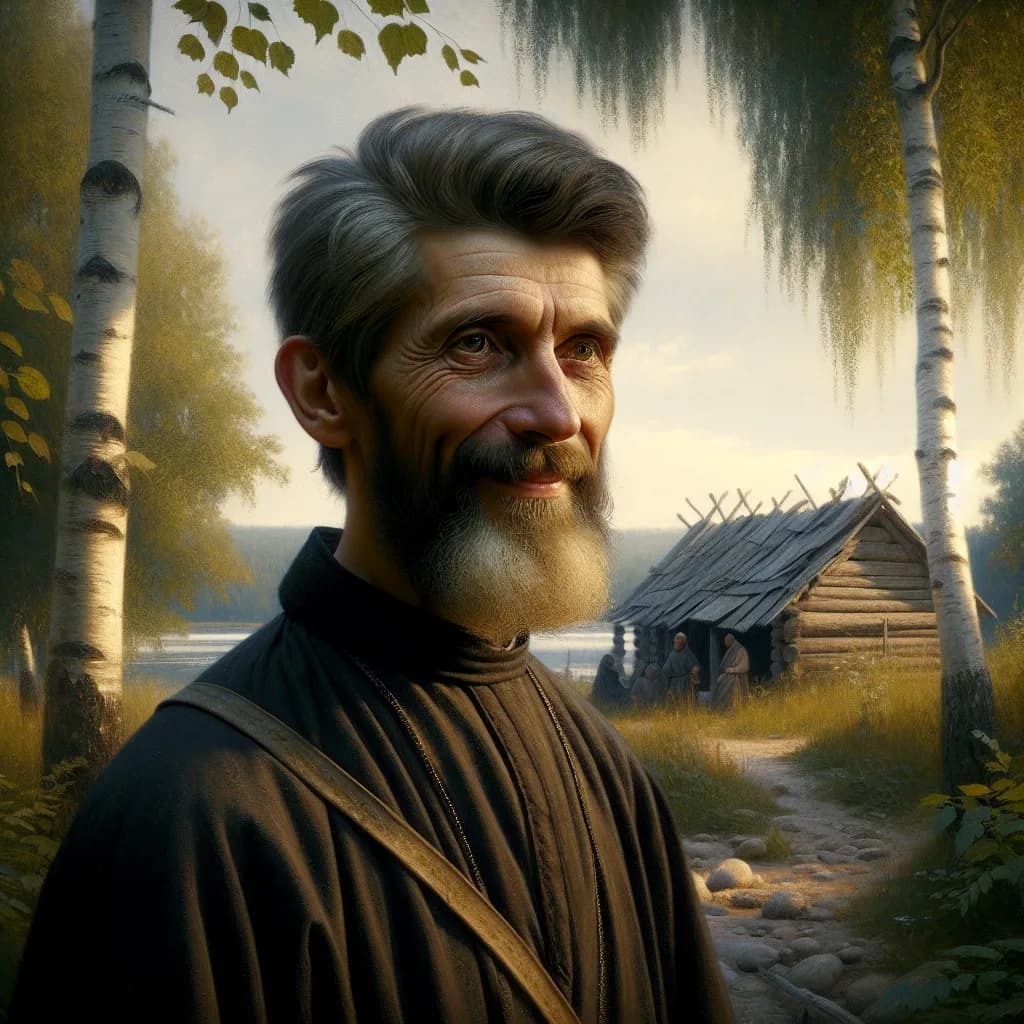
Father Mihaïl, the warden of the hermitage, was a man of humble origin, strong will, and steadfast faith.
39First appears in Chapter 39
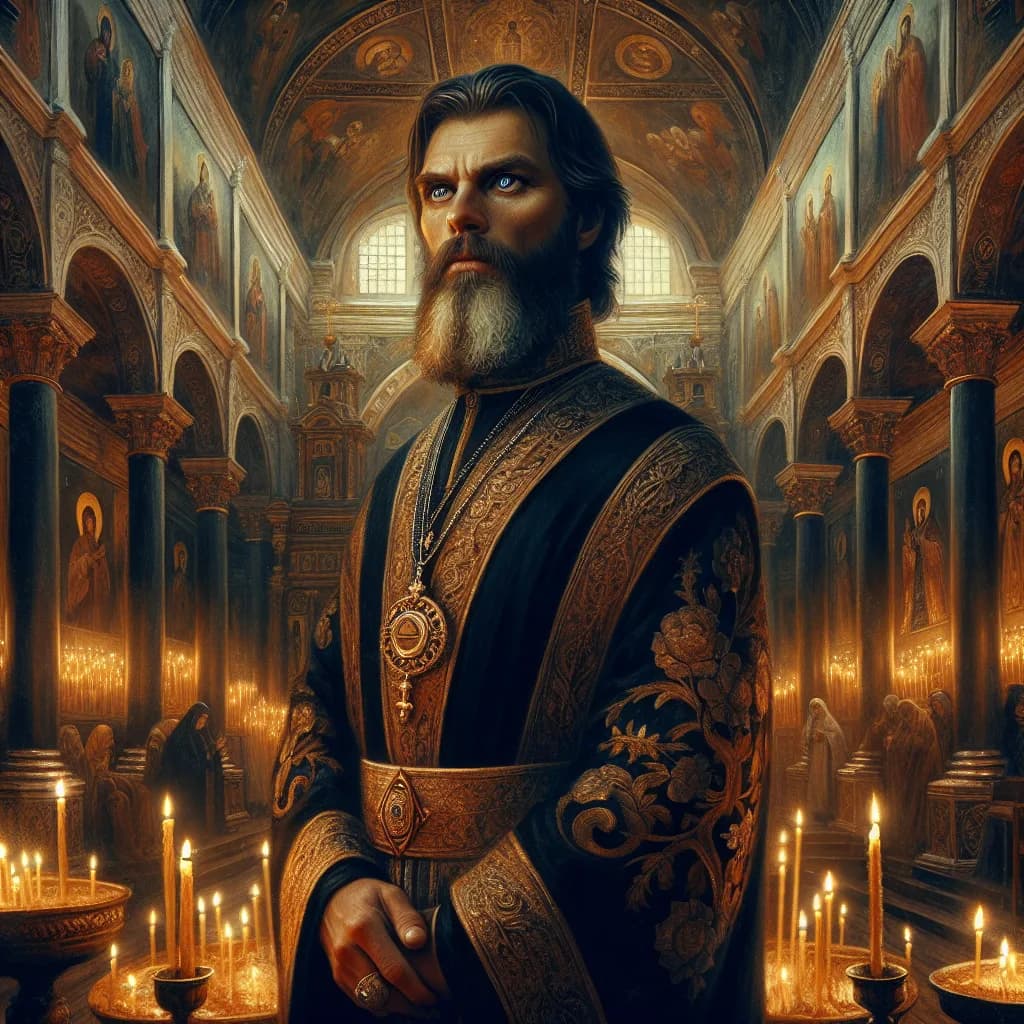
A religious leader speaks of "heretics," referring to those considered to hold beliefs contrary to the accepted faith.
39First appears in Chapter 39
Isaac, the promised son of Abraham and Sarah, is a patriarch whose life and faith are central to biblical tradition.
39First appears in Chapter 39
Jacob, a biblical patriarch, is remembered for his journey to Laban and his visionary dream marking a place as holy.
39First appears in Chapter 39
A favored son known for his dreams, Joseph is envied by his brothers.
39First appears in Chapter 39
Judah, an ancestor of great significance in the ancient lineage, is quietly introduced as the father from whom hope for the world is foretold.
39First appears in Chapter 39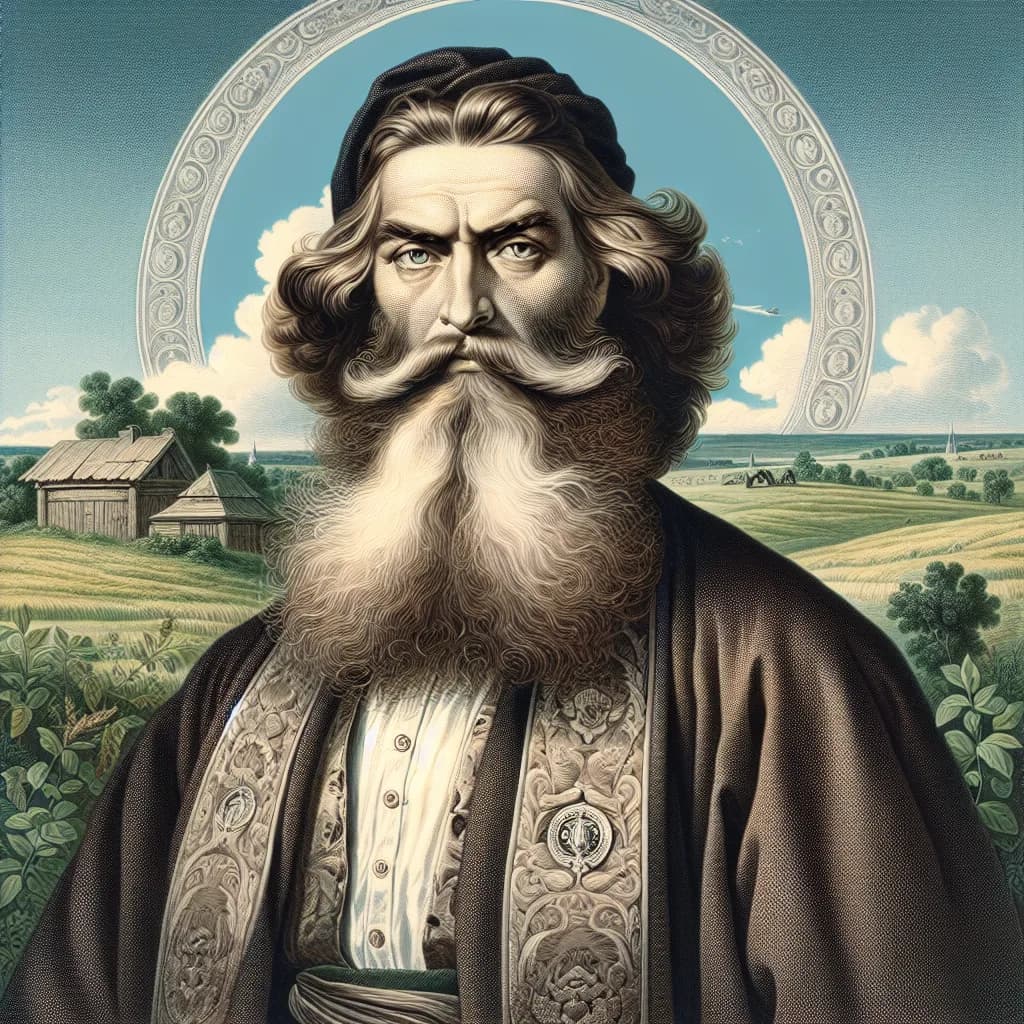
Laban is an important figure from the Old Testament, known as the brother of Rebecca and uncle to Jacob in biblical stories.
39First appears in Chapter 39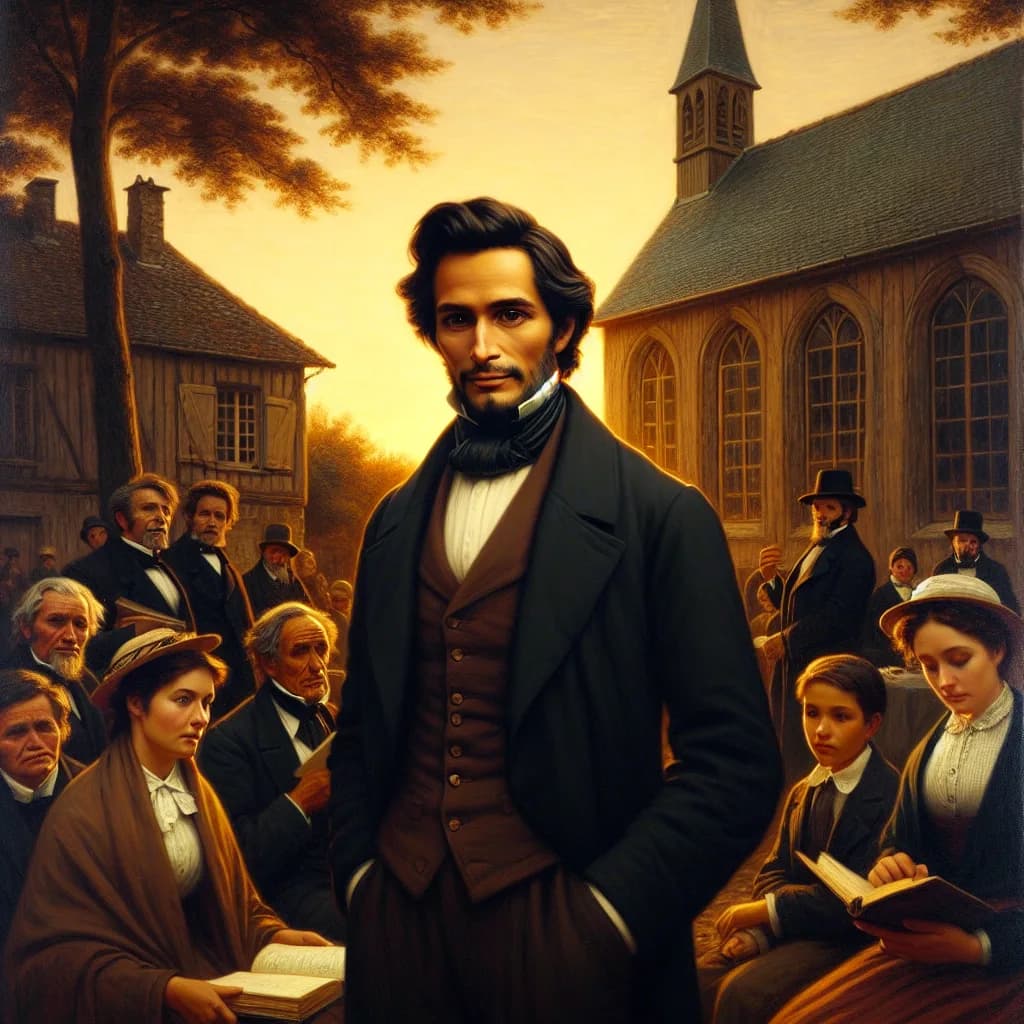
A group of Christians following the teachings of Martin Luther.
39First appears in Chapter 39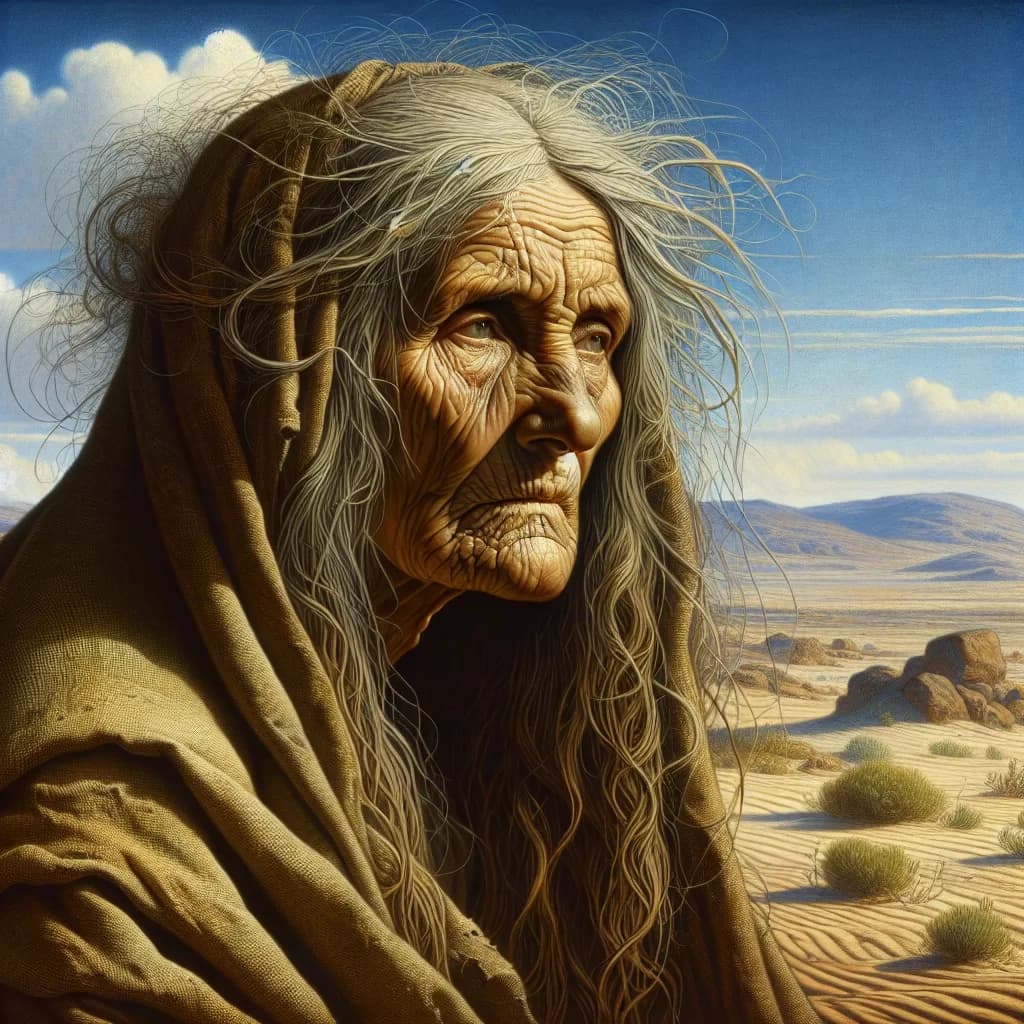
Mary of Egypt, a revered penitent and ascetic saint known for her life of deep repentance and holiness.
39First appears in Chapter 39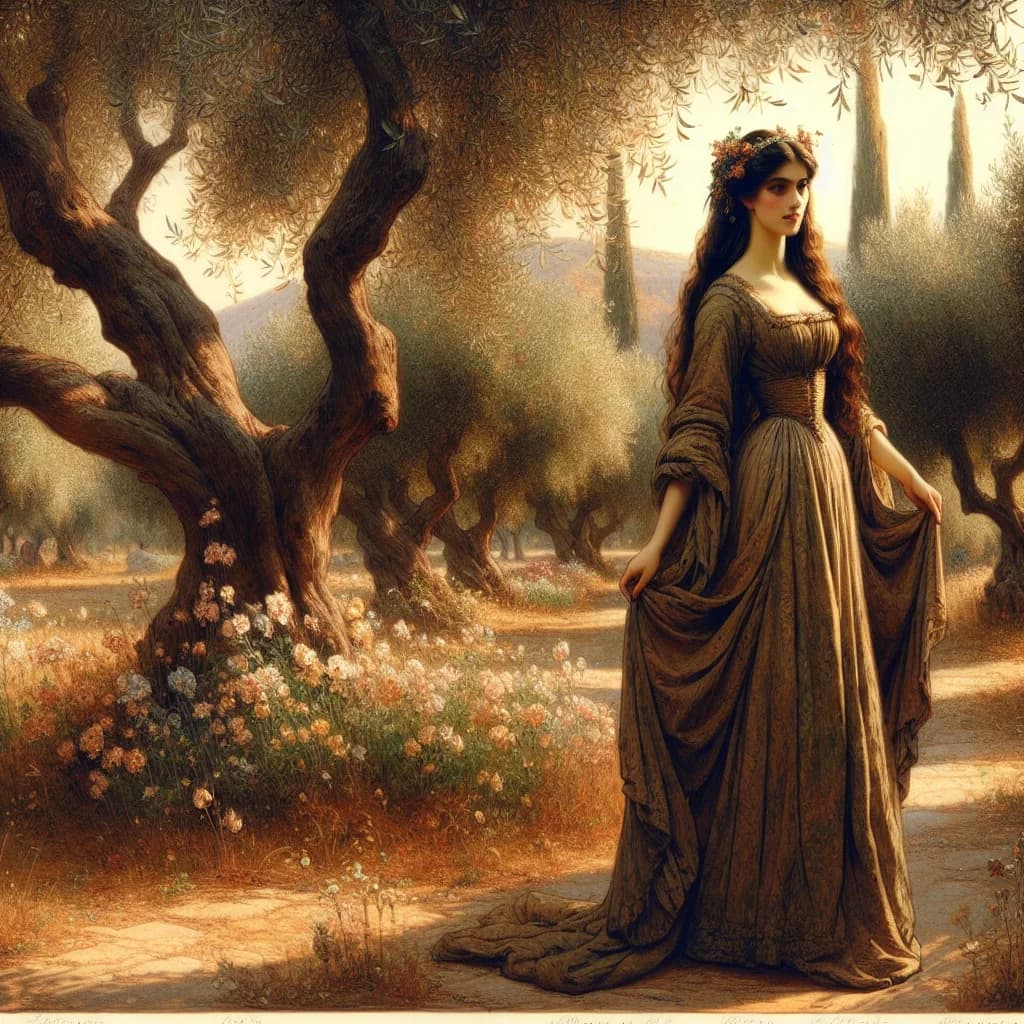
Rebecca is a figure from the Bible, known as the wife of Isaac and the mother of Jacob and Esau.
39First appears in Chapter 39
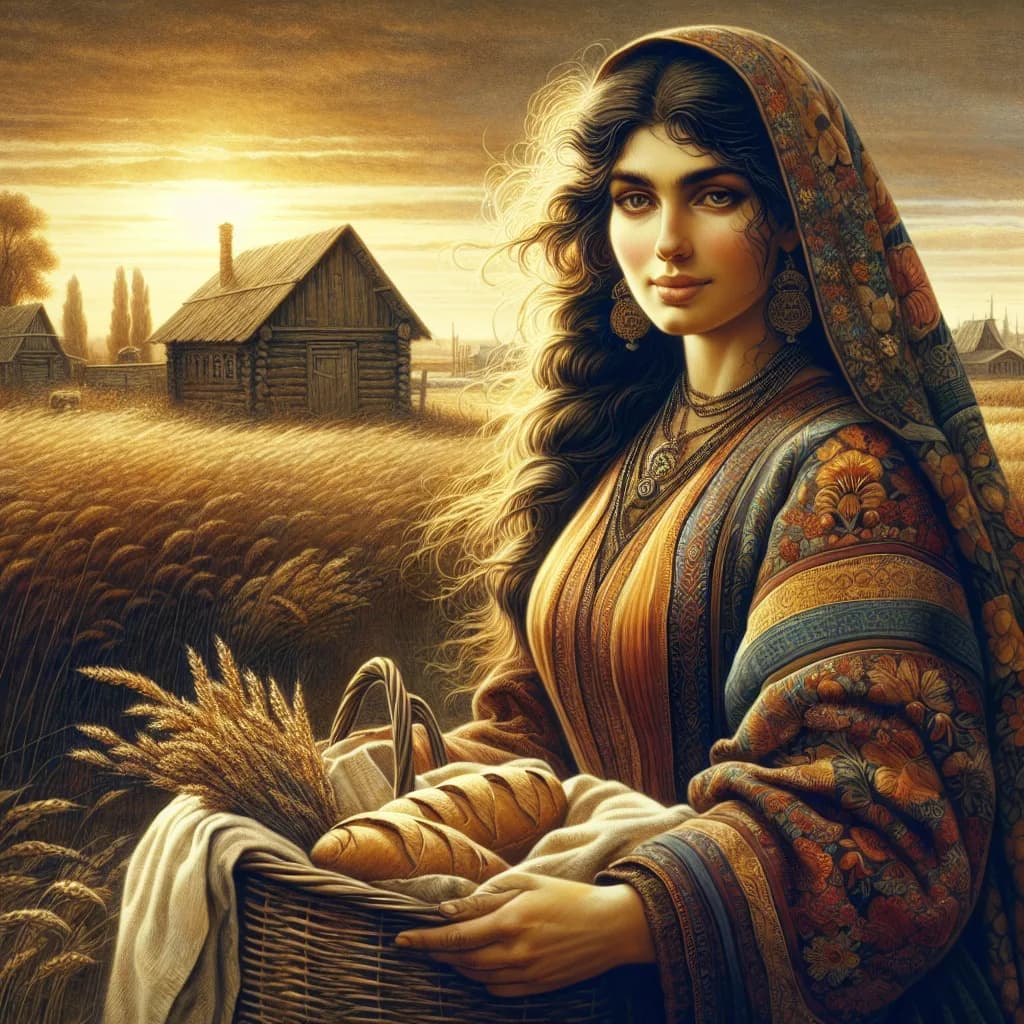
Sarah, the devoted wife of Abraham, is introduced as a central matriarch in the traditions of faith.
39First appears in Chapter 39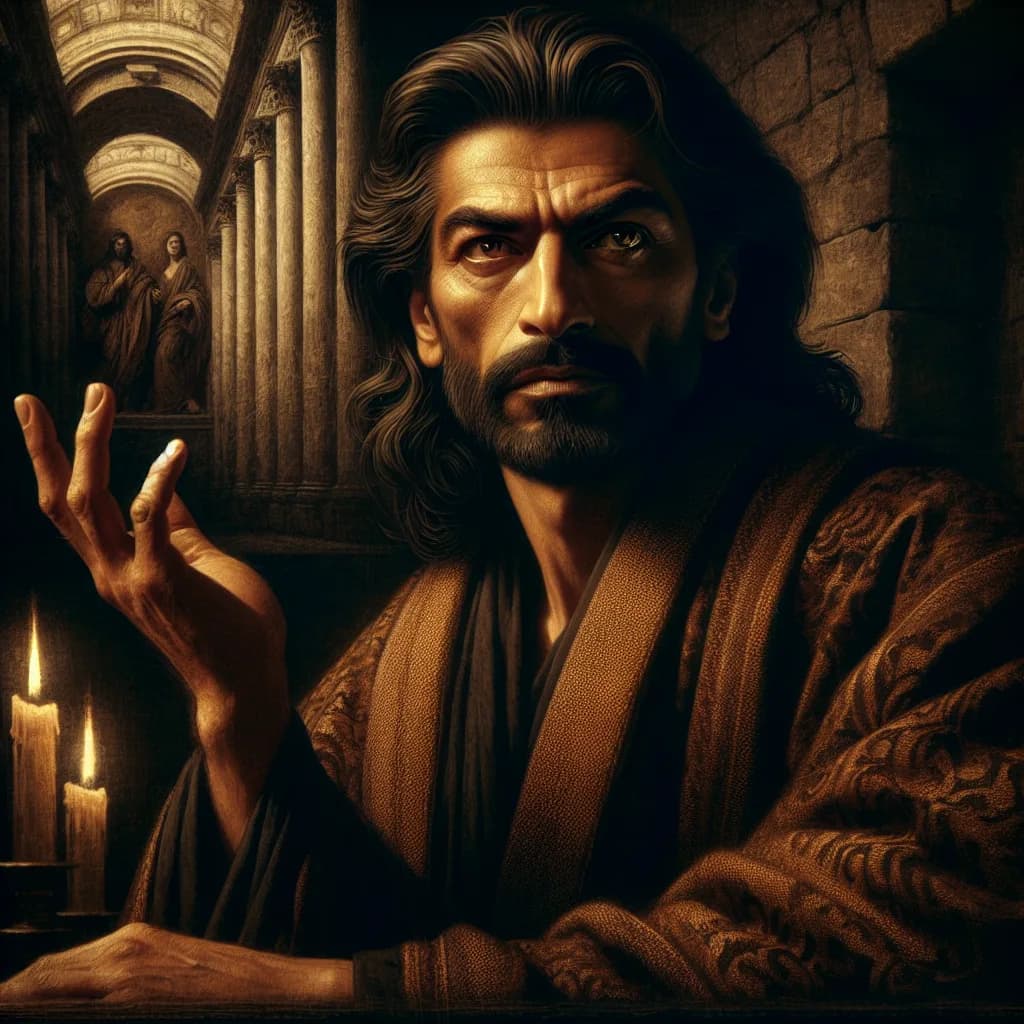
St. Paul, once known as Saul, is a pivotal figure in Christian history celebrated for his profound conversion and later teachings.
39First appears in Chapter 39
A figure awaited by the people as the promised Redeemer and bringer of hope.
39First appears in Chapter 39


The old nurse, a devoted and gentle servant, tended lovingly to her master's needs with care and simple faith.
39First appears in Chapter 39
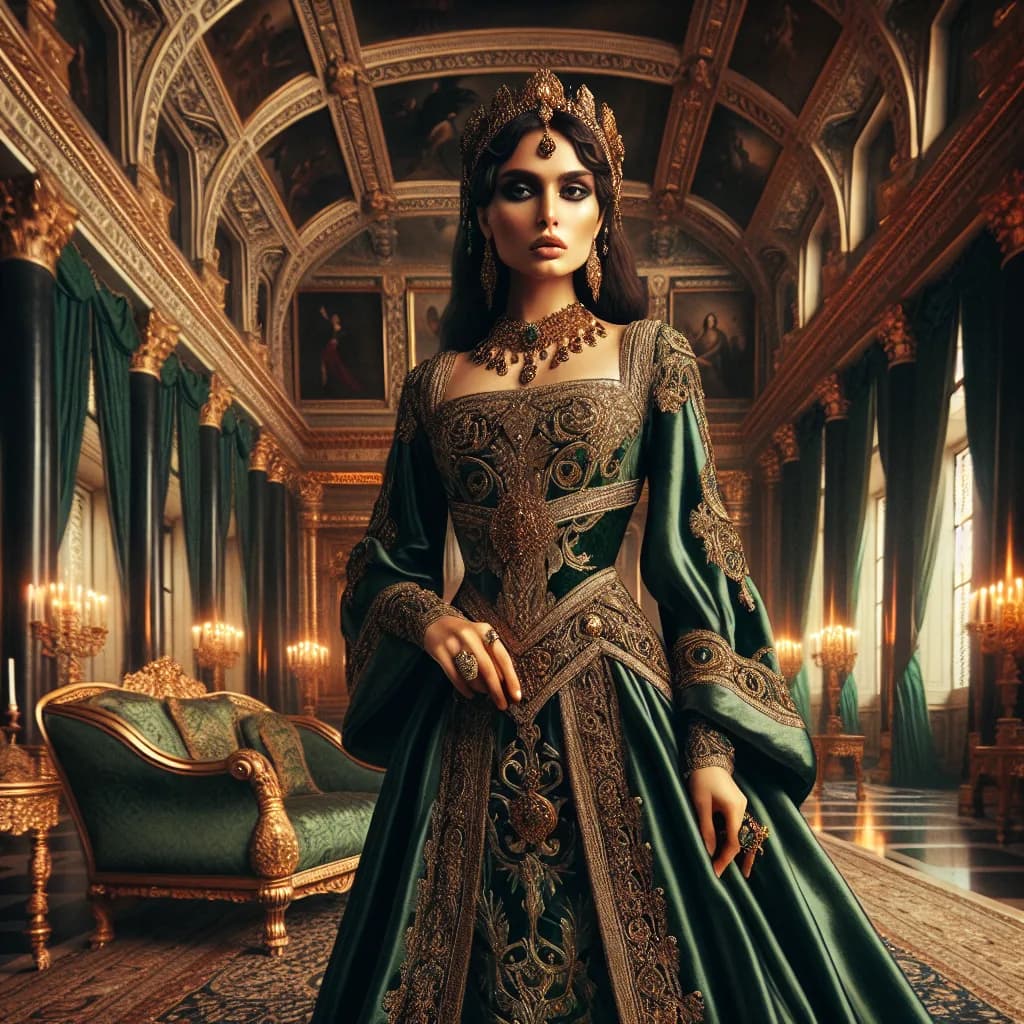
A proud and beautiful queen from ancient Persia, known for her refusal to obey King Ahasuerus.
39First appears in Chapter 39


The chief priest, a respected spiritual leader in the town, was known for his heartfelt words and compassion.
40First appears in Chapter 40

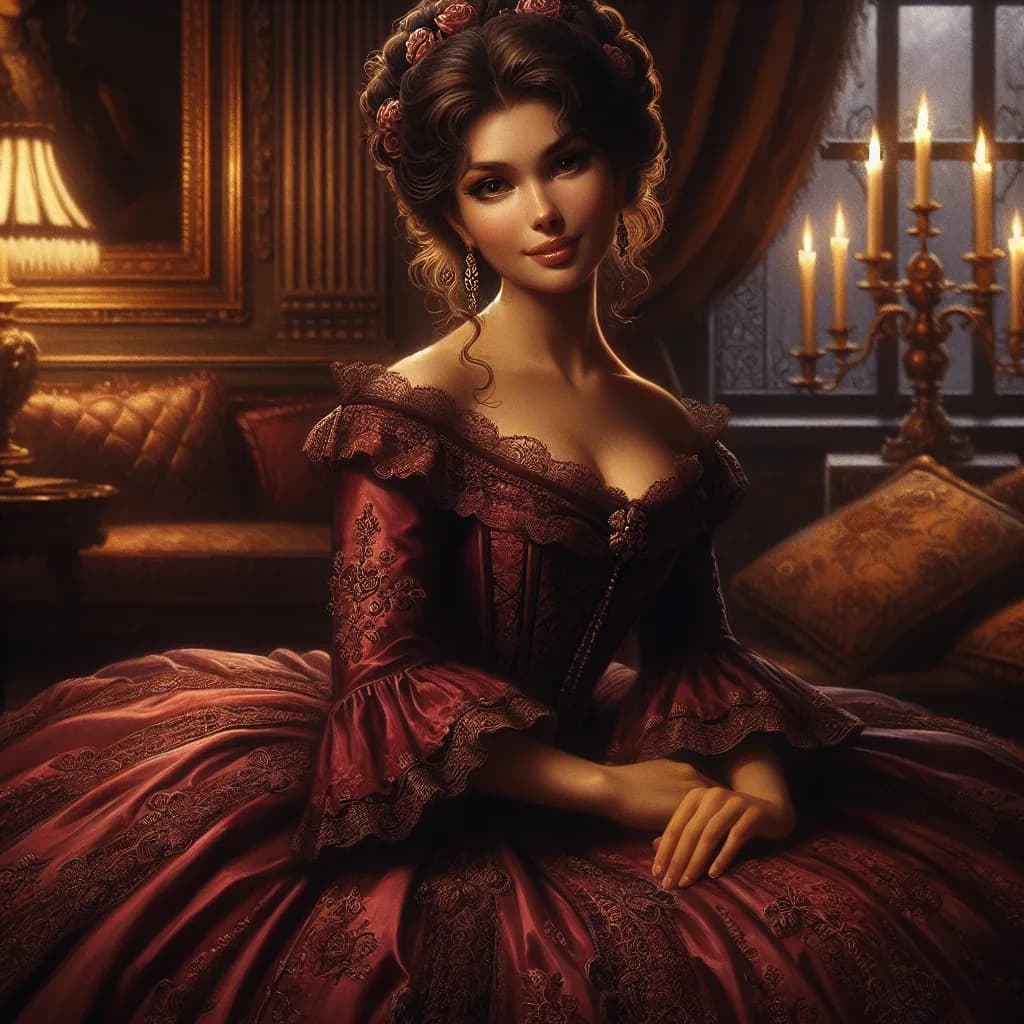

The landlady’s servant, a quiet and diligent presence in the household, attends to the narrator during his convalescence.
40First appears in Chapter 40
The murdered woman's maids, absent from the house that evening, had gone out together to a nearby birthday party.
40First appears in Chapter 40


The wife of the mysterious visitor is a reserved and graceful woman whose presence hints at untold stories beneath her composed exterior.
40First appears in Chapter 40
A gentle and gracious young woman who receives the narrator with kindness.
40First appears in Chapter 40


Alyosha, once seen as saintly, is now imagined by some to be joining the company of sinners.
43First appears in Chapter 43
Alyosha, a gentle and upright young man, is known for his sincerity and unwavering faith.
43First appears in Chapter 43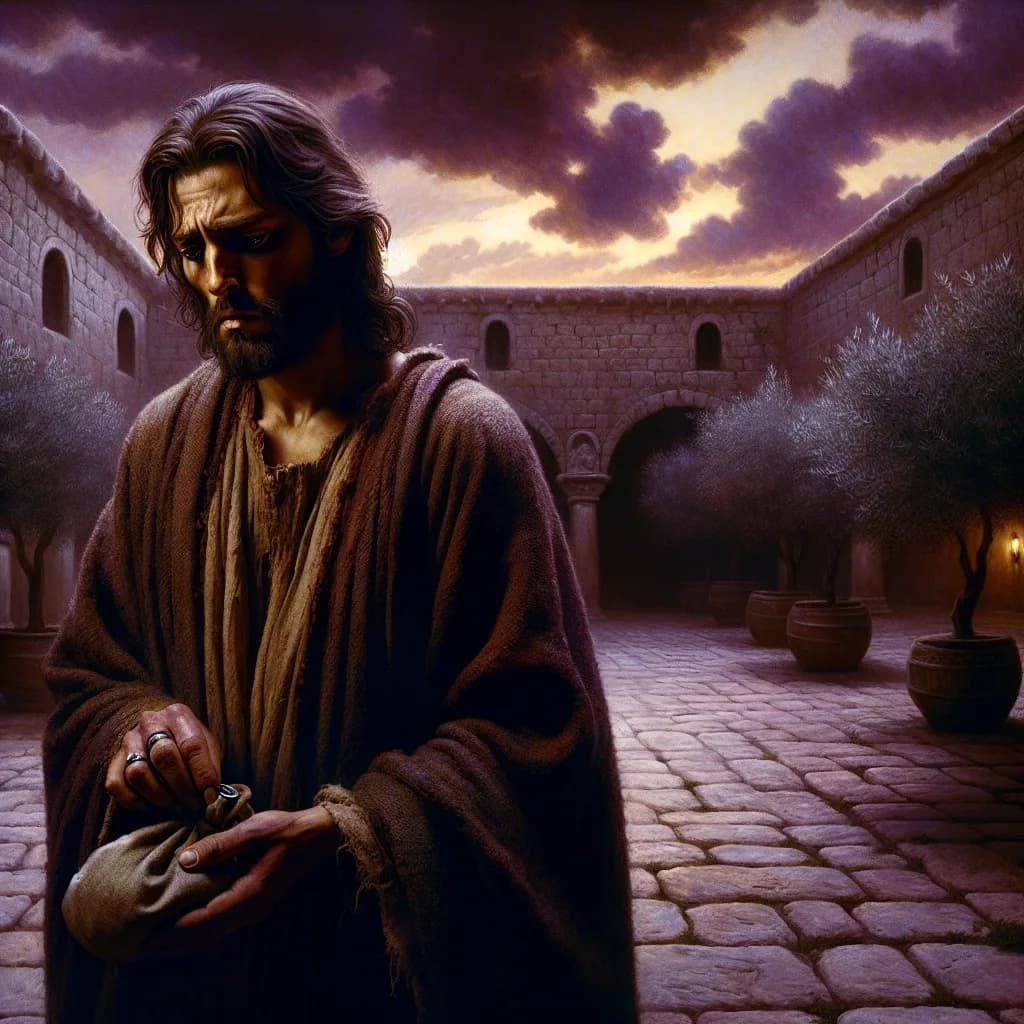
A figure from the Bible, infamous as the disciple who betrayed Jesus.
44First appears in Chapter 44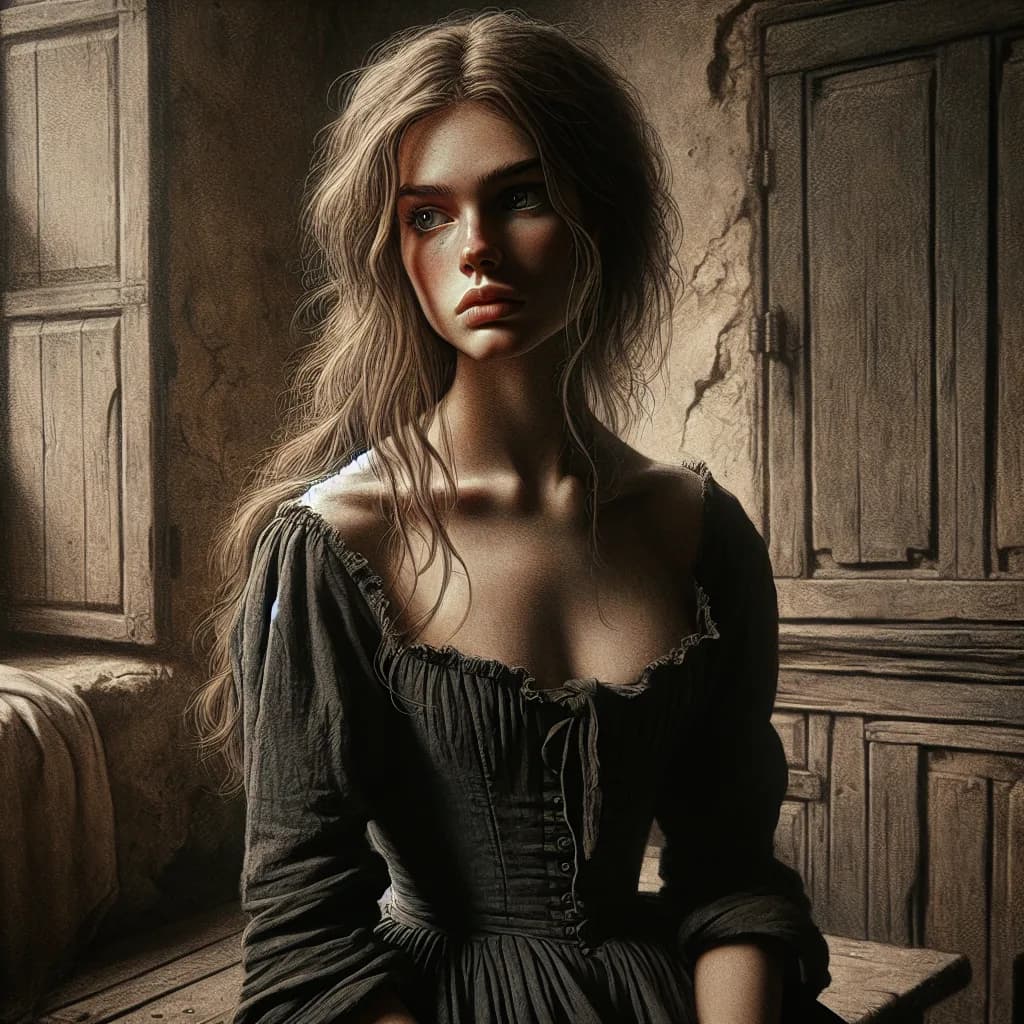
A troubled young woman, weighed down by her past and harshly judged by those around her.
44First appears in Chapter 44
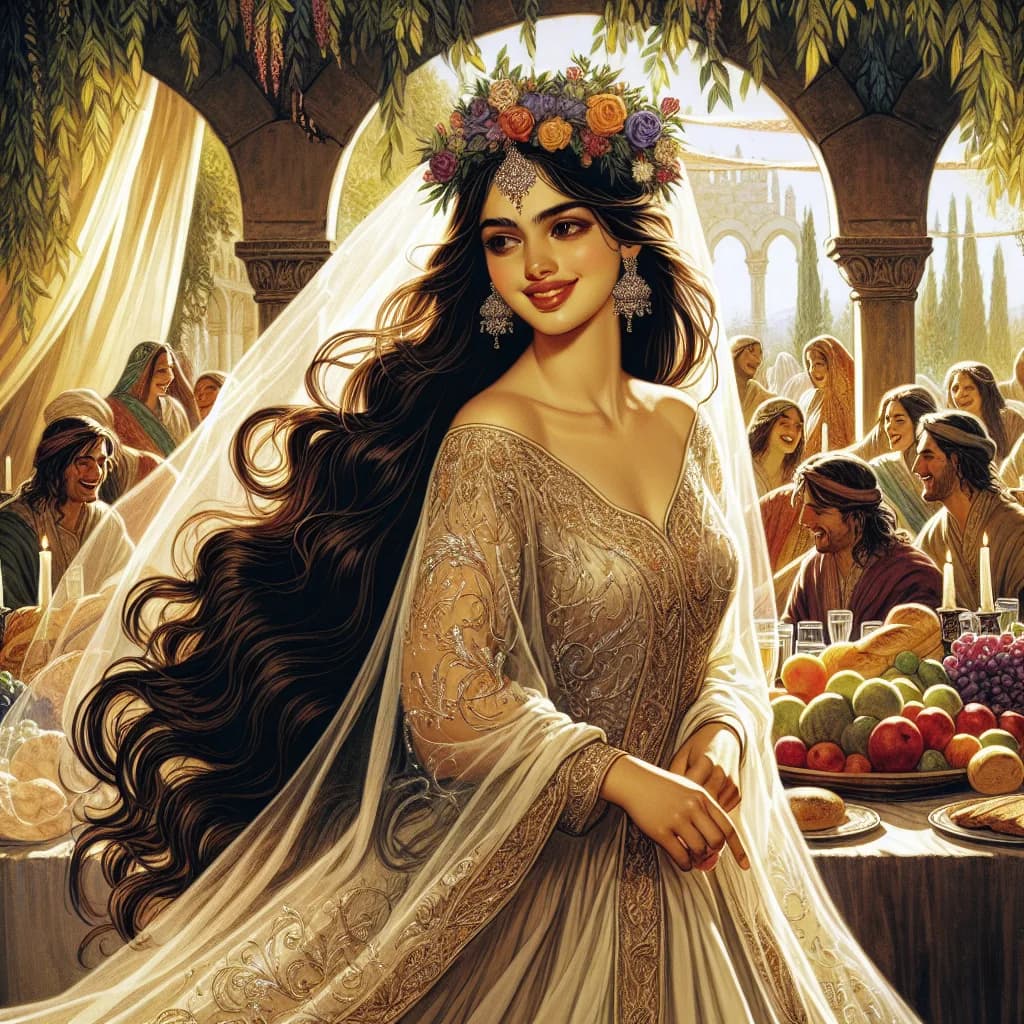
A young woman, newly married and celebrating at a joyful wedding feast in Cana.
45First appears in Chapter 45
The bridegroom at Cana, a guest of honor at his own wedding feast, is surprised by the steward's words.
45First appears in Chapter 45

A discerning and respected figure, the wise governor of the feast oversees the celebrations with calm authority.
45First appears in Chapter 45
A renowned lawyer in the provincial capital, admired for his sharp intellect and influence.
46First appears in Chapter 46


A Jewish watchmaker who runs a small shop in the market-place.
47First appears in Chapter 47

The kindly people at Mitya’s lodgings, who care for him deeply, often help him in his times of need.
47First appears in Chapter 47
A steady, practical man, the forester lives simply in his hut at the edge of the woods.
47First appears in Chapter 47
Madame Belmesov, a relative mentioned for her family's misfortunes and connections, enters the story as the cousin of another character.
48First appears in Chapter 48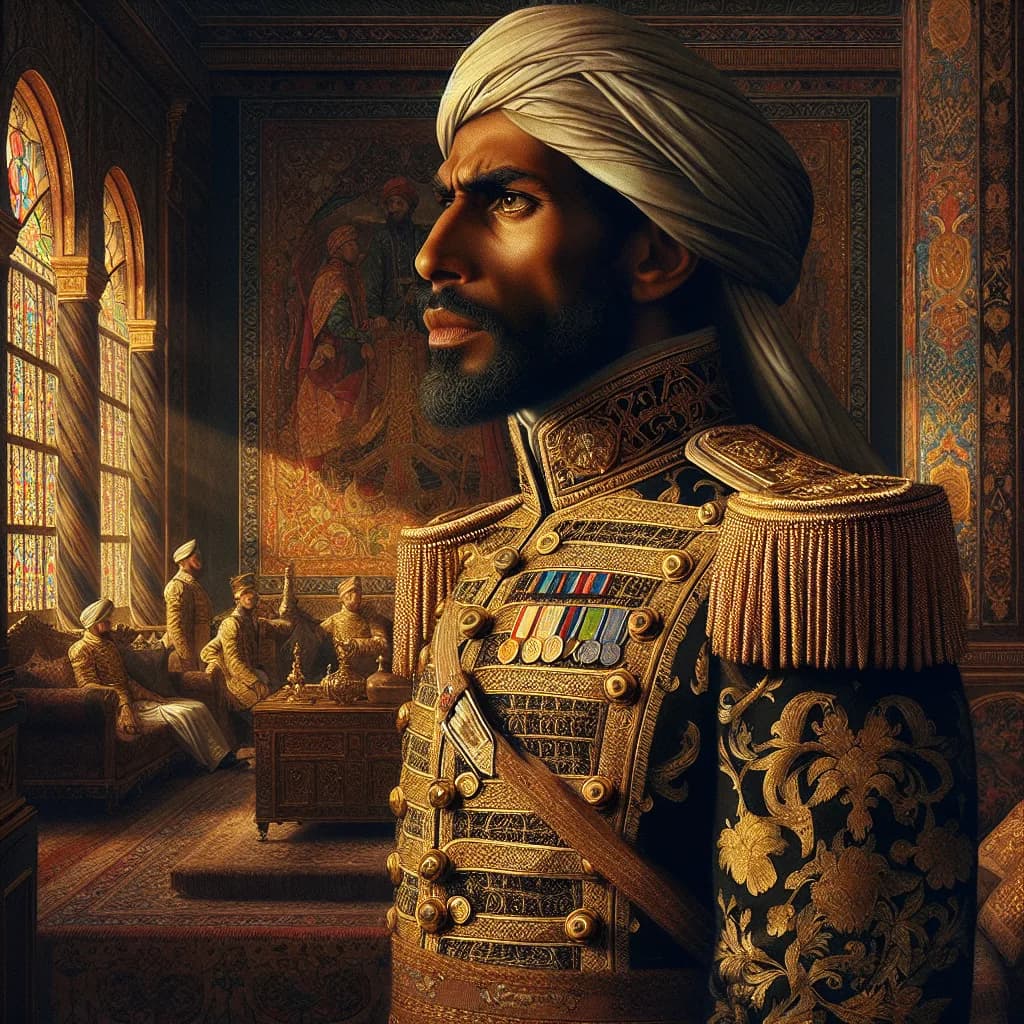
A famous Moorish general, noble and deeply trusting.
48First appears in Chapter 48
Shtchedrin is a respected author admired for his insightful writings on society.
48First appears in Chapter 48
Nazar Ivanovitch, the chief porter, is responsible for overseeing the entrance to the building.
49First appears in Chapter 49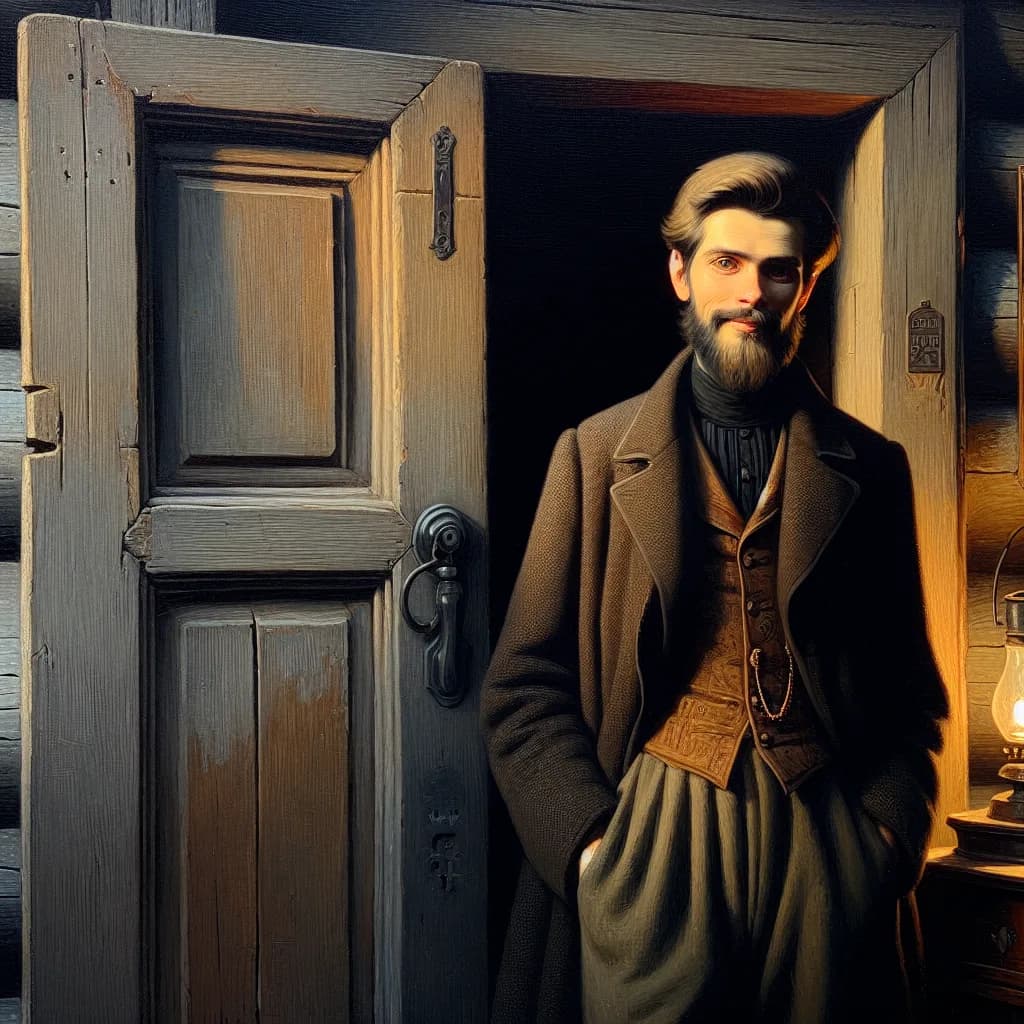
Prohor, a servant at the house, answers the door and speaks to Mitya.
49First appears in Chapter 49
A loyal and steadfast friend, Horatio is remembered for his quiet support and compassionate presence.
50First appears in Chapter 50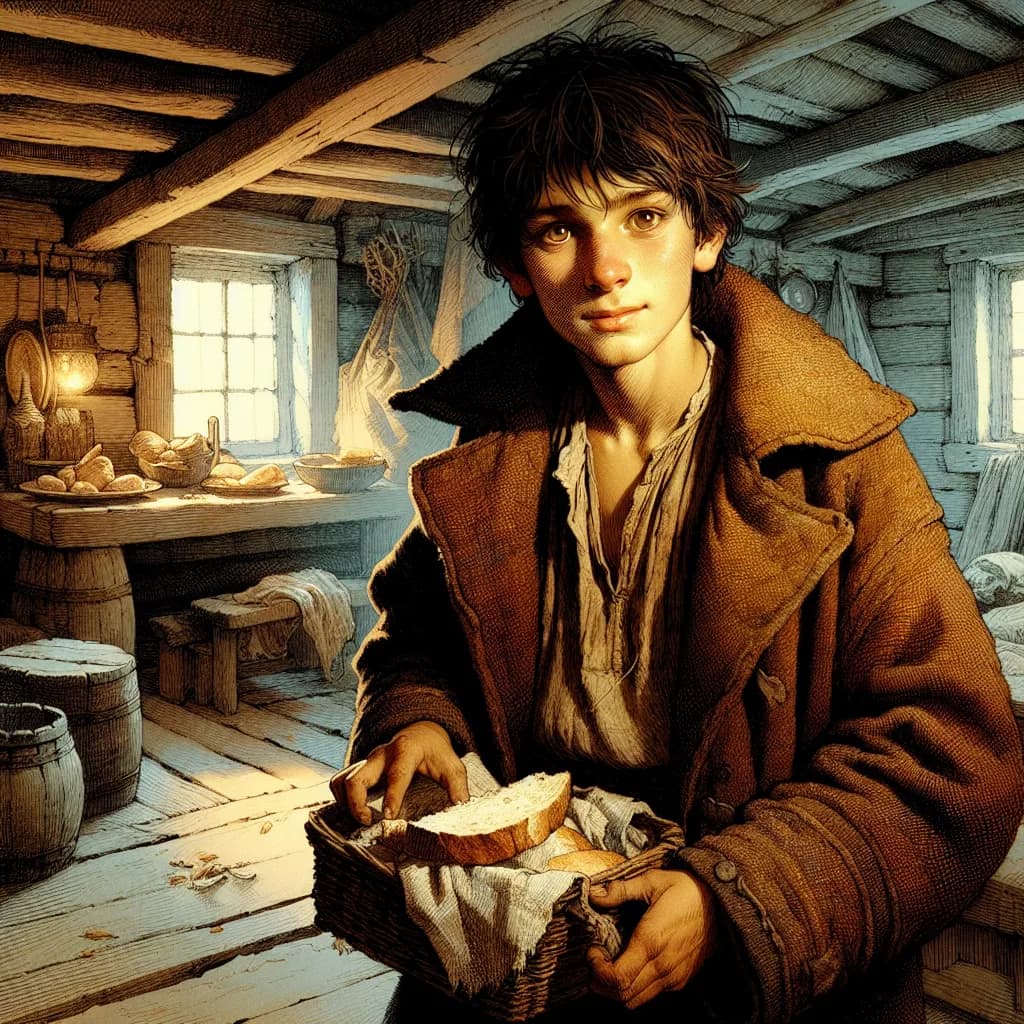
A young boy sent on errands for the household.
50First appears in Chapter 50

A woman admired for her beauty and charm, celebrated as the "queen of queens" by those around her.
50First appears in Chapter 50

Varvara Alexyevna is the mistress of the house, known for her delicate presence and fondness for her little lap-dog.
50First appears in Chapter 50
A group of local village women and girls, gathering curiously amidst the festivities.
50First appears in Chapter 50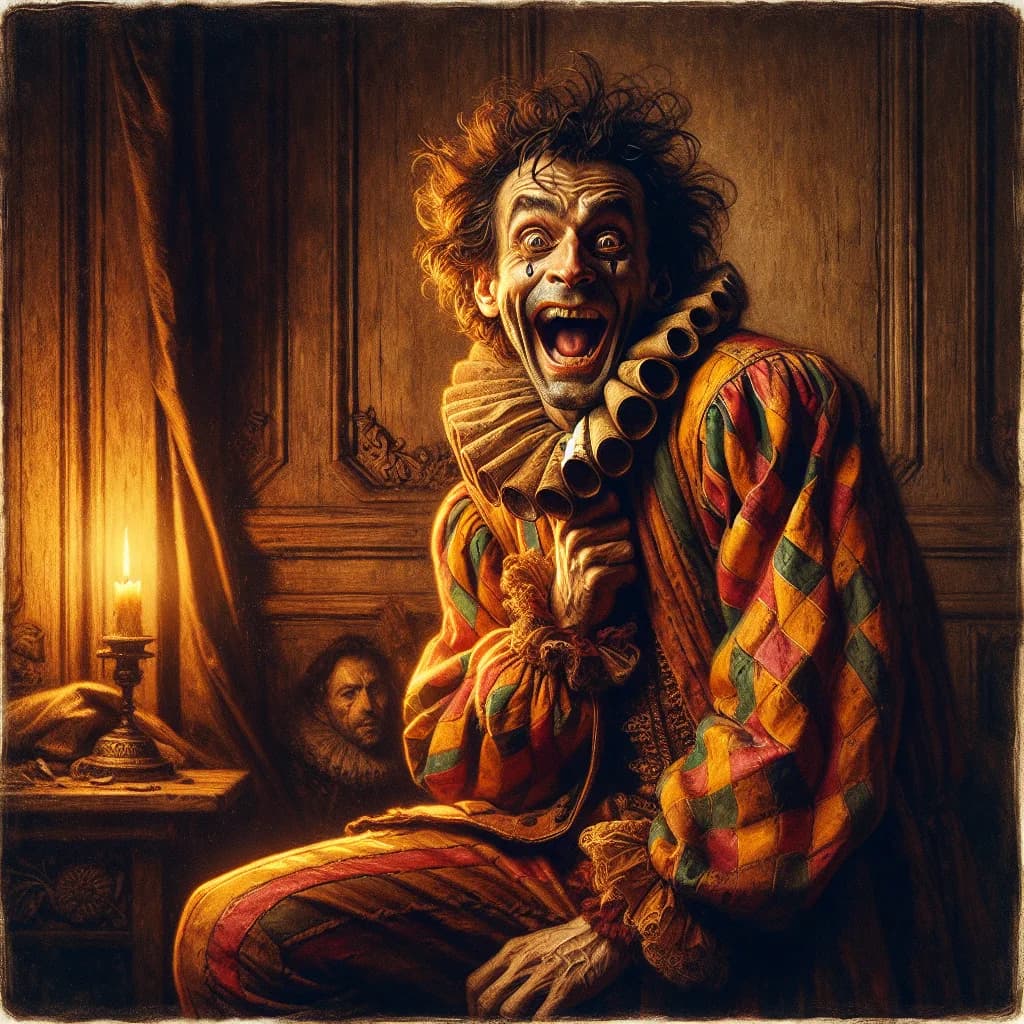
An excitable and tormented man, Mitya likens himself to Yorick—Hamlet’s jester—when speaking with Pyotr Ilyitch.
50First appears in Chapter 50
Arina, a village woman, is mentioned as someone who can be gathered with others to form a chorus for an event.
51First appears in Chapter 51


A polite and well-dressed young gentleman, known as Kalganov, a distant relative of Mr. Miüsov.
51First appears in Chapter 51

A venerable bishop, respected for his wisdom and subtle wit.
52First appears in Chapter 52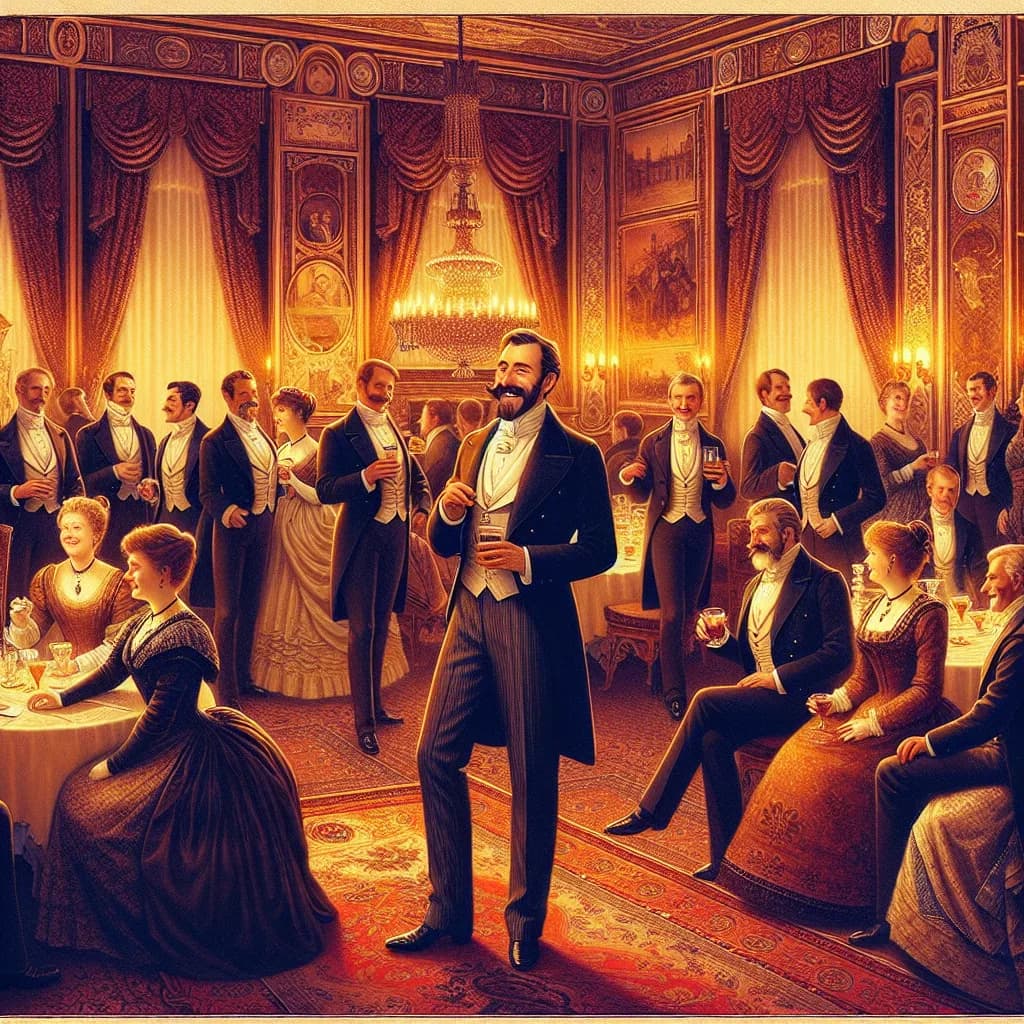
A witty guest at the gathering, Boileau is known for his clever remarks and playful banter.
52First appears in Chapter 52
Mamsel Fenardi is a pretty young performer, known for her charm and striking appearance on stage.
52First appears in Chapter 52
A small, eccentric man fond of lively conversation and anecdotes.
52First appears in Chapter 52

Mamsel Fenardi is a pretty, lively performer, known for her sparkling costume and impressive dancing.
52First appears in Chapter 52

A modest, somewhat naive man, whom Maximov refers to simply as "monsieur" from his past encounters.
52First appears in Chapter 52
A figure from Greek mythology, Phaon is known as the lover of the poet Sappho.
52First appears in Chapter 52
A famous French writer known for his wit and epigrams.
52First appears in Chapter 52
A famous ancient Greek poetess, renowned for her lyric poetry and her legendary love for Phaon.
52First appears in Chapter 52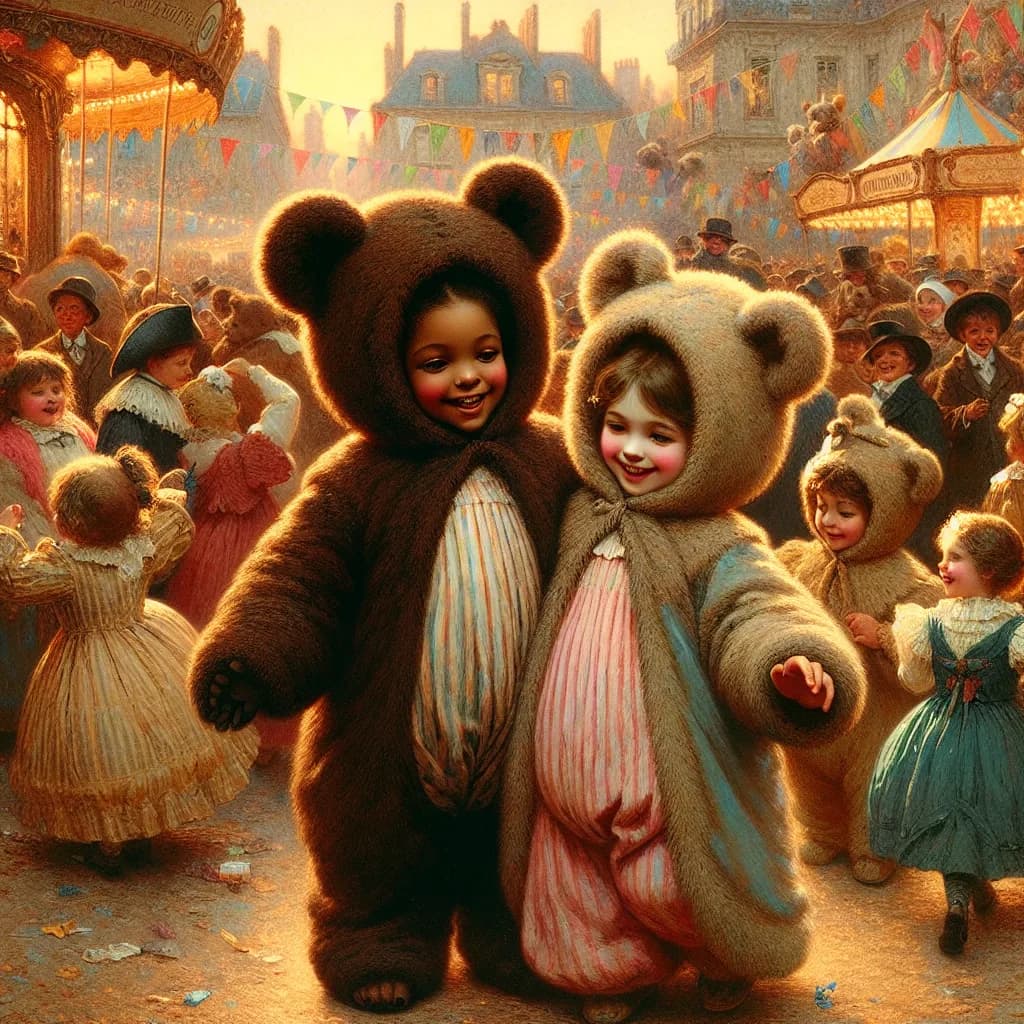
Two girls disguised in furry bear costumes, ready to join the lively entertainment.
53First appears in Chapter 53
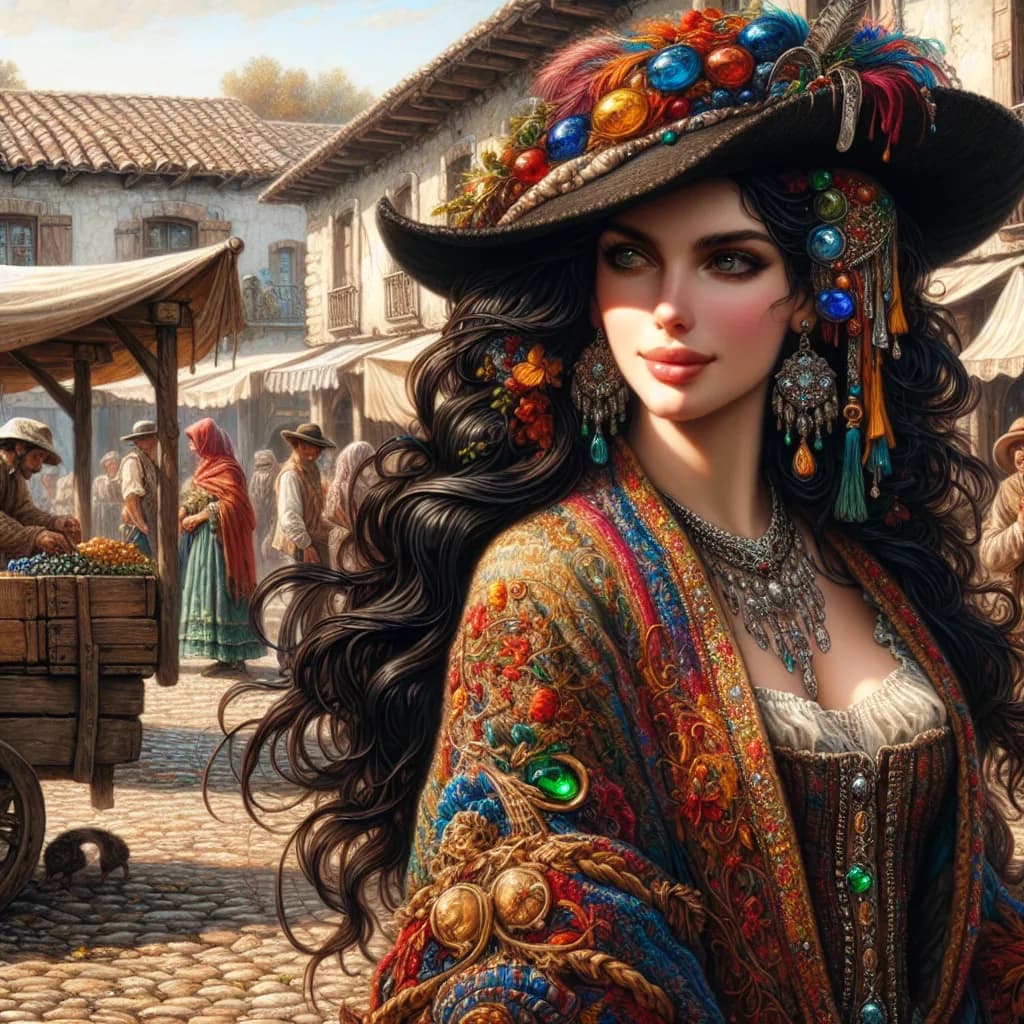
A wandering gypsy, colorful and mysterious, pauses to try his luck with the girls.
53First appears in Chapter 53
A stern and demanding figure, the master oversees the girls with an air of authority.
53First appears in Chapter 53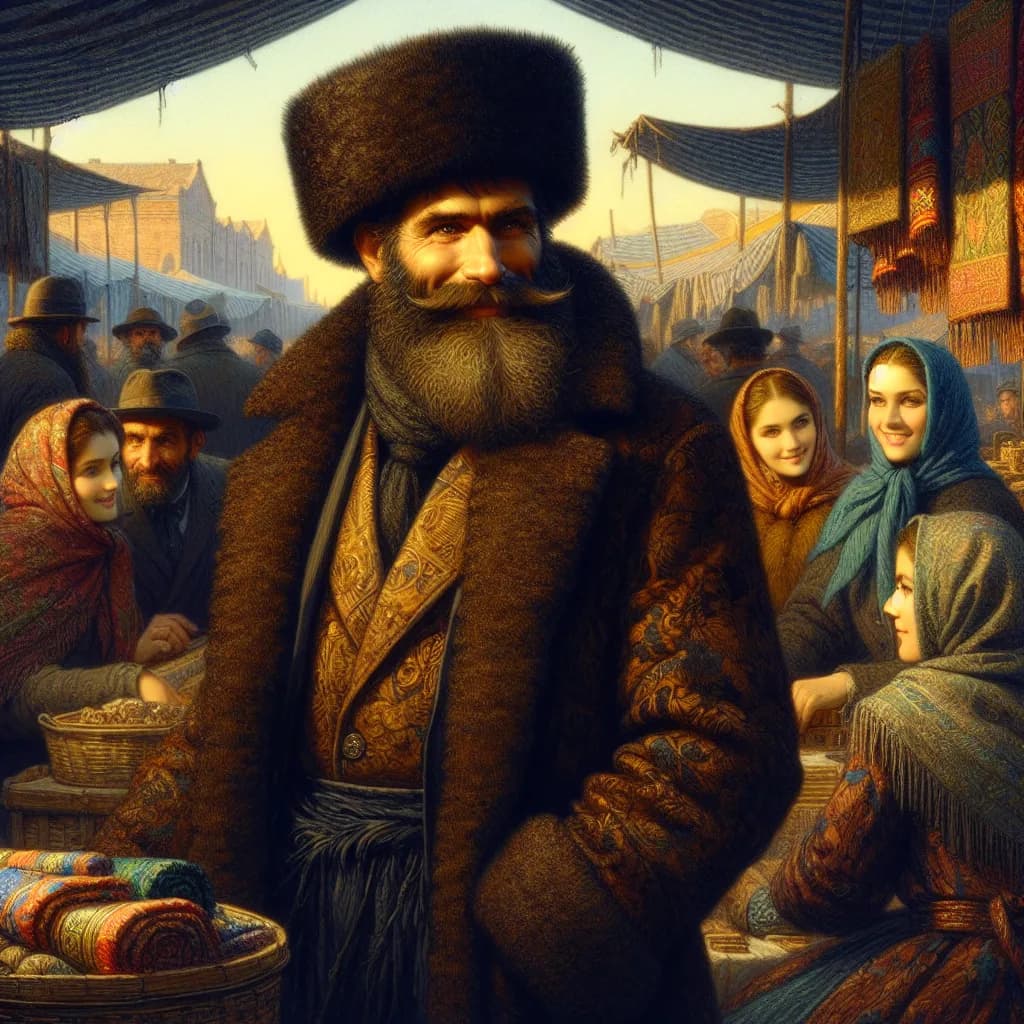
A merchant, curious and eager, steps forward to test the affections of the girls.
53First appears in Chapter 53
A group of local young women, enjoying treats at the gathering.
53First appears in Chapter 53
A hopeful soldier arrives, seeking the affections of the girls.
53First appears in Chapter 53
The house-porter, a servant responsible for the entrance and security at the widow Morozov’s residence.
54First appears in Chapter 54
A merchant named Olsufyev, recently the victim of a notorious crime, is mentioned in passing among the characters.
55First appears in Chapter 55


Olga Mihailovna, the eldest granddaughter, quietly tries to conceal her birthday from the others.
55First appears in Chapter 55
A group of city police constables, summoned to assist the authorities, arrive quietly to fulfill their official duties.
55First appears in Chapter 55


A group of sturdy peasants, marked by the metal plates they wear as insignia, stand silently in attendance.
56First appears in Chapter 56
Fedosya Markovna is a servant in the household, present during the investigations in the novel.
58First appears in Chapter 58
Gridyenko, a copying-clerk, is mentioned for his past involvement with the office wages.
59First appears in Chapter 59
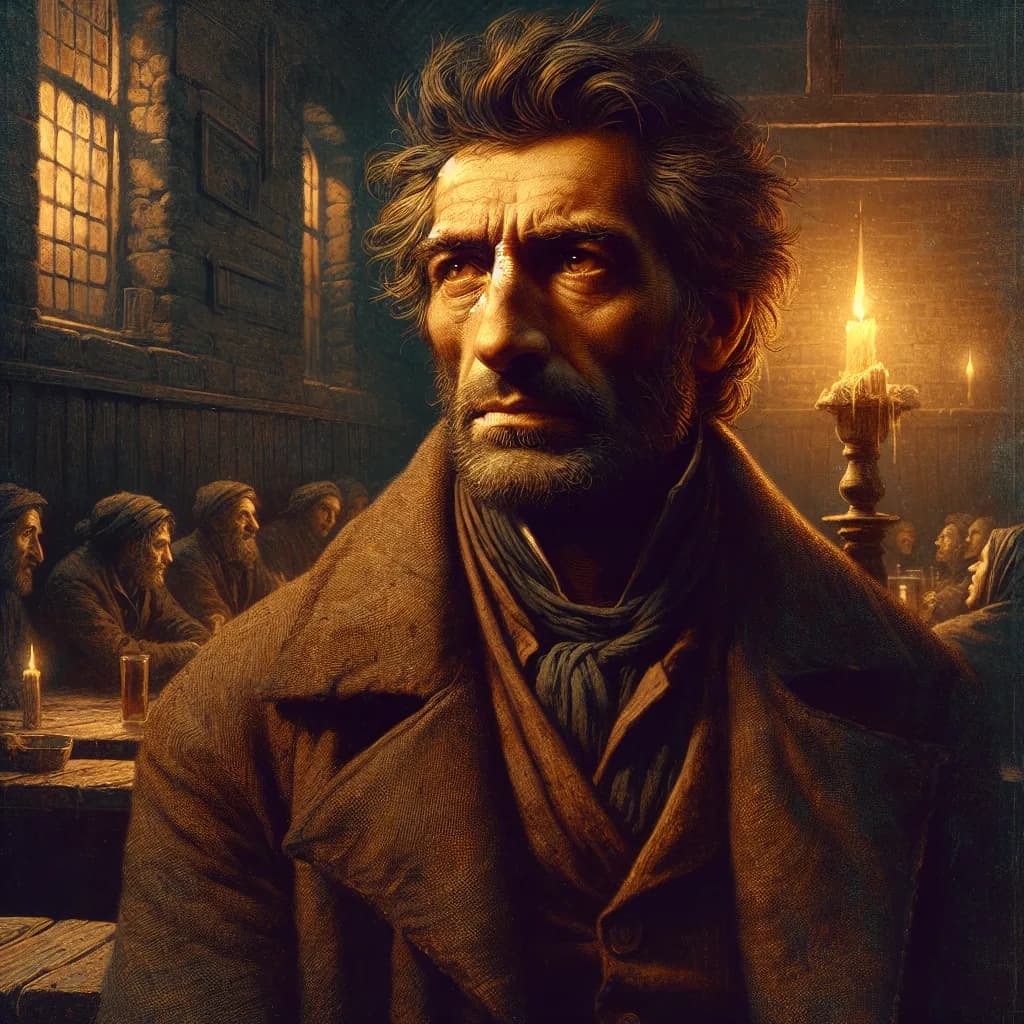
Semyon, one of the men quietly present among the onlookers, listens to the conversation with attentive interest.
61First appears in Chapter 61
Stepan is one of the servants who assists and often overhears conversations in the Karamazov household.
61First appears in Chapter 61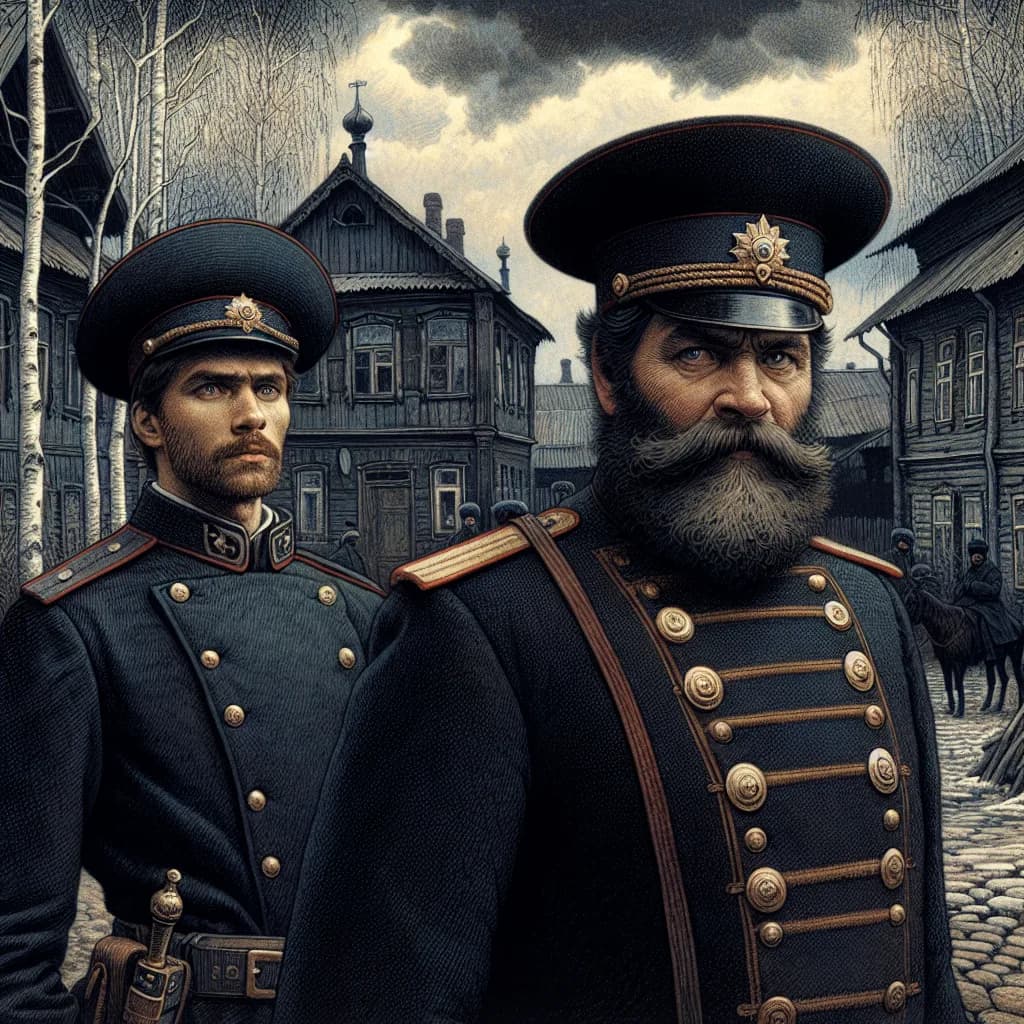
Two law officers, tasked with escorting Mavriky Mavrikyevitch on his journey.
62First appears in Chapter 62
A group of local men who drive carts for a living, gathered among the crowd at the gates.
62First appears in Chapter 62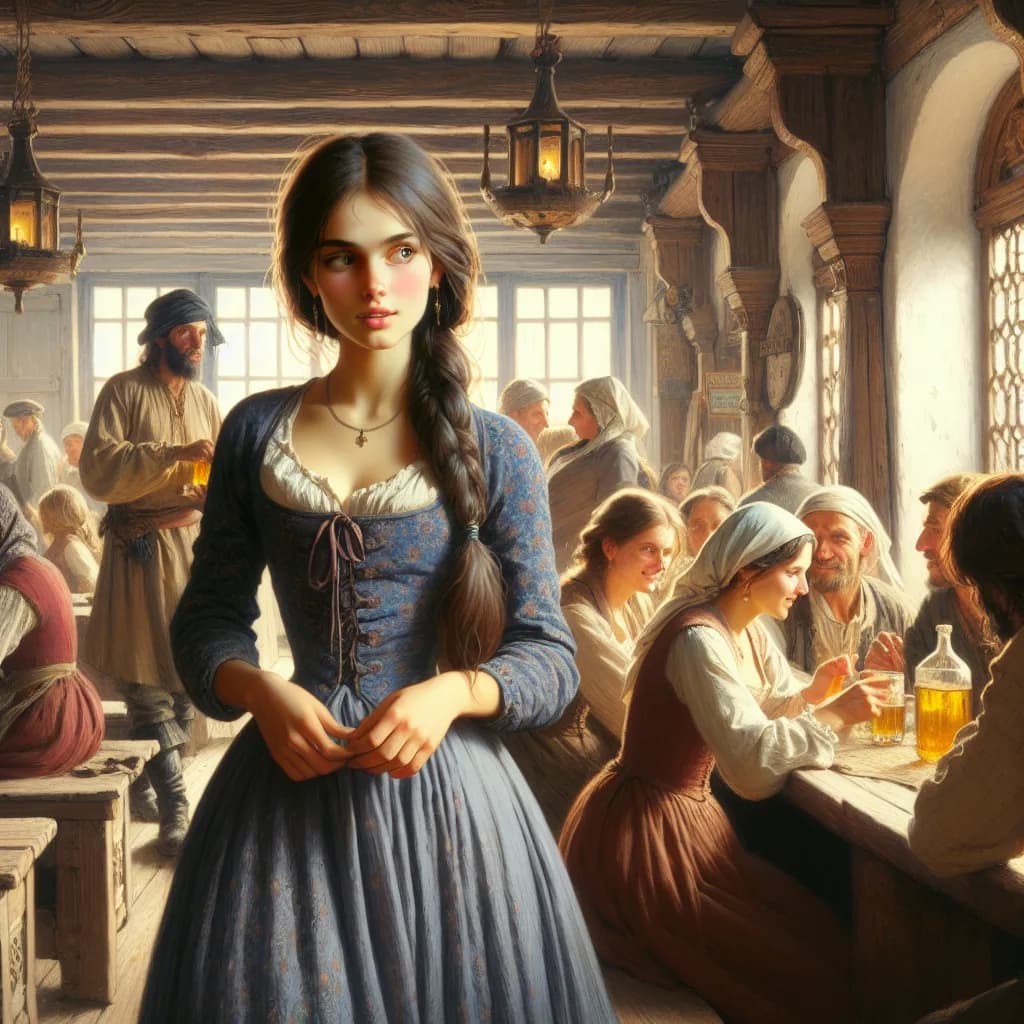
One of the women from the crowd at the inn, curious and watchful as Mitya passes by.
62First appears in Chapter 62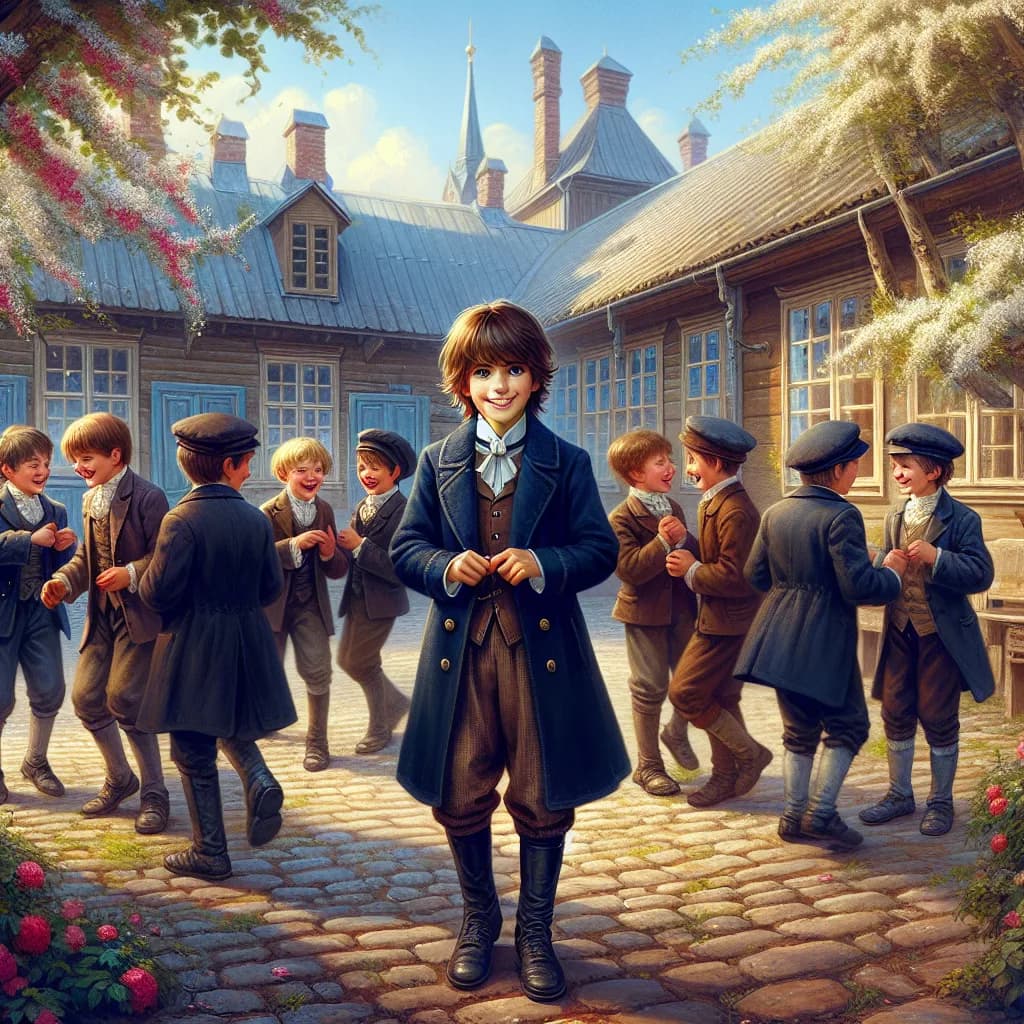
A group of boys who attend school with Kolya.
63First appears in Chapter 63
Katerina, the devoted servant, appears troubled as she confides unexpected news to her mistress.
64First appears in Chapter 64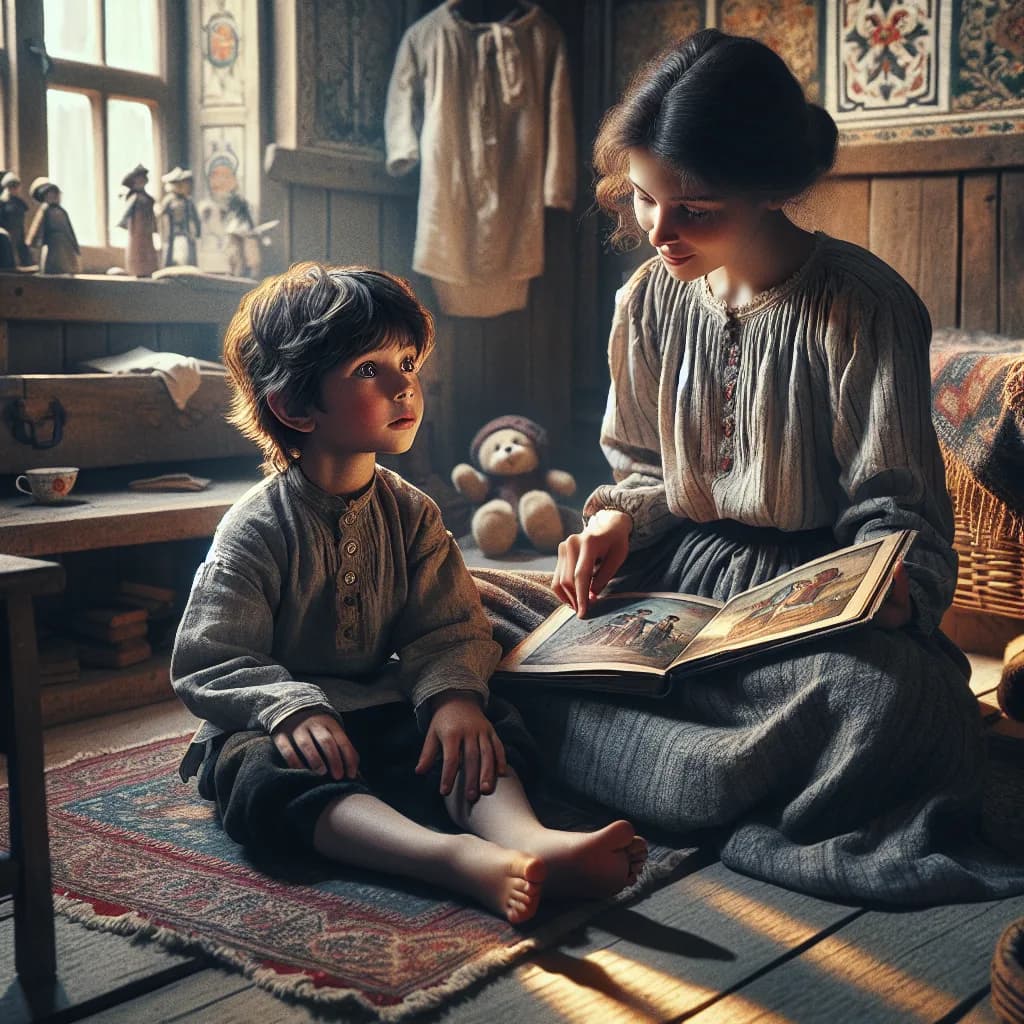
Kostya, a seven-year-old boy, eagerly listens as his older sister Nastya reads to him from a picture book.
64First appears in Chapter 64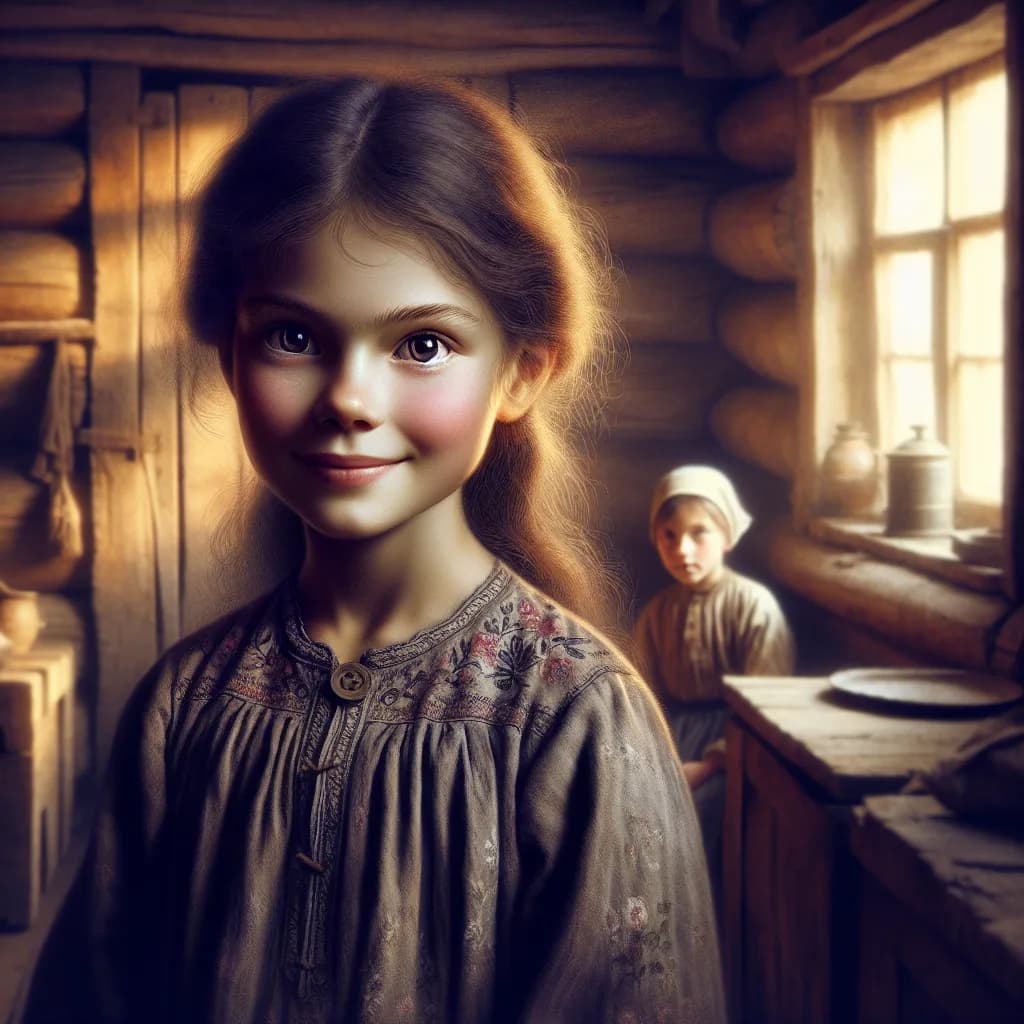
Nastya, the elder of the two bereaved children, is an eight-year-old girl who can read and cares for her younger brother.
64First appears in Chapter 64

A notable family in the town, known as merchants employing various workers.
65First appears in Chapter 65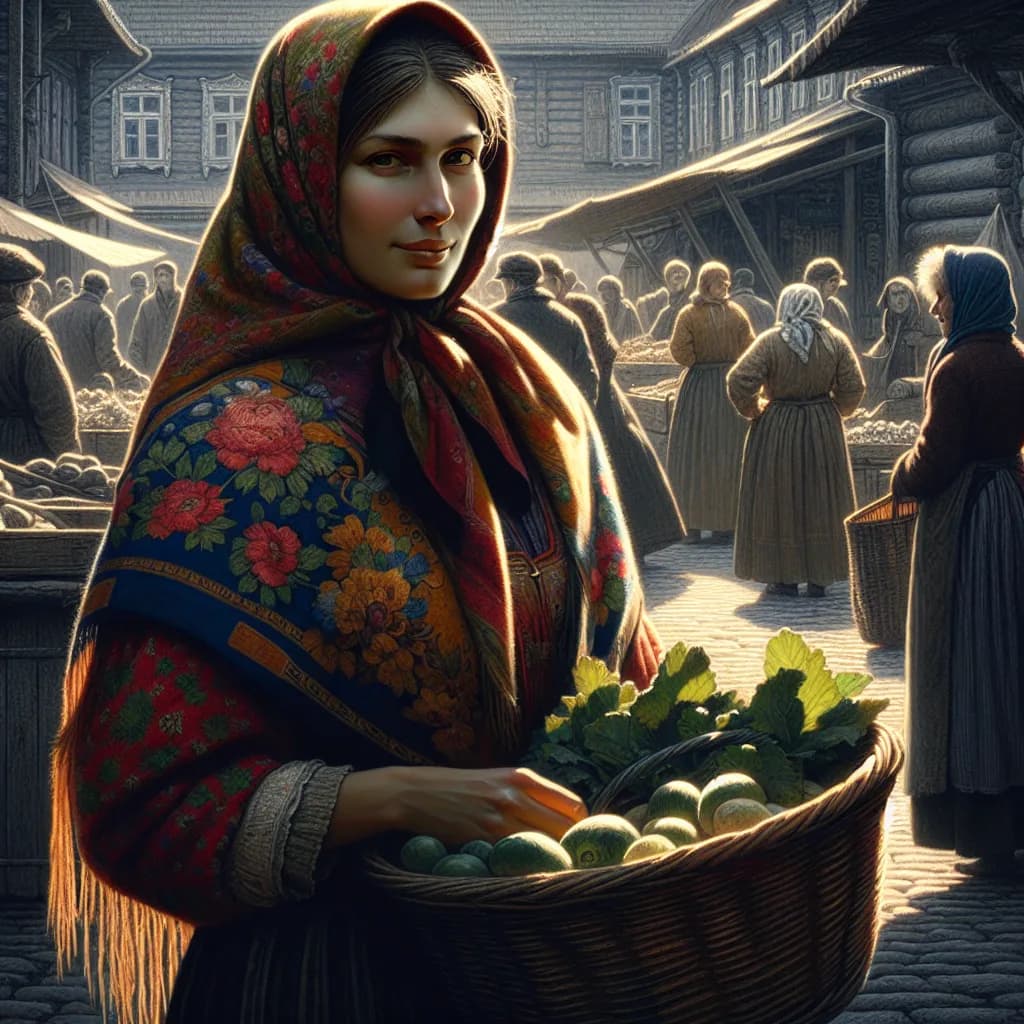
Market women, local vendors bustling in their booths with everyday goods, add vibrant life to the Sunday fair.
65First appears in Chapter 65
Matvey is a servant whose quiet presence is noted during a brief encounter at the household.
65First appears in Chapter 65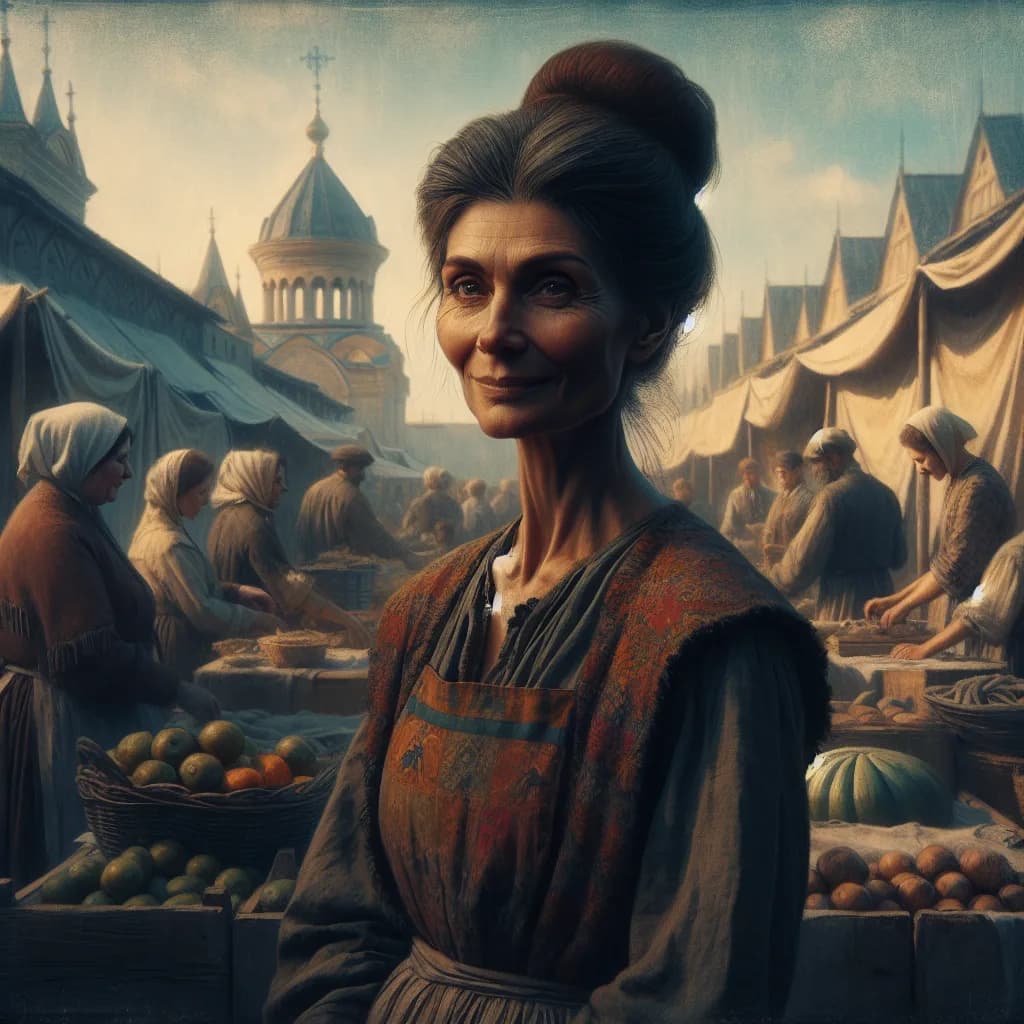
A middle-aged market woman selling goods at a booth in the marketplace.
65First appears in Chapter 65
A young man mentioned by Kolya as a point of comparison in conversation.
65First appears in Chapter 65
A grave and silent man, known to the group as Alexey Ivanitch Tchizhov.
65First appears in Chapter 65
Trifon Nikititch is a local man known for handling village affairs.
65First appears in Chapter 65

Borovikov is an inventive acquaintance known for discovering how to make gunpowder.
67First appears in Chapter 67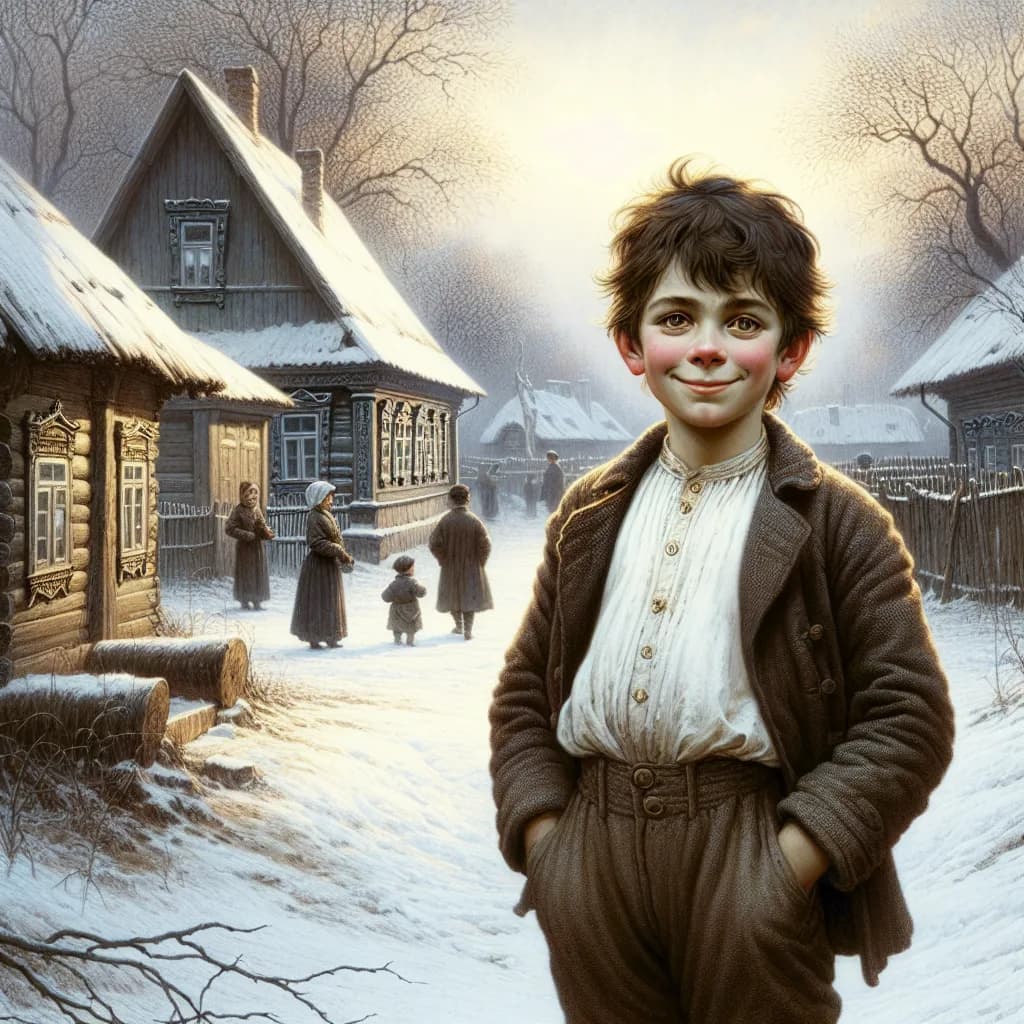
Bulkin is a boy from the neighborhood, mentioned by Kolya in conversation with Ilusha.
67First appears in Chapter 67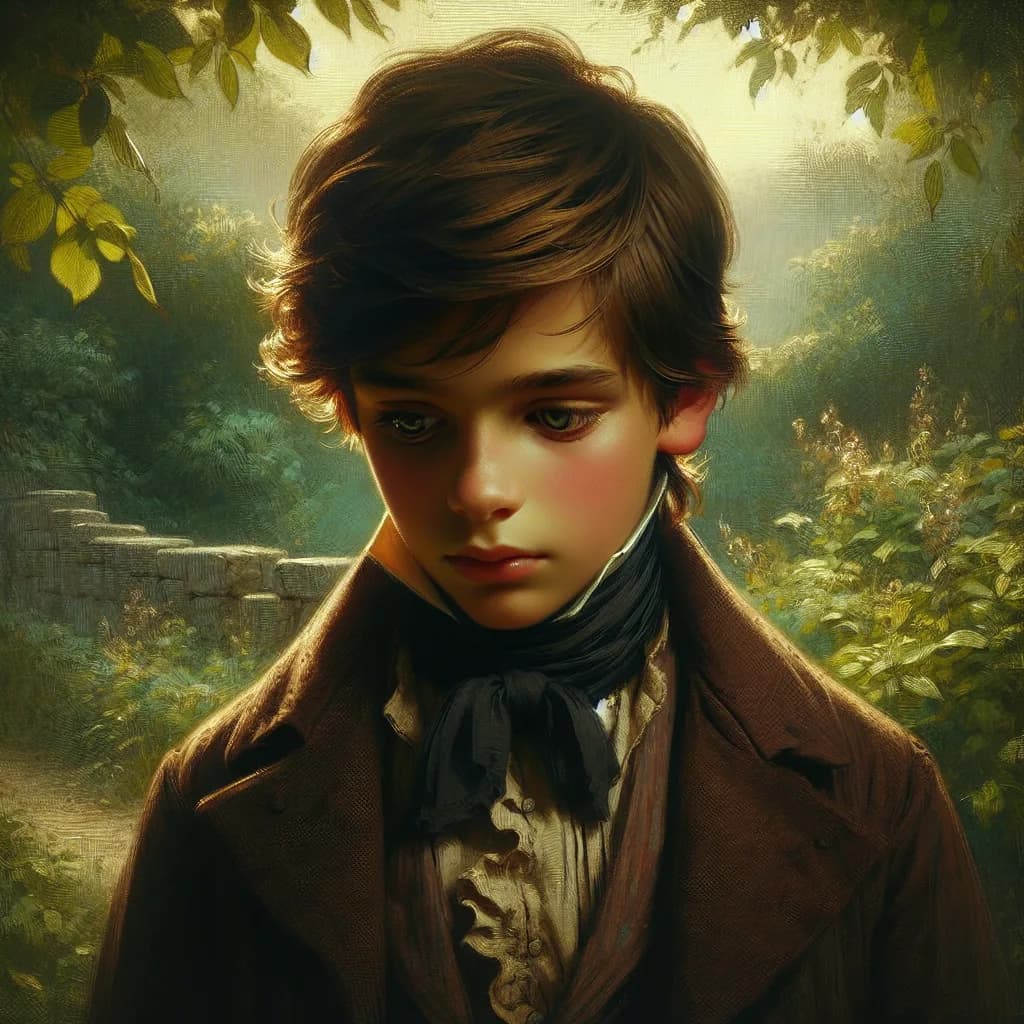
A shy, knowledgeable boy who quickly recites the names of Troy’s founders.
67First appears in Chapter 67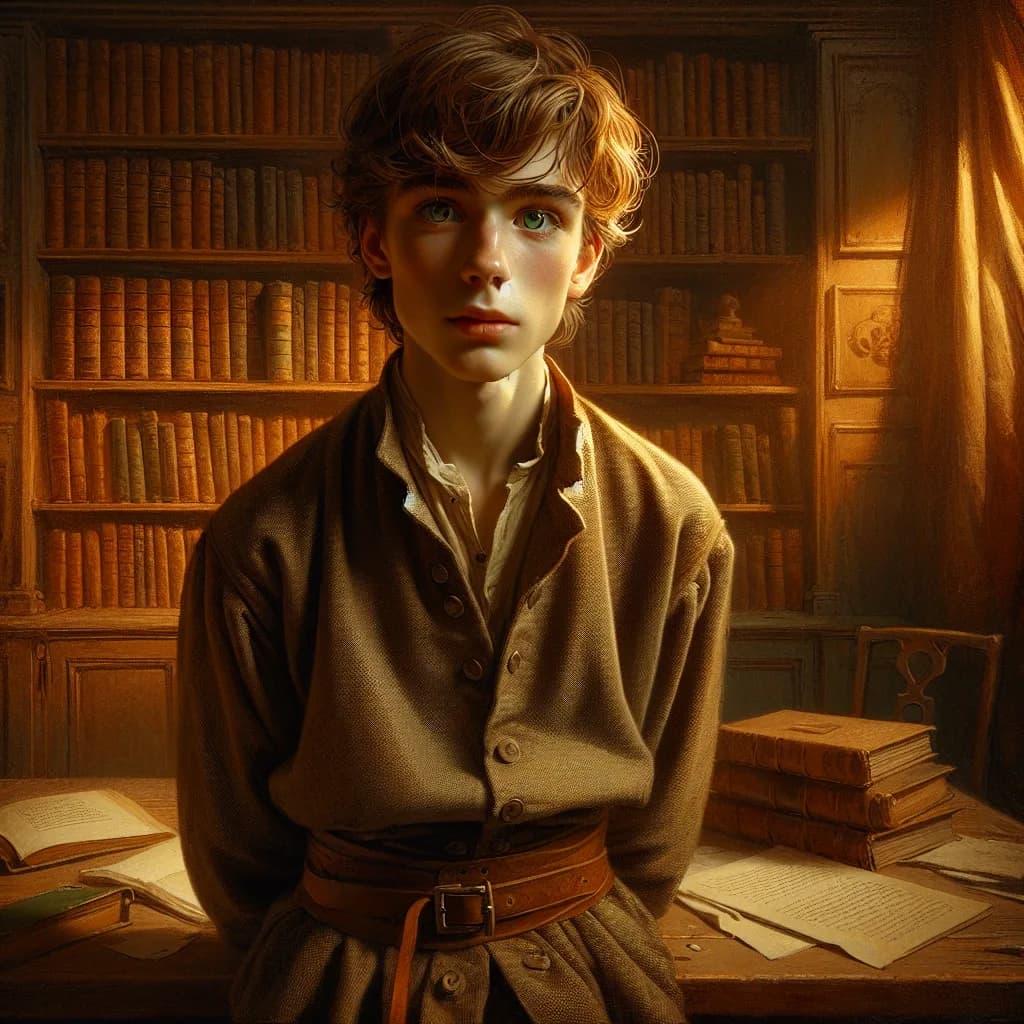
A shy and knowledgeable boy, eager to answer questions about ancient Troy.
67First appears in Chapter 67
Morozov is a man mentioned in passing, known to have once owned the mysterious object now changing hands among the characters.
67First appears in Chapter 67
A shy, knowledgeable boy, eager to answer questions about ancient Troy.
67First appears in Chapter 67


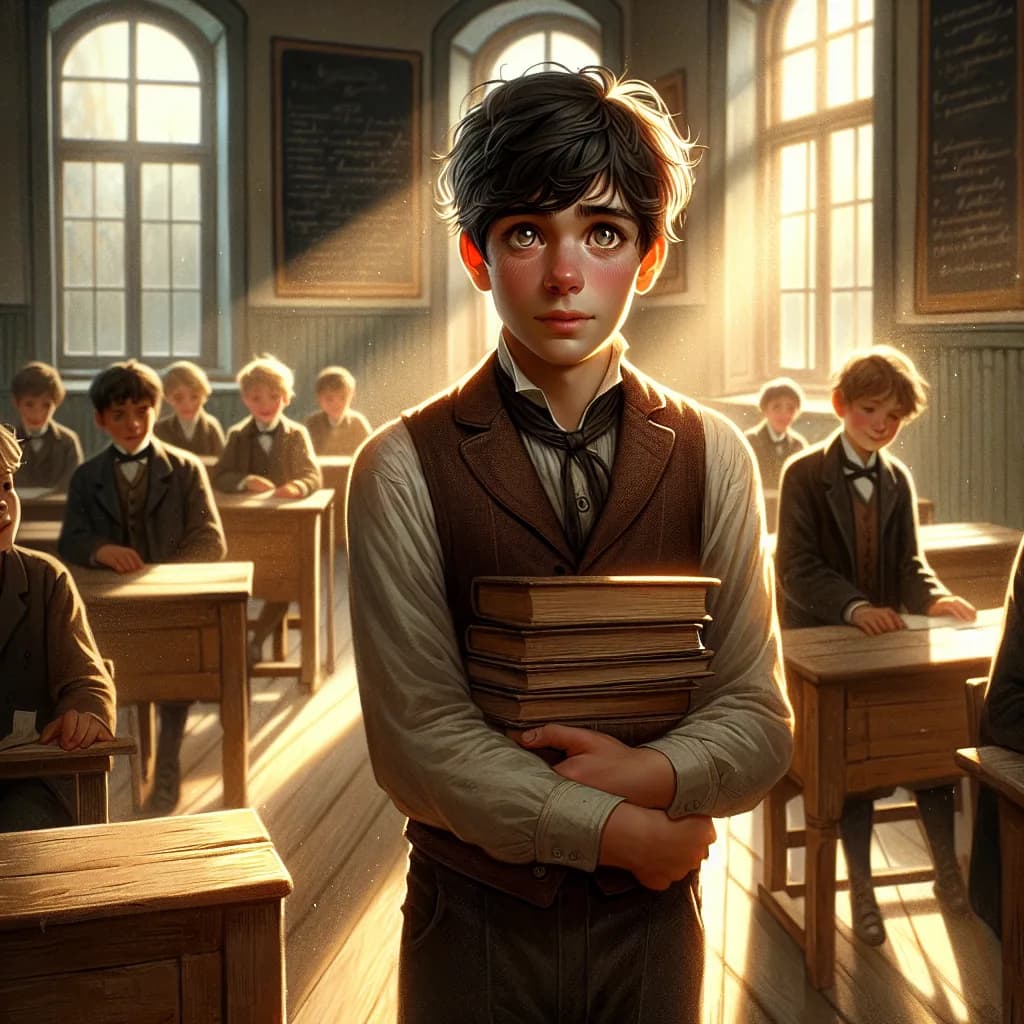
A shy but knowledgeable boy, eager to prove himself among his classmates.
67First appears in Chapter 67
A perceptive German writer who lived in Russia and offered thoughtful critiques on Russian students.
68First appears in Chapter 68
A worldly and aloof young man, Onyegin is the hero of a classic Russian novel beloved by many.
68First appears in Chapter 68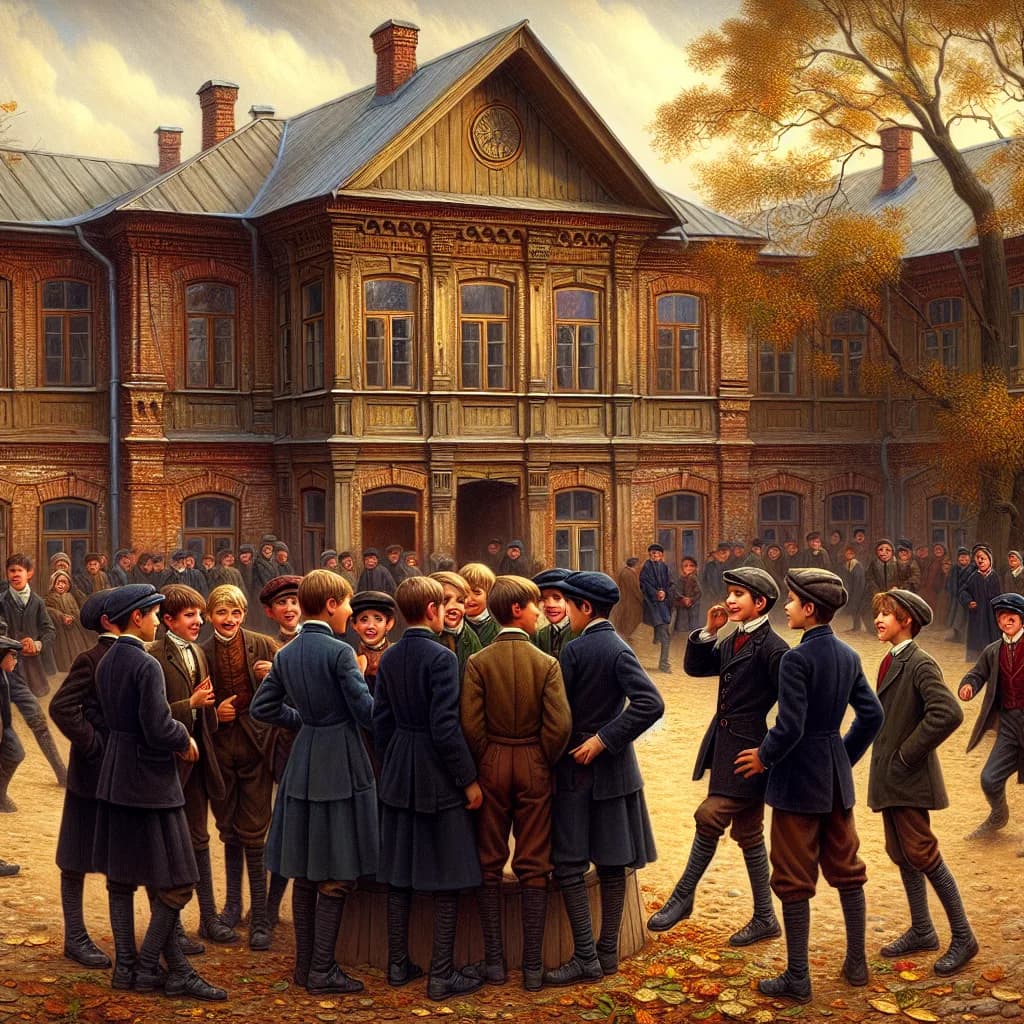
A group of Russian schoolboys, eager and self-assured, each quick to offer opinions on subjects new to them.
68First appears in Chapter 68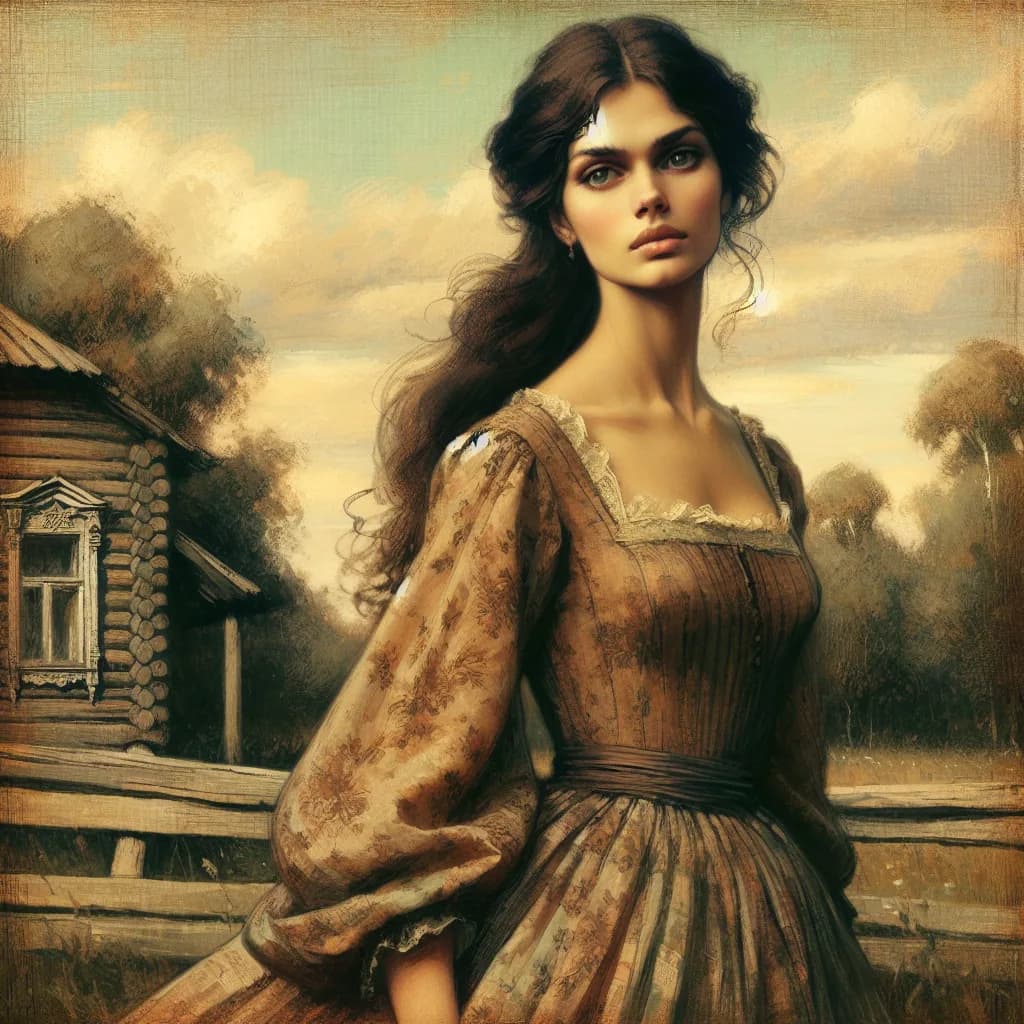
A celebrated literary heroine whose character is discussed for her feelings toward Onyegin.
68First appears in Chapter 68
A famous philosopher and writer known for his wit and criticism of society.
68First appears in Chapter 68
The coachman, waiting by the carriage, stands ready to drive the visitors to their next destination.
69First appears in Chapter 69
Lepelletier is a mental specialist in Paris whom the doctor recommends for consultation.
69First appears in Chapter 69
A servant in the household, Glafira is called upon to help with coffee.
71First appears in Chapter 71
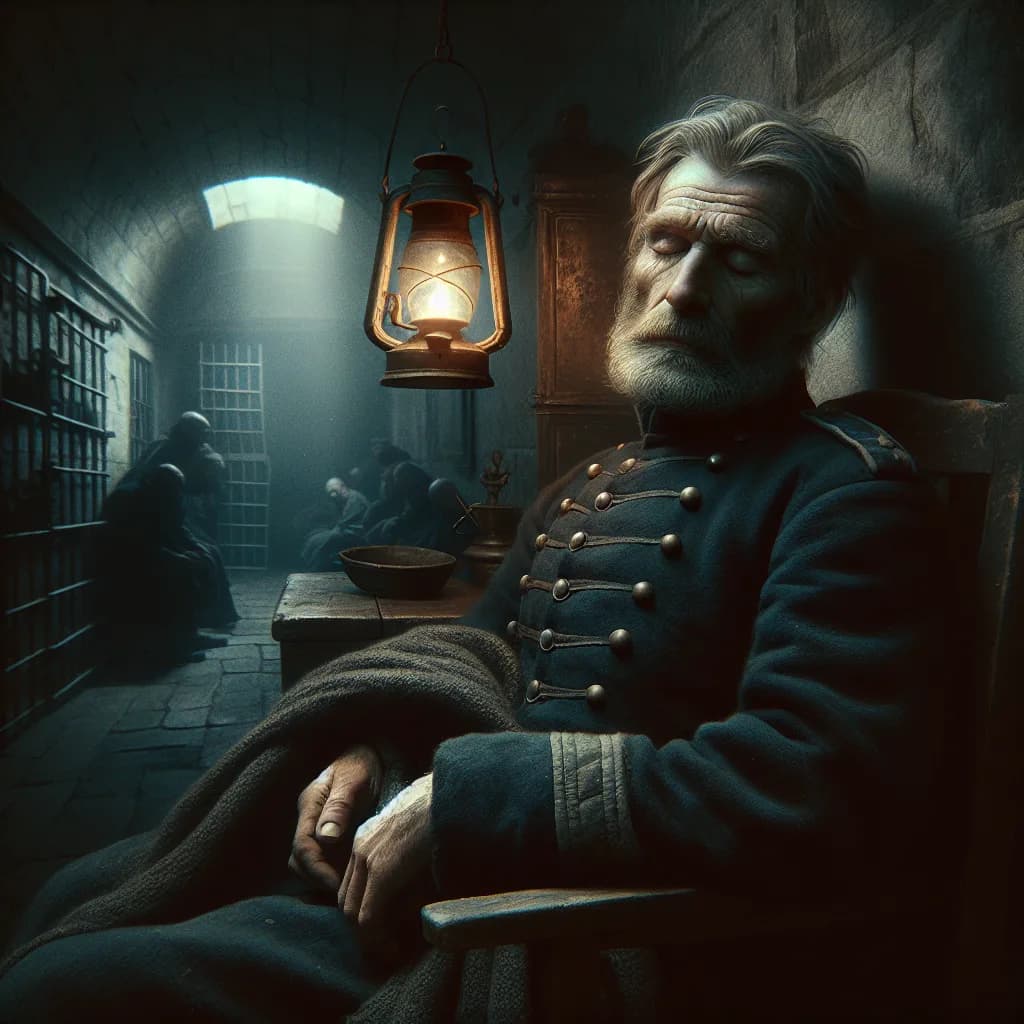
The old warder, a prison guard, dozes quietly in the corner, unnoticed by the prisoners.
73First appears in Chapter 73
A tradesman from the town, gravely ill and bedridden in the hospital ward.
75First appears in Chapter 75

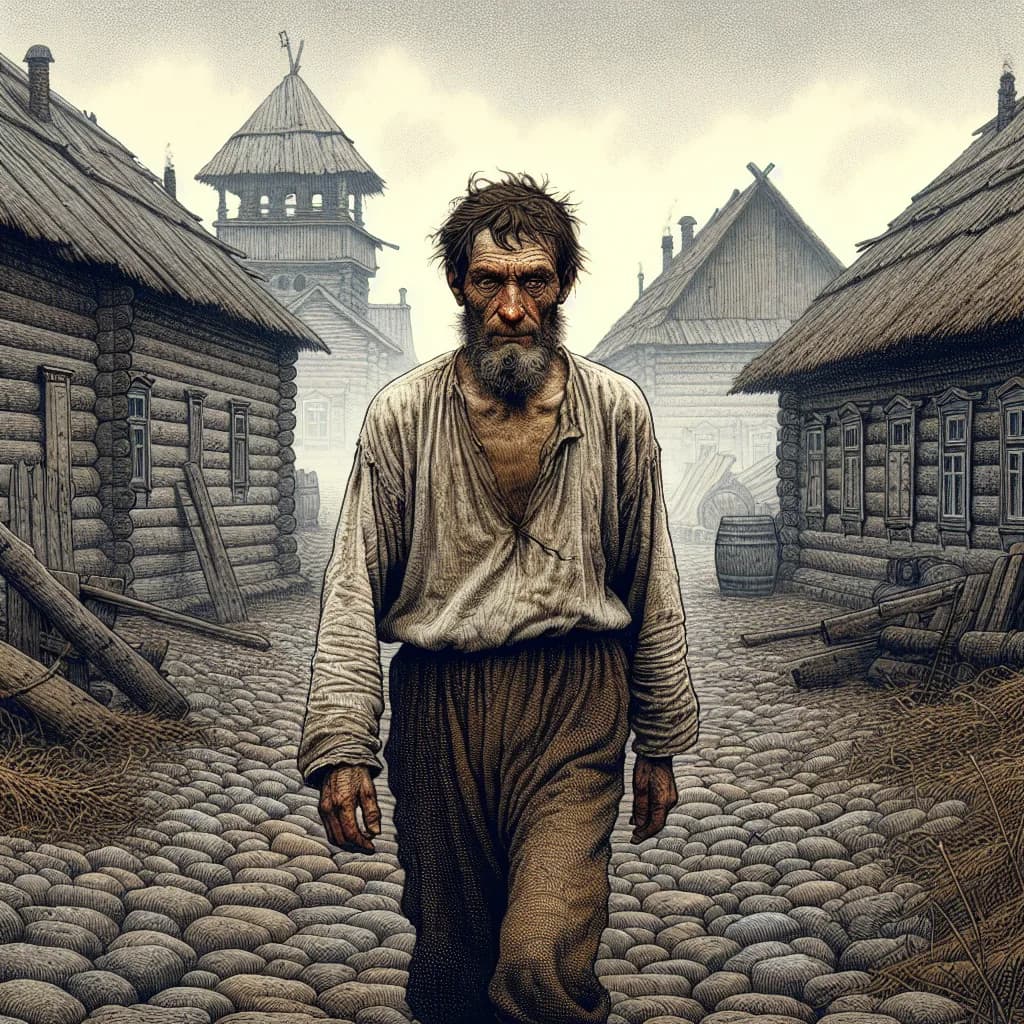
A rough, unsteady peasant crossing Ivan’s path in the street.
77First appears in Chapter 77
Count Mattei is a renowned healer from Milan, known for sending remedies and advice to those seeking cures.
78First appears in Chapter 78
A legendary scholar of German folklore, known for his restless quest for knowledge and meaning.
78First appears in Chapter 78
Gatzuk is an astronomer known for recording celestial events in his calendar.
78First appears in Chapter 78
Gorbunov, an actor known for his colorful expressions, is mentioned in conversation among the guests.
78First appears in Chapter 78
A nineteenth-century German poet, known for his wit and irony.
78First appears in Chapter 78
Hoff is mentioned as the maker of the malt extract that helped a character recover their health.
78First appears in Chapter 78
A schoolfellow of the narrator from his days at the Moscow high school.
78First appears in Chapter 78
A celebrated Russian novelist and thinker, Leo Tolstoy is referenced here as a paragon of detailed storytelling.
78First appears in Chapter 78
Mephistopheles, a figure from German legend, is often depicted as a cunning and enigmatic spirit who tempts others and embodies a complex blend of wit and mischief.
78First appears in Chapter 78

A dignified and experienced official, the President of the Court presides over the courtroom with authority.
80First appears in Chapter 80
A thoughtful writer, known for his recently published pamphlet on the late Elder Zossima.
81First appears in Chapter 81

A court official responsible for managing the courtroom proceedings.
84First appears in Chapter 84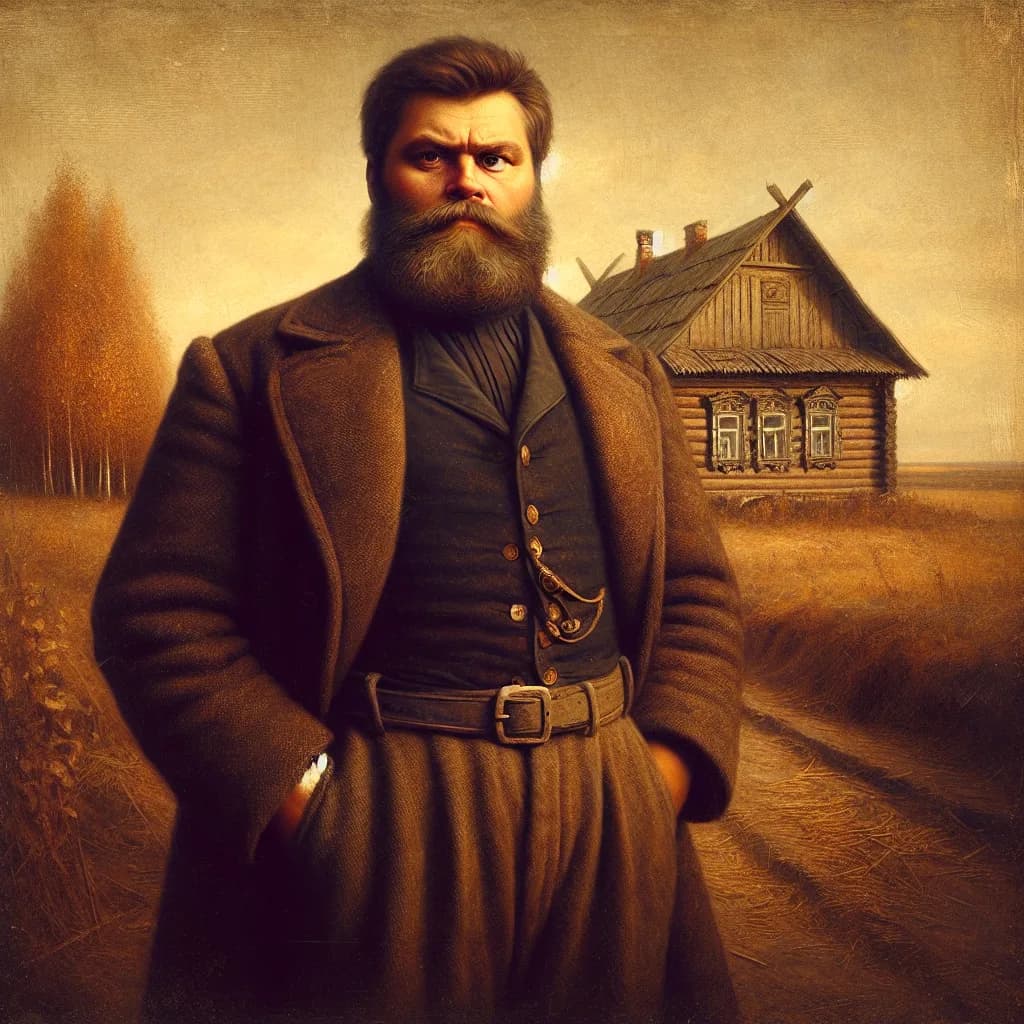
A stout, stubborn landowner known for his blunt manners and physical solidity.
85First appears in Chapter 85
A shrewd and mysterious gentleman, known for his polished manners and secretive ambitions.
85First appears in Chapter 85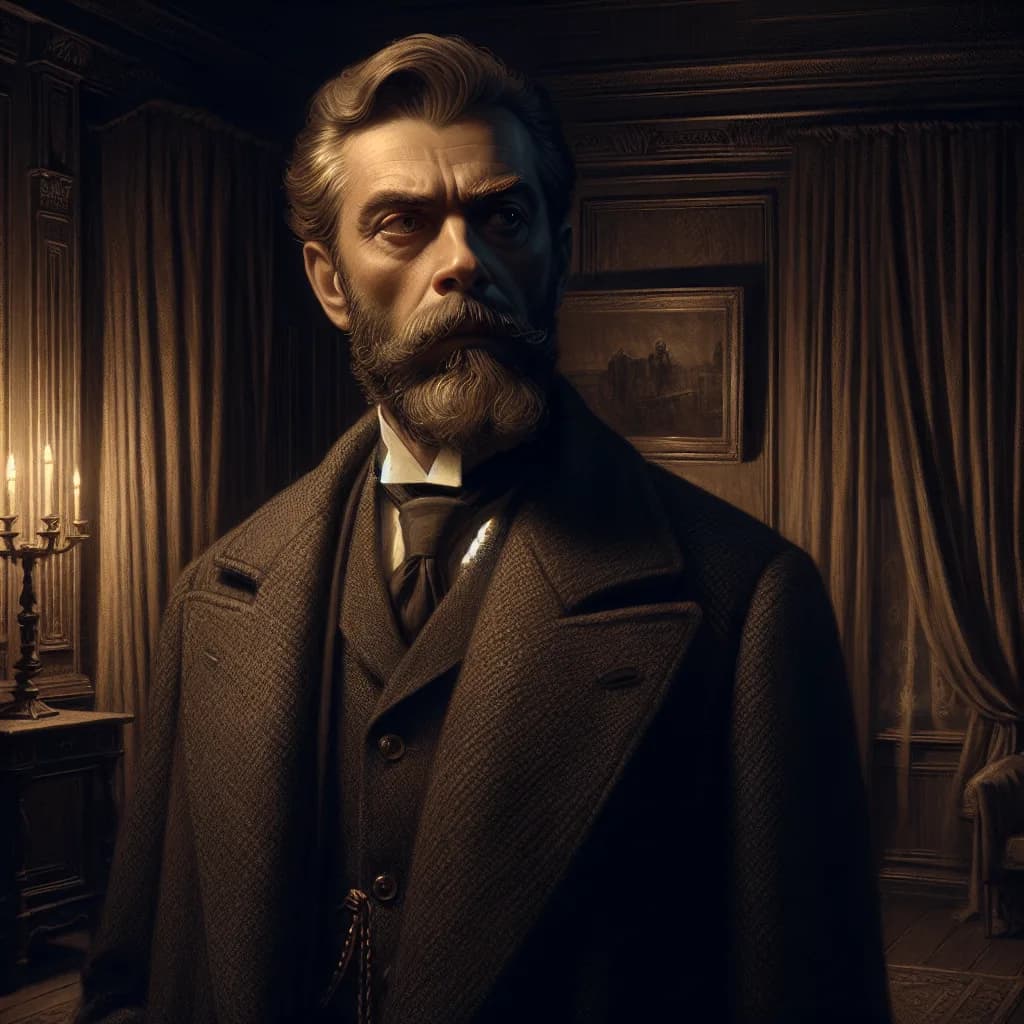
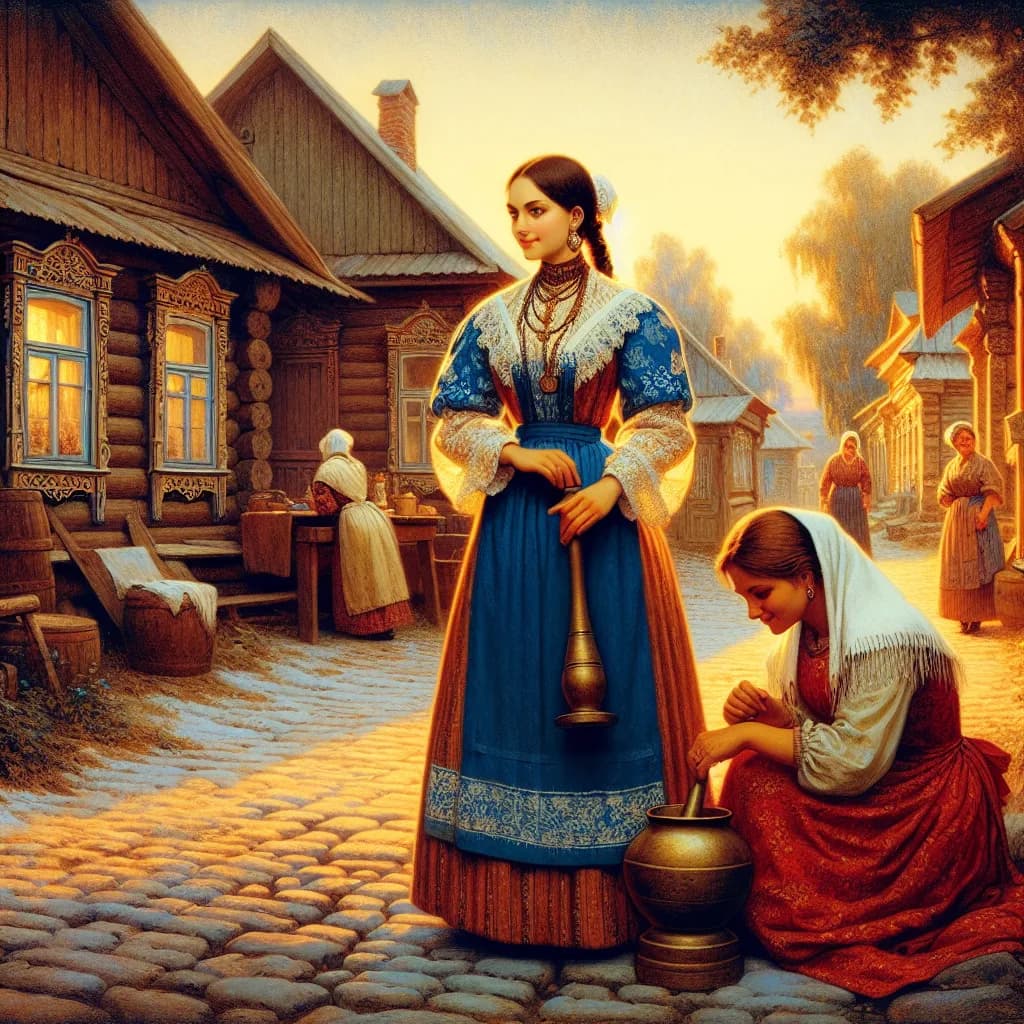
Two women who own a recognizable brass pestle, crossing paths with a key character.
89First appears in Chapter 89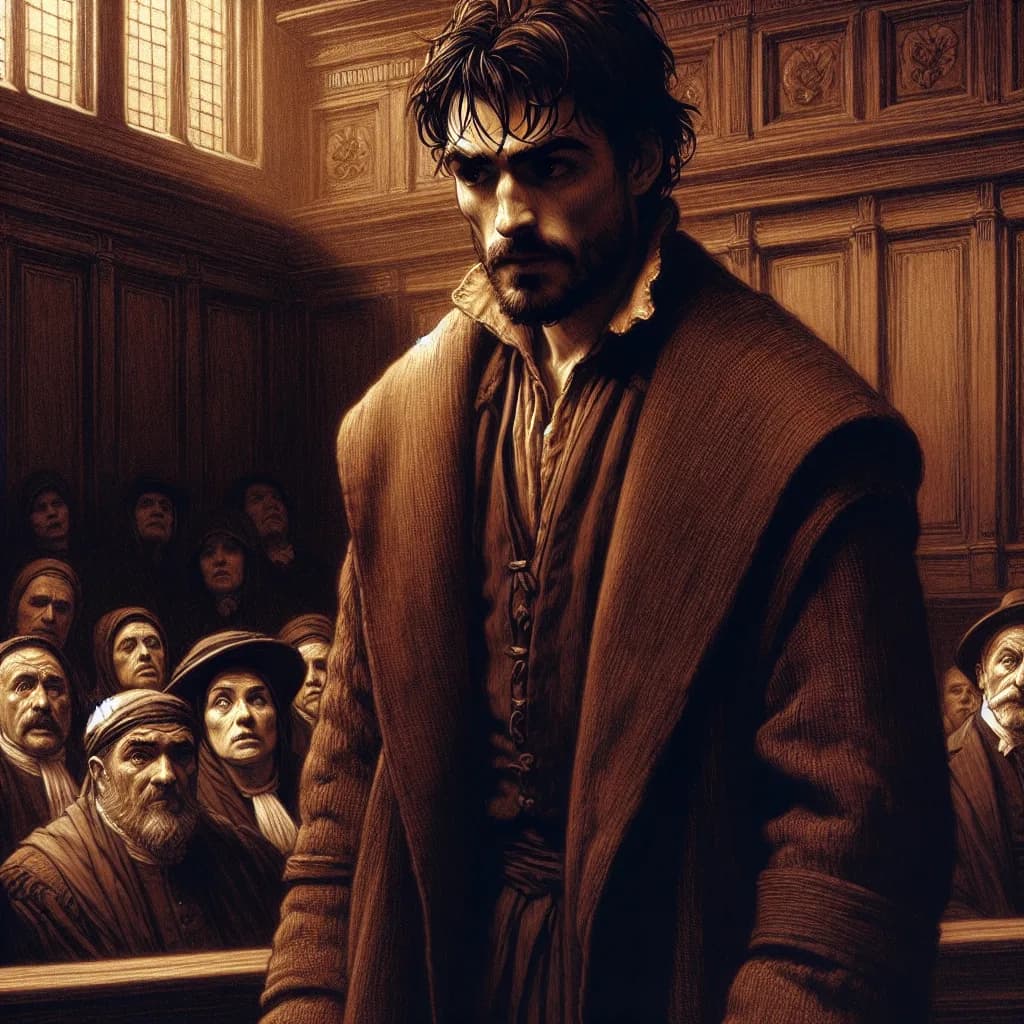
A witness called to testify, an ordinary person drawn into the case by circumstance.
90First appears in Chapter 90
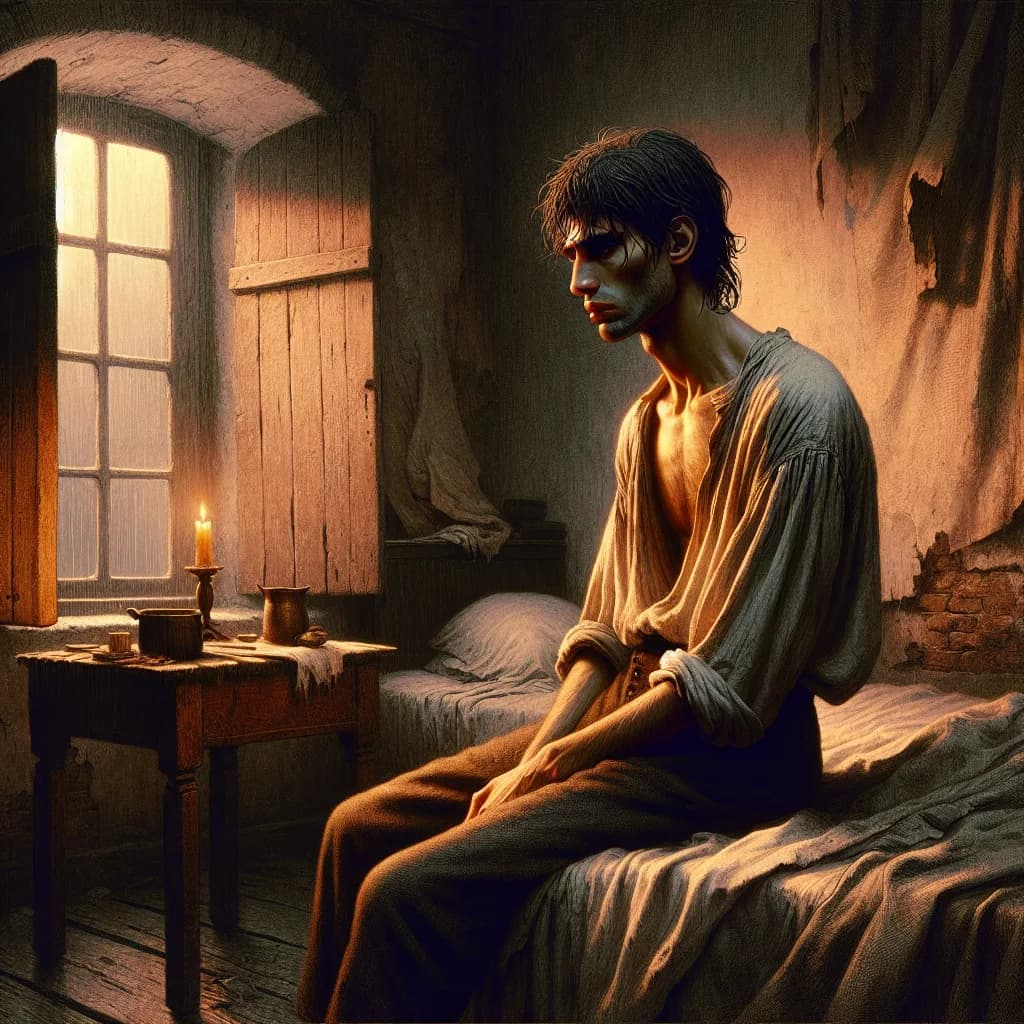
A servant prone to fits, whose mysterious illness often leaves him insensible.
91First appears in Chapter 91
A local shopman, present in the tavern during the evening’s events.
91First appears in Chapter 91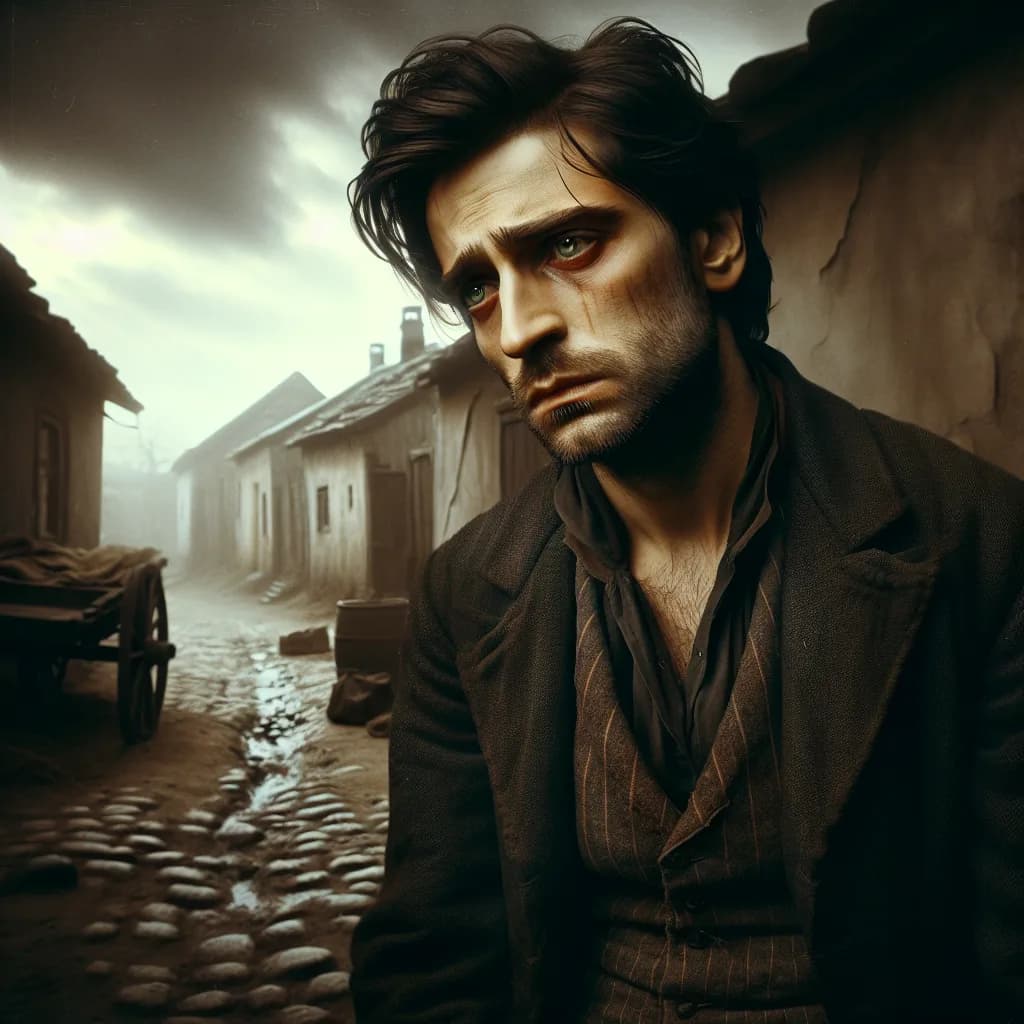
A troubled soul, burdened by guilt, enters the scene with an uneasy conscience.
91First appears in Chapter 91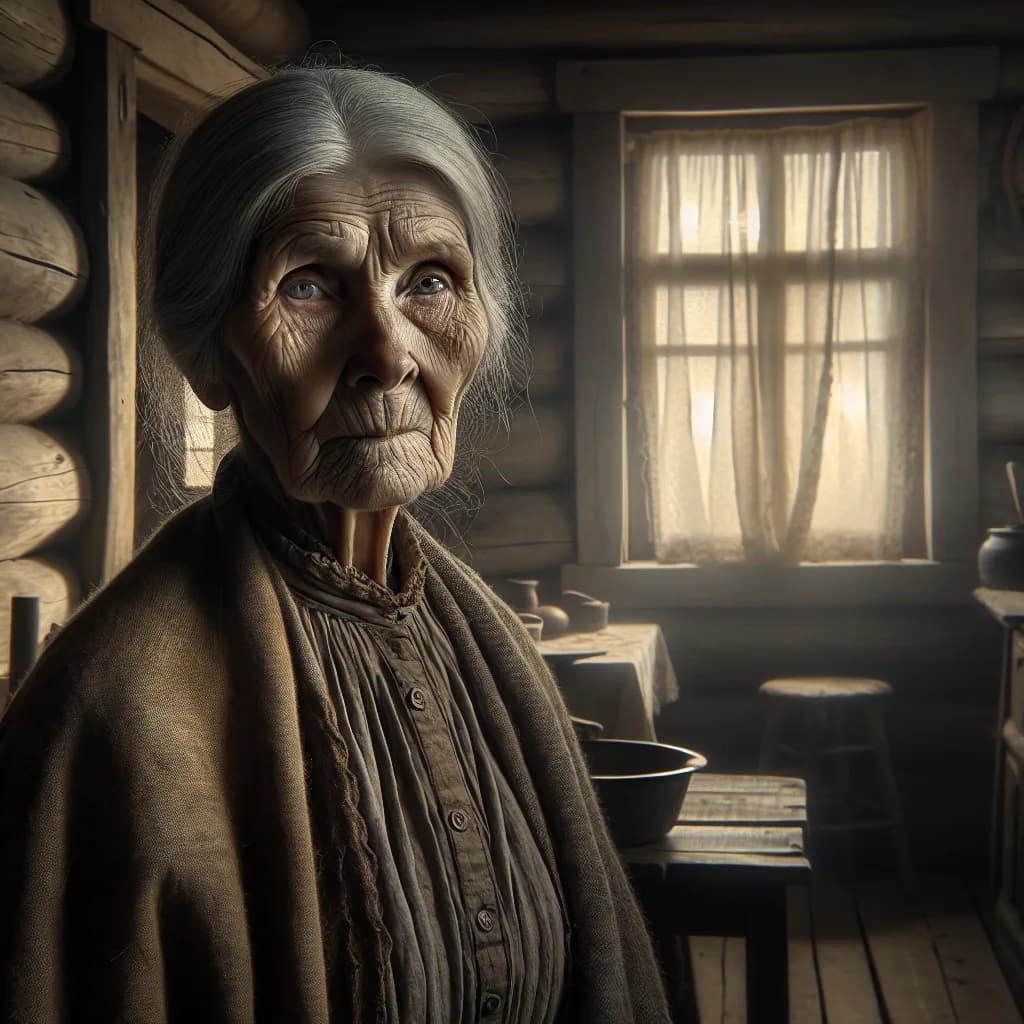
Grigory’s wife, an old woman living in the house, often witnesses the daily happenings around her with fading but persistent attention.
91First appears in Chapter 91
Ostrovsky is a famous Russian playwright known for his realistic portrayals of Moscow society.
92First appears in Chapter 92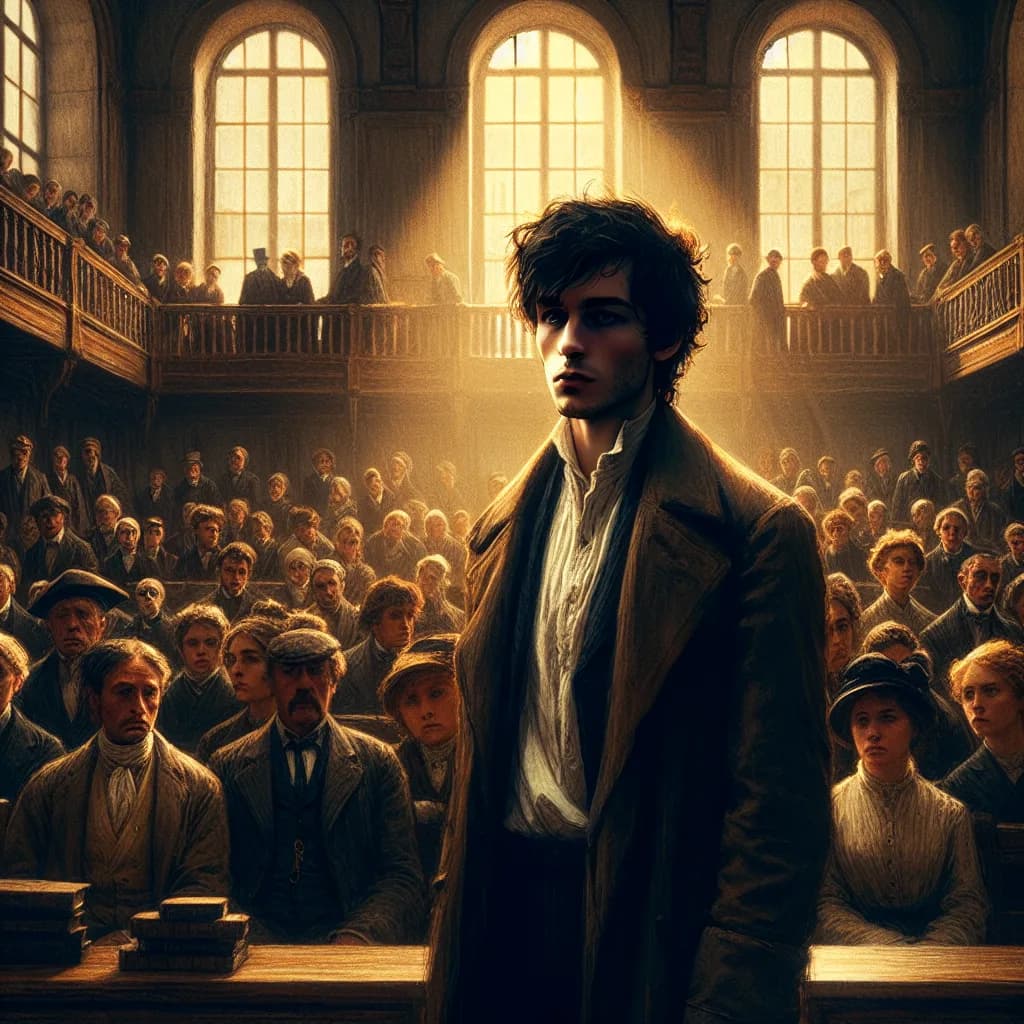
A restless crowd fills the courtroom, eager and anxious to witness the unfolding events.
92First appears in Chapter 92

A member of the district council, who joins the group’s conversation.
93First appears in Chapter 93
Alyosha, a compassionate and gentle young man, is surrounded by friends who care deeply for him.
93First appears in Chapter 93
Four government clerks, distinct from the local peasants, are identified among the gathering.
93First appears in Chapter 93


An acquaintance of the group, Mihail Semyonovitch joins in the conversation with his own observations.
93First appears in Chapter 93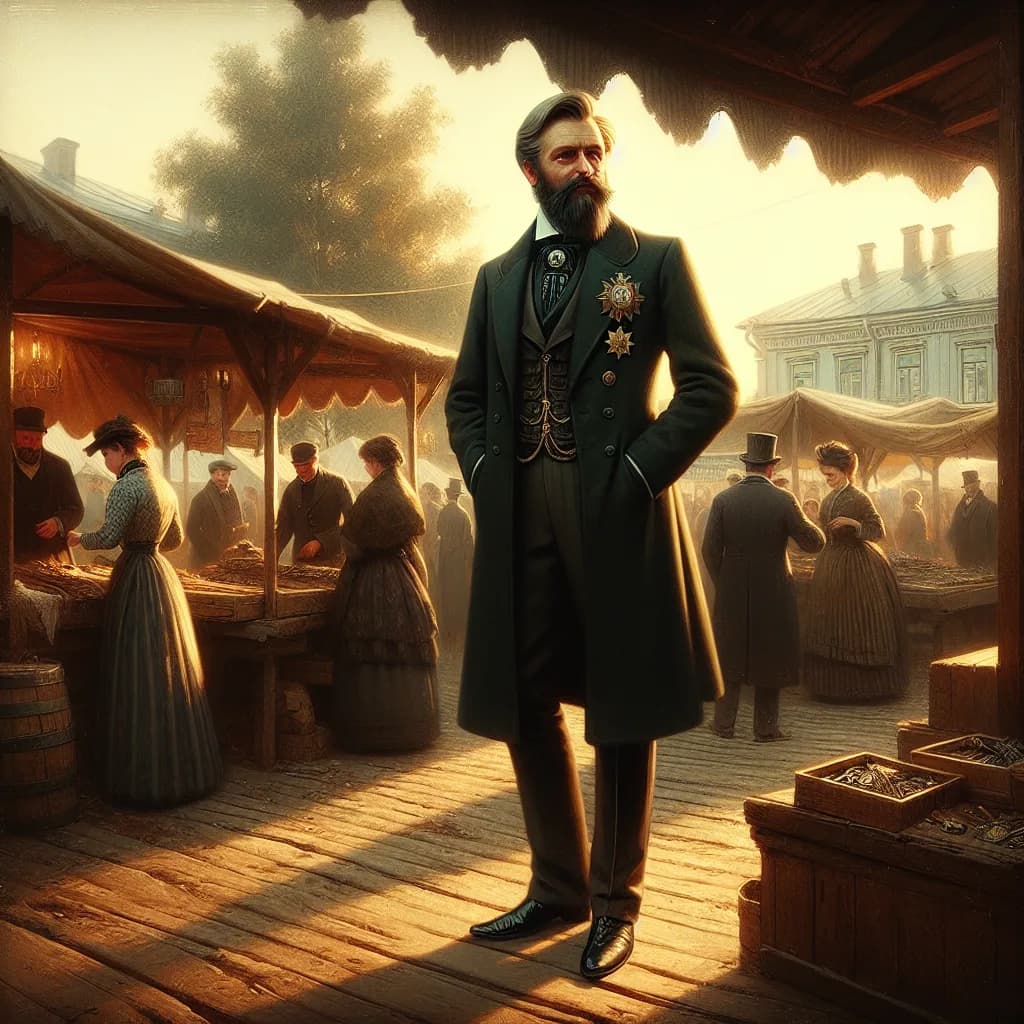
A merchant and juryman distinguished by his medal, noted for his intelligence and quiet demeanor.
93First appears in Chapter 93
A young official, engaged in animated conversation among his colleagues at the trial.
93First appears in Chapter 93
A figure whose presence is shrouded in mystery, known only as "the other woman."
93First appears in Chapter 93

A young man determined to master English, he speaks with enthusiasm about future plans abroad.
95First appears in Chapter 95
An army officer responsible for overseeing the prisoners during their journey.
95First appears in Chapter 95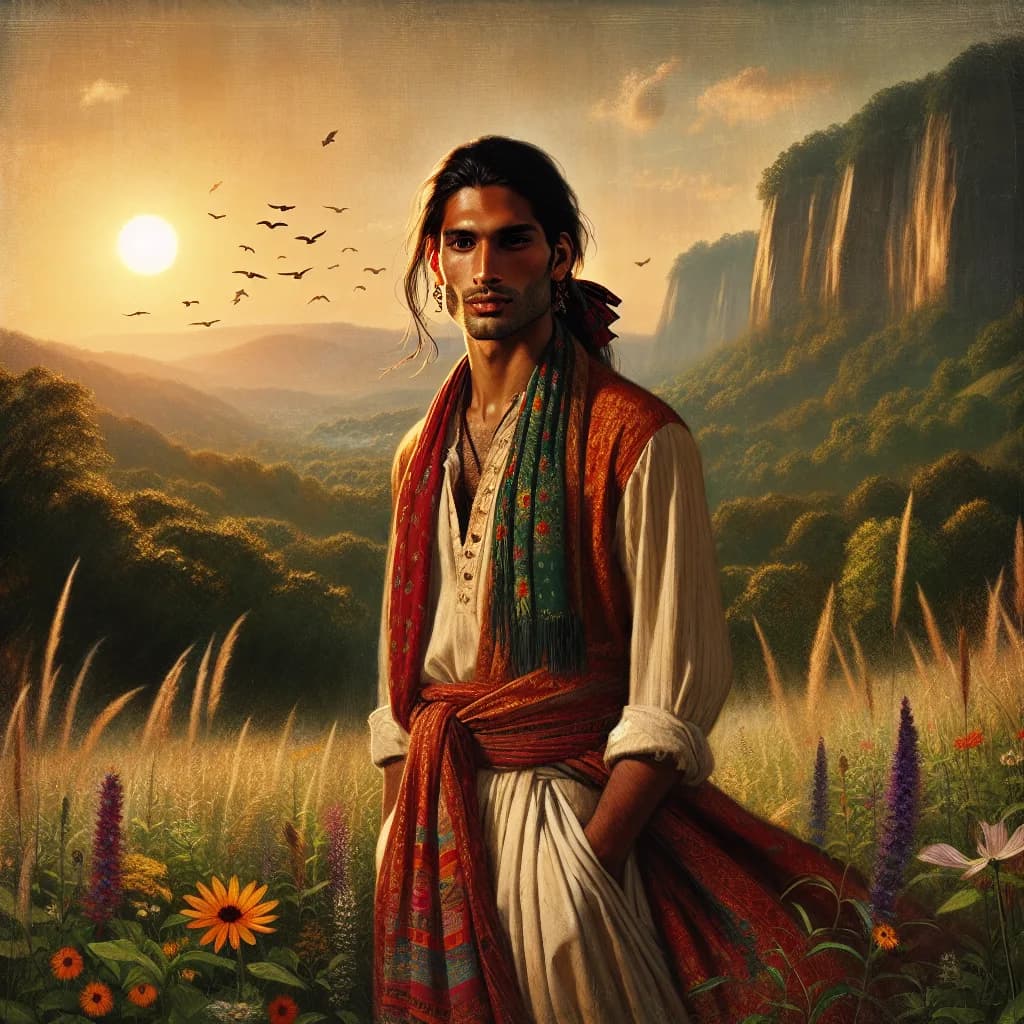
A term used in the novel to refer to Native American peoples, evoking distant and wild American landscapes.
95First appears in Chapter 95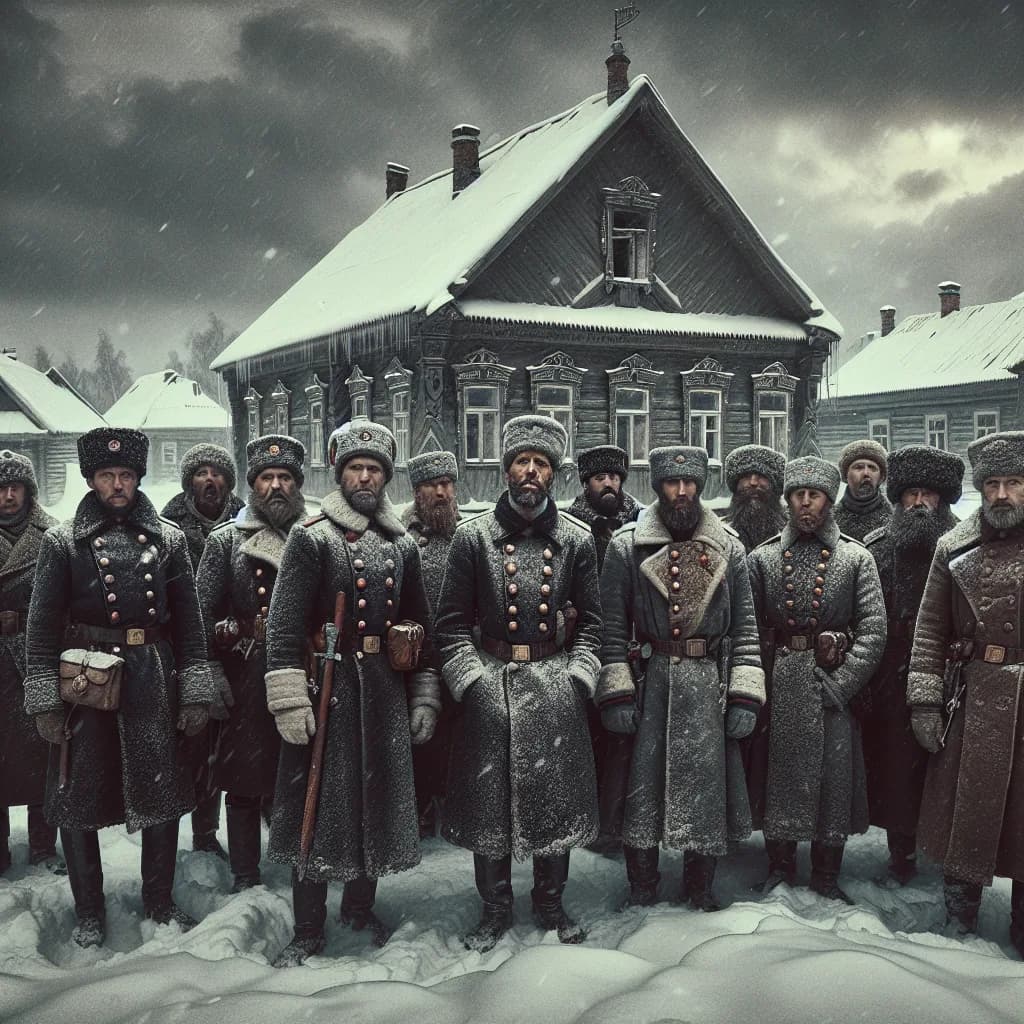
A group of uniformed soldiers assigned to escort the prisoners.
95First appears in Chapter 95
A devoted lover of his homeland, he passionately declares his faith in the Russian God despite admitting his own flaws.
95First appears in Chapter 95
A sweet and gentle young woman, daughter of an official.


The colonel was a prominent and hospitable figure in the district, known for his generosity and high standing in the community.

A newly appointed major, arriving to take command of the battalion.


Two elderly women, gentle and helpful, who care for the narrator in their modest home.

Balaam is mentioned as a figure from the Bible, known for the story of Balaam’s donkey that, miraculously, speaks to its master.

